Jm Integrated Products Resources — Verified Supplier

About Jm Integrated Products Resources - Food Products Supplier in Malaysia

Based in Malaysia, Jm Integrated Products Resources lists 15 active products spanning beverages, food products, biscuits, coconut shell charcoal, coconut sugar, chocolate & confectionery, frozen chicken, and palm oil. The catalogue covers both finished consumer goods such as a crunchy biscuit bar and carbonated drink, and bulk commodities including edible oil and animal feed. Products are classified under HS chapters 1905 (biscuits), 2202 (carbonated beverages), 2101 (beverage premix) and other relevant codes. The supplier’s portfolio therefore addresses multiple segments of the food and agro‑industrial market.

Specific items in the catalogue include a Crunchy Biscuit Bar (HS 1905.31) formulated with wheat flour, sugar and palm oil, a Shisha Cube Charcoal made from 100 % coconut shell, Coconut Sugar Cake and Liquid, a Carbonate Drink (HS 2202.10) containing carbonated water and flavorings, and a Beverage Premix (HS 2101.20) of instant coffee and dairy creamer powders. Additional listings cover whole frozen chicken and value‑added frozen foods, edible oil, animal feed, lubricant oil, metal drums and plastic products, fertilizer, and a Healthy Snack Bar. Each product entry is tied to its respective HS code where provided, reflecting typical customs classification for export.

Product Range and Specialties of Jm Integrated Products Resources

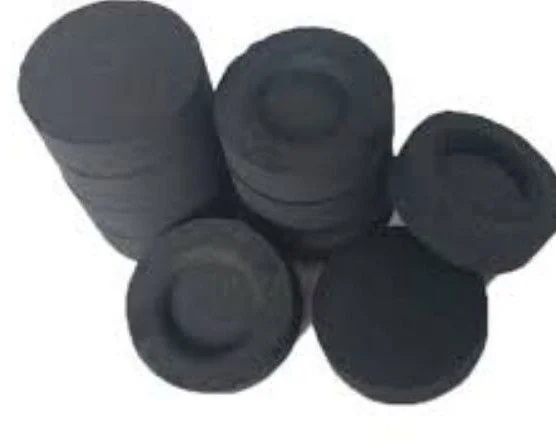
The catalogue’s biscuit offering, the Crunchy Biscet Bar, falls under HS 1905.31 and typically conforms to industry specifications such as moisture 3‑5 %, fat 10‑15 % and a hardness measured by a three‑point bend test. Biscuit manufacturers usually operate under HACCP or ISO 22000 food safety systems and may seek FSSC 22000 certification for export markets. Coconut shell charcoal for shisha is graded by carbon content (normally >80 %) and ash content (<5 %); buyers often require ISO 9001 quality‑management certification and an independent carbon‑content test report. Coconut sugar products are expected to meet purity levels of 95‑98 % sucrose, moisture below 5 %, and are commonly classified under HS 1701 for raw sugar. Carbonated drinks (HS 2202.10) are produced to a target sugar level of 8‑10 % w/w, carbonation of 2.5‑3.0 vol % CO₂, and are packaged in 330 ml cans or PET bottles meeting FDA or EU food‑contact standards. Frozen chicken and other frozen foods are typically packed in 20 kg boxes or bulk trays, stored at - 18 °C, and fall under HS 0207 for meat of poultry.”,

Trade and Export Information - Jm Integrated Products Resources

Malaysia is a major exporter of processed food, edible oil and agricultural commodities, with key destinations in Southeast Asia, the Middle East, Europe and North America. Products such as biscuits (HS 1905), carbonated beverages (HS 2202) and beverage premix (HS 2101) are routinely shipped in 20‑ft or 40‑ft containers, while bulk edible oil and palm oil move in intermediate bulk containers or drums, often under FOB Port Klang or CIF terms. Buyers commonly request HACCP, ISO 22000, FSSC 22000 or Halal certification depending on the target market; Malaysian exporters also align with MS 1500 for palm oil quality. Frozen poultry items require a refrigerated container (reefers) and must be accompanied by a Veterinary Health Certificate and, for Muslim‑majority markets, a Halal certificate. Charcoal and bulk powders are usually exported in sealed 25 kg polyethylene bags or 1‑ton bulk bags, with HS codes in the 4401‑4403 range for charcoal and 1701 for sugar derivatives. Standard customs inspections focus on product classification, weight verification and compliance with any phytosanitary or food‑safety documentation.

Buyers sourcing from Malaysia should verify that the supplier’s export documentation matches the HS codes listed in the catalogue and that any required certifications (e.g., Halal, ISO, HACCP) are current. It is also advisable to request a material safety data sheet for lubricant oil and a COA for edible oil to confirm parameters such as free fatty acid level (<0.1 %) and peroxide value (<10 meq O₂/kg).

Sourcing from Jm Integrated Products Resources - Buyer Guidance

When requesting a quotation, buyers should ask for a detailed specification sheet that lists ingredient percentages, moisture content, and any allergen information for food items such as the biscuit bar, carbonated drink and beverage premix. For bulk commodities like coconut shell charcoal or edible oil, request an independent laboratory test report confirming carbon content, ash level, iodine value or free fatty acid content, respectively. Verify that the supplier can provide the certifications typically required for the product category - HACCP or ISO 22000 for food, Halal for Muslim‑market consumables, and ISO 9001 for industrial goods - before finalising the order. Confirm packaging details (e.g., 25 kg food‑grade bags for coconut sugar, 20 ft container load for edible oil, refrigerated 40 ft container for frozen chicken) and agree on Incoterms such as FOB or CIF to align responsibilities for shipping and customs clearance.

Sample procedures are standard in the industry: a small batch of the biscuit bar or snack bar can be shipped for sensory evaluation, while a 5 kg sample of coconut sugar or charcoal is typical for laboratory testing. Ensure that the sample is accompanied by a certificate of analysis so that the buyer can compare key parameters - moisture, purity, carbon content - against the supplier’s specifications. Prior to large‑scale purchase, confirm the supplier’s lead time, which for most processed food items ranges from 15‑30 days, and for bulk commodities such as oil or charcoal can extend to 45‑60 days depending on production scheduling and shipping availability.

Frequently Asked Questions About Jm Integrated Products Resources

What HS code is used for the Crunchy Biscuit Bar?

The biscuit bar is classified under HS 1905.31, which covers biscuits with a cocoa or chocolate coating and similar confectionery products.

Which certifications are typically required for the coconut shell charcoal?

Buyers usually request ISO 9001 quality‑management certification, an ISO 14001 environmental certificate, and an independent test report confirming carbon content above 80 % and ash content below 5 %.

How is coconut sugar packaged for export?

Coconut sugar is commonly packed in food‑grade polyethylene bags of 25 kg or in bulk 1‑ton containers, sealed to protect against moisture and contamination.

What is the typical shelf‑life and storage condition for the carbonated drink?

The carbonated drink generally has a shelf‑life of 12 months when stored at 2‑25 °C in sealed aluminum cans or PET bottles, protected from direct sunlight.

What documentation is required for frozen chicken exports from Malaysia?

Exporters must provide a Veterinary Health Certificate, a Halal certificate for Muslim markets, and a Certificate of Analysis confirming compliance with microbiological limits such as Salmonella below 10 CFU/g.

Which Incoterms are most commonly used for edible oil shipments?

FOB Port Klang and CIF to the buyer’s destination port are the standard Incoterms, with the seller handling export customs clearance.

What is the typical container load for bulk edible oil?

A 20‑ft container can accommodate roughly 22 metric tonnes of bulk edible oil in intermediate bulk containers, while a 40‑ft container can hold about 40 tonnes.

What quality parameters are tested for the beverage premix?

The premix is tested for solubility (generally >95 % dissolve in water), total solids content, and microbiological limits such as total plate count below 10³ CFU/g.

Featured Products from this Supplier

Other Suppliers in Primary Category

Top Trusted Suppliers

Related Products

Trending in Parent Category

More Suppliers in Category

Related Products

Other Suppliers

EximNext
58.5K+ live requirements
Register Free🎁 Reach verified global buyers
Post Requirement
🌍 Trusted by 224.6K+ businesses in 200+ countries|
58.5K+ active requirements right now
✉️ [email protected]
|
Sell on EximNextPost Requirement
EximNext
AgricultureApparelConstructionElectronicFoodHomeIndustrialMineralsMiscellaneous
🔥 Deals|✨ AI Match|🏭 Suppliers|📋 Buy Leads|💰 Trade Finance
58.5K+ live RFQs·194.6K+ suppliers
🎁 Reach global buyers →
EximNext
EximNext
Register Free
🎁 Reach verified global buyers
Sign In
📋Post Requirement💬Get QuotesAI Match📋RFQ Marketplace
All Categories
Services & Tools
🏭Supplier Directory🔥Today's Deals💰Trade Finance
Sell on EximNext
AboutContactBlogHelp
🏭

Jm Integrated Products Resources

Harbor
Country flag , Malaysia
🛡️
55/100
Trust Score

Jm Integrated Products Resources Product Catalog

Showing 12 of 15 products
View all products →
Crunchy Biscuit Bar
Harbor
Crunchy Biscuit Bar
Contact
MOQ: 1 Unit
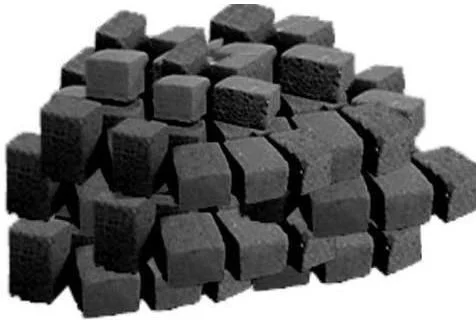
Shisha Cube Charcoal 100% Coconut Shell
Harbor
Shisha Cube Charcoal 100% Coconut Shell
Contact
MOQ: 1 Unit
Coconut Sugar Cake and Liquid
Harbor
Coconut Sugar Cake and Liquid
Contact
MOQ: 1 Unit
Carbonate Drink
Harbor
Carbonate Drink
Contact
MOQ: 1 Unit
Butter Nuts
Harbor
Butter Nuts
Contact
MOQ: 1 Unit
Beverage Premix
Harbor
Beverage Premix
Contact
MOQ: 1 Unit
Whole Chicken & Frozen value-added products
Harbor
Whole Chicken & Frozen value-added products
Contact
MOQ: 1 Unit
Ready To Eat Products Asian Taste
Harbor
Ready To Eat Products Asian Taste
Contact
MOQ: 1 Unit
Edible oil
Harbor
Edible oil
Contact
MOQ: 1 Unit
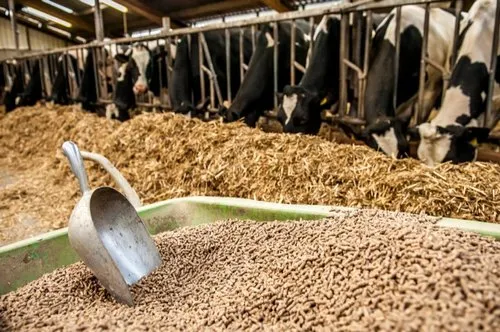
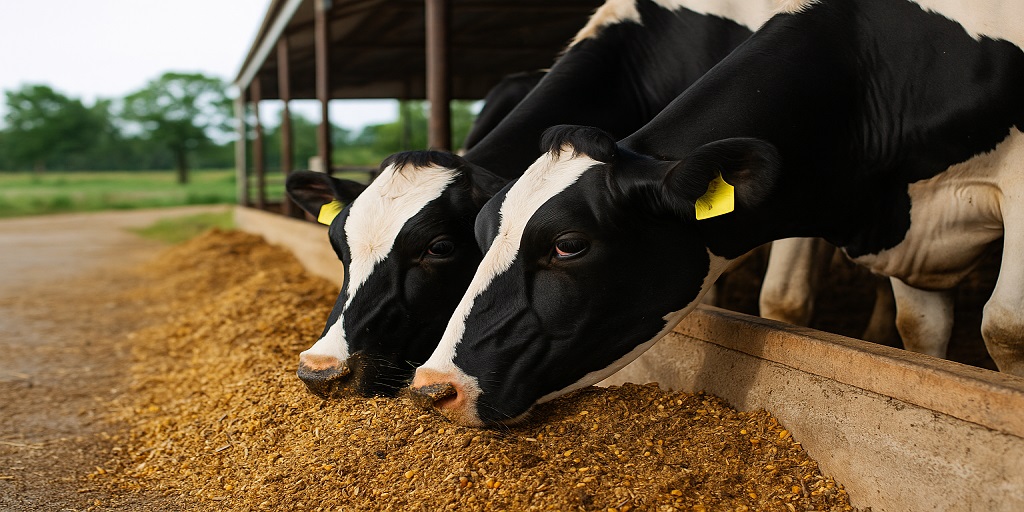
Animal feed
Harbor
Animal feed
Contact
MOQ: 1 Unit
Lubricant Oil
Harbor
Lubricant Oil
Contact
MOQ: 1 Unit
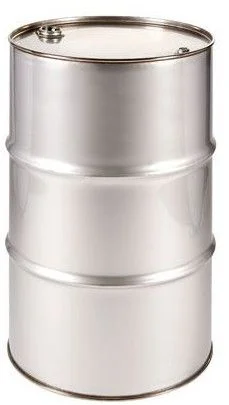
Metal Drum and Plastic Products
Harbor
Metal Drum and Plastic Products
Contact
MOQ: 1 Unit

About Jm Integrated Products Resources - Food Products Supplier in Malaysia

Based in Malaysia, Jm Integrated Products Resources lists 15 active products spanning beverages, food products, biscuits, coconut shell charcoal, coconut sugar, chocolate & confectionery, frozen chicken, and palm oil. The catalogue covers both finished consumer goods such as a crunchy biscuit bar and carbonated drink, and bulk commodities including edible oil and animal feed. Products are classified under HS chapters 1905 (biscuits), 2202 (carbonated beverages), 2101 (beverage premix) and other relevant codes. The supplier’s portfolio therefore addresses multiple segments of the food and agro‑industrial market.

Specific items in the catalogue include a Crunchy Biscuit Bar (HS 1905.31) formulated with wheat flour, sugar and palm oil, a Shisha Cube Charcoal made from 100 % coconut shell, Coconut Sugar Cake and Liquid, a Carbonate Drink (HS 2202.10) containing carbonated water and flavorings, and a Beverage Premix (HS 2101.20) of instant coffee and dairy creamer powders. Additional listings cover whole frozen chicken and value‑added frozen foods, edible oil, animal feed, lubricant oil, metal drums and plastic products, fertilizer, and a Healthy Snack Bar. Each product entry is tied to its respective HS code where provided, reflecting typical customs classification for export.

Product Range and Specialties of Jm Integrated Products Resources

The catalogue’s biscuit offering, the Crunchy Biscet Bar, falls under HS 1905.31 and typically conforms to industry specifications such as moisture 3‑5 %, fat 10‑15 % and a hardness measured by a three‑point bend test. Biscuit manufacturers usually operate under HACCP or ISO 22000 food safety systems and may seek FSSC 22000 certification for export markets. Coconut shell charcoal for shisha is graded by carbon content (normally >80 %) and ash content (<5 %); buyers often require ISO 9001 quality‑management certification and an independent carbon‑content test report. Coconut sugar products are expected to meet purity levels of 95‑98 % sucrose, moisture below 5 %, and are commonly classified under HS 1701 for raw sugar. Carbonated drinks (HS 2202.10) are produced to a target sugar level of 8‑10 % w/w, carbonation of 2.5‑3.0 vol % CO₂, and are packaged in 330 ml cans or PET bottles meeting FDA or EU food‑contact standards. Frozen chicken and other frozen foods are typically packed in 20 kg boxes or bulk trays, stored at - 18 °C, and fall under HS 0207 for meat of poultry.”,

Trade and Export Information - Jm Integrated Products Resources

Malaysia is a major exporter of processed food, edible oil and agricultural commodities, with key destinations in Southeast Asia, the Middle East, Europe and North America. Products such as biscuits (HS 1905), carbonated beverages (HS 2202) and beverage premix (HS 2101) are routinely shipped in 20‑ft or 40‑ft containers, while bulk edible oil and palm oil move in intermediate bulk containers or drums, often under FOB Port Klang or CIF terms. Buyers commonly request HACCP, ISO 22000, FSSC 22000 or Halal certification depending on the target market; Malaysian exporters also align with MS 1500 for palm oil quality. Frozen poultry items require a refrigerated container (reefers) and must be accompanied by a Veterinary Health Certificate and, for Muslim‑majority markets, a Halal certificate. Charcoal and bulk powders are usually exported in sealed 25 kg polyethylene bags or 1‑ton bulk bags, with HS codes in the 4401‑4403 range for charcoal and 1701 for sugar derivatives. Standard customs inspections focus on product classification, weight verification and compliance with any phytosanitary or food‑safety documentation.

Buyers sourcing from Malaysia should verify that the supplier’s export documentation matches the HS codes listed in the catalogue and that any required certifications (e.g., Halal, ISO, HACCP) are current. It is also advisable to request a material safety data sheet for lubricant oil and a COA for edible oil to confirm parameters such as free fatty acid level (<0.1 %) and peroxide value (<10 meq O₂/kg).

Sourcing from Jm Integrated Products Resources - Buyer Guidance

When requesting a quotation, buyers should ask for a detailed specification sheet that lists ingredient percentages, moisture content, and any allergen information for food items such as the biscuit bar, carbonated drink and beverage premix. For bulk commodities like coconut shell charcoal or edible oil, request an independent laboratory test report confirming carbon content, ash level, iodine value or free fatty acid content, respectively. Verify that the supplier can provide the certifications typically required for the product category - HACCP or ISO 22000 for food, Halal for Muslim‑market consumables, and ISO 9001 for industrial goods - before finalising the order. Confirm packaging details (e.g., 25 kg food‑grade bags for coconut sugar, 20 ft container load for edible oil, refrigerated 40 ft container for frozen chicken) and agree on Incoterms such as FOB or CIF to align responsibilities for shipping and customs clearance.

Sample procedures are standard in the industry: a small batch of the biscuit bar or snack bar can be shipped for sensory evaluation, while a 5 kg sample of coconut sugar or charcoal is typical for laboratory testing. Ensure that the sample is accompanied by a certificate of analysis so that the buyer can compare key parameters - moisture, purity, carbon content - against the supplier’s specifications. Prior to large‑scale purchase, confirm the supplier’s lead time, which for most processed food items ranges from 15‑30 days, and for bulk commodities such as oil or charcoal can extend to 45‑60 days depending on production scheduling and shipping availability.

Frequently Asked Questions About Jm Integrated Products Resources

What HS code is used for the Crunchy Biscuit Bar?

The biscuit bar is classified under HS 1905.31, which covers biscuits with a cocoa or chocolate coating and similar confectionery products.

Which certifications are typically required for the coconut shell charcoal?

Buyers usually request ISO 9001 quality‑management certification, an ISO 14001 environmental certificate, and an independent test report confirming carbon content above 80 % and ash content below 5 %.

How is coconut sugar packaged for export?

Coconut sugar is commonly packed in food‑grade polyethylene bags of 25 kg or in bulk 1‑ton containers, sealed to protect against moisture and contamination.

What is the typical shelf‑life and storage condition for the carbonated drink?

The carbonated drink generally has a shelf‑life of 12 months when stored at 2‑25 °C in sealed aluminum cans or PET bottles, protected from direct sunlight.

What documentation is required for frozen chicken exports from Malaysia?

Exporters must provide a Veterinary Health Certificate, a Halal certificate for Muslim markets, and a Certificate of Analysis confirming compliance with microbiological limits such as Salmonella below 10 CFU/g.

Which Incoterms are most commonly used for edible oil shipments?

FOB Port Klang and CIF to the buyer’s destination port are the standard Incoterms, with the seller handling export customs clearance.

What is the typical container load for bulk edible oil?

A 20‑ft container can accommodate roughly 22 metric tonnes of bulk edible oil in intermediate bulk containers, while a 40‑ft container can hold about 40 tonnes.

What quality parameters are tested for the beverage premix?

The premix is tested for solubility (generally >95 % dissolve in water), total solids content, and microbiological limits such as total plate count below 10³ CFU/g.

About Jm Integrated Products Resources - Food Products Supplier in Malaysia

Based in Malaysia, Jm Integrated Products Resources lists 15 active products spanning beverages, food products, biscuits, coconut shell charcoal, coconut sugar, chocolate & confectionery, frozen chicken, and palm oil. The catalogue covers both finished consumer goods such as a crunchy biscuit bar and carbonated drink, and bulk commodities including edible oil and animal feed. Products are classified under HS chapters 1905 (biscuits), 2202 (carbonated beverages), 2101 (beverage premix) and other relevant codes. The supplier’s portfolio therefore addresses multiple segments of the food and agro‑industrial market.

Specific items in the catalogue include a Crunchy Biscuit Bar (HS 1905.31) formulated with wheat flour, sugar and palm oil, a Shisha Cube Charcoal made from 100 % coconut shell, Coconut Sugar Cake and Liquid, a Carbonate Drink (HS 2202.10) containing carbonated water and flavorings, and a Beverage Premix (HS 2101.20) of instant coffee and dairy creamer powders. Additional listings cover whole frozen chicken and value‑added frozen foods, edible oil, animal feed, lubricant oil, metal drums and plastic products, fertilizer, and a Healthy Snack Bar. Each product entry is tied to its respective HS code where provided, reflecting typical customs classification for export.

Product Range and Specialties of Jm Integrated Products Resources

The catalogue’s biscuit offering, the Crunchy Biscet Bar, falls under HS 1905.31 and typically conforms to industry specifications such as moisture 3‑5 %, fat 10‑15 % and a hardness measured by a three‑point bend test. Biscuit manufacturers usually operate under HACCP or ISO 22000 food safety systems and may seek FSSC 22000 certification for export markets. Coconut shell charcoal for shisha is graded by carbon content (normally >80 %) and ash content (<5 %); buyers often require ISO 9001 quality‑management certification and an independent carbon‑content test report. Coconut sugar products are expected to meet purity levels of 95‑98 % sucrose, moisture below 5 %, and are commonly classified under HS 1701 for raw sugar. Carbonated drinks (HS 2202.10) are produced to a target sugar level of 8‑10 % w/w, carbonation of 2.5‑3.0 vol % CO₂, and are packaged in 330 ml cans or PET bottles meeting FDA or EU food‑contact standards. Frozen chicken and other frozen foods are typically packed in 20 kg boxes or bulk trays, stored at - 18 °C, and fall under HS 0207 for meat of poultry.”,

Trade and Export Information - Jm Integrated Products Resources

Malaysia is a major exporter of processed food, edible oil and agricultural commodities, with key destinations in Southeast Asia, the Middle East, Europe and North America. Products such as biscuits (HS 1905), carbonated beverages (HS 2202) and beverage premix (HS 2101) are routinely shipped in 20‑ft or 40‑ft containers, while bulk edible oil and palm oil move in intermediate bulk containers or drums, often under FOB Port Klang or CIF terms. Buyers commonly request HACCP, ISO 22000, FSSC 22000 or Halal certification depending on the target market; Malaysian exporters also align with MS 1500 for palm oil quality. Frozen poultry items require a refrigerated container (reefers) and must be accompanied by a Veterinary Health Certificate and, for Muslim‑majority markets, a Halal certificate. Charcoal and bulk powders are usually exported in sealed 25 kg polyethylene bags or 1‑ton bulk bags, with HS codes in the 4401‑4403 range for charcoal and 1701 for sugar derivatives. Standard customs inspections focus on product classification, weight verification and compliance with any phytosanitary or food‑safety documentation.

Buyers sourcing from Malaysia should verify that the supplier’s export documentation matches the HS codes listed in the catalogue and that any required certifications (e.g., Halal, ISO, HACCP) are current. It is also advisable to request a material safety data sheet for lubricant oil and a COA for edible oil to confirm parameters such as free fatty acid level (<0.1 %) and peroxide value (<10 meq O₂/kg).

Sourcing from Jm Integrated Products Resources - Buyer Guidance

When requesting a quotation, buyers should ask for a detailed specification sheet that lists ingredient percentages, moisture content, and any allergen information for food items such as the biscuit bar, carbonated drink and beverage premix. For bulk commodities like coconut shell charcoal or edible oil, request an independent laboratory test report confirming carbon content, ash level, iodine value or free fatty acid content, respectively. Verify that the supplier can provide the certifications typically required for the product category - HACCP or ISO 22000 for food, Halal for Muslim‑market consumables, and ISO 9001 for industrial goods - before finalising the order. Confirm packaging details (e.g., 25 kg food‑grade bags for coconut sugar, 20 ft container load for edible oil, refrigerated 40 ft container for frozen chicken) and agree on Incoterms such as FOB or CIF to align responsibilities for shipping and customs clearance.

Sample procedures are standard in the industry: a small batch of the biscuit bar or snack bar can be shipped for sensory evaluation, while a 5 kg sample of coconut sugar or charcoal is typical for laboratory testing. Ensure that the sample is accompanied by a certificate of analysis so that the buyer can compare key parameters - moisture, purity, carbon content - against the supplier’s specifications. Prior to large‑scale purchase, confirm the supplier’s lead time, which for most processed food items ranges from 15‑30 days, and for bulk commodities such as oil or charcoal can extend to 45‑60 days depending on production scheduling and shipping availability.

Frequently Asked Questions About Jm Integrated Products Resources
What HS code is used for the Crunchy Biscuit Bar?
The biscuit bar is classified under HS 1905.31, which covers biscuits with a cocoa or chocolate coating and similar confectionery products.
Which certifications are typically required for the coconut shell charcoal?
Buyers usually request ISO 9001 quality‑management certification, an ISO 14001 environmental certificate, and an independent test report confirming carbon content above 80 % and ash content below 5 %.
How is coconut sugar packaged for export?
Coconut sugar is commonly packed in food‑grade polyethylene bags of 25 kg or in bulk 1‑ton containers, sealed to protect against moisture and contamination.
What is the typical shelf‑life and storage condition for the carbonated drink?
The carbonated drink generally has a shelf‑life of 12 months when stored at 2‑25 °C in sealed aluminum cans or PET bottles, protected from direct sunlight.
What documentation is required for frozen chicken exports from Malaysia?
Exporters must provide a Veterinary Health Certificate, a Halal certificate for Muslim markets, and a Certificate of Analysis confirming compliance with microbiological limits such as Salmonella below 10 CFU/g.
Which Incoterms are most commonly used for edible oil shipments?
FOB Port Klang and CIF to the buyer’s destination port are the standard Incoterms, with the seller handling export customs clearance.
What is the typical container load for bulk edible oil?
A 20‑ft container can accommodate roughly 22 metric tonnes of bulk edible oil in intermediate bulk containers, while a 40‑ft container can hold about 40 tonnes.
What quality parameters are tested for the beverage premix?
The premix is tested for solubility (generally >95 % dissolve in water), total solids content, and microbiological limits such as total plate count below 10³ CFU/g.

🏭
Jm Integrated Products Resources
Country flag , Malaysia
Harbor
55/100
Trust Score
📦
15
Products
Free to contact — no commission
Escrow payment available
Verified business identity
Compare more suppliers
Post a requirement — get 10 quotes free
Let verified suppliers compete for your business. Free, fast, no commitment.
EximNext Verified Supplier
Business identity verified
Physical address confirmed
Financial history checked
Certifications authenticated
Trade references validated
Due Diligence
Verify this supplier's real shipping history.
Every shipment, every buyer, every port. Trade data that can't be faked.
Run due diligence →
Discover More

Related Suppliers & Products

Explore similar suppliers, related products and trending categories

Featured Products from this Supplier

Other Suppliers in Primary Category

Top Trusted Suppliers

Related Products

Trending in Parent Category

More Suppliers in Category

Stay ahead in global trade
Weekly market insights & new supplier alerts.
EximNext
Exim Next is a leading global B2B marketplace, connecting over 205,000 verified suppliers and buyers across 200+ countries. As a trusted import export marketplace, it serves as the essential B2B portal for businesses worldwide, empowering them to expand their international reach. With Exim Next, businesses can trade smarter and grow faster.
SECURE PAYMENTS
VISAMastercardPayPalSWIFTL/CEscrow
Follow us
© 2026 EximNext