Jimmy — Verified Supplier
About Jimmy - Bamboo Products Supplier in Indonesia
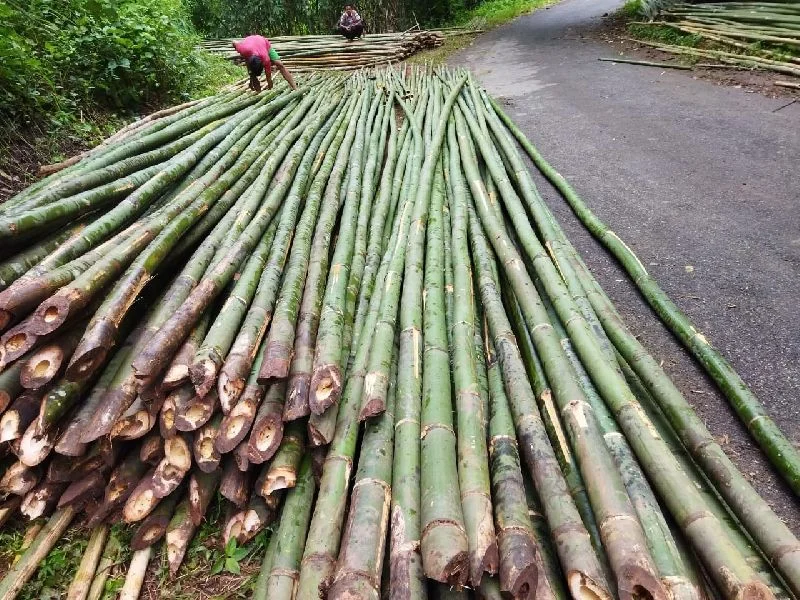
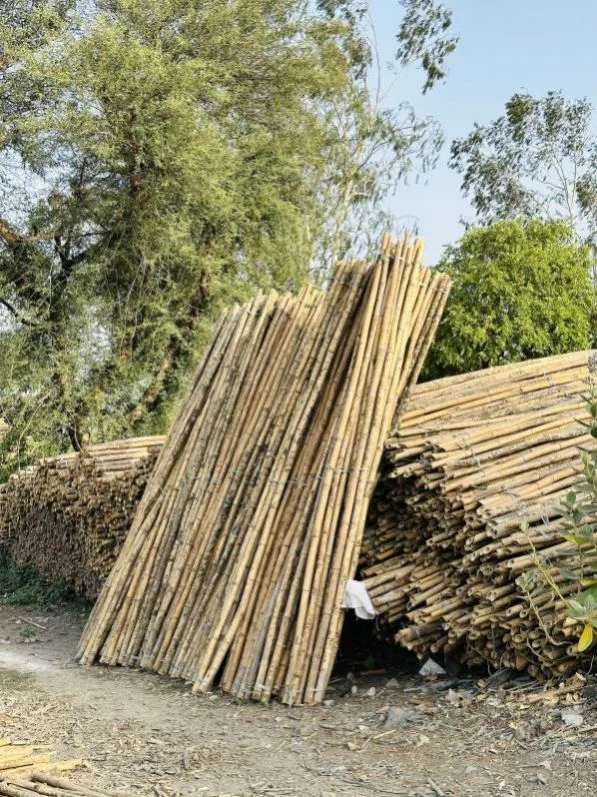
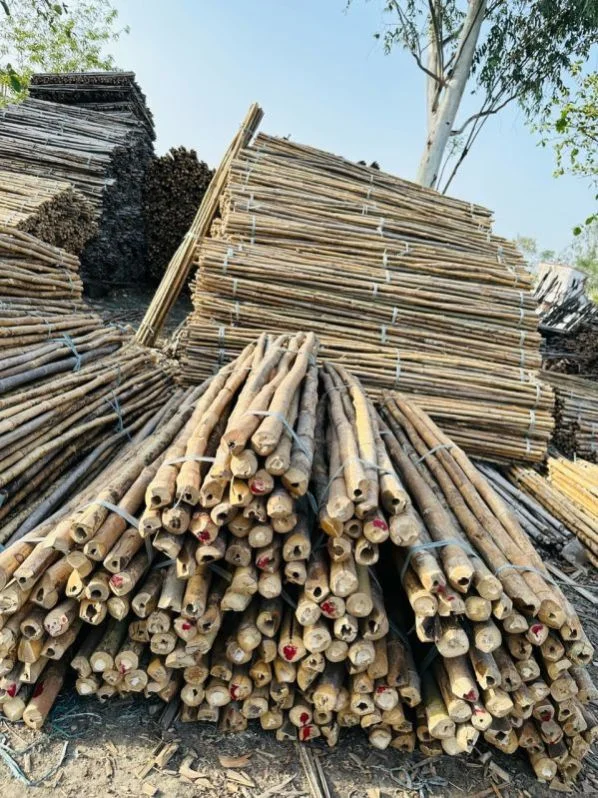
Indonesia is the source of Jimmy's catalogue, which currently lists six distinct bamboo‑based products. The supplier's active product count of six includes bamboo poles, bamboo furniture, bamboo wall or partition systems, handmade bamboo baskets with covers, bamboo plates and rice containers, and handmade bamboo boxes or containers. The bamboo furniture entry is classified under HS code 9403.60 and is described as made from Moso bamboo (Phyllostachys edulis) with laminated or woven construction. The remaining items are listed without specific HS codes but fall within the broader bamboo products category. Jimmy is positioned in the harbor trust tier, indicating a moderate level of verification on the platform.
The catalogue groups the items under three top categories: Bamboo Products, Bamboo Furniture, and Partitions. Within Bamboo Products, the range spans raw bamboo poles and assorted household items such as plates, containers, and woven baskets. The Partitions category covers wall or partition systems built from bamboo, suitable for interior division. All products are described using the material name Moso bamboo where specified, a species commonly used for its strength and durability. The supplier’s listing reflects a focus on handcrafted and laminated bamboo constructions.
Product Range and Specialties of Jimmy
Jimmy’s catalogue features six specific items: bamboo poles, a laminated/weaved Moso bamboo furniture set (HS 9403.60), bamboo wall or partition panels, handmade bamboo baskets with covers, bamboo plates and rice containers, and handmade bamboo boxes or containers. In the bamboo furniture segment, industry standards often reference moisture content below 12 % and treatment for termite resistance, with finishes meeting ISO 9001 for quality management when claimed.
For raw bamboo poles, buyers typically look for uniform diameter, length specifications (e.g., 2 m ± 0.1 m), and a grade such as “Class A” based on straightness and absence of cracks. Hand‑crafted items like baskets, plates, and containers are usually evaluated by weave density (e.g., 30 - 50 stitches per cm) and surface smoothness, while partition panels are assessed for load‑bearing capacity and fire‑retardant treatment, often complying with EN 13501‑1 classification when required.
Trade and Export Information - Jimmy
Indonesia is a major exporter of bamboo products, supplying markets in Europe, North America, and Southeast Asia. Buyers of bamboo furniture and building partitions typically import under HS chapter 94 for furniture and chapter 44 for raw bamboo, with HS 9403.60 covering wooden furniture of a kind used for indoor applications. Commonly required certifications include FSC (Forest Stewardship Council) chain‑of‑custody, ISO 14001 environmental management, and phytosanitary certificates to meet quarantine regulations.
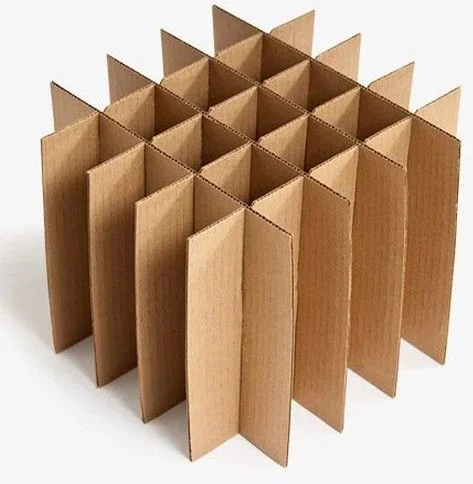
Logistics for these items generally involve 20‑ft or 40‑ft containers, with packaging that protects against moisture - often using sealed wooden crates or reinforced cardboard. Standard Incoterms such as FOB or CIF are used, and customs authorities may request a material safety data sheet for treated bamboo. Indonesian exporters often work with freight forwarders experienced in handling bulky, lightweight bamboo furniture to optimize space and reduce shipping costs.
Sourcing from Jimmy - Buyer Guidance
When sourcing from Jimmy, buyers should request detailed product specifications, including dimensions, moisture content, and treatment methods for each bamboo item. For the furniture piece, a test report confirming compliance with HS 9403.60 description and material composition (Moso bamboo, laminated/weaved) helps verify authenticity.
Buyers are advised to ask for FSC or ISO certification copies, as well as a phytosanitary certificate for raw poles and partition panels. Sample orders of the baskets, plates, or boxes can confirm weave quality and finish, while checking packaging integrity before confirming larger shipments. Verifying the supplier’s harbor trust tier status and reviewing any available third‑party inspection reports can further reduce risk.
Frequently Asked Questions About Jimmy
What bamboo products does Jimmy list?
Jimmy lists six items: bamboo poles, bamboo furniture made from laminated/weaved Moso bamboo (HS 9403.60), bamboo wall or partition panels, handmade bamboo baskets with covers, bamboo plates and rice containers, and handmade bamboo boxes or containers. Each product is presented under the broader categories of Bamboo Products, Bamboo Furniture, and Partitions.
Which HS code applies to Jimmy’s bamboo furniture?
The bamboo furniture is classified under HS code 9403.60, which covers wooden furniture of a kind used for indoor purposes. This code aligns with international customs classification for furniture made from natural materials such as bamboo.
What material is used for the furniture and how is it processed?
The furniture is made from Moso bamboo (Phyllostachys edulis), a species valued for its strength and straightness. It is processed by laminating or weaving the bamboo strips to create durable frames and surfaces.
What certifications should a buyer request for these bamboo items?
Buyers should request FSC chain‑of‑custody certification, ISO 9001 or ISO 14001 certificates, and a phytosanitary certificate for raw bamboo poles and partition panels. These documents verify sustainable sourcing, quality management, and compliance with import quarantine rules.
What are typical quality parameters for bamboo poles and partition panels?
Typical parameters include moisture content below 12 %, uniform diameter tolerance of ±5 mm, and a straightness grade “Class A”. For partition panels, fire‑retardant treatment meeting EN 13501‑1 classification is often required.
What is the usual minimum order quantity and lead time for the handmade baskets?
Minimum order quantities are commonly set at 100 pieces per basket design. Lead time usually ranges from 25 to 35 days after order confirmation, depending on production scheduling.
How are the products packaged for export?
Items are packed in sealed wooden crates or reinforced cardboard boxes with moisture‑absorbing liners to protect against humidity. The packed goods are then loaded into standard 20‑ft or 40‑ft containers for sea freight shipment.




 , Indonesia