Handmade heritage — Verified Manufacturer & Wholesale Supplier
About Handmade heritage - Furniture Supplier in India
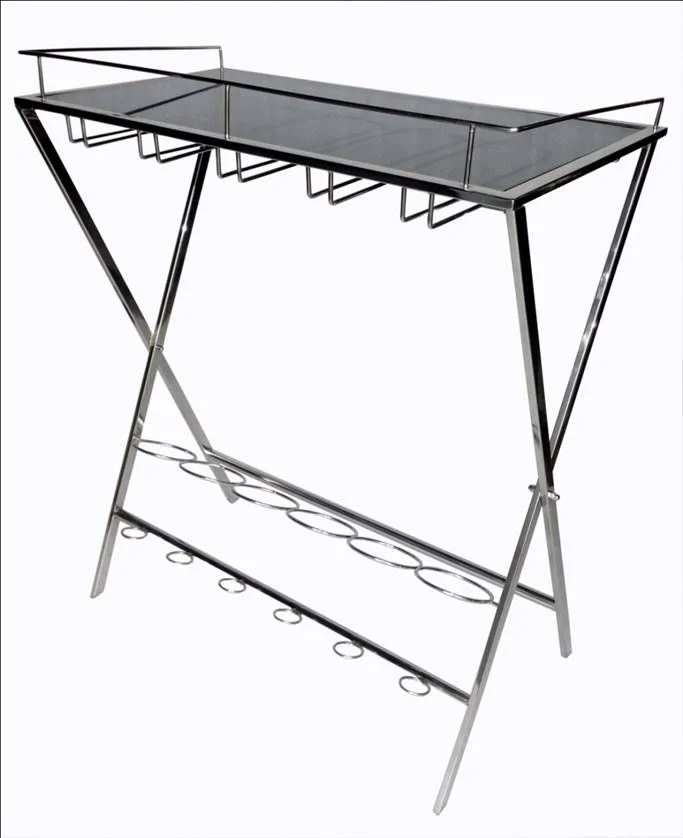
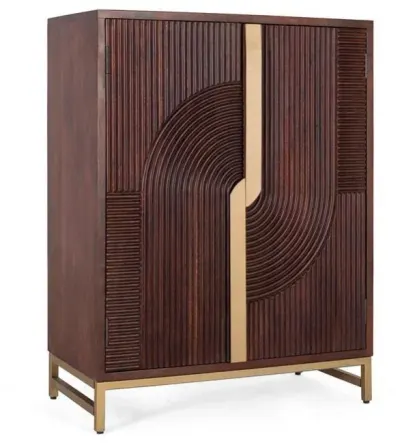
India, specifically the city of Udaipur in Rajasthan, is the base of Handmade heritage which lists 11 active products in its catalogue. The supplier’s inventory falls under the HS‑code families 9403.50 (wooden furniture) and 9403.60 (furniture of other materials such as bone‑inlay on metal or composite frames). The product titles include bedside tables, drawer units and bar cabinets that feature bone inlay on various wood species or metal frames, matching the top‑category list of drawer pedestals, file cabinets, tableware, drawer boxes, wooden office tables, office cabinets, bar glass holders and bar furniture.
Handmade heritage’s catalogue shows items such as the “Sikar bone‑inlay 2 Drawers” (HS 9403.60, Sheesham wood with camel bone), the “Jhunjunu Bone‑inlay bedside table” (HS 9403.50, mango or Sheesham wood with camel bone) and several bar cabinets built from mango wood, Sheesham wood or MDF with buffalo or camel bone inlay. Materials are identified per product, for example the “Alwar Bone inlay bedside table” uses a bone‑inlay on an aluminium frame, while the “Kanak Bone‑inlay bar cabinet” combines resin‑set bone fragments on a solid wood frame. Each entry references a specific HS code and material, providing a clear map of the product mix.
Product Range and Specialties of Handmade heritage
The supplier’s current list concentrates on handcrafted furniture pieces that integrate bone inlay with Indian hardwoods such as Sheesham (Indian Rosewood) and mango wood, as well as composite MDF bases. In the broader market, bone‑inlay furniture is typically graded by wood density (e.g., Sheesham with a minimum Janka hardness of 2,000 N) and by the quality of the inlay, which is often classified as full‑depth, resin‑bonded or hand‑carved. Buyers commonly request finishes measured in gloss units (e.g., 70 - 80 GU) and surface flatness within 0.5 mm over a 500 mm span. The bar cabinet segment frequently uses MDF with a density of 750 kg m⁻³ and a surface coating of polyurethane lacquer to meet durability standards for commercial settings.
Industry practice for bone‑inlay items includes verification of the bone source (usually cattle or buffalo) against CITES regulations, and compliance with FSC or PEFC for the wood component. Typical specifications also cover dimensions (e.g., cabinet height 900 mm, depth 450 mm) and weight limits (often 30 - 45 kg per unit) which influence packaging choices such as double‑wall cartons or wooden crates for sea freight.
Trade and Export Information - Handmade heritage
India is a major exporter of handcrafted wooden furniture, with the EU, United States and Middle‑East regions accounting for the largest import shares. HS 9403.50 items (solid wood furniture) are subject to phytosanitary certification to prevent pest transfer, while HS 9403.60 items (furniture with metal or bone components) may require additional material safety data sheets for the bone inlay. Export logistics usually involve 20‑ft or 40‑ft containers, packed in reinforced pallets and sealed with CBM calculations that average 0.12 m³ per bedside table and 0.25 m³ per bar cabinet.
Typical buyer requirements include CE marking for EU markets, compliance with the US Lacey Act for wood species, and verification of any animal‑derived material under CITES. Incoterms most often used are FOB Udaipur or CIF Dubai, with freight forwarders handling customs clearance under the relevant HS chapters. Indian exporters of bone‑inlay furniture also need to provide a commercial invoice, packing list, certificate of origin and, where requested, a test report for formaldehyde emissions (ISO 16630) for MDF‑based items.
Sourcing from Handmade heritage - Buyer Guidance
When sourcing from Handmade heritage, buyers should request a detailed material sheet that confirms the wood species, its origin and any FSC/PEFC certification, as well as a bone provenance statement to satisfy CITES checks. For MDF‑based bar cabinets, a formaldehyde emission test report (ISO 16630) is standard practice before shipment.
Buyers are advised to obtain product samples that demonstrate the finish gloss, inlay precision and structural stability. Verification of dimensions, weight and packaging integrity should be done against the supplier’s technical data sheet. Typical minimum order quantities range from 5 to 10 units per design, with lead times of 30 - 45 days after sample approval. Documentation such as phytosanitary certificates, CE declarations (for EU) and a certificate of origin should be confirmed prior to dispatch.
Frequently Asked Questions About Handmade heritage
What HS codes apply to the furniture items listed by Handmade heritage?
The bedside tables and drawer units are classified under HS 9403.50 (wooden furniture), while the bar cabinets with bone‑inlay on metal or composite frames fall under HS 9403.60.
Which wood species are used in the supplier’s products?
The catalogue specifies Sheesham (Indian Rosewood), mango wood and MDF as the primary wood materials, each commonly used in Indian handcrafted furniture.
What type of bone inlay is used and how is it sourced?
The items feature camel or buffalo bone inlay, often set in resin or mortar on the wood surface. Buyers should request a bone provenance statement to verify compliance with CITES regulations.
Are there standard certifications buyers should request for these products?
While the supplier does not list certifications, buyers typically ask for FSC/PEFC certification for the wood, phytosanitary certificates for export, and, for MDF items, a formaldehyde emission test (ISO 16630).
What are the typical packaging and shipping formats for these furniture pieces?
Products are usually crated in double‑wall cartons or wooden crates, with volume estimates of about 0.12 m³ per bedside table and 0.25 m³ per bar cabinet, allowing consolidation into 20‑ft or 40‑ft containers.
What is the usual lead time and minimum order quantity?
Lead times are generally 30 - 45 days after sample approval, and minimum order quantities range from 5 to 10 units per design, depending on the item.
How can a buyer request a sample or technical data sheet?
Buyers should contact the supplier directly to request a physical sample and a technical data sheet that includes dimensions, material specifications, finish gloss and weight.
Which global markets commonly import bone‑inlay furniture from India?
The European Union, United States and Middle‑East markets are the primary import destinations for Indian handcrafted bone‑inlay furniture, driven by demand for artisanal and heritage designs.




 Udaipur, India