Jilin Baili Biotechnology Co., Ltd. — Verified Supplier
About Jilin Baili Biotechnology Co., Ltd. - Agriculture Supplier in China
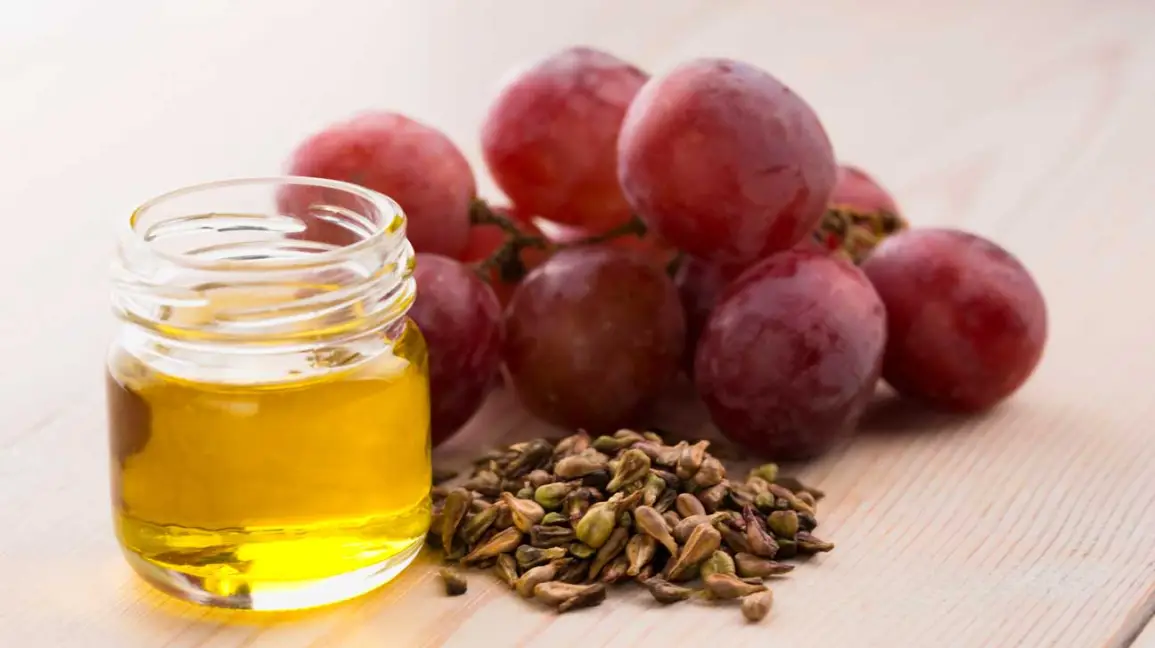
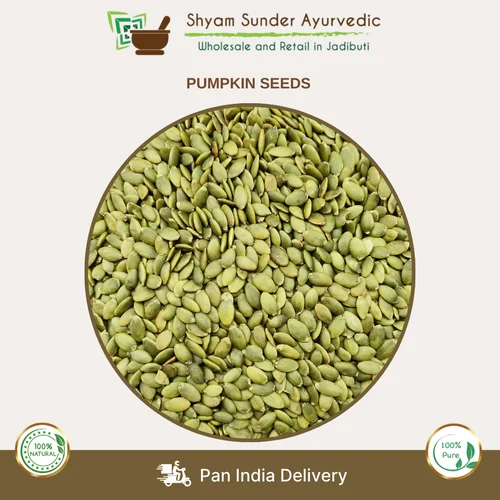
China is the base of Jilin Baili Biotechnology Co., Ltd., which currently lists six distinct seed oil products in its catalogue. The active product count of six includes flax seed oil, borage oil, pumpkin seed oil, evening primrose oil, Perilla seed oil and grape seed oil, all classified under the agriculture sector. Each oil falls within the vegetable‑oil customs category, commonly recorded under HS chapter 15 (e.g., HS 1510 for vegetable oils and fats). The catalogue does not specify processing level, allowing buyers to inquire about cold‑pressed or refined variants as needed.
The supplier’s catalogue focuses exclusively on edible and functional seed oils, a niche within agricultural commodities. These oils are typically used in nutraceutical formulations, cosmetic applications and food‑grade products. By offering a concise list of six oils, the company provides a clear product set that can be cross‑referenced with standard industry specifications such as acid value, peroxide value and fatty‑acid profile.
Product Range and Specialties of Jilin Baili Biotechnology Co., Ltd.
Jilin Baili Biotechnology Co., Ltd. offers six seed oils: flax seed oil, borage oil, pumpkin seed oil, evening primrose oil, Perilla seed oil and grape seed oil. In the global market these oils are often produced as cold‑pressed or refined, bleached and deodorised (RBD) grades. Typical quality parameters include free fatty acid (FFA) ≤ 0.5 % (mg KOH/g), peroxide value ≤ 10 meq O₂/kg, iodine value ranging from 100 - 150 g I₂/100 g for most seed oils, and a minimum phytosterol content of 1 % for nutraceutical use. Packaging formats frequently seen are 5 L PET bottles, 20 L metal drums and 25 kg IBC totes, enabling bulk shipment while maintaining product stability.
Industry buyers also look for specific fatty‑acid profiles: for example, flax seed oil is valued for its high α‑linolenic acid (≈55 %), while pumpkin seed oil is noted for its balanced linoleic and oleic acids. Perilla seed oil commonly contains 55 - 65 % α‑linolenic acid, and grape seed oil is rich in linoleic acid (≈70 %). These compositional details help match the oils to functional applications in food, cosmetics or dietary supplements.
Trade and Export Information - Jilin Baili Biotechnology Co., Ltd.
China is a major exporter of vegetable and seed oils, and Chinese exporters typically serve markets in the European Union, United States, Southeast Asia and the Middle East. Seed oils are classified under HS 1510 for customs clearance, and shipments are usually handled in 20‑ft or 40‑ft containers with bulk drums or IBCs. Buyers often require certifications such as ISO 9001, HACCP, Kosher, Halal or organic registrations, although the supplier’s specific certifications are not listed in the provided facts. Standard Incoterms used by Chinese oil exporters include FOB Shanghai or CIF destination ports, with quality inspection often performed by third‑party labs before loading.
Regulatory requirements commonly include a Certificate of Origin, a Phytosanitary Certificate when required by the destination country, and a detailed analysis report (e.g., GC‑MS, acid and peroxide values). Export documentation must align with the destination’s food‑safety regulations, such as the EU’s Food Contact Materials (FCM) rules or the US FDA’s food‑additive standards. Proper palletisation, moisture‑controlled containers and temperature‑controlled handling are typical to preserve oil quality during transit.
Sourcing from Jilin Baili Biotechnology Co., Ltd. - Buyer Guidance
When sourcing from Jilin Baili Biotechnology Co., Ltd., buyers should request a recent Certificate of Analysis that covers free fatty acid, peroxide value, iodine value and fatty‑acid composition for each oil. A third‑party lab test report confirming compliance with the buyer’s target specifications (e.g., cold‑pressed versus refined) is advisable before confirming the order. Verify the supplier’s ability to provide the required certifications - such as HACCP or organic certificates - by requesting copies of the relevant certificates or audit reports.
Typical minimum order quantities for bulk seed oils range from 500 kg to 1 ton, with lead times of 30‑45 days from order confirmation to shipment. Packaging should be confirmed (e.g., 5 L bottles for retail, 20 L drums for industrial use) and the buyer should specify the preferred Incoterm (FOB or CIF). Inspection at the port of loading, using a reputable inspection agency, helps ensure the shipment matches the agreed specifications and documentation.
Frequently Asked Questions About Jilin Baili Biotechnology Co., Ltd.
What types of seed oils does Jilin Baili Biotechnology Co., Ltd. list in its catalogue?
The catalogue includes flax seed oil, borage oil, pumpkin seed oil, evening primrose oil, Perilla seed oil and grape seed oil, totaling six distinct products.
Are the listed oils classified under a specific HS code for customs?
Seed oils from this supplier fall under the vegetable‑oil HS chapter 15, commonly recorded as HS 1510 for customs declarations.
What quality parameters should a buyer verify for these seed oils?
Buyers typically check free fatty acid (≤0.5 % m/m), peroxide value (≤10 meq O₂/kg), iodine value (100‑150 g I₂/100 g) and the detailed fatty‑acid profile provided in a Certificate of Analysis.
Which certifications are usually required for importing seed oils from China?
Importers often request ISO 9001, HACCP, Kosher, Halal or organic certifications, depending on the end‑use, and these should be confirmed with the supplier before purchase.
What packaging formats are common for bulk seed oil shipments?
Common bulk formats include 20 L metal drums, 25 kg IBC totes and 5 L PET bottles for smaller volumes, all of which can be loaded into 20‑ft or 40‑ft containers.
What is a typical minimum order quantity and lead time for these oils?
Minimum orders generally start at 500 kg, with a production and preparation lead time of about 30‑45 days before the goods are ready for export.
How should a buyer arrange inspection of the shipment?
Buyers should engage a third‑party inspection agency to verify product specifications, packaging integrity and documentation at the port of loading, using the agreed Incoterm (FOB or CIF).
What documentation is needed for customs clearance of seed oils?
Standard documents include a Commercial Invoice, Packing List, Certificate of Origin, Phytosanitary Certificate where required, and the Certificate of Analysis for each oil batch.




 , China