Jiangsu Xinguang Numerical Control Technology Co., Ltd — Verified Supplier
About Jiangsu Xinguang Numerical Control Technology Co., Ltd - Laser Equipments & Products Supplier in China
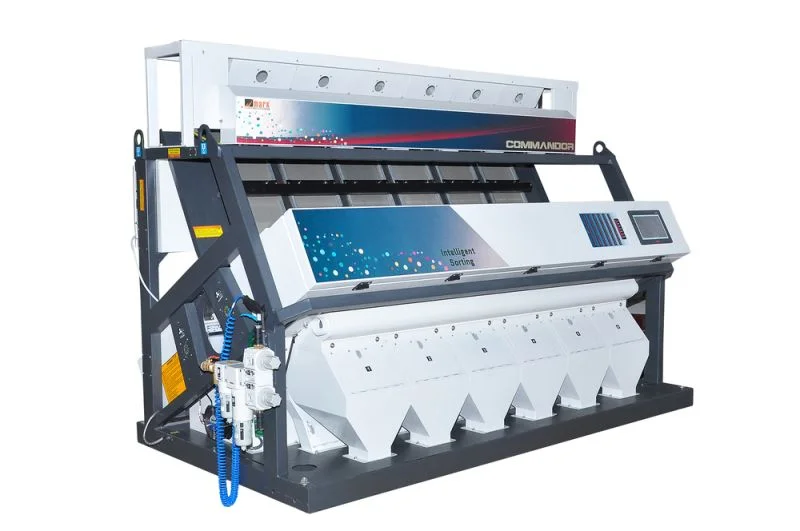
China‑based Jiangsu Xinguang Numerical Control Technology Co., Ltd lists 31 active products across laser marking equipment and industrial tapping machines. The catalogue groups items under the broad headings of Laser Equipments & Products and Industrial Machinery, reflecting a focus on precision marking solutions and thread‑forming tools. Each entry specifies a particular power rating or machine type, for example 20 W and 50 W fiber laser marking machines, 20 W to 60 W CO₂ laser marking units, and a series of pneumatic dot‑pin markers. The product set also includes a complete range of tapping machines covering thread sizes from M3 up to M36, indicating capability for both fine and coarse thread production.
The listed products encompass fiber laser marking machines (20 W, 30 W, 50 W) and CO₂ laser marking machines (20 W‑60 W), both in stationary and “flying” configurations for high‑speed production lines. Additional offerings are dot‑peen and pneumatic dot‑pin markers, which are commonly classified under HS chapter 9031 for laser apparatus and HS chapter 8467 for tapping tools. This breadth of equipment positions the supplier within the typical export segment for precision laser and machining hardware, where buyers often seek detailed power, wavelength and thread‑size specifications.
Product Range and Specialties of Jiangsu Xinguang Numerical Control Technology Co., Ltd
The catalogue provides a concrete set of laser marking solutions: fiber lasers at 20 W, 30 W and 50 W power levels, typically operating at 1064 nm wavelength with power stability of ±5 % and marking speeds up to 500 mm s⁻¹. CO₂ laser models range from 20 W to 60 W, emitting at 10.6 µm and suited for polymer and glass marking, often equipped with optional rotary attachments for cylindrical parts. Dot‑peen and pneumatic dot‑pin markers are listed without power ratings but are generally specified by impact energy (0.5‑2 J) and tip hardness, matching industry standards for permanent surface marking. The tapping machines cover thread sizes M3‑M36 with typical torque capacities from 5 Nm to 150 Nm, conforming to ISO 2905 thread‑forming tolerances. Buyers normally compare these specifications against ISO 9001‑based quality systems and CE safety requirements for industrial equipment.
Industry practice for laser marking equipment includes grades such as Class 4 laser safety classification, CE conformity, and RoHS compliance for electronic components. Fiber lasers are often supplied with a certified power output certificate and a wavelength verification report, while CO₂ lasers may require a CO₂‑laser safety interlock test. Tapping machines are routinely tested for thread accuracy (±0.1 mm) and surface finish, and they may carry ISO 2768 general tolerance markings. These standards help buyers align supplier offerings with downstream manufacturing requirements in automotive, electronics and medical device sectors.
Trade and Export Information - Jiangsu Xinguang Numerical Control Technology Co., Ltd
China remains a leading exporter of laser marking systems, with major import destinations in Europe (Germany, Italy), North America (USA, Canada) and Southeast Asia (Vietnam, Thailand). HS code 9031.80 generally covers laser apparatus, while HS code 8467.29 applies to tapping machines, both of which attract routine customs inspections for CE marking and safety compliance. Buyers typically request test reports for laser output power, beam quality (M² value) and safety interlock functionality, as well as ISO 9001 certification for the manufacturing process. Shipping is commonly arranged FOB Shanghai or Ningbo, using 20‑foot containers that can accommodate 8‑10 large laser units or 15‑20 tapping machines, with wooden crates and moisture‑resistant padding to protect optical components during transit.
The Chinese export environment for precision machinery emphasizes pre‑shipment inspection by third‑party agencies such as SGS or Bureau Veritas. Certifications that are frequently demanded include CE, FCC (for electronic control units) and RoHS, especially for markets with strict environmental directives. Packaging standards often involve anti‑static bags for laser heads, steel‑framed pallets, and clear labeling of hazardous laser classifications. Importers should verify that the supplier can provide the required certificates and that the packaging meets the destination country’s regulations for laser safety equipment.
Sourcing from Jiangsu Xinguang Numerical Control Technology Co., Ltd - Buyer Guidance
When sourcing fiber or CO₂ laser marking machines, request a CE test report, a laser power calibration certificate, and a safety interlock compliance statement. Verify the wavelength (1064 nm for fiber, 10.6 µm for CO₂) and confirm that the machine’s power rating matches the listed specification, as deviations are common verification points. For dot‑peen and pneumatic markers, ask for impact energy data, tip material composition and a RoHS compliance declaration.
For tapping machines, request ISO 9001 quality system documentation, thread tolerance certificates (ISO 2905) and a torque curve test report. Confirm the thread size range (M3‑M36) and verify that the machine’s spindle speed and feed rates meet your production requirements. It is prudent to obtain a sample marking or a test thread on a trial piece before committing to a full order, to ensure compatibility with your material and tolerance expectations.
Buyers should also clarify packaging details: laser heads should be shipped in anti‑static foam, with the main unit on a reinforced pallet, and tapping machines wrapped to prevent corrosion. Ask the supplier to state the standard lead time (typically 30‑45 days after order confirmation) and the Incoterm they prefer, commonly FOB Shanghai. Request a copy of the supplier’s inspection report from a recognized third‑party agency to validate conformity before shipment.
Frequently Asked Questions About Jiangsu Xinguang Numerical Control Technology Co., Ltd
What types of laser marking machines are listed in the catalogue?
The catalogue includes stationary and flying fiber laser marking machines at 20 W, 30 W and 50 W, as well as CO₂ laser marking machines ranging from 20 W to 60 W, each designed for metal or plastic substrates.
Are the laser machines compatible with metal marking?
Fiber laser models (20 W‑50 W) are specified for metal marking and typically operate at 1064 nm, which provides high absorption on steel and aluminum surfaces.
What safety certifications should I request for the laser equipment?
Buyers usually request CE conformity, a laser safety classification (Class 4), and a RoHS declaration for the electronic control units.
What thread sizes are covered by the tapping machines?
The tapping machines cover metric threads from M3 up to M36, with standard torque capacities ranging from 5 Nm to 150 Nm.
Which documents confirm the quality management system of the supplier?
An ISO 9001 certificate and a recent third‑party inspection report (e.g., SGS) are the typical documents used to verify the supplier’s quality system.
What is the typical packaging for a fiber laser marking machine?
Fiber laser units are usually packed in anti‑static foam, placed on a steel‑framed pallet, and secured with shrink‑wrap to protect optical components during sea freight.
What are common lead times and shipping terms for these products?
Lead times are generally 30‑45 days after order confirmation, and the supplier commonly offers FOB Shanghai as the preferred Incoterm.
How can I test the performance of a tapping machine before full purchase?
Request a sample thread on a trial piece and a torque curve test report; these verify the machine’s accuracy against ISO 2905 tolerances.




 , China