Shenzhen Nanyue Panlong Technology Co., Ltd. — Verified Supplier
About Shenzhen Nanyue Panlong Technology Co., Ltd. - Industrial Machinery Supplier in China
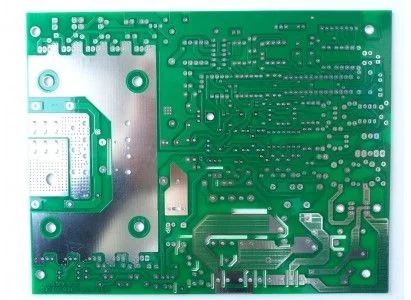
Shenzhen, China hosts Shenzhen Nanyue Panlong Technology Co., Ltd., which lists twelve active products in its online catalogue. The supplier’s portfolio is concentrated on industrial and medium‑scale machinery, with a focus on equipment used in printed circuit board (PCB) assembly and offset printing processes. Product titles include semi‑automatic SMT printing machines, small wave soldering units, hot‑air reflow ovens, and automatic conveyor belts designed for PCB handling. These items fall under HS Chapter 84 (machinery and mechanical appliances) and Chapter 85 (electrical machinery) which are the typical tariff headings for such equipment. The catalogue does not provide individual HS codes, but the product families align with standard classifications for surface‑mount technology (SMT) and conveyor system machinery.
The listed top categories - Industrial Machinery, Offset Printing Machinery & Equipment, PCB, Conveyor Systems & Parts, Welding & Wire Mesh Machinery, Light & Medium Machinery - reflect a breadth of manufacturing support equipment. Within the PCB segment, the machines are intended for surface‑mount component placement, reflow soldering, and wave soldering, processes governed by IPC standards such as IPC‑A‑610 for acceptability. The conveyor belt offerings are typical of material‑handling solutions classified under HS 8429, often required to meet ISO 9001 quality‑management criteria. Welding and wire‑mesh machinery, though not detailed in the product list, generally correspond to HS 8429.91 and may be subject to CE marking for European markets. Buyers can expect the supplier’s product range to be compatible with standard factory floor layouts, supporting typical power ratings of 380 V three‑phase and control interfaces based on PLC or HMI panels.
Product Range and Specialties of Shenzhen Nanyue Panlong Technology Co., Ltd.
The catalogue features the “Gus” series of semi‑automatic SMT printing machines, which are designed for low‑ to medium‑volume PCB assembly lines. Typical specifications for this class include placement accuracy of ±0.05 mm, a component feed rate of up to 30 pcs / min, and a working envelope of approximately 200 mm × 200 mm. Industry practice also expects compliance with IPC‑2221 (generic standard for PCB design) and IEC 60950‑1 for safety of electronic equipment. The hot‑air reflow and small wave soldering machines are generally equipped with temperature controllers ranging from 150 °C to 260 °C, with uniformity tolerances within ±2 °C, matching the requirements of IPC‑J‑STD‑033 for solderability.
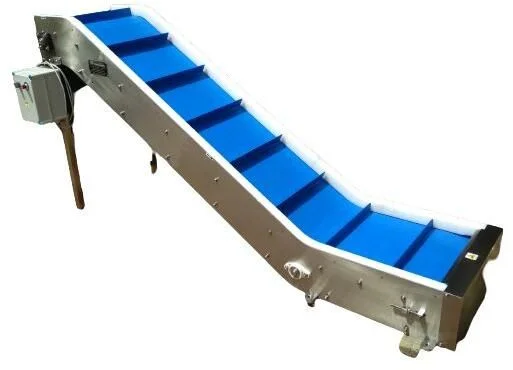
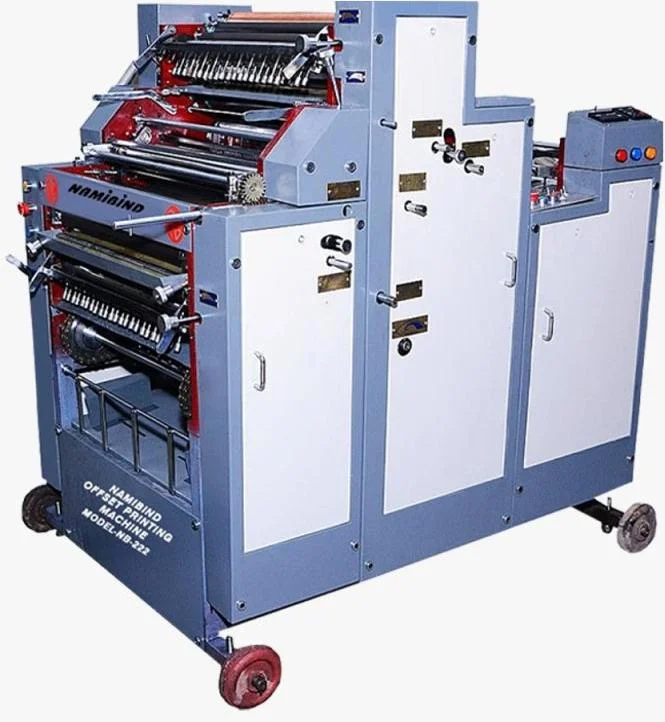
The automatic conveyor belts listed under “Smt / Dip PCB Automatic Conveyor Belt” are typical of continuous‑loop belts made from PVC or polyurethane, with belt widths from 300 mm to 600 mm and load capacities of 200 kg per meter. In the offset printing machinery segment, semi‑automatic printing machines are commonly built with plate‑to‑blanket registration accuracy of 0.1 mm and support standard CMYK ink sets. Buyers in the printing sector usually request documentation such as CE Declaration of Conformity and ISO 12647‑2 colour‑management compliance. While the supplier’s catalogue does not specify certifications, these product types generally benefit from ISO 9001 quality‑management certification and, for electrical components, UL listing.
Trade and Export Information - Shenzhen Nanyue Panlong Technology Co., Ltd.
China is a major exporter of industrial and electronic manufacturing equipment, and machines of the type listed by Shenzhen Nanyue Panlong Technology Co., Ltd. are routinely shipped to buyers in Southeast Asia, Europe, and North America. The primary HS code families involved are 84.71 (machinery for soldering, brazing, welding, etc.) and 84.79 (other machinery for working of metal or other materials), together with 85.45 (printing machinery) for offset printers. Typical export documentation includes a commercial invoice, packing list, certificate of origin, and, where required, CE or UL certificates to satisfy destination market regulations. Freight is commonly arranged in 20‑ft or 40‑ft containers, with machines packed on wooden pallets and protected by shrink‑wrap or steel frames to meet ISPM 15 phytosanitary standards.
Importers frequently request pre‑shipment inspection reports such as SGS or BVQI to verify compliance with IEC and IPC standards before cargo release. For PCB assembly equipment, buyers often seek verification that the machines meet IEC 61340‑5‑1 for electrostatic discharge (ESD) control. Chinese exporters generally work with freight forwarders experienced in handling oversized or heavy machinery, employing LCL consolidation when container space is limited. Payment terms commonly involve a letter of credit (L/C) at sight, with inspection and documentation milestones defined in the sales contract.
Sourcing from Shenzhen Nanyue Panlong Technology Co., Ltd. - Buyer Guidance
Prospective buyers should request detailed specification sheets that list placement accuracy, throughput, power consumption, and control interface for each SMT printing or reflow machine. Compliance documents to request include IEC safety certificates, IPC conformity reports, and, if the buyer’s market requires it, CE Declaration of Conformity or UL listing. A functional sample or on‑site demonstration is advisable for conveyor belt systems to verify belt tension, speed control, and load capacity before final purchase. Verify that the supplier can provide after‑sales service agreements, spare‑part catalogs, and warranty terms typically ranging from 12 to 24 months for industrial machinery. Finally, confirm the packaging details - such as double‑wooden crates, moisture‑proof liners, and cargo insurance coverage - to ensure safe transport to the destination port.
Frequently Asked Questions About Shenzhen Nanyue Panlong Technology Co., Ltd.
What categories of machinery does Shenzhen Nanyue Panlong Technology Co., Ltd. list in its catalogue?
The supplier lists semi‑automatic SMT printing machines, small wave soldering units, hot‑air reflow ovens, and automatic PCB conveyor belts. All of these fall under the industrial and electronic equipment categories.
Which industry standards are typically applied to the SMT printing and soldering equipment offered?
Buyers usually expect compliance with IPC standards such as IPC‑A‑610 for acceptability and IPC‑J‑STD‑033 for solderability. Additional safety compliance often includes IEC 60950‑1 and, where required, CE or UL certification.
What are the common technical specifications for the “Gus” semi‑automatic SMT printing machines?
The “Gus” semi‑automatic SMT printing machines typically provide placement accuracy of ±0.05 mm and a component feed rate up to 30 pcs / min. Their work envelope is about 200 mm × 200 mm and they operate on a 380 V three‑phase power supply.
How are the conveyor belts for PCB handling typically constructed and rated?
The conveyor belts are usually constructed from PVC or polyurethane, offered in widths of 300‑600 mm. They support load capacities around 200 kg per meter and are manufactured to ISO 9001 quality‑management standards.
Which HS code chapters cover the products in this supplier’s catalogue?
The equipment aligns with HS Chapter 84, which covers machinery and mechanical appliances, for soldering and conveyor systems. Offset printing machines fall under HS Chapter 85, which includes electrical machinery.
What documentation should a buyer request before placing an order?
Buyers should request a full specification sheet, IEC or IPC compliance test reports, and a certificate of origin. Additional documents may include CE, UL, or ISO 9001 certificates depending on the destination market.
What are typical lead times and packaging methods for these machines?
Typical lead times range from four to eight weeks after order confirmation. Machines are shipped on wooden pallets with shrink‑wrap or steel framing, meeting ISPM 15 requirements for wooden packaging.




 , China