Agriculture›
 Apparel and fashion accessories›
 Construction & real estate›💡Electronic & Electrical›🍎Food & Beverages›🛋️Home furnishing & supplies›⚗️Industrial goods & chemical›🪨Minerals & metals›📦Miscellaneous›Agriculture›Apparel and fashion accessories›Construction & real estate›💡Electronic & Electrical›🍎Food & Beverages›🛋️Home furnishing & supplies›⚗️Industrial goods & chemical›🪨Minerals & metals›📦Miscellaneous›
Jay Laxmi Poly Plast Product Catalog




About Jay Laxmi Poly Plast - Fertilizers Supplier in India
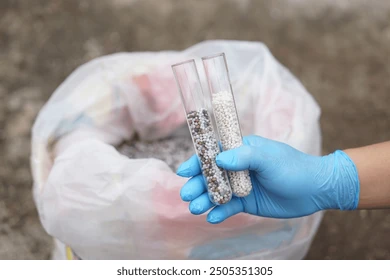
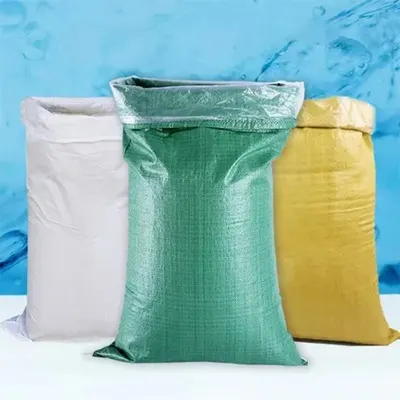
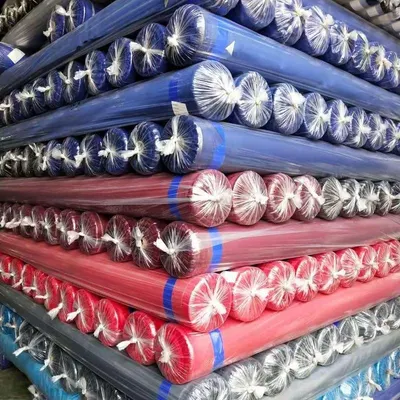
India hosts the supplier Jay Laxmi Poly Plast, which lists seven active products across categories that include Fertilizers, Cement, Pulses, Industrial Bags, Fabric and Raw Material, Tarpaulin and Accessories, and general Agriculture. The catalogue shows a Fertilizers Bag, Cement Bags (recorded under HS code 6305.33 and made from Multi‑Wall Kraft Paper with PP woven fabric), Foodgrains Woven Bags / Pulses sack, Sand Bag / Woven sack, Slit Fence Fabric composed of Polypropylene woven fabric, a PE Tarpaulin, and an HDPE Lami/Unlami Fabric.
The product set spans several HS‑code families: the cement bag is explicitly classified under 6305.33, while the other bag and fabric items fall under typical HS headings such as 6302 (sacks and bags of non‑woven materials) and 6305 (made‑up articles of textile materials). Materials mentioned include multi‑wall kraft paper, polypropylene, polyethylene and HDPE, indicating a focus on both moisture‑resistant and durable polymer fabrics suitable for bulk handling and outdoor use.
Product Range and Specialties of Jay Laxmi Poly Plast
Jay Laxmi Poly Plast’s catalogue covers seven distinct items: a standard Fertilizers Bag, a cement bag built from multi‑wall kraft paper with a PP woven overlay, woven sacks for food grains and pulses, a woven sand bag, a slit‑fence polypropylene fabric, a polyethylene tarpaulin, and a laminated or unlaminated HDPE fabric. In the industry, fertilizer bags are often produced from 70‑100 gsm woven polypropylene with a moisture‑proof inner layer, while cement bags typically use 100‑120 gsm multi‑wall kraft paper reinforced with a PP coating to meet a 5 - 10 kg load‑bearing requirement. Food‑grain sacks are usually 25 kg capacity woven polypropylene fabrics meeting FDA or EU food‑contact standards, and sand bags employ similar woven polypropylene but with higher tensile strength (≈ 300 MPa) for abrasive loads. Slit‑fence fabrics are commonly 180 - 250 gsm polypropylene, UV‑stabilised for outdoor use; PE tarpaulins are supplied in 0.2 - 0.4 mm thickness with UV additives; HDPE laminates range from 0.3 - 0.6 mm and are used for heavy‑duty covers and industrial liners.
These specifications align with typical grade references such as ISO 9001‑based quality control, ISO 14001 environmental management, and, where food contact is involved, compliance with FDA 21 CFR 174‑179 or EU Regulation 1935/2004.
Frequently Asked Questions About Jay Laxmi Poly Plast
What types of bags and fabrics does Jay Laxmi Poly Plast manufacture?
The supplier lists Fertilizers Bags, Cement Bags (multi‑wall kraft paper with PP woven fabric), woven sacks for food grains and pulses, woven sand bags, a polypropylene slit‑fence fabric, a polyethylene tarpaulin and both laminated and unlaminated HDPE fabrics.
Which HS code is assigned to the cement bags?
The cement bags are recorded under HS code 6305.33, which belongs to the chapter covering made‑up articles of textile materials.
Are the polypropylene woven fabrics suitable for food‑grain packaging?
Polypropylene woven fabrics are commonly used for food‑grain sacks when they meet food‑contact regulations such as FDA 21 CFR 174‑179 or EU Regulation 1935/2004, and they provide the tensile strength and moisture barrier required for bulk grain handling.
What certifications should a buyer request for the PE tarpaulin?
Buyers should request ISO 9001 quality certification and, where the tarpaulin is intended for outdoor or construction use, a CE marking or equivalent safety certification. UV‑stabilisation data sheets are also useful.
What is the typical minimum order quantity for the fertilizer bags?
Typical minimum order quantities for the fertilizer bags are around 5 000 pieces per production run, though exact figures depend on the bag size and material specification.
 India
Related Suppliers & Products
Explore similar suppliers, related products and trending categories