Jaguar Steel & Coal Pte. Ltd. — Supplier
About Jaguar Steel & Coal Pte. Ltd. - Plastic Scrap Supplier in India
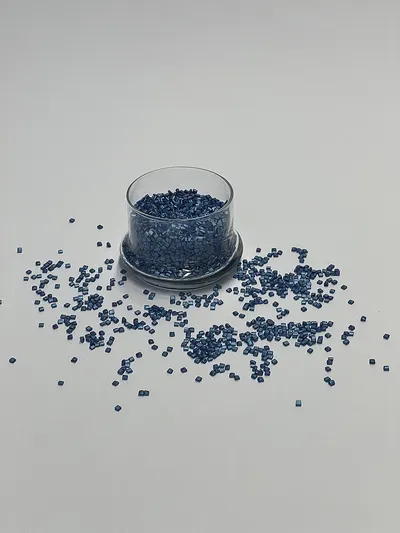
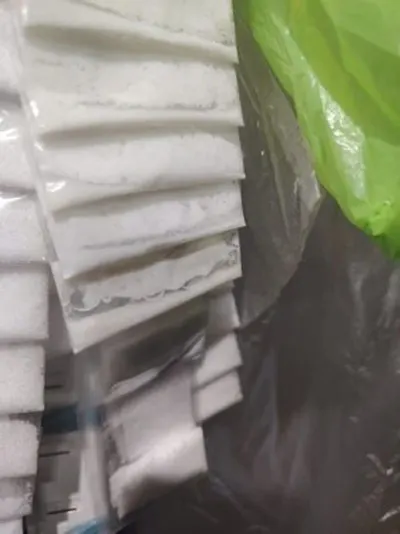
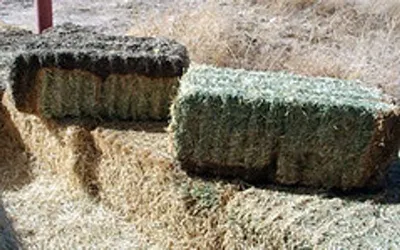
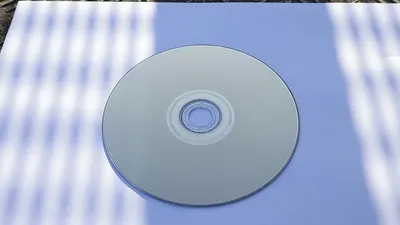
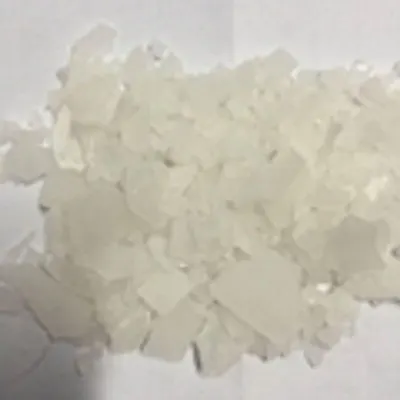
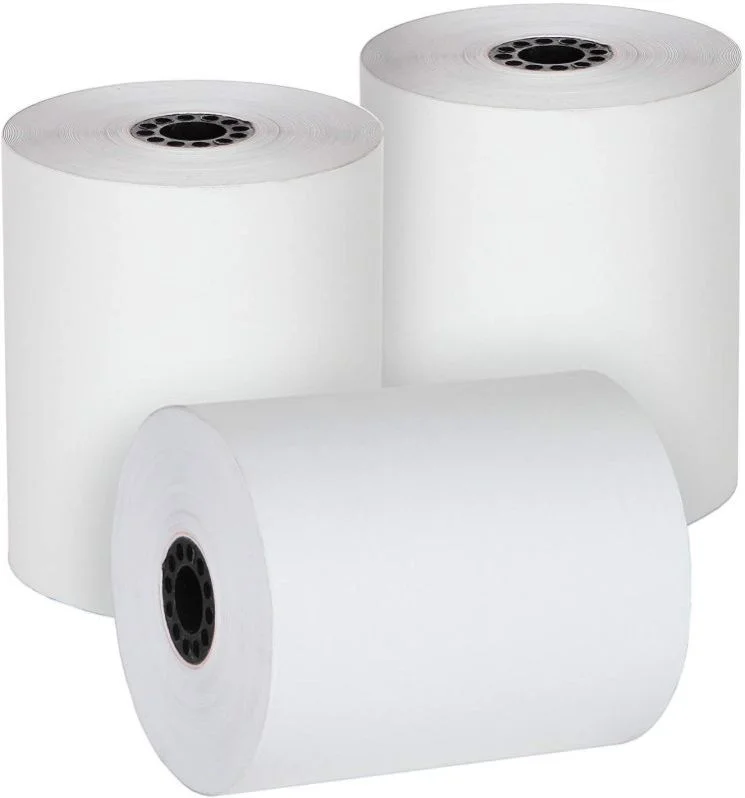
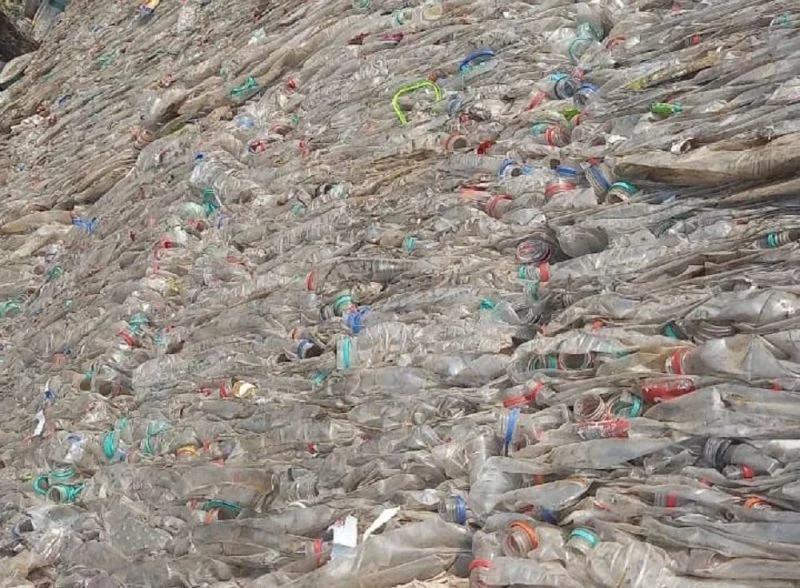
India hosts Jaguar Steel & Coal Pte. Ltd., which currently lists seven distinct plastic scrap products in its catalogue. The offerings include PPSS Bales, PC CD\/DVD Metalized, LDPE Purge, LDPE Clear Bales, PET Natural Purge, PET Green Strapping, and HMW Blue Drum Regrind. Each entry is classified under the broader plastic scrap category and falls within the HS chapter 39 family that governs polymer waste. The supplier’s catalogue does not provide HS codes at the line‑item level, but the products correspond to common polymer types such as polypropylene, polycarbonate, low‑density polyethylene, polyethylene terephthalate, and high‑molecular‑weight resins. The range reflects typical waste streams generated by packaging, media, and industrial processes.
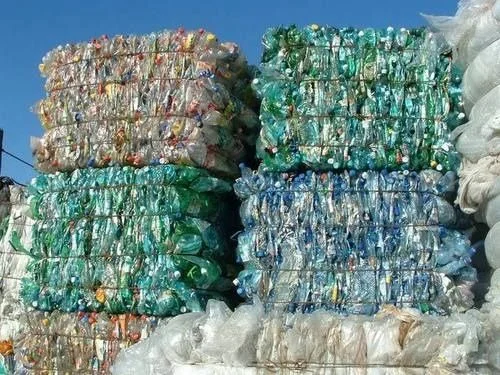
The seven products represent the main material streams used by downstream recyclers to produce virgin‑grade polymers. PPSS bales usually consist of mixed polypropylene with a melt flow index (MFI) range of 2 - 12 g/10 min, while LDPE clear bales target a density of 0.92 - 0.94 g/cm³ and a contamination limit below 0.5 %. PET purge material is often graded by intrinsic viscosity (IV) between 0.55 - 0.70 dl/g, and PET green strapping is supplied in coloured form with UV‑stabilised additives. HMW blue drum regrind typically contains high‑molecular‑weight polyethylene with a tensile strength above 20 MPa. These specifications align with the standard grades referenced in international plastic recycling specifications such as the Plastics Recyclers Europe (PRE) guidelines.
Product Range and Specialties of Jaguar Steel & Coal Pte. Ltd.
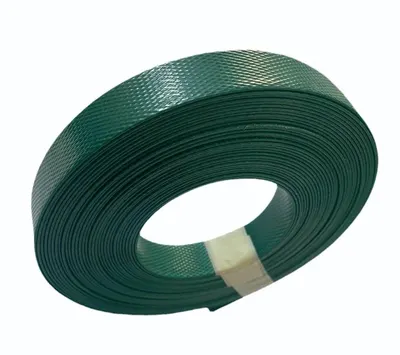
The catalogue lists seven plastic waste streams: PPSS Bales (polypropylene scrap), PC CD\/DVD Metalized (polycarbonate with metalised coating), LDPE Purge (low‑density polyethylene from extrusion purge), LDPE Clear Bales, PET Natural Purge (uncoloured PET), PET Green Strapping, and HMW Blue Drum Regrind (high‑molecular‑weight polyethylene from drums). In the recycling industry, PPSS is commonly graded into grades 1 (high purity) to 3 (mixed), with typical MFI values of 2 - 12 g/10 min. PC CD\/DVD scrap is often evaluated for metal content, which should not exceed 0.2 % by weight, and for optical clarity if destined for re‑manufacturing of optical discs.
LDPE purge and clear bales are usually supplied in 1 ton bales with moisture below 0.2 % and colour consistency measured by ASTM D1929. PET purge material is quantified by intrinsic viscosity and colour (natural or green), with green strapping frequently used for packaging reinforcement and requiring UV‑resistance. High‑molecular‑weight drum regrind is characterised by a melt flow index below 1 g/10 min and a tensile strength above 20 MPa, making it suitable for pipe extrusion. These grades correspond to the specifications demanded by major plastic processors in Europe and Asia.
Trade and Export Information - Jaguar Steel & Coal Pte. Ltd.
India is a leading exporter of plastic scrap, supplying material to markets in Southeast Asia, the European Union, and the United States. Export shipments typically use 20‑ft or 40‑ft containers, with a 20‑ft container accommodating up to 22 tons of bales and a 40‑ft container up to 44 tons, depending on packaging density. Buyers usually request compliance with ISO 9001 quality management, ISO 14001 environmental management, and REACH registration for any additives present in the waste stream. Additional certifications such as SGS test reports, material safety data sheets (MSDS), and third‑party contamination analyses are standard for HS chapter 39 exports.
Customs authorities in importing countries often inspect plastic waste for prohibited contaminants and verify that the declared HS code matches the material composition. Indian exporters commonly employ FOB or CIF Incoterms, with freight handling adjusted for the bulk nature of bales and drum regrind. The regulatory environment encourages traceability, so documentation of the waste origin, processing method, and any de‑contamination steps is routinely required.
Sourcing from Jaguar Steel & Coal Pte. Ltd. - Buyer Guidance
Prospective buyers should request a detailed material test report that includes polymer type, melt flow index, density, intrinsic viscosity, colour specification, and contamination limits. Verification of REACH compliance and any relevant ISO certifications helps ensure that the scrap can be legally re‑introduced into the manufacturing chain in the buyer’s jurisdiction. Samples of each plastic stream, preferably a 10 kg portion, allow the buyer to run their own lab analysis before committing to larger volumes.
Before placing an order, confirm the packaging format (bale dimensions, drum size) and the loading plan for container space, as these affect freight costs and handling. Request the supplier’s export documentation checklist, which should list the commercial invoice, packing list, certificate of origin, and any required phytosanitary or waste‑export permits. Align the supplier’s lead time with your production schedule; typical lead times for plastic scrap from India range from 2 to 4 weeks after order confirmation.
Frequently Asked Questions About Jaguar Steel & Coal Pte. Ltd.
What plastic types are covered in Jaguar Steel & Coal’s catalogue?
The catalogue includes polypropylene (PPSS) bales, polycarbonate CD\/DVD metalised scrap, low‑density polyethylene purge and clear bales, PET natural purge, PET green strapping, and high‑molecular‑weight blue drum regrind. These streams are classified under the plastic scrap category and are exported under HS chapter 39.
Which HS chapter applies to these products?
All listed items fall under HS chapter 39, which governs polymer waste and scrap plastics. The specific HS codes depend on the polymer type, e.g., 3903 for polypropylene and 3901 for polyethylene.
What typical specifications should buyers verify for PPSS bales?
Buyers usually check the melt flow index (2 - 12 g/10 min), polymer purity (grade 1 - 3), and contamination level (≤0.5 % ash). The supplier’s test report should also include colour and density measurements to match buyer specifications.
How is PET purge material typically graded?
PET purge is graded by intrinsic viscosity (0.55 - 0.70 dl/g) and colour (natural or green), with moisture content below 0.2 % and total contaminants under 1 %. These parameters determine suitability for PET bottle regeneration or fibre production.
What certifications are commonly required for importing plastic scrap from India?
Importers often require ISO 9001, ISO 14001, REACH compliance, SGS test reports, and a material safety data sheet for each plastic stream. A certificate of origin and waste‑export permit may also be required by the importing country.
What packaging formats are used for the listed products?
Products are supplied in 1‑ton bales for PPSS, LDPE, and PET streams, while drum regrind is delivered in 200‑kg blue drums; all are palletised for container loading. Bales are wrapped in stretch film and secured with straps to prevent moisture ingress during transit.
What Incoterms are typically used for shipments?
Exporters from India commonly offer FOB (port of loading) or CIF (destination port) terms, with freight calculated on a per‑container basis. Buyers should confirm the chosen Incoterm in the purchase contract to align responsibilities.




 , India