Agriculture›
 Apparel and fashion accessories›
 Construction & real estate›💡Electronic & Electrical›🍎Food & Beverages›🛋️Home furnishing & supplies›⚗️Industrial goods & chemical›🪨Minerals & metals›📦Miscellaneous›Agriculture›Apparel and fashion accessories›Construction & real estate›💡Electronic & Electrical›🍎Food & Beverages›🛋️Home furnishing & supplies›⚗️Industrial goods & chemical›🪨Minerals & metals›📦Miscellaneous›
Ivory Phar Recycling
⚓ Harbor , PortugalEst. 2004-01-01New supplier / no reviews yet
Ivory Phar Recycling Product Catalog
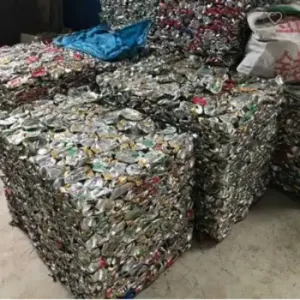
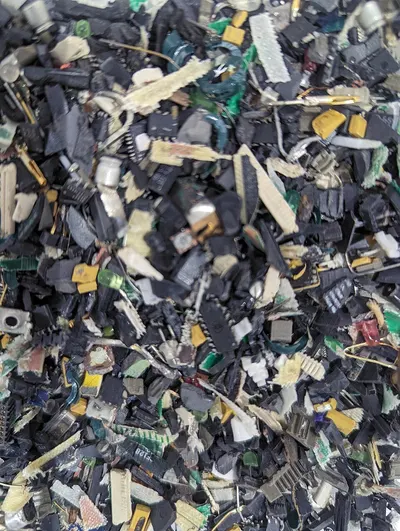
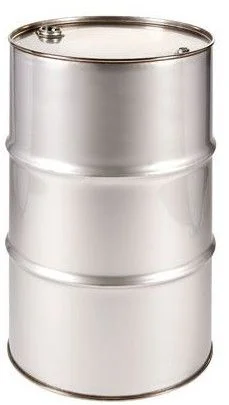
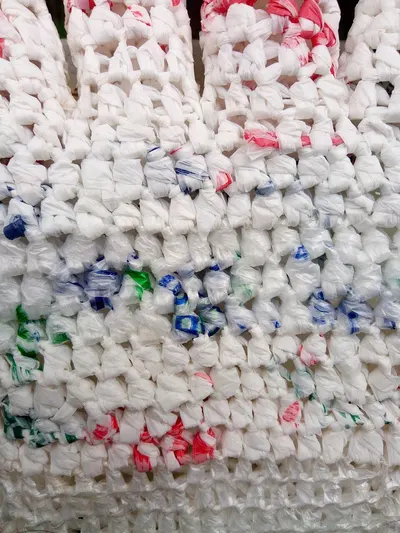
About Ivory Phar Recycling - Recycled Plastic and Paper Supplier in Portugal
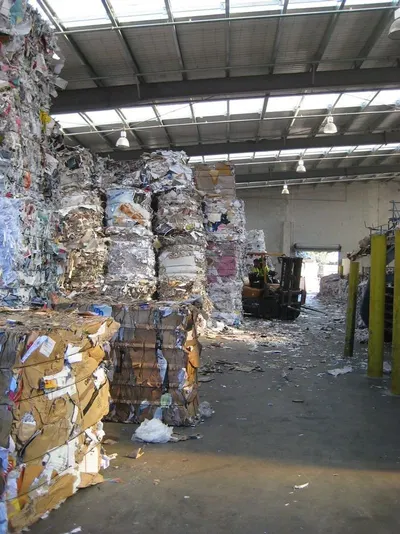
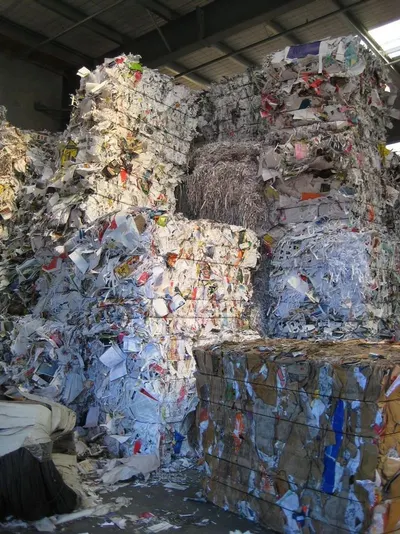
Ivory Phar Recycling is based in Lisbon, Portugal and lists seven active recycled material products. The catalogue includes LDPE (Low Density Polyethylene) roll scrap, PET bottle bales, HDPE milk‑bottle scrap, HDPE drum scrap, polyurethane (PU) foam scrap, OCC paper scrap and PMMA acrylic off‑cuts, each recorded under HS codes 3915.10, 3926.90 or 3915.90. The listed products span the plastic waste, other plastic waste and paper waste HS chapters, reflecting a focus on post‑consumer polymer and paper streams. The supplier’s profile notes operation across 85 countries, indicating a broad export footprint for these recycled commodities.
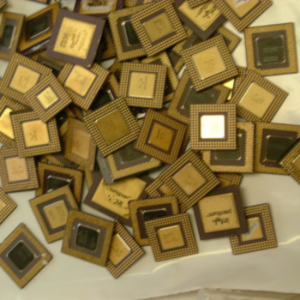
In addition to the seven catalogue items, the supplier’s top categories reference PCB scrap, ship and marine scrap, various plastic and rubber scraps, and printer scrap, suggesting a wider waste handling capability. As an imported‑tier supplier with a harbor trust tier, Ivory Phar Recycling positions itself within the EU recycling market, where compliance with EU waste directives and trade regulations is standard. The company’s activity is limited to the products and categories explicitly listed, without additional claims about capacity or certifications.
Product Range and Specialties of Ivory Phar Recycling
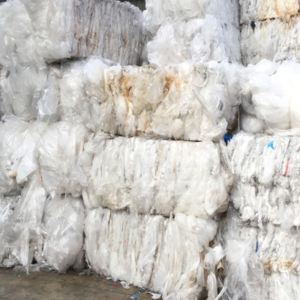
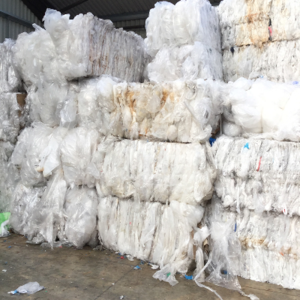
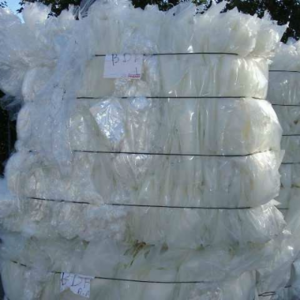
The product list comprises LDPE roll scrap supplied as rolls, bales or granules, PET bottle bales, two grades of HDPE scrap (milk‑bottle and drum formats), polyurethane foam of assorted densities, OCC paper grades (DSOCC, OINP, ONP, SOP) and PMMA acrylic off‑cuts. In the recycled‑plastic market, LDPE typically has a density of 0.910‑0.940 g/cm³ and a melt‑flow index between 0.5‑5 g/10 min (ASTM D 1238). PET bottle scrap is usually sorted by colour and PETE #1 grade, with typical intrinsic viscosity around 0.75‑0.85 dl/g. HDPE milk‑bottle and drum waste are often food‑grade, meeting FDA‑21 CFR 177.163 specifications, and are characterised by a density of 0.940‑0.960 g/cm³. Polyurethane foam scrap can be flexible (density 20‑40 kg/m³) or rigid (density 30‑80 kg/m³) and is evaluated for nitrogen‑content and foam integrity. OCC paper is graded by the percentage of recovered fibre (e.g., OINP ≈ 30 % recovered) and tested for ISO 536 brightness and tensile strength. PMMA acrylic off‑cuts are measured for optical clarity, thickness (typically 2‑10 mm) and impact resistance (ASTM D 638).
Frequently Asked Questions About Ivory Phar Recycling
What recycled plastic products are listed by Ivory Phar Recycling?
The catalogue lists LDPE roll scrap, PET bottle bales, HDPE milk‑bottle scrap, HDPE drum scrap, polyurethane foam scrap and PMMA acrylic off‑cuts, each classified under HS codes 3915.10, 3926.90 or 3915.90.
How is LDPE scrap prepared for export?
LDPE is supplied as rolls, baled material or granules, typically palletised or placed in bulk bags; a 20‑ft container can hold about 22 tonnes of baled LDPE.
Which quality documents are standard for OCC paper scrap?
Buyers usually request an FSC or PEFC chain‑of‑custody certificate, ISO 9001 quality evidence and a test report confirming the paper grade (e.g., OINP, ONP, SOP) according to ISO 536.
What tests are typical for HDPE milk‑bottle scrap?
Standard tests include melt‑flow index (ASTM D 1238), density (ASTM D 792) and visual inspection for contaminants; results are provided in a material test certificate.
What HS‑code classifications apply to the listed items?
Plastic waste such as LDPE, PET and HDPE falls under HS 3915.10; polyurethane foam under HS 3926.90; PMMA acrylic off‑cuts under HS 3915.90; and OCC paper waste under HS 4707.10.
PortugalRelated Suppliers & Products
Explore similar suppliers, related products and trending categories

.jpg.png)