Ivory Nada Recycling — Verified Suppliers
About Ivory Nada Recycling - Scrap Materials Supplier in Canada
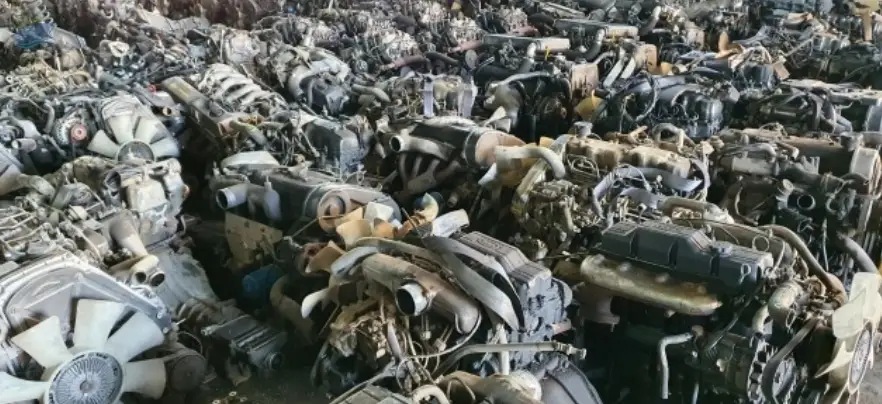
Based in British Columbia, Canada, Ivory Nada Recycling lists eight distinct scrap material products in its catalogue. The catalogue covers LDPE plastic waste (HS code 3915.10), PET bottle waste (HS code 3907.61), HDPE milk bottle waste (HS code 3901.10), HDPE drum and film waste (also HS code 3915.10), polyurethane foam waste (HS code 3921.19), electric motor scrap (HS code 8549.30), PMMA acrylic scrap (HS code 3915.10) and ABS plastic scrap (HS code 3915.90). Each entry specifies the material type - LDPE, PET, HDPE, PU foam, electric motor, PMMA, and ABS - and indicates typical product forms such as granules, films, rolls, bales or bulk scrap. The supplier’s active product count of eight reflects a focused portfolio within the broader scrap and recycling sector. While the top‑level categories also mention automobile parts and metal scrap, the detailed catalogue concentrates on polymer and equipment scrap for downstream processing.
The LDPE and HDPE entries include both granules and regrind suitable for extrusion or injection molding, while the PET listings cover bottles, preforms and film rolls that are commonly reprocessed into new containers. Polyurethane foam scrap is described for furniture and memory‑foam applications, and the PMMA and ABS entries refer to off‑cuts and sheet material that can be recycled into new acrylic or ABS products. The electric motor scrap category groups AC and DC motor components that are typically shredded for metal recovery. All products are classified under the relevant HS code families for plastic and electrical waste, enabling clear customs documentation. The supplier’s focus on these eight material streams aligns with typical North American recycling streams destined for secondary markets.
Product Range and Specialties of Ivory Nada Recycling
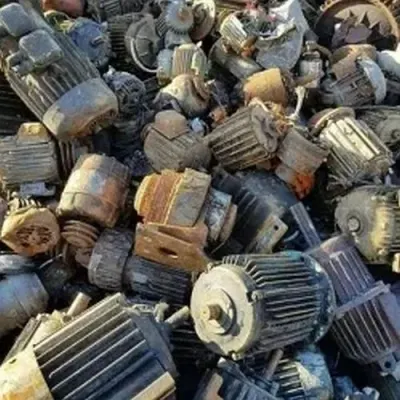
Ivory Nada Recycling’s catalogue spans common grades used in the plastic recycling industry. LDPE waste is usually sorted to a melt flow index (MFI) range of 30‑70 g/10 min and may be supplied as 1‑ton bales or 25 kg bulk bags. PET bottle scrap is typically separated into PET‑1 (clear) and PET‑2 (colored) streams, with intrinsic viscosity (IV) values between 0.70‑0.80 dL/g for re‑extrusion. HDPE milk bottle and drum scrap often carries an MFI of 0.5‑5 g/10 min and is delivered as granules or shredded flakes in 20 ft or 40 ft containers. Polyurethane foam waste is graded by density (5‑15 kg/m³) and is usually bagged in 500 kg bulk bags. PMMA off‑cut scrap is supplied as sheets or shavings with a purity above 95 % and ABS scrap is commonly provided as granules meeting ASTM D726 for impact resistance. Electric motor scrap is classified by weight (tonnage) and is typically shredded to a particle size below 50 mm for metal sorting.
Trade and Export Information - Ivory Nada Recycling
Canada is a major exporter of post‑consumer plastic waste, and HS chapter 39 (plastic waste and scrap) is the primary customs classification for these products. The LDPE, HDPE and PMMA entries fall under HS 3915, while PET bottle waste is recorded under HS 3907 and polyurethane foam under HS 3921. Electric motor scrap is classified under HS 8549, which covers electrical machinery and parts. Typical destination markets include the United States (especially Midwest and Gulf Coast), the European Union (Netherlands, Germany) and East Asian processors in China and Vietnam. Buyers generally request compliance with ISO 9001 quality systems, REACH registration for any residual additives, and, where applicable, ISO 14001 environmental management. Common packaging formats are 20 ft or 40 ft containers for bulk granules, 500 kg bulk bags for foam, and steel drums for HDPE film. Standard Incoterms such as FOB Vancouver or CIF Los Angeles are frequently used, with freight forwarding firms handling the trans‑border documentation.
Sourcing from Ivory Nada Recycling - Buyer Guidance
When sourcing plastic scrap from Ivory Nada Recycling, buyers should request a recent material analysis report that includes polymer type, melt flow index, moisture content (typically <0.5 %) and contamination level. Test reports aligned with ASTM D1238 (MFI), ASTM D2584 (density) and, for PET, intrinsic viscosity measurements are standard verification tools. For electric motor scrap, buyers usually ask for a shredding‑size specification and a metal recovery rate estimate. It is prudent to confirm that the supplier can provide certificates of compliance such as ISO 9001 or REACH registration, especially for downstream manufacturers subject to EU regulations. Verify that the HS code on the commercial invoice matches the product description, and request a sample batch (e.g., 500 kg) before confirming a full order. Minimum order quantities often start at 1 metric ton for granulated plastics, with lead times of 2‑4 weeks after sample approval.
Frequently Asked Questions About Ivory Nada Recycling
What types of plastic scrap does Ivory Nada Recycling offer?
The catalogue includes LDPE film and roll scrap, PET bottle and film scrap, HDPE milk bottle and drum scrap, polyurethane foam waste, PMMA acrylic off‑cuts, and ABS plastic scrap, each listed with its specific HS code.
Which HS codes are associated with the listed products?
LDPE, HDPE drum/film and PMMA are under HS 3915.10, PET bottle waste is HS 3907.61, HDPE milk bottle waste is HS 3901.10, polyurethane foam is HS 3921.19, electric motor scrap is HS 8549.30, and ABS scrap is HS 3915.90.
What standard specifications should I check for LDPE and HDPE granules?
Buyers typically verify melt flow index (MFI 30‑70 g/10 min for LDPE, 0.5‑5 g/10 min for HDPE), moisture content below 0.5 %, and contamination levels under 0.2 % by weight.
How is PET bottle scrap usually prepared for export?
PET scrap is usually sorted into clear (PET‑1) and colored (PET‑2) streams, baled in 1‑ton units, and documented with intrinsic viscosity (IV) values of 0.70‑0.80 dL/g.
What documentation is recommended before ordering electric motor scrap?
Request a shredding‑size specification, a metal recovery rate estimate, and any applicable ISO 9001 or ISO 14001 certificates confirming processing controls.
What are typical packaging and shipping methods for these scrap materials?
Bulk granules are loaded in 20 ft or 40 ft containers, polyurethane foam is packed in 500 kg bulk bags, and metal scrap may be shipped in open‑top containers; common Incoterms are FOB Vancouver or CIF Los Angeles.
What minimum order quantities and lead times should I expect?
Most plastic granule grades have a minimum order of 1 metric ton, with lead times ranging from 2 to 4 weeks after sample approval; larger bulk orders may require longer scheduling.
Which certifications are typically required for imported plastic scrap?
Importers usually ask for ISO 9001 quality management, REACH registration for residual chemicals, and, where applicable, ISO 14001 environmental certification to satisfy regulatory requirements.




 , Canada