Inversiones Sahas Spa — Supplier
About Inversiones Sahas Spa - Agriculture Supplier in Chile
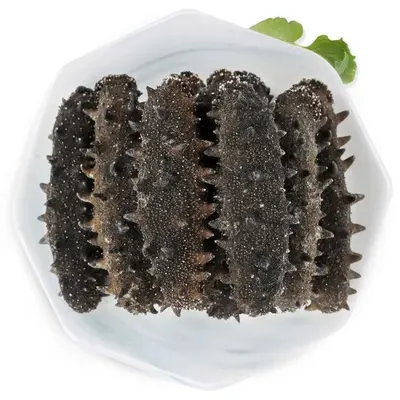
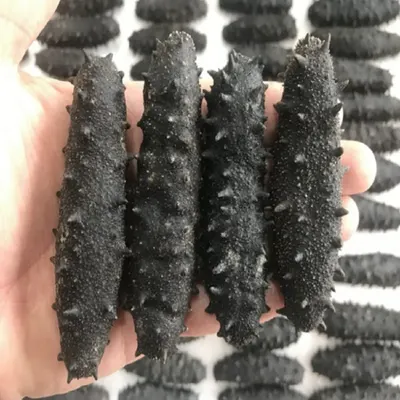
Inversiones Sahas Spa is based in Chile and currently lists five distinct marine food products in its catalogue. The company’s active product count of five includes a crab species (Jaiba Marmola), a brown seaweed (Cochayuyo - Durvillaea antarctica), two forms of sea cucumber (raw frozen and dry), and a local abalone known as Avalon chilenses (loco). All items fall under the broader Agriculture category as recorded in the supplier data. The catalogue does not provide HS codes, so classification must be verified against the appropriate HS chapters for seafood and algae when importing.
The product list reflects Chile’s extensive Pacific coastline, which supports commercial harvesting of crustaceans, echinoderms, and macroalgae. Jaiba Marmola is a crab harvested from Chilean waters, while Cochayuyo is a kelp species widely used in Asian and European food markets. The sea cucumber entries cover both frozen whole animal and dried processed forms, and the Avalon chilenses (loco) is a marine gastropod popular in high‑end culinary applications. Each product is presented without specific grades or certifications in the source data, requiring buyers to request detailed specifications.
Product Range and Specialties of Inversiones Sahas Spa
The catalogue shows five marine products: Jaiba Marmola (crab), Cochayuyo (Durvillaea antarctica seaweed), Sea Cucumber Raw Frozen, Sea Cucumber Dry, and Avalon chilenses (loco). In the seafood trade, crabs are typically graded by carapace weight and meat yield, with size ranges expressed in centimeters and weight categories such as 150‑250 g per unit. Dried sea cucumber is commonly assessed for moisture content (often below 12 %), rehydration ratio, and ash percentage, while frozen sea cucumber is evaluated for ice‑glaze thickness and frozen‑in‑pack temperature. Cochayuyo is usually sold in dried sheets or frozen strips, with quality measured by moisture (10‑12 %), ash content, and fiber length (often 10‑30 mm). Avalon chilenses are graded by shell size and meat weight, with typical size classes of 30‑45 mm. Industry standards such as HACCP, BRC Global Standard for Food Safety, and ISO 22000 are frequently required for these marine food categories, and buyers often request certificates of analysis for microbiological limits (e.g., total plate count, E. coli) and heavy‑metal testing.
Trade and Export Information - Inversiones Sahas Spa
Chile is a major exporter of marine products, with seafood shipments frequently destined for markets in the United States, the European Union, and East Asia. Exporters of crab, sea cucumber, seaweed, and abalone generally ship in refrigerated containers (20‑ft or 40‑ft reefers) for frozen items and in dry bulk or bagged formats for dried goods. Buyers typically require compliance with the Codex Alimentarius standards for seafood, as well as national import regulations such as the US FDA’s Seafood HACCP rule or the EU’s Rapid Alert System for Food and Feed (RASFF) requirements. Commonly requested certifications include HACCP plans, BRC or ISO 22000 food safety certificates, and, where applicable, MSC or ASC eco‑labeling for sustainably harvested marine resources. Chilean exporters must also adhere to the country's phytosanitary and veterinary certification processes, which are issued by the Servicio Agrícola y Ganadero (SAG) before shipment. Logistics usually involve C&F or CIF terms, with temperature‑controlled handling throughout the supply chain to preserve product integrity.
Sourcing from Inversiones Sahas Spa - Buyer Guidance
When sourcing from Inversiones Sahas Spa, buyers should request a full product specification sheet that includes size grades, moisture limits, and any microbiological test results. Verification of HACCP certification, BRC or ISO 22000 compliance, and recent certificates of analysis for heavy metals (e.g., arsenic, lead) is standard practice for seafood imports. Buyers are advised to obtain a sample batch for organoleptic testing and to confirm packaging dimensions - frozen crab and sea cucumber are typically packed in insulated boxes with gel packs, while dried sea cucumber and Cochayuyo are often vacuum‑sealed in multi‑kilogram cartons. Confirming the supplier’s ability to meet the required Incoterm (e.g., CIF to the destination port) and to provide the necessary export phytosanitary certificates will reduce customs delays.
Frequently Asked Questions About Inversiones Sahas Spa
What forms of sea cucumber does Inversiones Sahas Spa offer?
The supplier lists two forms: a raw frozen whole animal and a dried processed product. Frozen sea cucumber is usually shipped in insulated containers with a temperature range of - 18 °C to - 20 °C, while the dried version is packed in vacuum‑sealed bags with moisture content typically below 12 %.
Are there standard size grades for the Jaiba Marmola crab?
Crab size is commonly expressed by carapace width and meat weight. In Chilean exports, typical size classes range from 150 g to 250 g per crab, with a meat yield of around 20‑25 % of total weight.
What certifications should a buyer request for the Cochayuyo seaweed?
Buyers should ask for HACCP or ISO 22000 food safety certification, as well as a certificate of analysis showing moisture (10‑12 %), ash content, and absence of heavy metals. If sustainability is a concern, MSC or a similar eco‑label can be requested.
What are typical packaging methods for the Avalon chilenses (loco)?
Loco is usually packed live in insulated containers with ice slurry for short‑haul shipments, or frozen in reefers for longer routes. Packaging often includes breathable mesh bags inside a larger insulated crate to maintain temperature and prevent damage.
What documentation is required for customs clearance of these Chilean marine products?
Customs typically require a commercial invoice, a packing list, a certificate of origin, and a phytosanitary certificate issued by SAG. For food safety, a copy of the supplier’s HACCP plan or BRC/ISO 22000 certificate should also be presented.
What are common minimum order quantities (MOQ) and lead times for these products?
MOQs vary by product: frozen sea cucumber and crab are often ordered in 20‑ft reefers (approximately 12‑15 tons), while dried sea cucumber and Cochayuyo may have MOQs of 1 ton per shipment. Lead times from order confirmation to shipment typically range from 30 to 45 days, depending on product availability and required certifications.




 , Chile