Indus Inc. — Verified Supplier

About Indus Inc. - Cumin Seeds Supplier in India

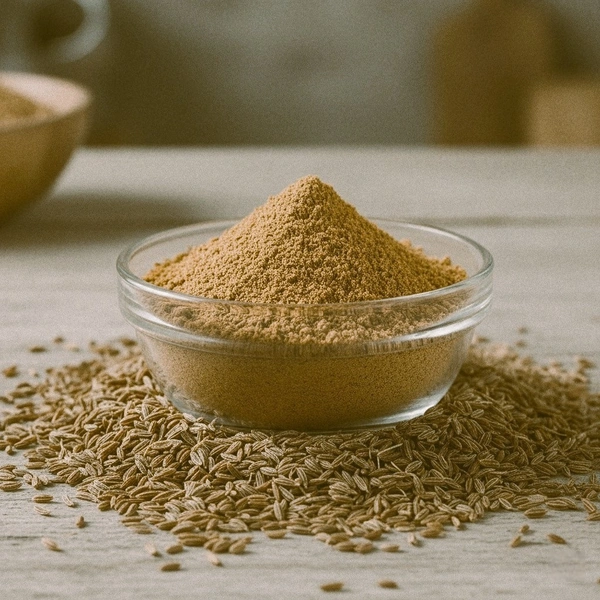
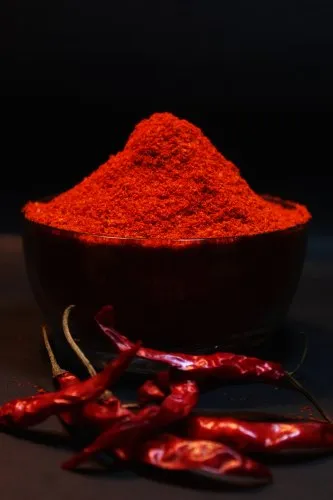
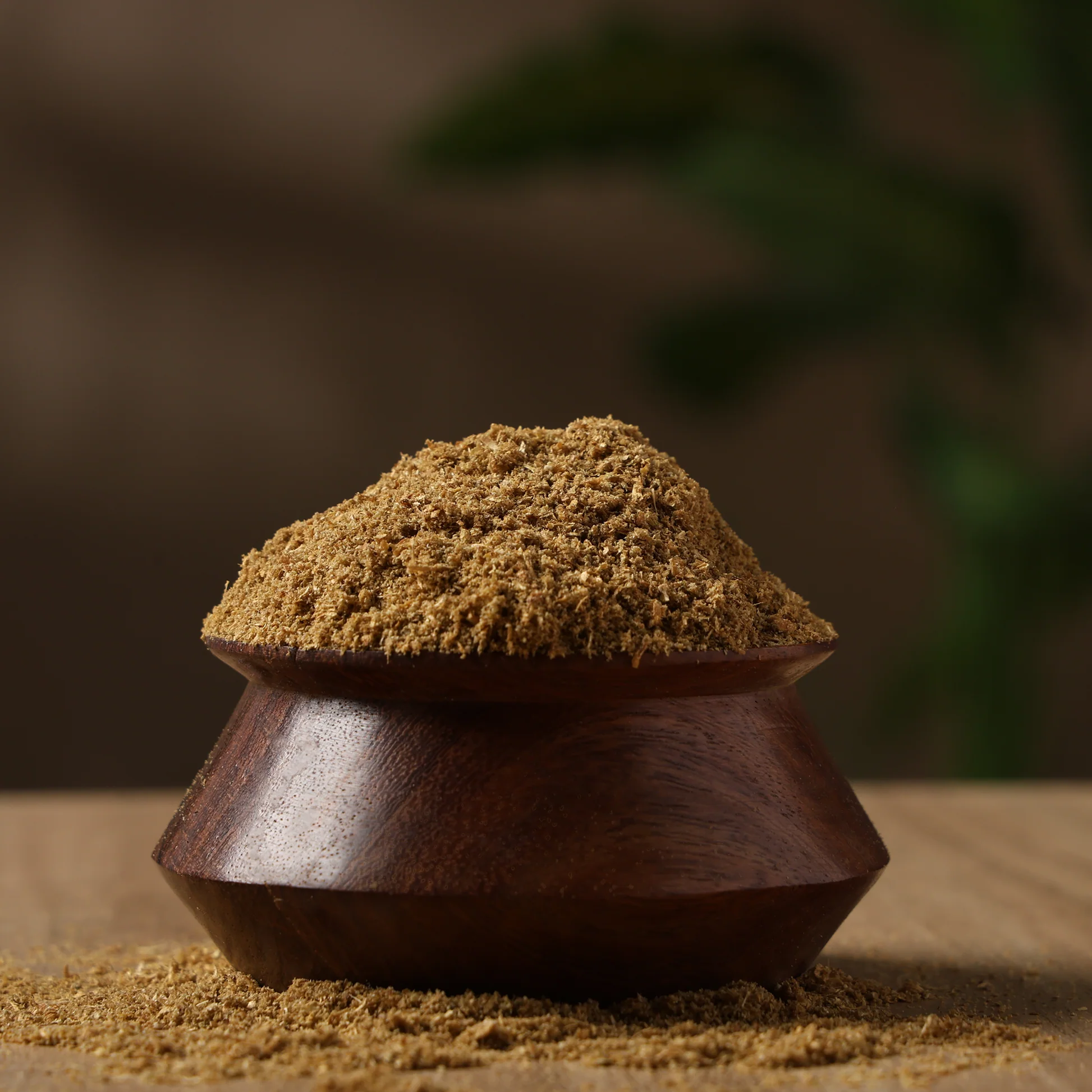
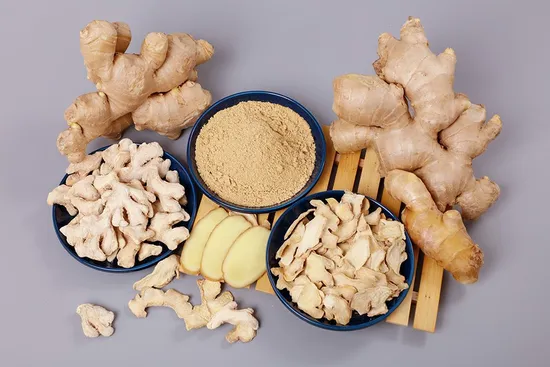
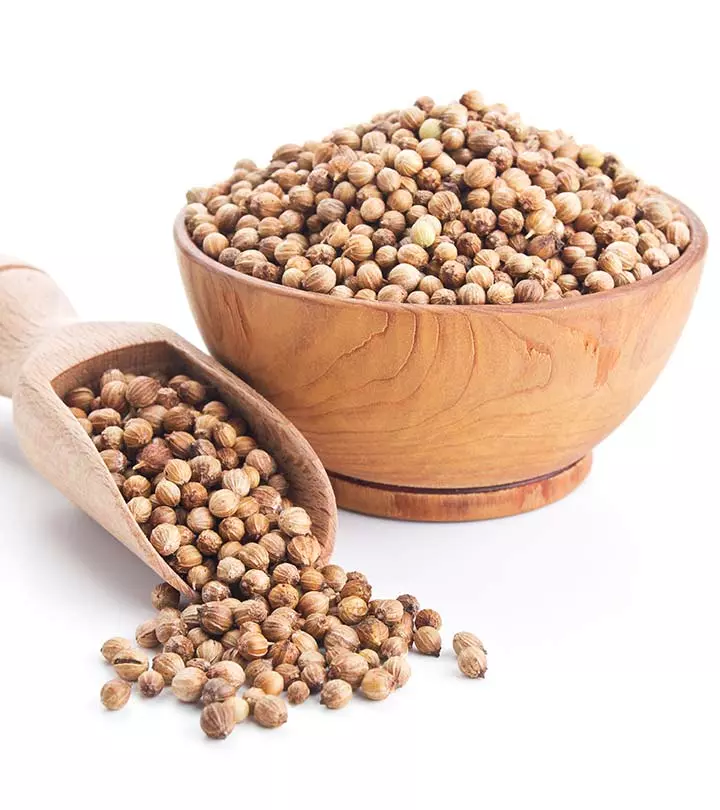
Indus Inc. operates from India and currently lists 15 active products. The catalogue includes a variety of agricultural commodities such as cumin seed, wheat, basmati rice, mustard seed, millet (bajra), Indian (desi) chickpeas, pigeon peas (arhar dal), moong beans, groundnuts, dry chilli powder, coriander seed and powder, ginger bulb and powder, garlic fresh bulb and dried flakes, onion bulb and dried flakes, and black pepper. Among these, basmati rice is recorded under HS code 1006.30 as whole grain long‑grain white rice (Oryza sativa), and moong beans are listed with HS code 0713.90 as dried green gram (Vigna radiata). The remaining items are classified within the general spice (HS 0904‑0906) and pulse (HS 0713) families used in global food trade. Each entry reflects a distinct commodity type commonly traded in bulk.

The spice entries such as cumin seed, mustard seed, coriander, dry chilli powder and black pepper are offered in whole seed or powdered form, aligning with standard bulk spice specifications. Pulses like chickpeas, pigeon peas and moong beans are listed as dried legumes, typically meeting moisture limits of 12 % and impurity levels below 2 %. Groundnuts are supplied as raw kernels, a commodity frequently subject to aflatoxin testing. Wheat and millet are presented as whole grain cereals, categories that usually require specifications for protein content and test weight. All products are described without reference to proprietary processing, reflecting the supplier’s basic catalogue.

Product Range and Specialties of Indus Inc.

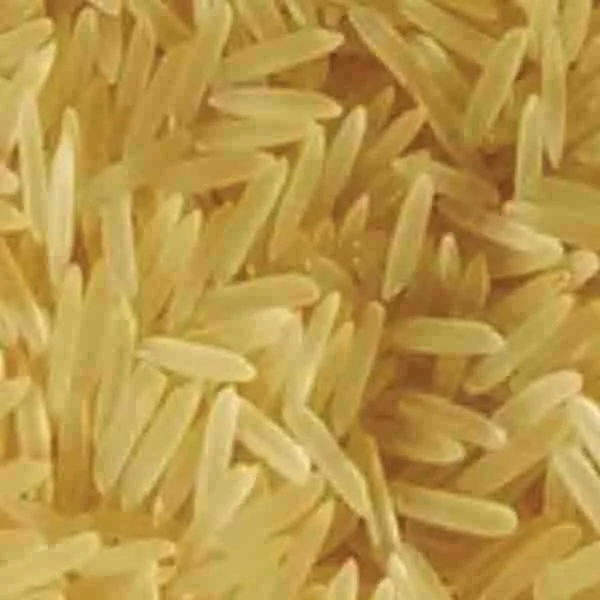
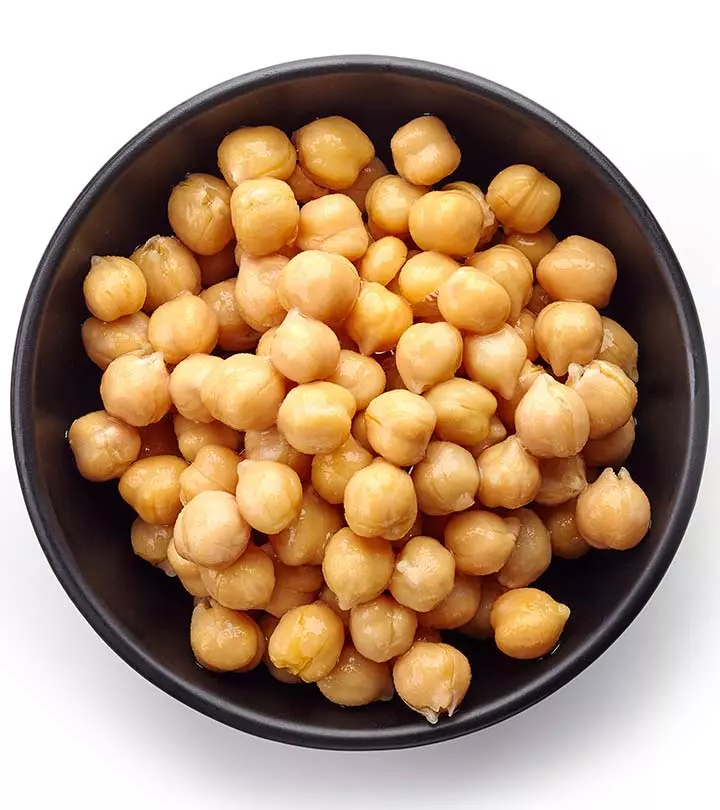
The listed cereals - wheat, millet (bajra) and basmati rice - cover the main grain segments exported from India. Basmati rice is commonly graded as 1A or 2A, with typical specifications of moisture ≤12 %, broken rice ≤5 %, head‑rice length ≥6 mm and purity ≥98 %. Wheat specifications often focus on protein content (10‑12 % for hard wheat) and ash 0.5‑0.7 %, while millet batches are checked for moisture ≤13 % and kernel size uniformity. Pulses such as Indian (desi) chickpeas, pigeon peas and moong beans are usually assessed for size (≥7 mm), moisture ≤12 %, impurity ≤1 % and absence of foreign matter. Groundnuts are graded by size, moisture ≤7 % and aflatoxin levels <10 ppb. The spice portfolio - including cumin, mustard, coriander, chilli powder, ginger, garlic, onion and black pepper - generally follows industry grades that specify moisture ≤12 %, ash content (e.g., ≤6 % for cumin), essential oil content (2‑3 % for cumin) and particle size for powders.

Trade and Export Information - Indus Inc.

India is a major exporter of cereals, pulses and spices, with bulk shipments typically destined for the Middle East, European Union, United States and African markets. Basmati rice (HS 1006) and wheat (HS 1001‑1005) fall under the grain chapter, while moong beans and other pulses are covered by HS 0713, and the spice items belong to HS 0904‑0906. Importers most often require certifications such as ISO 22000, FSSC 22000 or HACCP, together with a phytosanitary certificate and, where applicable, organic or non‑GMO verification. Standard packaging includes 25 kg polypropylene or jute bags, loaded into 20‑ft or 40‑ft containers, with FOB terms from ports such as Mumbai or Chennai being common. Seasonal export peaks align with the Indian harvest calendar: rice and wheat shipments increase after the main harvest (October‑December), while spices are available year‑round.

Sourcing from Indus Inc. - Buyer Guidance

When sourcing from Indus Inc., buyers should request a detailed specification sheet covering moisture, impurity, pesticide residue and, for groundnuts, aflatoxin test results. Relevant certificates - ISO 22000 or FSSC 22000, HACCP plan, phytosanitary certificate and origin declaration - should be obtained before contract finalisation. A sample size of 5‑10 kg, shipped under FOB terms in the same packaging as the bulk order, allows laboratory verification of the supplier’s compliance with the required standards.

Frequently Asked Questions About Indus Inc.

What product categories does Indus Inc. list?

The catalogue contains 15 items across cereals (wheat, basmati rice, millet), pulses (Indian chickpeas, pigeon peas, moong beans), oilseeds (groundnuts) and spices (cumin, mustard, chilli powder, coriander, ginger, garlic, onion, black pepper).

Which HS codes are associated with the listed commodities?

Basmati rice is recorded under HS 1006.30 as whole grain long‑grain white rice, and moong beans are listed with HS 0713.90 for dried green gram. All other items fall within the broader HS chapters for cereals (1001‑1005), pulses (0713) and spices (0904‑0906).

What quality specifications are typical for the basmati rice offered?

Buyers usually require moisture ≤ 12 %, broken rice ≤ 5 %, head‑rice length ≥ 6 mm and a purity of ≥ 98 % for grade 1A basmati rice. Additional checks often include husk content ≤ 0.5 % and a uniform grain appearance.

Which certifications are commonly requested for Indian spice exporters?

Importers frequently ask for ISO 22000 or FSSC 22000 certification, a HACCP plan, a phytosanitary certificate and, where relevant, organic or non‑GMO verification. These documents demonstrate compliance with food safety and export regulations.

How are pulses and legumes typically packaged for export?

Dried pulses such as chickpeas, pigeon peas and moong beans are usually packed in 25 kg polypropylene bags that are sealed and stacked in standard 20‑ft containers. The bags are labeled with product name, net weight and HS code.

What are the usual minimum order quantities and lead times?

Minimum order quantities range from 5 metric tonnes for spices to 20 metric tonnes for bulk cereals. Lead times are generally 30‑45 days after order confirmation, depending on harvest timing and shipping arrangements.

How can a buyer obtain a sample for testing?

Buyers can request a 5‑10 kg sample, which the supplier ships under FOB terms in the same packaging material as the bulk product. Samples are typically dispatched within a few days of request to allow laboratory analysis.

Are there any import restrictions buyers should be aware of?

Importers should verify that shipments meet the destination country’s pesticide residue limits, that groundnuts comply with aflatoxin thresholds, and that a valid phytosanitary certificate accompanies the cargo. Failure to meet these requirements can result in customs delays or rejection.


Featured Products from this Supplier

Other Suppliers in Primary Category

Top Trusted Suppliers

Related Products

Trending in Parent Category

More Suppliers in Category

Related Products

Other Suppliers

EximNext
58.4K+ live requirements
Register Free🎁 5 free buy-lead credits
Post Requirement
🌍 Trusted by 224.4K+ businesses in 200+ countries|
58.4K+ active requirements right now
✉️ [email protected]
|
Sell on EximNextPost Requirement
EximNext
AgricultureApparelConstructionElectronicFoodHomeIndustrialMineralsMiscellaneous
🔥 Deals|✨ AI Match|🏭 Suppliers|📋 Buy Leads|💰 Trade Finance|⭐ Upgrade
58.4K+ live RFQs·194.4K+ suppliers
🎁 5 free credits →
EximNext
EximNext
Register Free
🎁 5 free buy-lead credits
Sign In
📋Post Requirement💬Get QuotesAI Match📋RFQ Marketplace
All Categories
Services & Tools
🏭Supplier Directory🔥Today's Deals💰Trade FinanceMembership
Sell on EximNext
AboutContactBlogHelp
🏭

Indus Inc.

Harbor
Country flag , India
🛡️
55/100
Trust Score

Indus Inc. Product Catalog

Showing 12 of 15 products
View all products →
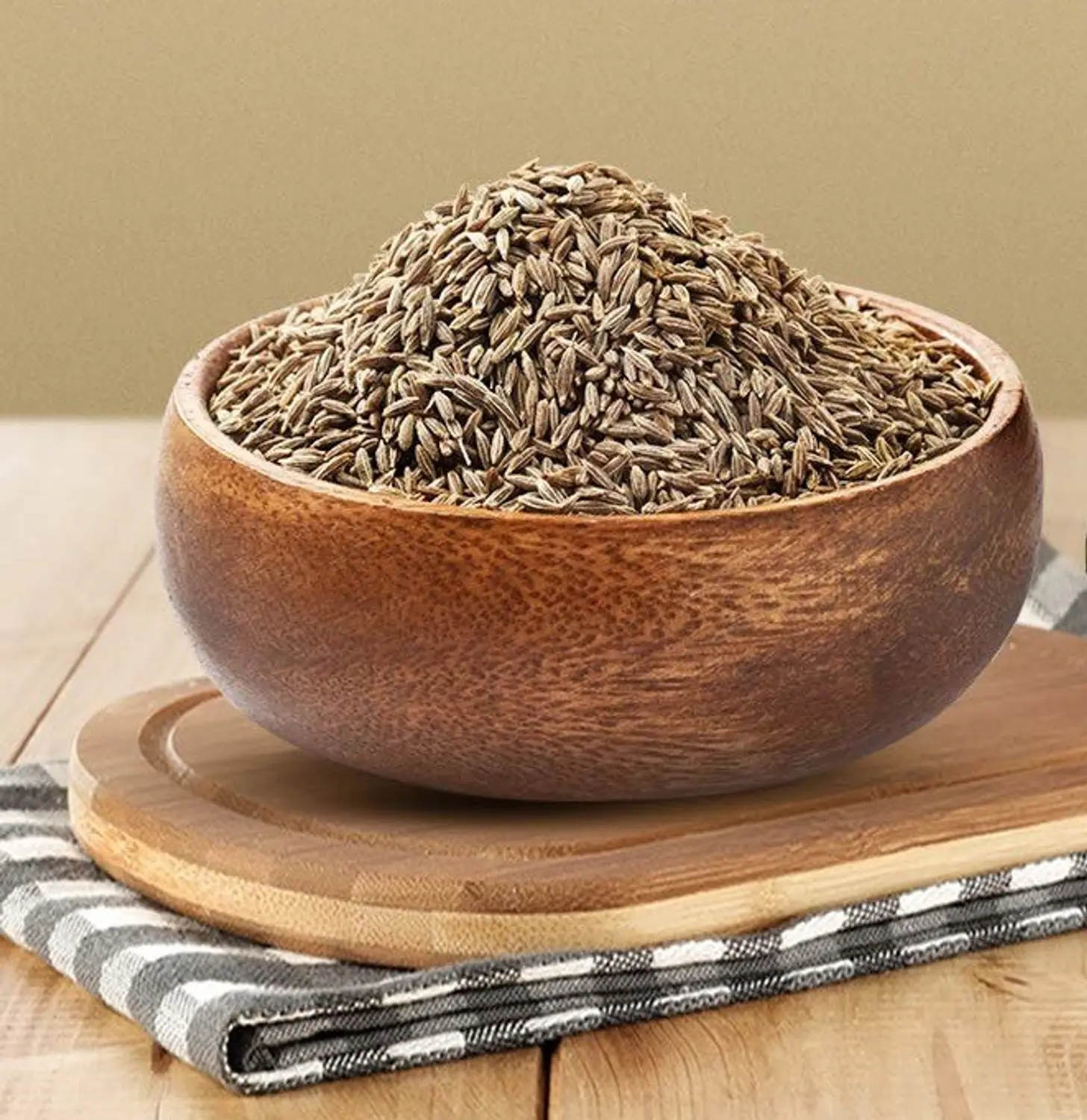
Cumin Seed
Harbor
Cumin Seed
Contact
MOQ: 1 Unit
Wheat
Harbor
Wheat
Contact
MOQ: 1 Unit
Basmati Rice
Harbor
Basmati Rice
Contact
MOQ: 1 Unit
Mustard Seed
Harbor
Mustard Seed
Contact
MOQ: 1 Unit
Millet/Bajra
Harbor
Millet/Bajra
Contact
MOQ: 1 Unit
Indian (Desi) Chickpeas
Harbor
Indian (Desi) Chickpeas
Contact
MOQ: 1 Unit
Pigeon Peas ( Arhar Dal)
Harbor
Pigeon Peas ( Arhar Dal)
Contact
MOQ: 1 Unit
Moong Beans
Harbor
Moong Beans
Contact
MOQ: 1 Unit
Groundnuts / Peanuts
Harbor
Groundnuts / Peanuts
Contact
MOQ: 1 Unit
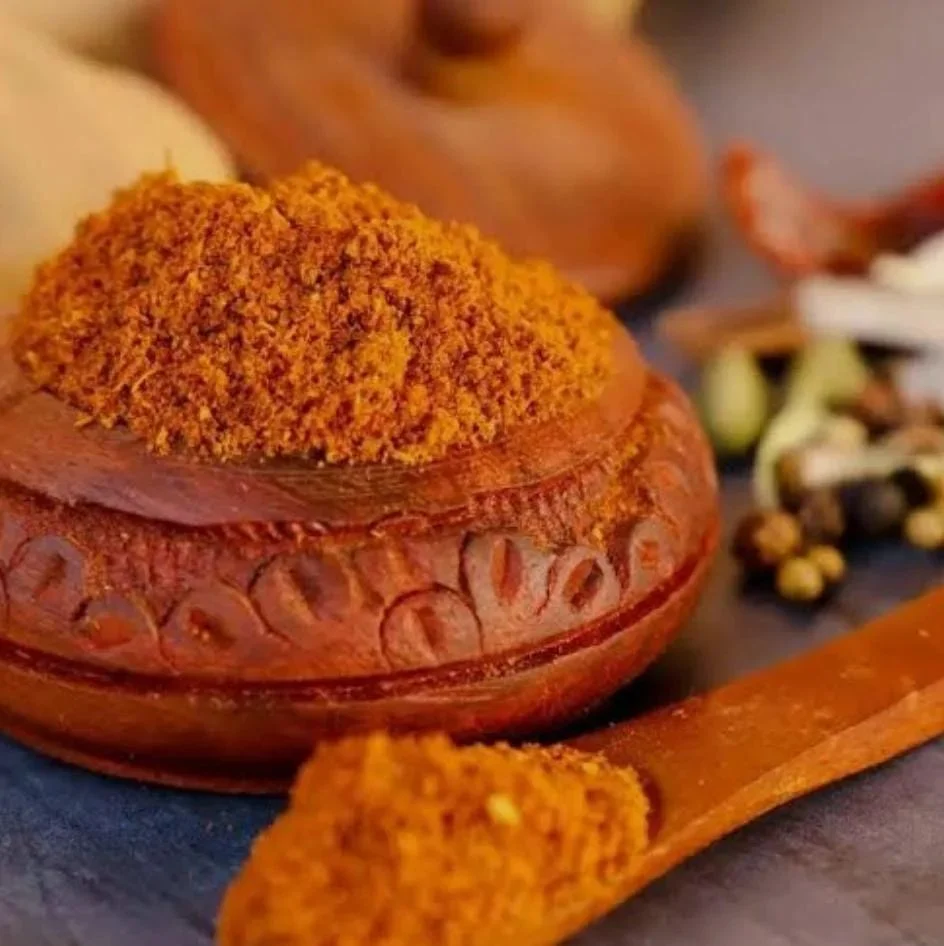
Dry Chilli Powder
Harbor
Dry Chilli Powder
Contact
MOQ: 1 Unit
Coriander seed/powder
Harbor
Coriander seed/powder
Contact
MOQ: 1 Unit
Ginger Bulb/powder/ Dry Ginger
Harbor
Ginger Bulb/powder/ Dry Ginger
Contact
MOQ: 1 Unit

About Indus Inc. - Cumin Seeds Supplier in India

Indus Inc. operates from India and currently lists 15 active products. The catalogue includes a variety of agricultural commodities such as cumin seed, wheat, basmati rice, mustard seed, millet (bajra), Indian (desi) chickpeas, pigeon peas (arhar dal), moong beans, groundnuts, dry chilli powder, coriander seed and powder, ginger bulb and powder, garlic fresh bulb and dried flakes, onion bulb and dried flakes, and black pepper. Among these, basmati rice is recorded under HS code 1006.30 as whole grain long‑grain white rice (Oryza sativa), and moong beans are listed with HS code 0713.90 as dried green gram (Vigna radiata). The remaining items are classified within the general spice (HS 0904‑0906) and pulse (HS 0713) families used in global food trade. Each entry reflects a distinct commodity type commonly traded in bulk.

The spice entries such as cumin seed, mustard seed, coriander, dry chilli powder and black pepper are offered in whole seed or powdered form, aligning with standard bulk spice specifications. Pulses like chickpeas, pigeon peas and moong beans are listed as dried legumes, typically meeting moisture limits of 12 % and impurity levels below 2 %. Groundnuts are supplied as raw kernels, a commodity frequently subject to aflatoxin testing. Wheat and millet are presented as whole grain cereals, categories that usually require specifications for protein content and test weight. All products are described without reference to proprietary processing, reflecting the supplier’s basic catalogue.

Product Range and Specialties of Indus Inc.

The listed cereals - wheat, millet (bajra) and basmati rice - cover the main grain segments exported from India. Basmati rice is commonly graded as 1A or 2A, with typical specifications of moisture ≤12 %, broken rice ≤5 %, head‑rice length ≥6 mm and purity ≥98 %. Wheat specifications often focus on protein content (10‑12 % for hard wheat) and ash 0.5‑0.7 %, while millet batches are checked for moisture ≤13 % and kernel size uniformity. Pulses such as Indian (desi) chickpeas, pigeon peas and moong beans are usually assessed for size (≥7 mm), moisture ≤12 %, impurity ≤1 % and absence of foreign matter. Groundnuts are graded by size, moisture ≤7 % and aflatoxin levels <10 ppb. The spice portfolio - including cumin, mustard, coriander, chilli powder, ginger, garlic, onion and black pepper - generally follows industry grades that specify moisture ≤12 %, ash content (e.g., ≤6 % for cumin), essential oil content (2‑3 % for cumin) and particle size for powders.

Trade and Export Information - Indus Inc.

India is a major exporter of cereals, pulses and spices, with bulk shipments typically destined for the Middle East, European Union, United States and African markets. Basmati rice (HS 1006) and wheat (HS 1001‑1005) fall under the grain chapter, while moong beans and other pulses are covered by HS 0713, and the spice items belong to HS 0904‑0906. Importers most often require certifications such as ISO 22000, FSSC 22000 or HACCP, together with a phytosanitary certificate and, where applicable, organic or non‑GMO verification. Standard packaging includes 25 kg polypropylene or jute bags, loaded into 20‑ft or 40‑ft containers, with FOB terms from ports such as Mumbai or Chennai being common. Seasonal export peaks align with the Indian harvest calendar: rice and wheat shipments increase after the main harvest (October‑December), while spices are available year‑round.

Sourcing from Indus Inc. - Buyer Guidance

When sourcing from Indus Inc., buyers should request a detailed specification sheet covering moisture, impurity, pesticide residue and, for groundnuts, aflatoxin test results. Relevant certificates - ISO 22000 or FSSC 22000, HACCP plan, phytosanitary certificate and origin declaration - should be obtained before contract finalisation. A sample size of 5‑10 kg, shipped under FOB terms in the same packaging as the bulk order, allows laboratory verification of the supplier’s compliance with the required standards.

Frequently Asked Questions About Indus Inc.

What product categories does Indus Inc. list?

The catalogue contains 15 items across cereals (wheat, basmati rice, millet), pulses (Indian chickpeas, pigeon peas, moong beans), oilseeds (groundnuts) and spices (cumin, mustard, chilli powder, coriander, ginger, garlic, onion, black pepper).

Which HS codes are associated with the listed commodities?

Basmati rice is recorded under HS 1006.30 as whole grain long‑grain white rice, and moong beans are listed with HS 0713.90 for dried green gram. All other items fall within the broader HS chapters for cereals (1001‑1005), pulses (0713) and spices (0904‑0906).

What quality specifications are typical for the basmati rice offered?

Buyers usually require moisture ≤ 12 %, broken rice ≤ 5 %, head‑rice length ≥ 6 mm and a purity of ≥ 98 % for grade 1A basmati rice. Additional checks often include husk content ≤ 0.5 % and a uniform grain appearance.

Which certifications are commonly requested for Indian spice exporters?

Importers frequently ask for ISO 22000 or FSSC 22000 certification, a HACCP plan, a phytosanitary certificate and, where relevant, organic or non‑GMO verification. These documents demonstrate compliance with food safety and export regulations.

How are pulses and legumes typically packaged for export?

Dried pulses such as chickpeas, pigeon peas and moong beans are usually packed in 25 kg polypropylene bags that are sealed and stacked in standard 20‑ft containers. The bags are labeled with product name, net weight and HS code.

What are the usual minimum order quantities and lead times?

Minimum order quantities range from 5 metric tonnes for spices to 20 metric tonnes for bulk cereals. Lead times are generally 30‑45 days after order confirmation, depending on harvest timing and shipping arrangements.

How can a buyer obtain a sample for testing?

Buyers can request a 5‑10 kg sample, which the supplier ships under FOB terms in the same packaging material as the bulk product. Samples are typically dispatched within a few days of request to allow laboratory analysis.

Are there any import restrictions buyers should be aware of?

Importers should verify that shipments meet the destination country’s pesticide residue limits, that groundnuts comply with aflatoxin thresholds, and that a valid phytosanitary certificate accompanies the cargo. Failure to meet these requirements can result in customs delays or rejection.

About Indus Inc. - Cumin Seeds Supplier in India

Indus Inc. operates from India and currently lists 15 active products. The catalogue includes a variety of agricultural commodities such as cumin seed, wheat, basmati rice, mustard seed, millet (bajra), Indian (desi) chickpeas, pigeon peas (arhar dal), moong beans, groundnuts, dry chilli powder, coriander seed and powder, ginger bulb and powder, garlic fresh bulb and dried flakes, onion bulb and dried flakes, and black pepper. Among these, basmati rice is recorded under HS code 1006.30 as whole grain long‑grain white rice (Oryza sativa), and moong beans are listed with HS code 0713.90 as dried green gram (Vigna radiata). The remaining items are classified within the general spice (HS 0904‑0906) and pulse (HS 0713) families used in global food trade. Each entry reflects a distinct commodity type commonly traded in bulk.

The spice entries such as cumin seed, mustard seed, coriander, dry chilli powder and black pepper are offered in whole seed or powdered form, aligning with standard bulk spice specifications. Pulses like chickpeas, pigeon peas and moong beans are listed as dried legumes, typically meeting moisture limits of 12 % and impurity levels below 2 %. Groundnuts are supplied as raw kernels, a commodity frequently subject to aflatoxin testing. Wheat and millet are presented as whole grain cereals, categories that usually require specifications for protein content and test weight. All products are described without reference to proprietary processing, reflecting the supplier’s basic catalogue.

Product Range and Specialties of Indus Inc.

The listed cereals - wheat, millet (bajra) and basmati rice - cover the main grain segments exported from India. Basmati rice is commonly graded as 1A or 2A, with typical specifications of moisture ≤12 %, broken rice ≤5 %, head‑rice length ≥6 mm and purity ≥98 %. Wheat specifications often focus on protein content (10‑12 % for hard wheat) and ash 0.5‑0.7 %, while millet batches are checked for moisture ≤13 % and kernel size uniformity. Pulses such as Indian (desi) chickpeas, pigeon peas and moong beans are usually assessed for size (≥7 mm), moisture ≤12 %, impurity ≤1 % and absence of foreign matter. Groundnuts are graded by size, moisture ≤7 % and aflatoxin levels <10 ppb. The spice portfolio - including cumin, mustard, coriander, chilli powder, ginger, garlic, onion and black pepper - generally follows industry grades that specify moisture ≤12 %, ash content (e.g., ≤6 % for cumin), essential oil content (2‑3 % for cumin) and particle size for powders.

Trade and Export Information - Indus Inc.

India is a major exporter of cereals, pulses and spices, with bulk shipments typically destined for the Middle East, European Union, United States and African markets. Basmati rice (HS 1006) and wheat (HS 1001‑1005) fall under the grain chapter, while moong beans and other pulses are covered by HS 0713, and the spice items belong to HS 0904‑0906. Importers most often require certifications such as ISO 22000, FSSC 22000 or HACCP, together with a phytosanitary certificate and, where applicable, organic or non‑GMO verification. Standard packaging includes 25 kg polypropylene or jute bags, loaded into 20‑ft or 40‑ft containers, with FOB terms from ports such as Mumbai or Chennai being common. Seasonal export peaks align with the Indian harvest calendar: rice and wheat shipments increase after the main harvest (October‑December), while spices are available year‑round.

Sourcing from Indus Inc. - Buyer Guidance

When sourcing from Indus Inc., buyers should request a detailed specification sheet covering moisture, impurity, pesticide residue and, for groundnuts, aflatoxin test results. Relevant certificates - ISO 22000 or FSSC 22000, HACCP plan, phytosanitary certificate and origin declaration - should be obtained before contract finalisation. A sample size of 5‑10 kg, shipped under FOB terms in the same packaging as the bulk order, allows laboratory verification of the supplier’s compliance with the required standards.

Frequently Asked Questions About Indus Inc.
What product categories does Indus Inc. list?
The catalogue contains 15 items across cereals (wheat, basmati rice, millet), pulses (Indian chickpeas, pigeon peas, moong beans), oilseeds (groundnuts) and spices (cumin, mustard, chilli powder, coriander, ginger, garlic, onion, black pepper).
Which HS codes are associated with the listed commodities?
Basmati rice is recorded under HS 1006.30 as whole grain long‑grain white rice, and moong beans are listed with HS 0713.90 for dried green gram. All other items fall within the broader HS chapters for cereals (1001‑1005), pulses (0713) and spices (0904‑0906).
What quality specifications are typical for the basmati rice offered?
Buyers usually require moisture ≤ 12 %, broken rice ≤ 5 %, head‑rice length ≥ 6 mm and a purity of ≥ 98 % for grade 1A basmati rice. Additional checks often include husk content ≤ 0.5 % and a uniform grain appearance.
Which certifications are commonly requested for Indian spice exporters?
Importers frequently ask for ISO 22000 or FSSC 22000 certification, a HACCP plan, a phytosanitary certificate and, where relevant, organic or non‑GMO verification. These documents demonstrate compliance with food safety and export regulations.
How are pulses and legumes typically packaged for export?
Dried pulses such as chickpeas, pigeon peas and moong beans are usually packed in 25 kg polypropylene bags that are sealed and stacked in standard 20‑ft containers. The bags are labeled with product name, net weight and HS code.
What are the usual minimum order quantities and lead times?
Minimum order quantities range from 5 metric tonnes for spices to 20 metric tonnes for bulk cereals. Lead times are generally 30‑45 days after order confirmation, depending on harvest timing and shipping arrangements.
How can a buyer obtain a sample for testing?
Buyers can request a 5‑10 kg sample, which the supplier ships under FOB terms in the same packaging material as the bulk product. Samples are typically dispatched within a few days of request to allow laboratory analysis.
Are there any import restrictions buyers should be aware of?
Importers should verify that shipments meet the destination country’s pesticide residue limits, that groundnuts comply with aflatoxin thresholds, and that a valid phytosanitary certificate accompanies the cargo. Failure to meet these requirements can result in customs delays or rejection.

🏭
Indus Inc.
Country flag , India
Harbor
55/100
Trust Score
📦
15
Products
Free to contact — no commission
Escrow payment available
Verified business identity
Compare more suppliers
Post a requirement — get 10 quotes free
Let verified suppliers compete for your business. Free, fast, no commitment.
EximNext Verified Supplier
Business identity verified
Physical address confirmed
Financial history checked
Certifications authenticated
Trade references validated
Due Diligence
Verify this supplier's real shipping history.
Every shipment, every buyer, every port. Trade data that can't be faked.
Run due diligence →
Discover More

Related Suppliers & Products

Explore similar suppliers, related products and trending categories

Featured Products from this Supplier

Other Suppliers in Primary Category

Top Trusted Suppliers

Related Products

Trending in Parent Category

More Suppliers in Category

Stay ahead in global trade
Weekly market insights & new supplier alerts.
EximNext
Exim Next is a leading global B2B marketplace, connecting over 205,000 verified suppliers and buyers across 200+ countries. As a trusted import export marketplace, it serves as the essential B2B portal for businesses worldwide, empowering them to expand their international reach. With Exim Next, businesses can trade smarter and grow faster.
SECURE PAYMENTS
VISAMastercardPayPalSWIFTL/CEscrow
Follow us
© 2026 EximNext