Indian Exporters — Verified Supplier
About Indian Exporters - Fresh Chilli Supplier in India
India is the source country for Indian Exporters, which currently lists six active fresh‑produce items in its catalogue. The catalogue comprises Fresh Chilli, Fresh Grape, Fresh Pomegranate, Fresh Onion, Fresh Tomato and Fresh Potato. Each product is presented as a separate line item and falls under the general fresh‑produce classification used in international trade. The supplier’s trust tier is recorded as “harbor” in the platform data.
The six products are offered as whole fresh commodities ready for bulk shipment. Typical packaging includes 10 kg cartons for chillies and onions, 20 kg boxes for grapes and tomatoes, and 25 kg bulk bags for potatoes and pomegranates. Export shipments are normally arranged in 20‑ft or 40‑ft refrigerated containers to preserve freshness during transit. Quality parameters such as moisture content, size grading and pesticide‑residue limits follow the standards commonly applied to Indian horticultural exports.
Product Range and Specialties of Indian Exporters
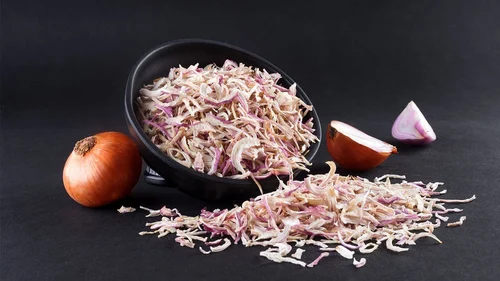
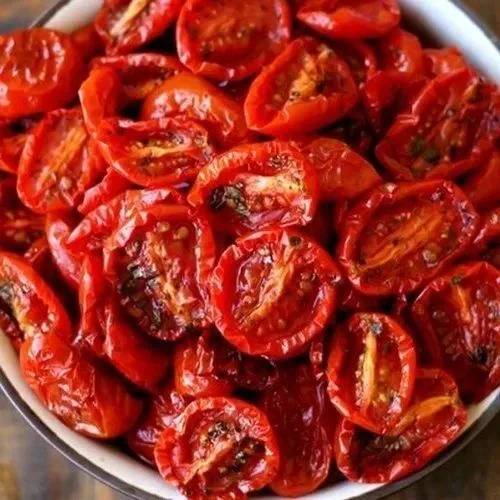
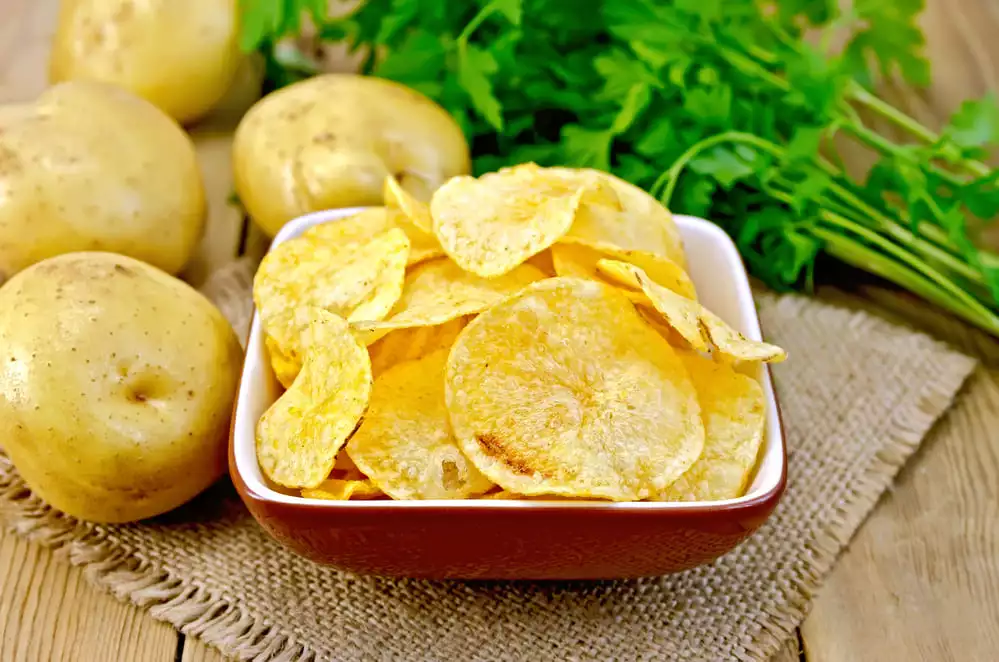
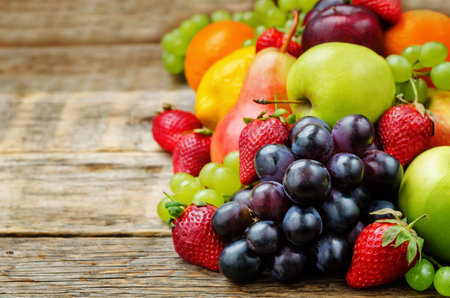
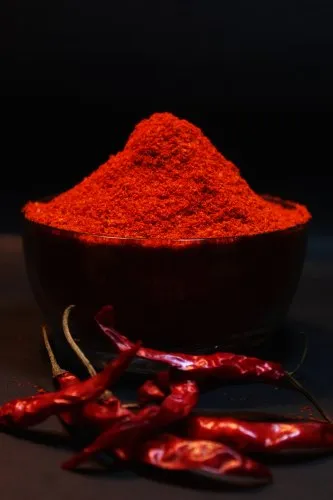
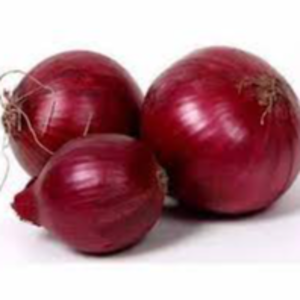
The catalogue covers six staple horticultural items. Fresh Chilli is supplied in varieties such as Kashmiri and Guntur, generally graded by length (30‑80 mm), colour intensity and Scoville heat units, with moisture below 12 %. Fresh Grape is offered as table grapes, typically seedless, sized 18‑22 mm, with Brix values of 16‑18 % and a firm skin. Fresh Pomegranate is supplied as whole fruit weighing 250‑300 g, with aril colour ranging from deep red to pink and a total soluble solids content around 13‑15 %. Fresh Onion is listed in medium‑size bulbs (40‑70 mm diameter) with a dry‑matter content of 8‑10 % and low sprouting potential. Fresh Tomato includes standard round varieties, graded by diameter (60‑80 mm), firmness and acidity (pH 4.0‑4.5). Fresh Potato is exported as bulk tubers of 150‑250 g each, with specific gravity 1.07‑1.09 and low glycoalkaloid levels.
Industry practice for these commodities includes GlobalGAP or equivalent farm‑level certification, ISO 22000 food‑safety management, and compliance with the Indian FSSAI standards. Buyers often request laboratory reports confirming pesticide residues below Codex MRLs, microbial counts under 10⁴ CFU/g, and moisture specifications for each product. Size and colour grades are matched to import market specifications, such as EU fresh‑produce standards for colour uniformity and US USDA requirements for size grading.
Trade and Export Information - Indian Exporters
India is a major exporter of fresh horticultural produce to the Middle East, the European Union, Southeast Asia and the United States. Shipments of chillies, grapes, pomegranates, onions, tomatoes and potatoes are typically loaded in refrigerated containers (reefers) with temperature controls between 0 °C and 8 °C, depending on the commodity. The logistics chain often involves pre‑cooling at certified cold‑storage facilities before loading onto vessels to maintain the cold chain throughout the journey.
Importers usually require a phytosanitary certificate issued by the Indian Plant Quarantine authority, a certificate of origin, and evidence of compliance with food‑safety standards such as GlobalGAP, ISO 22000 or FSSAI licensing. For the EU market, conformity with the EU Pesticides Regulation and the EU Fresh Fruit and Vegetable Marketing Order is common. Buyers should also verify that the supplier can provide a valid HACCP plan and, where applicable, a Halal or Kosher certification depending on the destination market.
Sourcing from Indian Exporters - Buyer Guidance
When sourcing from Indian Exporters, buyers should request sample shipments that represent the intended size and colour grades, along with laboratory test reports for pesticide residues, microbial load and moisture content. Verification of the supplier’s GlobalGAP or ISO 22000 certification, as well as a recent phytosanitary certificate, is essential before confirming a bulk order. Buyers typically confirm minimum order quantities of 5‑10 metric tonnes per product and allow 30‑45 days for harvest, packing and pre‑shipping preparation.
It is advisable to clarify packaging preferences - such as carton weight, inner liner material and container type - early in the negotiation. Buyers should also ask for a detailed packing list, the expected shelf‑life at arrival, and any temperature‑control requirements specified by the destination port. Confirming the Incoterm (e.g., FOB Mumbai or CIF Dubai) and arranging insurance coverage for perishable cargo are standard procurement steps.
Frequently Asked Questions About Indian Exporters
What varieties of fresh chilli does Indian Exporters provide?
The supplier lists Fresh Chilli without specifying varieties, but Indian exporters typically offer Kashmiri and Guntur types graded by length, colour intensity and Scoville heat units.
Are the grapes supplied seedless and what size are they?
The catalogue mentions Fresh Grape; Indian table grapes are commonly seedless, with berry diameters of 18‑22 mm and Brix values between 16 % and 18 %.
What size and weight specifications apply to the fresh pomegranate?
Fresh Pomegranate is usually sold as whole fruit weighing 250‑300 g, with aril colour ranging from deep red to pink and total soluble solids around 13‑15 %.
Which certifications should a buyer request for the fresh onion shipment?
Buyers should ask for GlobalGAP or ISO 22000 certification, a phytosanitary certificate, and a recent FSSAI licence to confirm compliance with Indian food‑safety standards.
What packaging format is typical for the fresh tomato?
Fresh Tomato is generally packed in 20 kg corrugated boxes, with each box containing tomatoes of 60‑80 mm diameter, firm texture and acidity of pH 4.0‑4.5.
How are fresh potatoes usually prepared for export?
Fresh Potato is exported in bulk bags of 25 kg, with tubers sized 150‑250 g, specific gravity 1.07‑1.09 and low glycoalkaloid levels, and loaded in refrigerated containers to preserve quality.
What documentation is required before placing an order with Indian Exporters?
Required documents include a phytosanitary certificate, certificate of origin, GlobalGAP or ISO 22000 compliance proof, and laboratory test reports for pesticide residues and microbial counts.




 , India