Agriculture›
 Apparel and fashion accessories›
 Construction & real estate›💡Electronic & Electrical›🍎Food & Beverages›🛋️Home furnishing & supplies›⚗️Industrial goods & chemical›🪨Minerals & metals›📦Miscellaneous›Agriculture›Apparel and fashion accessories›Construction & real estate›💡Electronic & Electrical›🍎Food & Beverages›🛋️Home furnishing & supplies›⚗️Industrial goods & chemical›🪨Minerals & metals›📦Miscellaneous›
Incense Essentials India Pvt Ltd
⚓ Harbor , IndiaNew supplier / no reviews yet
Incense Essentials India Pvt Ltd Product Catalog




About Incense Essentials India Pvt Ltd - Essential Oils Supplier in India
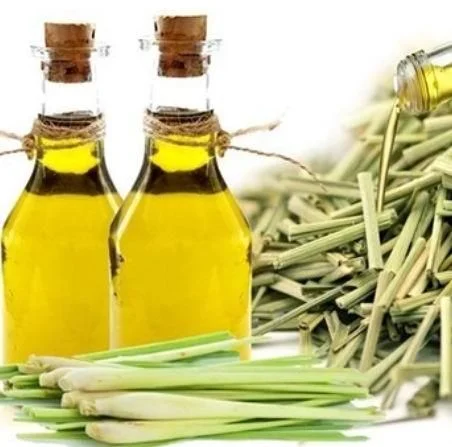
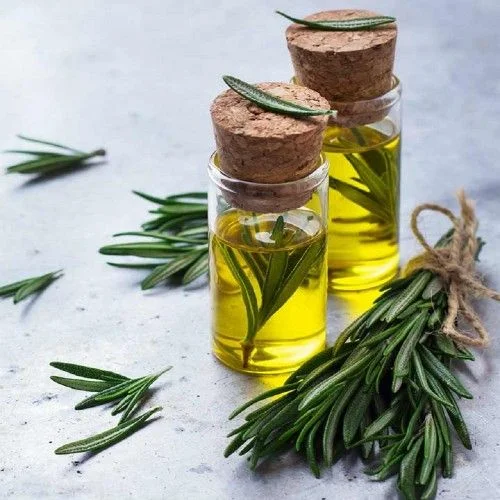
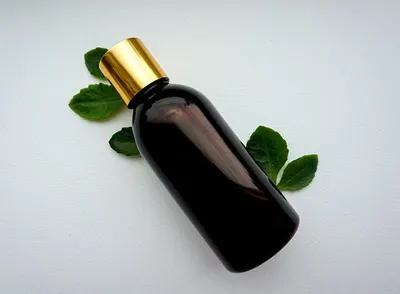
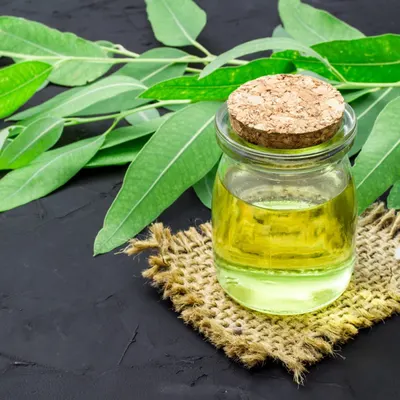
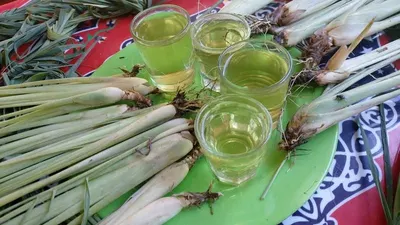
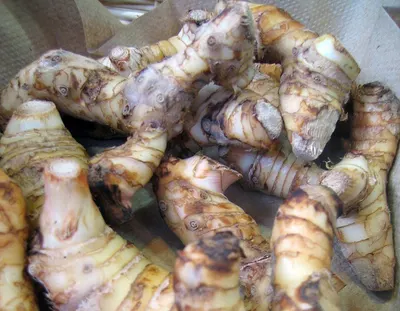
Incense Essentials India Pvt Ltd operates from India and currently offers a catalogue of 14 distinct essential oil products. The list includes pine, frankincense, lavender, sweet orange, rose, peppermint, eucalyptus, cardamom, tea tree, lemongrass, rosemary, galangal, basil and geranium oils. All items are classified under the essential oils category, which is the primary focus of the supplier’s catalogue. The product set reflects a broad selection of both common and specialty botanical extracts. The supplier’s trust tier is designated as harbor in the platform’s rating system.
The essential oils are sourced from plant material and are typically used in aromatherapy, personal care formulations, and fragrance applications. Each oil is presented as a bulk liquid commodity without additional processing services listed. The catalogue does not specify packaging formats, but the product types align with standard industry offerings such as amber glass bottles or bulk drums. Buyers can expect the oils to meet basic purity expectations for raw essential oil trade. The supplier’s active product count of 14 indicates a focused but diverse portfolio within the essential oil segment.
Product Range and Specialties of Incense Essentials India Pvt Ltd
Incense Essentials India Pvt Ltd’s catalogue covers a range of botanical oils, from widely traded pine and peppermint to niche extracts like galangal and basil. In the essential oil market, buyers usually look for therapeutic‑grade or food‑grade specifications, which are defined by 100 % botanical purity, steam‑distillation or cold‑press methods, and verification through GC/MS analysis. Typical quality parameters include a refractive index within defined limits (e.g., lavender oil 1.459‑1.462), acid value below 0.5 mg KOH/g, and moisture content under 0.1 %. Common packaging formats for these oils are 100 ml amber glass bottles for retail, 1 L PET containers for industrial use, and 5 L or 25 L drums for bulk shipments. Buyers often request a Certificate of Analysis that lists major constituents such as linalool in lavender or menthol in peppermint to confirm compliance with industry standards.
Frequently Asked Questions About Incense Essentials India Pvt Ltd
What essential oil products are listed by Incense Essentials India Pvt Ltd?
The supplier lists fourteen oils: pine, frankincense, lavender, sweet orange, rose, peppermint, eucalyptus, cardamom, tea tree, lemongrass, rosemary, galangal, basil and geranium. All are presented as bulk liquid essential oils.
Which certifications should a buyer request for these oils?
Buyers should ask for a Certificate of Analysis with GC/MS results, a phytosanitary certificate, and any applicable ISO 9001 or GMP documentation. If the destination market requires organic or halal status, those certificates must also be provided.
What are typical purity specifications for the oils in this catalogue?
Essential oils are generally expected to be 100 % pure botanical extracts with acidity below 0.5 mg KOH/g and moisture under 0.1 %. Major constituent percentages, such as linalool in lavender or menthol in peppermint, are verified through GC/MS.
What packaging formats are commonly used for these oils?
Standard packaging includes 100 ml amber glass bottles for smaller orders, 1 L PET containers for industrial use, and bulk drums (5 L or 25 L) for large shipments. All containers should meet UN recommendations for non‑hazardous liquids.
What are typical shipment terms and container sizes for exporting these oils?
Exporters from India usually operate under FOB or CIF terms, loading the goods into 20‑ft or 40‑ft containers depending on order volume. The oils are packed in sealed bottles or drums and secured with appropriate dunnage.
IndiaRelated Suppliers & Products
Explore similar suppliers, related products and trending categories