Agriculture›
 Apparel and fashion accessories›
 Construction & real estate›💡Electronic & Electrical›🍎Food & Beverages›🛋️Home furnishing & supplies›⚗️Industrial goods & chemical›🪨Minerals & metals›📦Miscellaneous›Agriculture›Apparel and fashion accessories›Construction & real estate›💡Electronic & Electrical›🍎Food & Beverages›🛋️Home furnishing & supplies›⚗️Industrial goods & chemical›🪨Minerals & metals›📦Miscellaneous›
Impex Vyapar Product Catalog
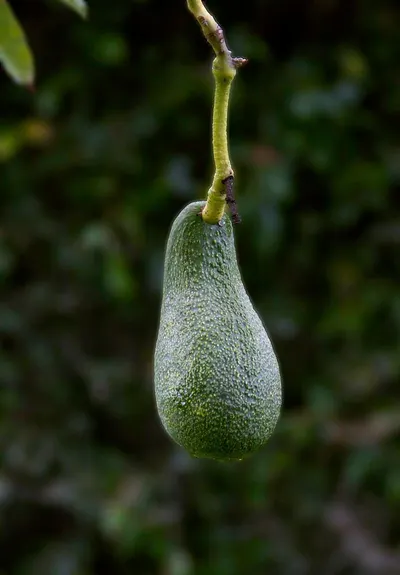
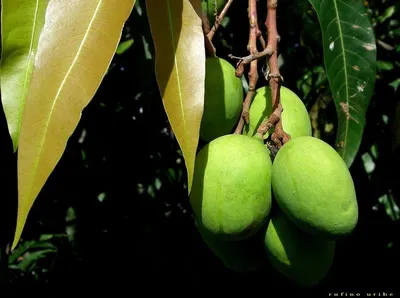
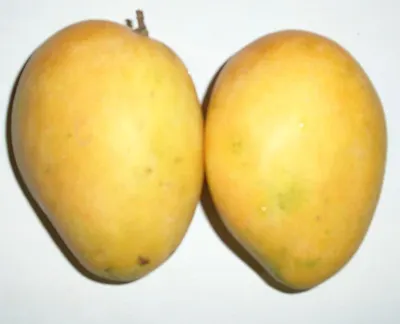
About Impex Vyapar - Mango Supplier in Kenya
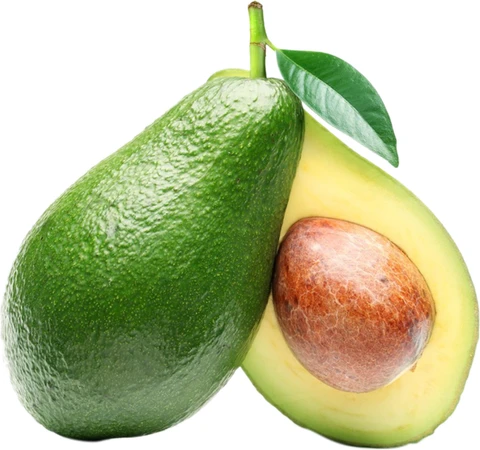
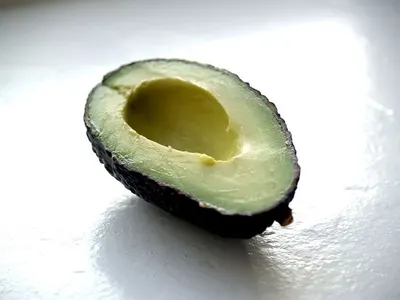
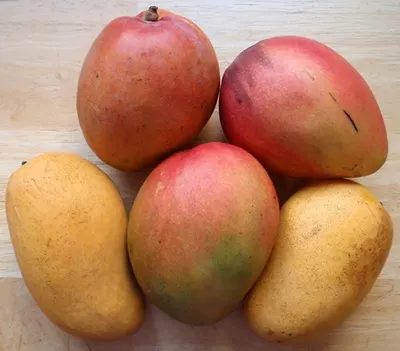
Kenya‑based Impex Vyapar lists five active fresh‑produce items in its catalogue. The company focuses on mango and avocado varieties, with three mango entries - Kenya Apple Mangoes, Alphonso Mangoes and a generic Mango - and two avocado entries - Avocado Fuerte (Kenya) and Hass Avocado. Both avocado products are recorded under HS code 0804.40 and specify the material as fresh Persea americana of the respective cultivar. The mango entries are presented without a catalogue HS code, reflecting the standard HS heading for mangoes (0804.50) that is commonly used in trade data. All five items are classified as fresh fruit intended for export and require temperature‑controlled handling.
The Kenya Apple Mango is a late‑season, firm‑fleshed variety that typically achieves soluble solids above 12 % Brix and average fruit weight around 350 g. Alphonso Mango, a premium Indian cultivar, is often graded as “Extra” when size exceeds 300 g and Brix reaches 13 % or higher. Avocado Fuerte and Hass are the two commercial cultivars listed; Hass fruits usually weigh 150‑250 g with a skin thickness of 2‑3 mm, while Fuerte fruits are slightly larger at 200‑300 g. Export‑ready avocados are commonly packed in ventilated 10‑12 kg cartons or wooden crates to preserve firmness during sea transit. The catalogue therefore covers the principal mango and avocado types that dominate Kenya’s fresh‑produce export market.
Product Range and Specialties of Impex Vyapar
Impex Vyapar’s catalogue includes Kenya Apple Mangoes and Alphonso Mangoes, both of which fall under the broader mango category that buyers typically evaluate by size (average 350 g for Apple, 300 g for Alphonso), Brix (≥12 % for export quality), and absence of bruising. Generic Mango entries are usually sorted into Class I, II or III grades based on these parameters, with Class I demanding the highest visual and taste standards. The avocado line lists the Fuerte and Hass cultivars; standard export grades for Hass require flesh firmness of 7‑9 kg cm⁻¹ and a dry matter content of 23‑25 %, while Fuerte is graded on similar firmness but with a slightly higher acceptable size range (200‑300 g). Typical packaging for both mangoes and avocados involves polyethylene‑lined cartons of 10‑12 kg, stacked on pallets that fit a 20‑foot container (approximately 10‑12 tons of fruit).
Industry practice for Kenyan mangoes and avocados includes pre‑cooling to 12 °C for mangoes and 8 °C for avocados, followed by vacuum‑sealed or breathable film wrapping to extend shelf life. A standard 20‑foot container can hold roughly 18 pallets of mango cartons or 20 pallets of avocado crates, giving buyers a clear estimate of shipment volume per container. Buyers often request compliance with GlobalGAP, HACCP or ISO 22000 standards, although Impex Vyapar’s catalogue does not list specific certifications.
Frequently Asked Questions About Impex Vyapar
What mango varieties does Impex Vyapar list?
The catalogue lists Kenya Apple Mangoes, Alphonso Mangoes and a generic Mango entry. Each variety is marketed as fresh produce suitable for export.
Are any certifications explicitly mentioned for Impex Vyapar’s products?
The supplied facts do not specify any certifications held by the supplier. Buyers should request GlobalGAP, HACCP or ISO 22000 certificates as part of their due‑diligence.
Which avocado cultivars are offered and under what HS code?
Impex Vyapar offers Avocado Fuerte (Kenya) and Hass Avocado, both recorded under HS code 0804.40. The material description identifies them as fresh Persea americana of the respective cultivar.
What typical quality parameters are used for mangoes in international trade?
Export‑quality mangoes are usually graded by fruit weight (≈300‑350 g), soluble solids content (≥12 % Brix) and visual appearance (no bruises, uniform colour). Class I grades meet the strictest of these criteria.
What quality tests are standard for Hass avocados?
Hass avocados are commonly assessed for flesh firmness (7‑9 kg cm⁻¹), dry‑matter content (23‑25 %) and absence of surface blemishes. Size ranges of 150‑250 g per fruit are typical for export shipments.
 Kenya
Related Suppliers & Products
Explore similar suppliers, related products and trending categories