Huatao Lover Wpc Co. Ltd. — Verified Supplier

About Huatao Lover Wpc Co. Ltd. - Wooden Furniture, Agriculture and Food Ingredient Supplier in China

Huatao Lover Wpc Co. Ltd. is a China-based exporter listing 6 active products across six distinct top-level categories: Wooden Furniture, Agriculture, Roofing & Ceiling, Noodles & Pasta, Cleaning Tools (wiping rags, mops, dusters, sponge, brushes, scourer), and Flour. The catalogue combines wood-plastic composite (WPC) outdoor items, a konjac-based cleaning sponge, konjac-based noodles, and konjac flour, which places the company in an unusual cross-category position spanning building products, household cleaning goods, and food-grade plant ingredients. The product mix suggests a trading or sourcing operation rather than a single-line manufacturer, and the active product count of 6 reflects a relatively narrow but diversified SKU set. The WPC items (a garden bench, a trash bin, and a WPC ceiling panel) fall under HS chapter 44 (wood and articles of wood) and chapter 39 (plastics and articles thereof) for composite goods, while the konjac sponge is typically classified under heading 3924 or 9604 (articles of plastics / cleaning articles). The konjac noodles sit in HS chapter 19 (preparations of cereals, flour, starch or milk), and the konjac flour falls under heading 1302 or 1106 depending on whether it is treated as a vegetable sago or a prepared flour/starch. Buyers should be aware that this product spread means documentation, food-contact compliance, and building-product standards will all be relevant depending on which line is being sourced.

Product Range and Specialties of Huatao Lover Wpc Co. Ltd.

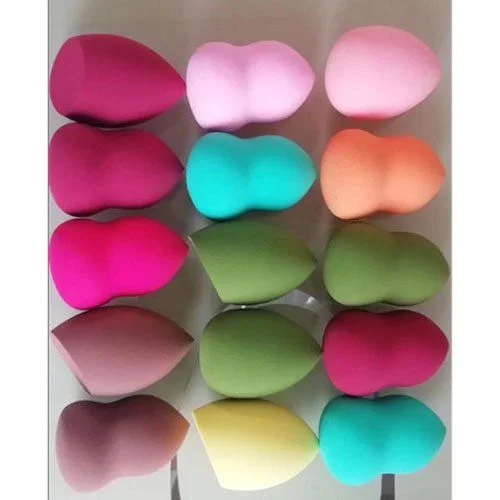
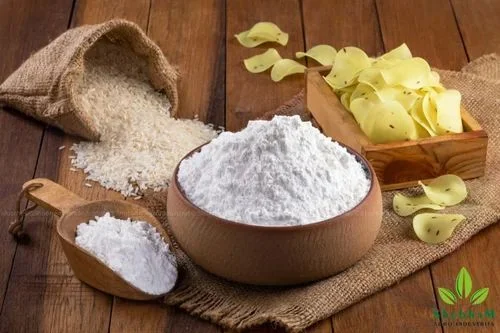
The catalogue breaks into three practical groups. The WPC outdoor line covers a garden bench and a trash bin, both intended for exterior landscaping and public-space use, plus a WPC ceiling panel for interior architectural use; WPC profiles of this type are typically produced as extruded mixtures of wood fibre (often 40-60 percent) with HDPE or PVC polymer, with common board thicknesses of 9-25 mm and panel widths of 100-300 mm. Buyers in this segment usually look at density figures in the 0.7-1.1 g/cm3 range, water absorption below 2-3 percent, and UV-stabilised surface treatments for outdoor service life. The cleaning and food group centres on konjac (Amorphophallus konjac), a plant-based glucomannan fibre. The konjac sponge is a dried, foamed konjac glucomannan block, typically 60-80 mm in diameter, used as a gentle exfoliating facial or body cleanser; the noodles are konjac/shirataki-style products with very low digestible carbohydrate content, usually packed in water-filled pouches of 200-400 g net weight, and the konjac flour is the raw glucomannan powder used as a thickener (E425) in food and pet food. Konjac flour grades are commonly quoted by glucomannan purity (typically 80-95 percent) and viscosity (10,000-36,000 mPa.s for food-grade), and buyers should confirm ash, moisture (usually below 10 percent), and heavy-metal limits against the destination market's food regulations.

Trade and Export Information - Huatao Lover Wpc Co. Ltd.

China is the world's largest producer and exporter of wood-plastic composite building products, with concentrated manufacturing in the Anhui, Jiangsu, Zhejiang and Shandong provinces, and the bulk of WPC exports moving under HS codes 3925 (builders' ware of plastics), 4411 (fibreboard), and 3926 (other articles of plastics) to North America, the EU, the Gulf, and Southeast Asia. WPC goods in this category are typically required to meet ASTM D7032 or EN 15534 for decking and outdoor profiles, and buyers often request CE marking for the European market, FSC chain-of-custody documentation where wood fibre is claimed, and REACH SVHC declarations. Konjac-derived products are a separate trade flow: China supplies the majority of global konjac flour and finished konjac food items, exporting under HS 1302.39 (vegetable sago and other starches) and HS 1902.30 (other pasta). Typical buyers are food manufacturers in Japan, South Korea, the United States, the EU, and Australia, and the goods are usually shipped in 20 ft FCL containers (konjac flour at roughly 18-22 MT per 20 ft depending on bag size). Required documentation for food-grade lines usually includes a Certificate of Analysis with glucomannan percentage, viscosity, moisture and ash values, a Certificate of Free Sale, and compliance with destination food-safety regimes such as EU Regulation 1881/2006 for contaminants, US FDA 21 CFR for food contact, and Codex Alimentarius standards for starches. Standard Incoterms for both product groups from China are FOB, CFR and CIF, with 25-50 kg woven bags for flour, vacuum-sealed pouches for noodles, and palletised or bulk-carton packing for WPC items.

Sourcing from Huatao Lover Wpc Co. Ltd. - Buyer Guidance

For the WPC items, buyers should request the actual wood-to-plastic ratio, the polymer binder type (HDPE, PVC, or PP), the extrusion density in g/cm3, the flexural and tensile strength figures, and the colour-fade rating under accelerated weathering (commonly a Delta-E value after 1,000-3,000 hours of QUV exposure). Third-party test reports against ASTM D7032 or EN 15534, plus a sample of the surface finish and locking system for the ceiling panel, are standard pre-shipment checks. For the konjac sponge, noodles, and flour, the critical documents are a full Certificate of Analysis covering glucomannan purity, viscosity, moisture, ash, lead, arsenic, and SO2 residuals, plus a Certificate of Free Sale and, where relevant, halal or kosher certification. Buyers should confirm the noodle's water-to-product ratio, the absence of starch fillers such as tapioca in the noodles (a common substitution), and the flour's viscosity grade before issuing a purchase order. As with all cross-category listings, it is reasonable to ask whether each product line is sourced from a dedicated factory or a third-party supplier, and to request production photos, batch traceability, and reference shipments before committing to container volumes.

Frequently Asked Questions About Huatao Lover Wpc Co. Ltd.

What product categories does Huatao Lover Wpc Co. Ltd. currently list?

The active catalogue contains 6 products across six categories: WPC outdoor furniture (a garden bench and a trash bin), WPC roofing/ceiling panels, a konjac facial sponge, konjac/shirataki-style noodles, and konjac flour. Buyers should treat the WPC and konjac lines as separate sourcing streams with different documentation requirements.

Which HS codes typically apply to the WPC outdoor bench, trash bin, and ceiling?

WPC outdoor furniture and trash bins are generally classified under HS 9403 (other furniture and parts) or HS 3925 (builders' ware of plastics) depending on the destination customs ruling, while WPC ceiling panels usually fall under HS 3926 or HS 4411. The exact code should be confirmed with the supplier and the buyer's customs broker.

Which HS codes typically apply to the konjac sponge, noodles, and flour?

The konjac sponge is commonly classified under HS 3924 or 9604 as a cleaning article of plastics, konjac noodles under HS 1902.30 (other pasta), and konjac flour under HS 1302.39 (vegetable sago and other starches) or HS 1106 depending on processing and destination tariff.

What specifications should a buyer request for the konjac flour?

Request glucomannan purity (typically 80-95 percent for food grade), viscosity in mPa.s (commonly 10,000-36,000), moisture content below 10 percent, ash value, heavy-metal limits (lead, arsenic), SO2 residuals, and a Certificate of Free Sale. Confirm packaging (usually 25 kg kraft bags or 500-1,000 kg jumbo bags) and 20 ft FCL loading of roughly 18-22 MT.

What documents and tests are typically required for the WPC products?

Buyers typically request ASTM D7032 or EN 15534 test reports, density in g/cm3, water absorption under 3 percent, flexural strength in MPa, and a QUV weathering report with Delta-E values. For the EU, CE marking and REACH SVHC declarations are standard; FSC documentation may be requested where wood fibre content is claimed.

What is the usual packaging for the konjac noodles and sponge?

Konjac noodles are normally packed in water-filled, vacuum-sealed plastic pouches of 200-400 g, then cased in 5-10 kg export cartons on pallets. Konjac sponges are typically packed in shrink-wrap or paper sleeves, then in 24-48 piece inner boxes and 6-12 inner boxes per export carton.

What Incoterms are standard for shipments from China for these goods?

FOB Shanghai or Ningbo, CFR, and CIF are the most common Incoterms for both WPC and konjac shipments from China. WPC items are usually palletised, while konjac flour goes in 25-50 kg woven or kraft bags, and konjac noodles in temperature-controlled containers if shelf life is a concern.

How should a buyer verify quality before placing a repeat order?

Request pre-shipment samples for each SKU, third-party lab test reports matched to the buyer's destination regulations, batch numbers and production date on the packaging, and reference shipments with buyer contacts where possible. For food-grade lines, confirm HACCP or ISO 22000 status of the producing facility and ask for an audit or video walk-through if container volumes are planned.


Featured Products from this Supplier

Other Suppliers in Primary Category

Top Trusted Suppliers

Related Products

Trending in Parent Category

More Suppliers in Category

Related Products

Other Suppliers

EximNext
58.7K+ live requirements
Register Free🎁 Reach verified global buyers
Post Requirement
🌍 Trusted by 224.9K+ businesses in 200+ countries|
58.7K+ active requirements right now
✉️ [email protected]
|
Sell on EximNextPost Requirement
EximNext
AgricultureApparelConstructionElectronicFoodHomeIndustrialMineralsMiscellaneous
🔥 Deals|✨ AI Match|🏭 Suppliers|📋 Buy Leads|💰 Trade Finance
58.7K+ live RFQs·194.8K+ suppliers
🎁 Reach global buyers →
EximNext
EximNext
Register Free
🎁 Reach verified global buyers
Sign In
📋Post Requirement💬Get Quotes✨AI Match📋RFQ Marketplace
All Categories
Services & Tools
🏭Supplier Directory🔥Today's Deals💰Trade Finance
Sell on EximNext →
AboutContactBlogHelp
Agriculture & Food  ·  China
6
products listed

Huatao Lover Wpc Co. Ltd.

⚓ Harbor
Country flag , China
🛡️
54/100
Trust Score

Huatao Lover Wpc Co. Ltd. Product Catalog

Showing 6 of 6 products
View all products →
Fat Free And Low Calorie Konjac Sponge
⚓ Harbor
Fat Free And Low Calorie Konjac Sponge
Contact
MOQ: 1 Unit
Dietry Fiber Based Sponge Noodles
⚓ Harbor
Dietry Fiber Based Sponge Noodles
Contact
MOQ: 1 Unit
Nature High Quality Konjac Flour
⚓ Harbor
Nature High Quality Konjac Flour
Contact
MOQ: 1 Unit
Cheap Price Wpc Ceiling
⚓ Harbor
Cheap Price Wpc Ceiling
Contact
MOQ: 1 Unit
Outdoor Wooden Plastic Composite Garden Bench
⚓ Harbor
Outdoor Wooden Plastic Composite Garden Bench
Contact
MOQ: 1 Unit
Hot Sale Wpc Outdoor Trash Bin
⚓ Harbor
Hot Sale Wpc Outdoor Trash Bin
Contact
MOQ: 1 Unit

About Huatao Lover Wpc Co. Ltd. - Wooden Furniture, Agriculture and Food Ingredient Supplier in China

Huatao Lover Wpc Co. Ltd. is a China-based exporter listing 6 active products across six distinct top-level categories: Wooden Furniture, Agriculture, Roofing & Ceiling, Noodles & Pasta, Cleaning Tools (wiping rags, mops, dusters, sponge, brushes, scourer), and Flour. The catalogue combines wood-plastic composite (WPC) outdoor items, a konjac-based cleaning sponge, konjac-based noodles, and konjac flour, which places the company in an unusual cross-category position spanning building products, household cleaning goods, and food-grade plant ingredients. The product mix suggests a trading or sourcing operation rather than a single-line manufacturer, and the active product count of 6 reflects a relatively narrow but diversified SKU set. The WPC items (a garden bench, a trash bin, and a WPC ceiling panel) fall under HS chapter 44 (wood and articles of wood) and chapter 39 (plastics and articles thereof) for composite goods, while the konjac sponge is typically classified under heading 3924 or 9604 (articles of plastics / cleaning articles). The konjac noodles sit in HS chapter 19 (preparations of cereals, flour, starch or milk), and the konjac flour falls under heading 1302 or 1106 depending on whether it is treated as a vegetable sago or a prepared flour/starch. Buyers should be aware that this product spread means documentation, food-contact compliance, and building-product standards will all be relevant depending on which line is being sourced.

Product Range and Specialties of Huatao Lover Wpc Co. Ltd.

The catalogue breaks into three practical groups. The WPC outdoor line covers a garden bench and a trash bin, both intended for exterior landscaping and public-space use, plus a WPC ceiling panel for interior architectural use; WPC profiles of this type are typically produced as extruded mixtures of wood fibre (often 40-60 percent) with HDPE or PVC polymer, with common board thicknesses of 9-25 mm and panel widths of 100-300 mm. Buyers in this segment usually look at density figures in the 0.7-1.1 g/cm3 range, water absorption below 2-3 percent, and UV-stabilised surface treatments for outdoor service life. The cleaning and food group centres on konjac (Amorphophallus konjac), a plant-based glucomannan fibre. The konjac sponge is a dried, foamed konjac glucomannan block, typically 60-80 mm in diameter, used as a gentle exfoliating facial or body cleanser; the noodles are konjac/shirataki-style products with very low digestible carbohydrate content, usually packed in water-filled pouches of 200-400 g net weight, and the konjac flour is the raw glucomannan powder used as a thickener (E425) in food and pet food. Konjac flour grades are commonly quoted by glucomannan purity (typically 80-95 percent) and viscosity (10,000-36,000 mPa.s for food-grade), and buyers should confirm ash, moisture (usually below 10 percent), and heavy-metal limits against the destination market's food regulations.

Trade and Export Information - Huatao Lover Wpc Co. Ltd.

China is the world's largest producer and exporter of wood-plastic composite building products, with concentrated manufacturing in the Anhui, Jiangsu, Zhejiang and Shandong provinces, and the bulk of WPC exports moving under HS codes 3925 (builders' ware of plastics), 4411 (fibreboard), and 3926 (other articles of plastics) to North America, the EU, the Gulf, and Southeast Asia. WPC goods in this category are typically required to meet ASTM D7032 or EN 15534 for decking and outdoor profiles, and buyers often request CE marking for the European market, FSC chain-of-custody documentation where wood fibre is claimed, and REACH SVHC declarations. Konjac-derived products are a separate trade flow: China supplies the majority of global konjac flour and finished konjac food items, exporting under HS 1302.39 (vegetable sago and other starches) and HS 1902.30 (other pasta). Typical buyers are food manufacturers in Japan, South Korea, the United States, the EU, and Australia, and the goods are usually shipped in 20 ft FCL containers (konjac flour at roughly 18-22 MT per 20 ft depending on bag size). Required documentation for food-grade lines usually includes a Certificate of Analysis with glucomannan percentage, viscosity, moisture and ash values, a Certificate of Free Sale, and compliance with destination food-safety regimes such as EU Regulation 1881/2006 for contaminants, US FDA 21 CFR for food contact, and Codex Alimentarius standards for starches. Standard Incoterms for both product groups from China are FOB, CFR and CIF, with 25-50 kg woven bags for flour, vacuum-sealed pouches for noodles, and palletised or bulk-carton packing for WPC items.

Sourcing from Huatao Lover Wpc Co. Ltd. - Buyer Guidance

For the WPC items, buyers should request the actual wood-to-plastic ratio, the polymer binder type (HDPE, PVC, or PP), the extrusion density in g/cm3, the flexural and tensile strength figures, and the colour-fade rating under accelerated weathering (commonly a Delta-E value after 1,000-3,000 hours of QUV exposure). Third-party test reports against ASTM D7032 or EN 15534, plus a sample of the surface finish and locking system for the ceiling panel, are standard pre-shipment checks. For the konjac sponge, noodles, and flour, the critical documents are a full Certificate of Analysis covering glucomannan purity, viscosity, moisture, ash, lead, arsenic, and SO2 residuals, plus a Certificate of Free Sale and, where relevant, halal or kosher certification. Buyers should confirm the noodle's water-to-product ratio, the absence of starch fillers such as tapioca in the noodles (a common substitution), and the flour's viscosity grade before issuing a purchase order. As with all cross-category listings, it is reasonable to ask whether each product line is sourced from a dedicated factory or a third-party supplier, and to request production photos, batch traceability, and reference shipments before committing to container volumes.

Frequently Asked Questions About Huatao Lover Wpc Co. Ltd.

What product categories does Huatao Lover Wpc Co. Ltd. currently list?

The active catalogue contains 6 products across six categories: WPC outdoor furniture (a garden bench and a trash bin), WPC roofing/ceiling panels, a konjac facial sponge, konjac/shirataki-style noodles, and konjac flour. Buyers should treat the WPC and konjac lines as separate sourcing streams with different documentation requirements.

Which HS codes typically apply to the WPC outdoor bench, trash bin, and ceiling?

WPC outdoor furniture and trash bins are generally classified under HS 9403 (other furniture and parts) or HS 3925 (builders' ware of plastics) depending on the destination customs ruling, while WPC ceiling panels usually fall under HS 3926 or HS 4411. The exact code should be confirmed with the supplier and the buyer's customs broker.

Which HS codes typically apply to the konjac sponge, noodles, and flour?

The konjac sponge is commonly classified under HS 3924 or 9604 as a cleaning article of plastics, konjac noodles under HS 1902.30 (other pasta), and konjac flour under HS 1302.39 (vegetable sago and other starches) or HS 1106 depending on processing and destination tariff.

What specifications should a buyer request for the konjac flour?

Request glucomannan purity (typically 80-95 percent for food grade), viscosity in mPa.s (commonly 10,000-36,000), moisture content below 10 percent, ash value, heavy-metal limits (lead, arsenic), SO2 residuals, and a Certificate of Free Sale. Confirm packaging (usually 25 kg kraft bags or 500-1,000 kg jumbo bags) and 20 ft FCL loading of roughly 18-22 MT.

What documents and tests are typically required for the WPC products?

Buyers typically request ASTM D7032 or EN 15534 test reports, density in g/cm3, water absorption under 3 percent, flexural strength in MPa, and a QUV weathering report with Delta-E values. For the EU, CE marking and REACH SVHC declarations are standard; FSC documentation may be requested where wood fibre content is claimed.

What is the usual packaging for the konjac noodles and sponge?

Konjac noodles are normally packed in water-filled, vacuum-sealed plastic pouches of 200-400 g, then cased in 5-10 kg export cartons on pallets. Konjac sponges are typically packed in shrink-wrap or paper sleeves, then in 24-48 piece inner boxes and 6-12 inner boxes per export carton.

What Incoterms are standard for shipments from China for these goods?

FOB Shanghai or Ningbo, CFR, and CIF are the most common Incoterms for both WPC and konjac shipments from China. WPC items are usually palletised, while konjac flour goes in 25-50 kg woven or kraft bags, and konjac noodles in temperature-controlled containers if shelf life is a concern.

How should a buyer verify quality before placing a repeat order?

Request pre-shipment samples for each SKU, third-party lab test reports matched to the buyer's destination regulations, batch numbers and production date on the packaging, and reference shipments with buyer contacts where possible. For food-grade lines, confirm HACCP or ISO 22000 status of the producing facility and ask for an audit or video walk-through if container volumes are planned.

About Huatao Lover Wpc Co. Ltd. - Wooden Furniture, Agriculture and Food Ingredient Supplier in China

Huatao Lover Wpc Co. Ltd. is a China-based exporter listing 6 active products across six distinct top-level categories: Wooden Furniture, Agriculture, Roofing & Ceiling, Noodles & Pasta, Cleaning Tools (wiping rags, mops, dusters, sponge, brushes, scourer), and Flour. The catalogue combines wood-plastic composite (WPC) outdoor items, a konjac-based cleaning sponge, konjac-based noodles, and konjac flour, which places the company in an unusual cross-category position spanning building products, household cleaning goods, and food-grade plant ingredients. The product mix suggests a trading or sourcing operation rather than a single-line manufacturer, and the active product count of 6 reflects a relatively narrow but diversified SKU set. The WPC items (a garden bench, a trash bin, and a WPC ceiling panel) fall under HS chapter 44 (wood and articles of wood) and chapter 39 (plastics and articles thereof) for composite goods, while the konjac sponge is typically classified under heading 3924 or 9604 (articles of plastics / cleaning articles). The konjac noodles sit in HS chapter 19 (preparations of cereals, flour, starch or milk), and the konjac flour falls under heading 1302 or 1106 depending on whether it is treated as a vegetable sago or a prepared flour/starch. Buyers should be aware that this product spread means documentation, food-contact compliance, and building-product standards will all be relevant depending on which line is being sourced.

Product Range and Specialties of Huatao Lover Wpc Co. Ltd.

The catalogue breaks into three practical groups. The WPC outdoor line covers a garden bench and a trash bin, both intended for exterior landscaping and public-space use, plus a WPC ceiling panel for interior architectural use; WPC profiles of this type are typically produced as extruded mixtures of wood fibre (often 40-60 percent) with HDPE or PVC polymer, with common board thicknesses of 9-25 mm and panel widths of 100-300 mm. Buyers in this segment usually look at density figures in the 0.7-1.1 g/cm3 range, water absorption below 2-3 percent, and UV-stabilised surface treatments for outdoor service life. The cleaning and food group centres on konjac (Amorphophallus konjac), a plant-based glucomannan fibre. The konjac sponge is a dried, foamed konjac glucomannan block, typically 60-80 mm in diameter, used as a gentle exfoliating facial or body cleanser; the noodles are konjac/shirataki-style products with very low digestible carbohydrate content, usually packed in water-filled pouches of 200-400 g net weight, and the konjac flour is the raw glucomannan powder used as a thickener (E425) in food and pet food. Konjac flour grades are commonly quoted by glucomannan purity (typically 80-95 percent) and viscosity (10,000-36,000 mPa.s for food-grade), and buyers should confirm ash, moisture (usually below 10 percent), and heavy-metal limits against the destination market's food regulations.

Trade and Export Information - Huatao Lover Wpc Co. Ltd.

China is the world's largest producer and exporter of wood-plastic composite building products, with concentrated manufacturing in the Anhui, Jiangsu, Zhejiang and Shandong provinces, and the bulk of WPC exports moving under HS codes 3925 (builders' ware of plastics), 4411 (fibreboard), and 3926 (other articles of plastics) to North America, the EU, the Gulf, and Southeast Asia. WPC goods in this category are typically required to meet ASTM D7032 or EN 15534 for decking and outdoor profiles, and buyers often request CE marking for the European market, FSC chain-of-custody documentation where wood fibre is claimed, and REACH SVHC declarations. Konjac-derived products are a separate trade flow: China supplies the majority of global konjac flour and finished konjac food items, exporting under HS 1302.39 (vegetable sago and other starches) and HS 1902.30 (other pasta). Typical buyers are food manufacturers in Japan, South Korea, the United States, the EU, and Australia, and the goods are usually shipped in 20 ft FCL containers (konjac flour at roughly 18-22 MT per 20 ft depending on bag size). Required documentation for food-grade lines usually includes a Certificate of Analysis with glucomannan percentage, viscosity, moisture and ash values, a Certificate of Free Sale, and compliance with destination food-safety regimes such as EU Regulation 1881/2006 for contaminants, US FDA 21 CFR for food contact, and Codex Alimentarius standards for starches. Standard Incoterms for both product groups from China are FOB, CFR and CIF, with 25-50 kg woven bags for flour, vacuum-sealed pouches for noodles, and palletised or bulk-carton packing for WPC items.

Sourcing from Huatao Lover Wpc Co. Ltd. - Buyer Guidance

For the WPC items, buyers should request the actual wood-to-plastic ratio, the polymer binder type (HDPE, PVC, or PP), the extrusion density in g/cm3, the flexural and tensile strength figures, and the colour-fade rating under accelerated weathering (commonly a Delta-E value after 1,000-3,000 hours of QUV exposure). Third-party test reports against ASTM D7032 or EN 15534, plus a sample of the surface finish and locking system for the ceiling panel, are standard pre-shipment checks. For the konjac sponge, noodles, and flour, the critical documents are a full Certificate of Analysis covering glucomannan purity, viscosity, moisture, ash, lead, arsenic, and SO2 residuals, plus a Certificate of Free Sale and, where relevant, halal or kosher certification. Buyers should confirm the noodle's water-to-product ratio, the absence of starch fillers such as tapioca in the noodles (a common substitution), and the flour's viscosity grade before issuing a purchase order. As with all cross-category listings, it is reasonable to ask whether each product line is sourced from a dedicated factory or a third-party supplier, and to request production photos, batch traceability, and reference shipments before committing to container volumes.

Frequently Asked Questions About Huatao Lover Wpc Co. Ltd.
What product categories does Huatao Lover Wpc Co. Ltd. currently list?
The active catalogue contains 6 products across six categories: WPC outdoor furniture (a garden bench and a trash bin), WPC roofing/ceiling panels, a konjac facial sponge, konjac/shirataki-style noodles, and konjac flour. Buyers should treat the WPC and konjac lines as separate sourcing streams with different documentation requirements.
Which HS codes typically apply to the WPC outdoor bench, trash bin, and ceiling?
WPC outdoor furniture and trash bins are generally classified under HS 9403 (other furniture and parts) or HS 3925 (builders' ware of plastics) depending on the destination customs ruling, while WPC ceiling panels usually fall under HS 3926 or HS 4411. The exact code should be confirmed with the supplier and the buyer's customs broker.
Which HS codes typically apply to the konjac sponge, noodles, and flour?
The konjac sponge is commonly classified under HS 3924 or 9604 as a cleaning article of plastics, konjac noodles under HS 1902.30 (other pasta), and konjac flour under HS 1302.39 (vegetable sago and other starches) or HS 1106 depending on processing and destination tariff.
What specifications should a buyer request for the konjac flour?
Request glucomannan purity (typically 80-95 percent for food grade), viscosity in mPa.s (commonly 10,000-36,000), moisture content below 10 percent, ash value, heavy-metal limits (lead, arsenic), SO2 residuals, and a Certificate of Free Sale. Confirm packaging (usually 25 kg kraft bags or 500-1,000 kg jumbo bags) and 20 ft FCL loading of roughly 18-22 MT.
What documents and tests are typically required for the WPC products?
Buyers typically request ASTM D7032 or EN 15534 test reports, density in g/cm3, water absorption under 3 percent, flexural strength in MPa, and a QUV weathering report with Delta-E values. For the EU, CE marking and REACH SVHC declarations are standard; FSC documentation may be requested where wood fibre content is claimed.
What is the usual packaging for the konjac noodles and sponge?
Konjac noodles are normally packed in water-filled, vacuum-sealed plastic pouches of 200-400 g, then cased in 5-10 kg export cartons on pallets. Konjac sponges are typically packed in shrink-wrap or paper sleeves, then in 24-48 piece inner boxes and 6-12 inner boxes per export carton.
What Incoterms are standard for shipments from China for these goods?
FOB Shanghai or Ningbo, CFR, and CIF are the most common Incoterms for both WPC and konjac shipments from China. WPC items are usually palletised, while konjac flour goes in 25-50 kg woven or kraft bags, and konjac noodles in temperature-controlled containers if shelf life is a concern.
How should a buyer verify quality before placing a repeat order?
Request pre-shipment samples for each SKU, third-party lab test reports matched to the buyer's destination regulations, batch numbers and production date on the packaging, and reference shipments with buyer contacts where possible. For food-grade lines, confirm HACCP or ISO 22000 status of the producing facility and ask for an audit or video walk-through if container volumes are planned.

Huatao Lover Wpc Co. Ltd.
Country flag China
⚓ HarborAgriculture & Food
54/100
Trust Score
6
Products
✓ Free to contact — no commission
✓ Escrow payment available
✓ Verified business identity
Compare more suppliers
Post a requirement — get 10 quotes free
Let verified suppliers compete for your business. Free, fast, no commitment.
EximNext Verified Supplier
Business identity verified
Physical address confirmed
Financial history checked
Certifications authenticated
Trade references validated
Due Diligence
Verify this supplier's real shipping history.
Every shipment, every buyer, every port. Trade data that can't be faked.
Run due diligence →
Discover More

Related Suppliers & Products

Explore similar suppliers, related products and trending categories

Featured Products from this Supplier

Other Suppliers in Primary Category

Top Trusted Suppliers

Related Products

Trending in Parent Category

More Suppliers in Category

Stay ahead in global trade
Weekly market insights & new supplier alerts.
EximNext
Exim Next is a leading global B2B marketplace, connecting over 205,000 verified suppliers and buyers across 200+ countries. As a trusted import export marketplace, it serves as the essential B2B portal for businesses worldwide, empowering them to expand their international reach. With Exim Next, businesses can trade smarter and grow faster.
SECURE PAYMENTS
VISAMastercardPayPalSWIFTL/CEscrow
Follow us
© 2026 EximNext