Agriculture›
 Apparel and fashion accessories›
 Construction & real estate›💡Electronic & Electrical›🍎Food & Beverages›🛋️Home furnishing & supplies›⚗️Industrial goods & chemical›🪨Minerals & metals›📦Miscellaneous›Agriculture›Apparel and fashion accessories›Construction & real estate›💡Electronic & Electrical›🍎Food & Beverages›🛋️Home furnishing & supplies›⚗️Industrial goods & chemical›🪨Minerals & metals›📦Miscellaneous›
Htk Co., Ltd Product Catalog

About Htk Co., Ltd - Coconut By-Products Supplier in Viet Nam
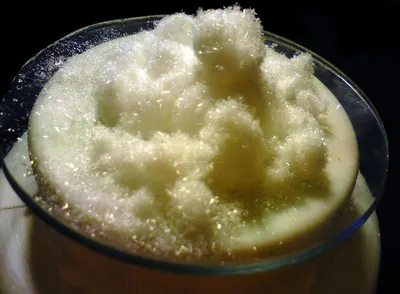
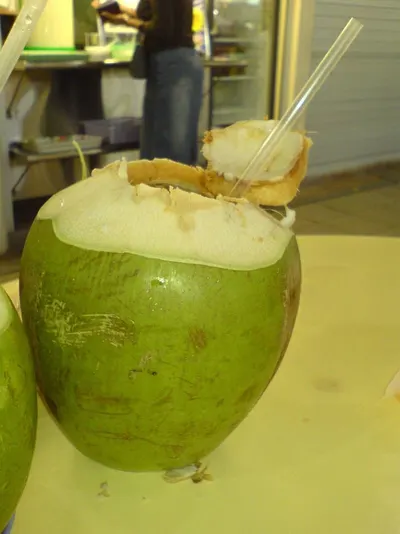
Vietnam is the manufacturing base of Htk Co., Ltd and the company currently lists nine active products in its catalogue. The products fall under the top categories of Jams & Jelly, Coconut By‑Products, Aloe Vera and Beverages, reflecting a focus on processed fruit gels and plant extracts. Among the nine entries are several variations of Nata de Coco - whole gel, gel in syrup, and material blends - as well as an Aloe Vera pulp item intended for beverage formulations. The only product with a disclosed customs classification is the “Ingredients Nata de coco Beverages” entry, recorded under HS code 2008.97 and described as a coconut‑water‑based gel combined with carrageenan extract.
Vietnam‑based Htk Co., Ltd presents its items using generic product titles such as “Nata De Coco”, “Coconut Jelly for Drinks”, and “ALOE VERA PULP ALOE VERA PIECES BEVERAGES”. The catalogue repeats the Nata de Coco line in several formats, indicating a specialization in coconut gel products that can be sold dry or pre‑syruped. The Aloe Vera entry is listed without an HS code, but it is grouped with the beverage category, suggesting use as a functional ingredient. All nine listings are tied to the same origin country, confirming that the supply chain is localized within Viet Nam.
Product Range and Specialties of Htk Co., Ltd
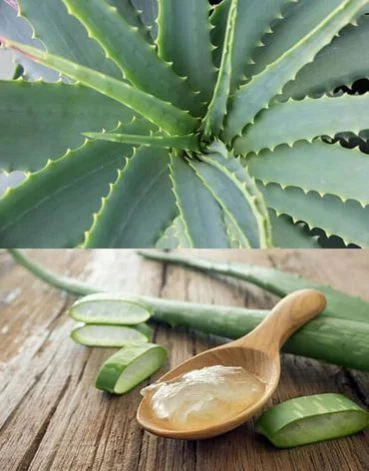
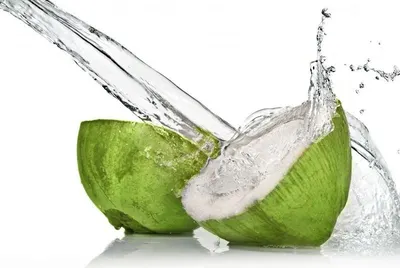
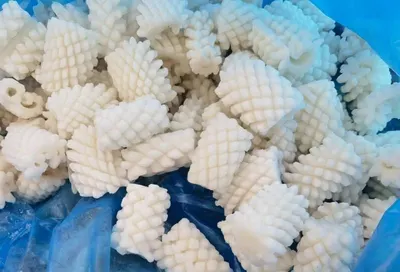
The catalogue centres on Nata de Coco, a fermented coconut water gel that is typically produced in cube sizes of 5‑10 mm, with moisture contents of 70‑80 % and a pH range of 5.0‑6.5. In the market, Nata de Coco is offered either as a dry gel or suspended in a sugar‑based syrup, packaged in 5 kg bulk bags, 20 ft containers (approximately 1 000 kg per load) or vacuum‑sealed PET jars for retail. Standard industry grades include ICUMSA‑type clarity specifications and microbiological limits of ≤10 CFU/g for coliforms. The Aloe Vera pulp listed is commonly supplied as inner‑leaf gel pieces, with typical purity of 95 % aloe gel, moisture around 10 %, and packaged in 25 kg food‑grade bags or 1 L bulk containers for beverage manufacturers.
Industry buyers of coconut gel and Aloe Vera ingredients usually request specifications such as gel firmness (measured in MPa), sugar content of the syrup (°Brix 20‑30), and the presence of carrageenan as a stabiliser. For the “Ingredients Nata de coco Beverages” product, the HS code 2008.97 places it in the prepared or preserved fruit category, where the material composition of coconut gel plus carrageenan is a common formulation for drink bases and dessert toppings.
Frequently Asked Questions About Htk Co., Ltd
What type of Nata de Coco products does Htk Co., Ltd list?
The catalogue includes whole Nata de Coco gel, Nata de Coco suspended in syrup, and material blends that combine coconut gel with carrageenan, all sourced from Vietnam.
Is there any certification listed for Htk Co., Ltd?
No certifications are listed in the provided facts; buyers should request HACCP, ISO 22000 or other relevant food‑safety certificates directly from the supplier.
What is the typical lead time for a full container order from Htk Co., Ltd?
Lead times for a 20 ft container of Nata de Coco or Aloe Vera pulp are generally 30‑45 days from order confirmation, depending on production scheduling and shipping arrangements.
Which product in the catalogue has an HS code and what does it represent?
The “Ingredients Nata de coco Beverages” entry carries HS code 2008.97, which classifies it as a prepared fruit product containing coconut gel and carrageenan extract.
What specifications should a buyer request for the coconut gel products?
Buyers should ask for moisture content (70‑80 %), pH (5.0‑6.5), gel firmness, microbiological limits, and a Certificate of Analysis that lists any added stabilisers such as carrageenan.
 Viet Nam
Related Suppliers & Products
Explore similar suppliers, related products and trending categories