HM Spices — Verified Supplier

About HM Spices - Spices Supplier in Egypt

Egyptian supplier HM Spices lists eight active products, covering a mix of spice seeds, legumes and essential oil. The catalogue includes Caraway Seeds, Hot Chili, Anise Seeds (HS 0909.11, material Pimpinella anisum), Fennel Seeds, Fenugreek Seeds, Splitted Broad Faba Beans (HS 0713.90, material Dried Split Broad Faba Beans), Frankincense Myrrh and golden sesame seeds. Each entry is recorded under the appropriate HS chapter for spices (09), legumes (07) or aromatic oils (33). The supplier’s portfolio reflects typical Egyptian export commodities that are shipped to food‑processing, confectionery and fragrance markets worldwide.

The product list emphasizes seed quality and botanical origin rather than processed blends. No additional processing specifications are provided, so buyers must rely on standard industry grades such as ICUMSA for sesame, ISO 22000 for spice hygiene, and moisture limits of 12 % for dried beans. The presence of HS codes for Anise Seeds and Broad Faba Beans aligns with customs documentation requirements for bulk agricultural commodities.

Product Range and Specialties of HM Spices

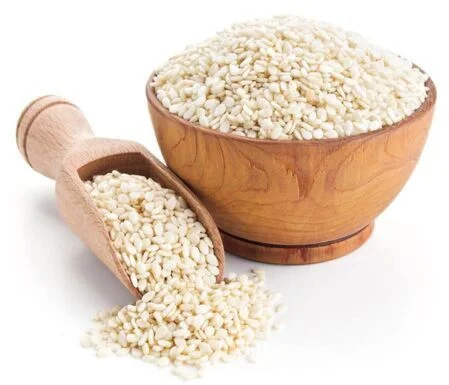
HM Spices’ catalogue groups items into three material families: spice seeds (Caraway, Hot Chili, Anise, Fennel, Fenugreek), legume beans (Splitted Broad Faba Beans) and aromatic resin oil (Frankincense Myrrh) plus oil‑seed (golden sesame seeds). In the global spice trade, seed varieties are commonly graded by size (e.g., 2 mm for caraway), colour, and essential oil content; sesame seeds are typically classified by hull‑on/hull‑off status and oil extraction yield. Buyers usually request specifications such as ICUMSA 45‑50 for white sesame, moisture ≤ 8 % for beans, and anise oil content ≥ 1 % for anise seeds. These industry benchmarks help align HM Spices’ raw seed offerings with buyer expectations.

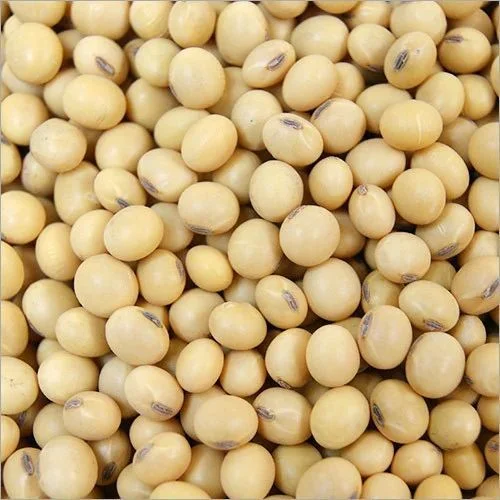
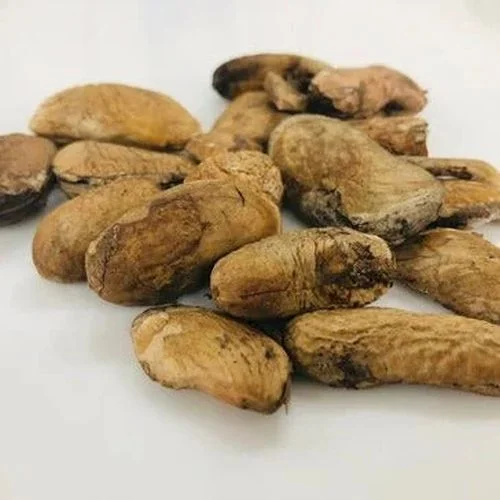
The legume entry, Splitted Broad Faba Beans, follows standard HS 0713.90 classification for split dry beans. Typical export specifications include a uniform split length of 10‑12 mm, moisture ≤ 12 %, and absence of foreign material above 0.5 %. Frankincense Myrrh, classified under HS 3301 for essential oils, is usually evaluated by resin grade (grade A‑C) and oil yield measured in mL per 100 g of resin.

Trade and Export Information - HM Spices

Egypt is a major exporter of spice seeds and aromatic resins to the Middle East, Europe and North America. HS 0909 covers spice seeds, while HS 0713 addresses dried beans; both chapters are subject to phytosanitary certificates and, where required, import permits for pesticide residues. Buyers typically import these goods in 20‑ft or 40‑ft containers, using bulk bags (25 kg) for seeds and sealed fibre drums for frankincense oil. Standard Incoterms such as FOB Alexandria or CIF Dubai are common for Egyptian spice shipments. Certifications frequently requested by importers include ISO 9001 for quality management, ISO 22000 for food safety, and a Phytosanitary Certificate issued by the Egyptian Plant Quarantine Authority.

Typical destination markets include food‑manufacturing hubs in the EU (Germany, Spain), the Gulf Cooperation Council (UAE, Saudi Arabia) and the United States. Export logistics often involve temperature‑controlled containers for oil‑rich seeds to preserve volatile compounds, and moisture‑proof packaging for beans to prevent spoilage during sea transit.

Sourcing from HM Spices - Buyer Guidance

When sourcing from HM Spices, buyers should request a sample analysis report covering moisture content, microbial load (cfu ≤ 10³ CFU/g) and pesticide residue levels in line with EU Regulation EU 396/2005. For Anise Seeds and other spice seeds, a GC‑MS test confirming essential oil percentage is standard practice. Verification of the Phytosanitary Certificate and, where applicable, a Certificate of Origin will confirm compliance with destination country import rules.

Buyers are advised to confirm the HS codes provided (0909.11 for Anise Seeds, 0713.90 for Split Broad Faba Beans) match the product description on the commercial invoice. Requesting a third‑party lab report for oil content of Frankincense Myrrh and a hull‑on/hull‑off determination for sesame seeds will reduce risk of non‑conformity. Minimum order quantities usually start at 500 kg per seed type, with lead times of 25‑35 days from order confirmation to shipment.

Frequently Asked Questions About HM Spices

What HS codes are associated with HM Spices’ products?

Anise Seeds are listed under HS 0909.11 and Splitted Broad Faba Beans under HS 0713.90. Other items fall within the broader HS 0909 (spice seeds) or HS 3301 (essential oils) chapters.

Can I obtain a sample of the Caraway Seeds before placing a bulk order?

Yes, HM Spices can provide a 500 g sample sealed in a moisture‑proof pouch. The sample should include a certificate of analysis for moisture and microbial limits.

Which certifications should I request for the spice seeds?

Typical certifications include ISO 22000 for food safety, a Phytosanitary Certificate, and a pesticide residue test report complying with EU 396/2005. HM Spices does not list specific certifications, so buyers should request them explicitly.

What is the usual packaging for the Splitted Broad Faba Beans?

The beans are normally packed in 25 kg polypropylene bulk bags with inner liners to protect against moisture. Bags are sealed and labeled with the HS code and country of origin.

What are the standard moisture limits for the beans and seeds?

For dried split beans the industry limit is ≤ 12 % moisture; for spice seeds such as fennel or fenugreek the limit is typically ≤ 10 %.

Which Incoterms are commonly used for shipments from Egypt?

Buyers often use FOB Alexandria or CIF Dubai, depending on the destination port and logistics preferences.

How is Frankincense Myrrh typically shipped?

The resin is usually packed in sealed fibre drums or wooden boxes, protected from humidity, and shipped in a 20‑ft container with a desiccant pack.

What documentation is required for importing the sesame seeds into the EU?

Importers must present a Phytosanitary Certificate, a Certificate of Origin, and a lab report confirming compliance with EU maximum levels for aflatoxins and pesticide residues.


Featured Products from this Supplier

Other Suppliers in Primary Category

Top Trusted Suppliers

Related Products

Trending in Parent Category

More Suppliers in Category

Related Products

Other Suppliers

EximNext
58.5K+ live requirements
Register Free🎁 Reach verified global buyers
Post Requirement
🌍 Trusted by 224.6K+ businesses in 200+ countries|
58.5K+ active requirements right now
✉️ [email protected]
|
Sell on EximNextPost Requirement
EximNext
AgricultureApparelConstructionElectronicFoodHomeIndustrialMineralsMiscellaneous
🔥 Deals|✨ AI Match|🏭 Suppliers|📋 Buy Leads|💰 Trade Finance
58.5K+ live RFQs·194.6K+ suppliers
🎁 Reach global buyers →
EximNext
EximNext
Register Free
🎁 Reach verified global buyers
Sign In
📋Post Requirement💬Get QuotesAI Match📋RFQ Marketplace
All Categories
Services & Tools
🏭Supplier Directory🔥Today's Deals💰Trade Finance
Sell on EximNext
AboutContactBlogHelp
🏭

HM Spices

Harbor
Country flag , Egypt
🛡️
54/100
Trust Score

HM Spices Product Catalog

Showing 8 of 8 products
View all products →
Frankincense Myrrh
Harbor
Frankincense Myrrh
Contact
MOQ: 1 Unit
golden sesame seeds
Harbor
golden sesame seeds
Contact
MOQ: 1 Unit
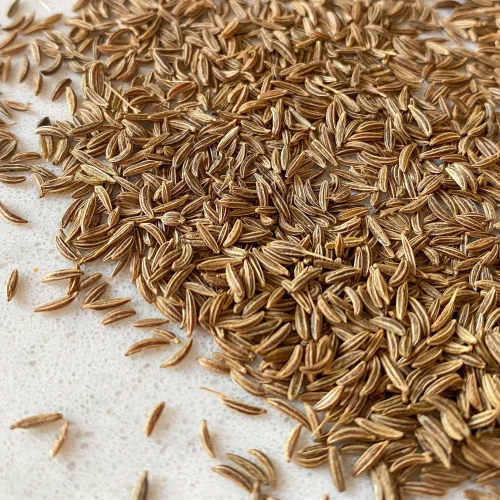
Caraway Seeds
Harbor
Caraway Seeds
Contact
MOQ: 1 Unit
Hot Chili
Harbor
Hot Chili
Contact
MOQ: 1 Unit
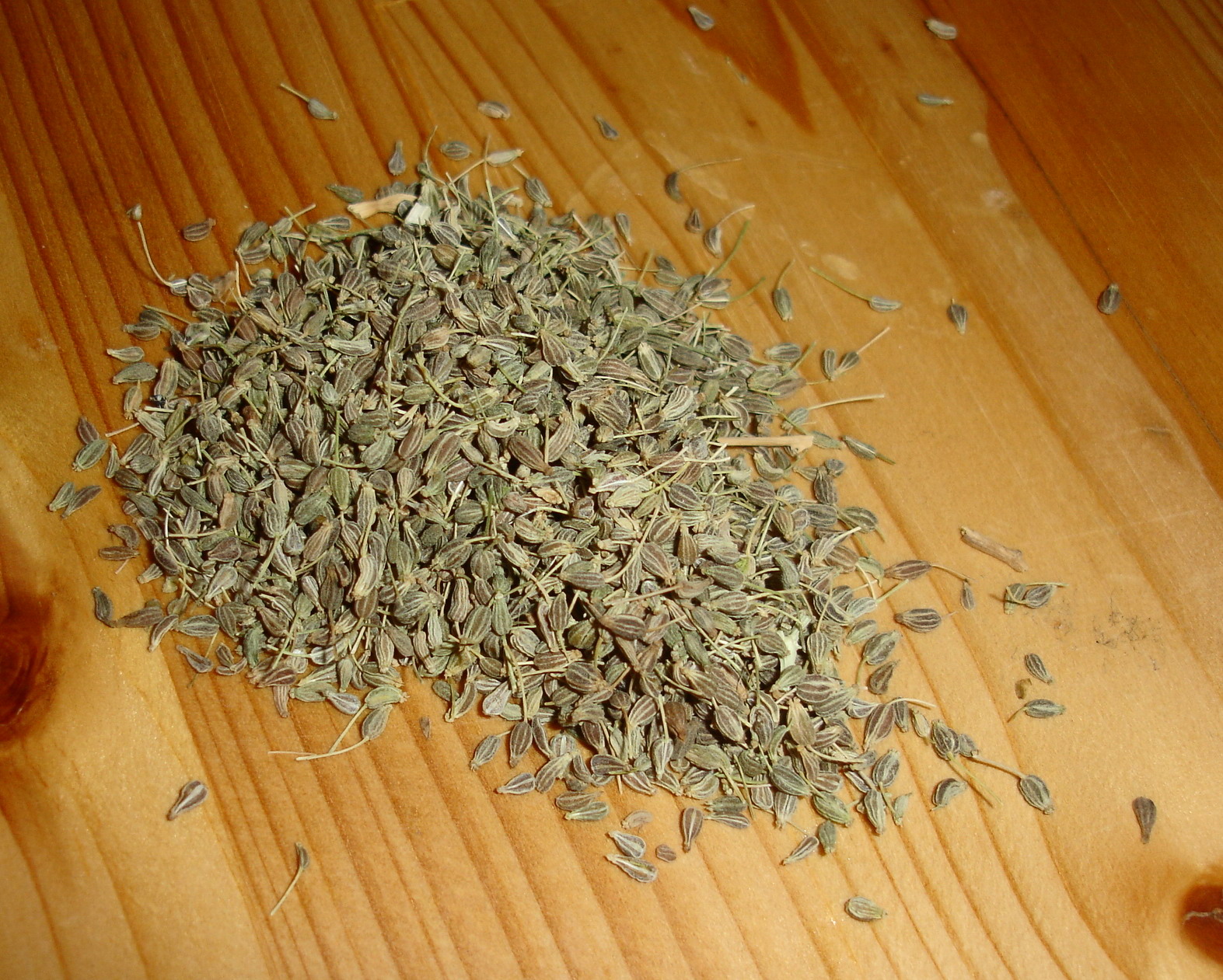
Anise Seeds
Harbor
Anise Seeds
Contact
MOQ: 1 Unit
Fennel Seeds
Harbor
Fennel Seeds
Contact
MOQ: 1 Unit
Fenugreek Seeds
Harbor
Fenugreek Seeds
Contact
MOQ: 1 Unit
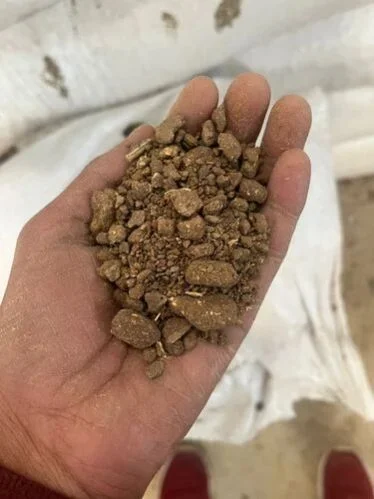
Splitted Broad Faba Beans
Harbor
Splitted Broad Faba Beans
Contact
MOQ: 1 Unit

About HM Spices - Spices Supplier in Egypt

Egyptian supplier HM Spices lists eight active products, covering a mix of spice seeds, legumes and essential oil. The catalogue includes Caraway Seeds, Hot Chili, Anise Seeds (HS 0909.11, material Pimpinella anisum), Fennel Seeds, Fenugreek Seeds, Splitted Broad Faba Beans (HS 0713.90, material Dried Split Broad Faba Beans), Frankincense Myrrh and golden sesame seeds. Each entry is recorded under the appropriate HS chapter for spices (09), legumes (07) or aromatic oils (33). The supplier’s portfolio reflects typical Egyptian export commodities that are shipped to food‑processing, confectionery and fragrance markets worldwide.

The product list emphasizes seed quality and botanical origin rather than processed blends. No additional processing specifications are provided, so buyers must rely on standard industry grades such as ICUMSA for sesame, ISO 22000 for spice hygiene, and moisture limits of 12 % for dried beans. The presence of HS codes for Anise Seeds and Broad Faba Beans aligns with customs documentation requirements for bulk agricultural commodities.

Product Range and Specialties of HM Spices

HM Spices’ catalogue groups items into three material families: spice seeds (Caraway, Hot Chili, Anise, Fennel, Fenugreek), legume beans (Splitted Broad Faba Beans) and aromatic resin oil (Frankincense Myrrh) plus oil‑seed (golden sesame seeds). In the global spice trade, seed varieties are commonly graded by size (e.g., 2 mm for caraway), colour, and essential oil content; sesame seeds are typically classified by hull‑on/hull‑off status and oil extraction yield. Buyers usually request specifications such as ICUMSA 45‑50 for white sesame, moisture ≤ 8 % for beans, and anise oil content ≥ 1 % for anise seeds. These industry benchmarks help align HM Spices’ raw seed offerings with buyer expectations.

The legume entry, Splitted Broad Faba Beans, follows standard HS 0713.90 classification for split dry beans. Typical export specifications include a uniform split length of 10‑12 mm, moisture ≤ 12 %, and absence of foreign material above 0.5 %. Frankincense Myrrh, classified under HS 3301 for essential oils, is usually evaluated by resin grade (grade A‑C) and oil yield measured in mL per 100 g of resin.

Trade and Export Information - HM Spices

Egypt is a major exporter of spice seeds and aromatic resins to the Middle East, Europe and North America. HS 0909 covers spice seeds, while HS 0713 addresses dried beans; both chapters are subject to phytosanitary certificates and, where required, import permits for pesticide residues. Buyers typically import these goods in 20‑ft or 40‑ft containers, using bulk bags (25 kg) for seeds and sealed fibre drums for frankincense oil. Standard Incoterms such as FOB Alexandria or CIF Dubai are common for Egyptian spice shipments. Certifications frequently requested by importers include ISO 9001 for quality management, ISO 22000 for food safety, and a Phytosanitary Certificate issued by the Egyptian Plant Quarantine Authority.

Typical destination markets include food‑manufacturing hubs in the EU (Germany, Spain), the Gulf Cooperation Council (UAE, Saudi Arabia) and the United States. Export logistics often involve temperature‑controlled containers for oil‑rich seeds to preserve volatile compounds, and moisture‑proof packaging for beans to prevent spoilage during sea transit.

Sourcing from HM Spices - Buyer Guidance

When sourcing from HM Spices, buyers should request a sample analysis report covering moisture content, microbial load (cfu ≤ 10³ CFU/g) and pesticide residue levels in line with EU Regulation EU 396/2005. For Anise Seeds and other spice seeds, a GC‑MS test confirming essential oil percentage is standard practice. Verification of the Phytosanitary Certificate and, where applicable, a Certificate of Origin will confirm compliance with destination country import rules.

Buyers are advised to confirm the HS codes provided (0909.11 for Anise Seeds, 0713.90 for Split Broad Faba Beans) match the product description on the commercial invoice. Requesting a third‑party lab report for oil content of Frankincense Myrrh and a hull‑on/hull‑off determination for sesame seeds will reduce risk of non‑conformity. Minimum order quantities usually start at 500 kg per seed type, with lead times of 25‑35 days from order confirmation to shipment.

Frequently Asked Questions About HM Spices

What HS codes are associated with HM Spices’ products?

Anise Seeds are listed under HS 0909.11 and Splitted Broad Faba Beans under HS 0713.90. Other items fall within the broader HS 0909 (spice seeds) or HS 3301 (essential oils) chapters.

Can I obtain a sample of the Caraway Seeds before placing a bulk order?

Yes, HM Spices can provide a 500 g sample sealed in a moisture‑proof pouch. The sample should include a certificate of analysis for moisture and microbial limits.

Which certifications should I request for the spice seeds?

Typical certifications include ISO 22000 for food safety, a Phytosanitary Certificate, and a pesticide residue test report complying with EU 396/2005. HM Spices does not list specific certifications, so buyers should request them explicitly.

What is the usual packaging for the Splitted Broad Faba Beans?

The beans are normally packed in 25 kg polypropylene bulk bags with inner liners to protect against moisture. Bags are sealed and labeled with the HS code and country of origin.

What are the standard moisture limits for the beans and seeds?

For dried split beans the industry limit is ≤ 12 % moisture; for spice seeds such as fennel or fenugreek the limit is typically ≤ 10 %.

Which Incoterms are commonly used for shipments from Egypt?

Buyers often use FOB Alexandria or CIF Dubai, depending on the destination port and logistics preferences.

How is Frankincense Myrrh typically shipped?

The resin is usually packed in sealed fibre drums or wooden boxes, protected from humidity, and shipped in a 20‑ft container with a desiccant pack.

What documentation is required for importing the sesame seeds into the EU?

Importers must present a Phytosanitary Certificate, a Certificate of Origin, and a lab report confirming compliance with EU maximum levels for aflatoxins and pesticide residues.

About HM Spices - Spices Supplier in Egypt

Egyptian supplier HM Spices lists eight active products, covering a mix of spice seeds, legumes and essential oil. The catalogue includes Caraway Seeds, Hot Chili, Anise Seeds (HS 0909.11, material Pimpinella anisum), Fennel Seeds, Fenugreek Seeds, Splitted Broad Faba Beans (HS 0713.90, material Dried Split Broad Faba Beans), Frankincense Myrrh and golden sesame seeds. Each entry is recorded under the appropriate HS chapter for spices (09), legumes (07) or aromatic oils (33). The supplier’s portfolio reflects typical Egyptian export commodities that are shipped to food‑processing, confectionery and fragrance markets worldwide.

The product list emphasizes seed quality and botanical origin rather than processed blends. No additional processing specifications are provided, so buyers must rely on standard industry grades such as ICUMSA for sesame, ISO 22000 for spice hygiene, and moisture limits of 12 % for dried beans. The presence of HS codes for Anise Seeds and Broad Faba Beans aligns with customs documentation requirements for bulk agricultural commodities.

Product Range and Specialties of HM Spices

HM Spices’ catalogue groups items into three material families: spice seeds (Caraway, Hot Chili, Anise, Fennel, Fenugreek), legume beans (Splitted Broad Faba Beans) and aromatic resin oil (Frankincense Myrrh) plus oil‑seed (golden sesame seeds). In the global spice trade, seed varieties are commonly graded by size (e.g., 2 mm for caraway), colour, and essential oil content; sesame seeds are typically classified by hull‑on/hull‑off status and oil extraction yield. Buyers usually request specifications such as ICUMSA 45‑50 for white sesame, moisture ≤ 8 % for beans, and anise oil content ≥ 1 % for anise seeds. These industry benchmarks help align HM Spices’ raw seed offerings with buyer expectations.

The legume entry, Splitted Broad Faba Beans, follows standard HS 0713.90 classification for split dry beans. Typical export specifications include a uniform split length of 10‑12 mm, moisture ≤ 12 %, and absence of foreign material above 0.5 %. Frankincense Myrrh, classified under HS 3301 for essential oils, is usually evaluated by resin grade (grade A‑C) and oil yield measured in mL per 100 g of resin.

Trade and Export Information - HM Spices

Egypt is a major exporter of spice seeds and aromatic resins to the Middle East, Europe and North America. HS 0909 covers spice seeds, while HS 0713 addresses dried beans; both chapters are subject to phytosanitary certificates and, where required, import permits for pesticide residues. Buyers typically import these goods in 20‑ft or 40‑ft containers, using bulk bags (25 kg) for seeds and sealed fibre drums for frankincense oil. Standard Incoterms such as FOB Alexandria or CIF Dubai are common for Egyptian spice shipments. Certifications frequently requested by importers include ISO 9001 for quality management, ISO 22000 for food safety, and a Phytosanitary Certificate issued by the Egyptian Plant Quarantine Authority.

Typical destination markets include food‑manufacturing hubs in the EU (Germany, Spain), the Gulf Cooperation Council (UAE, Saudi Arabia) and the United States. Export logistics often involve temperature‑controlled containers for oil‑rich seeds to preserve volatile compounds, and moisture‑proof packaging for beans to prevent spoilage during sea transit.

Sourcing from HM Spices - Buyer Guidance

When sourcing from HM Spices, buyers should request a sample analysis report covering moisture content, microbial load (cfu ≤ 10³ CFU/g) and pesticide residue levels in line with EU Regulation EU 396/2005. For Anise Seeds and other spice seeds, a GC‑MS test confirming essential oil percentage is standard practice. Verification of the Phytosanitary Certificate and, where applicable, a Certificate of Origin will confirm compliance with destination country import rules.

Buyers are advised to confirm the HS codes provided (0909.11 for Anise Seeds, 0713.90 for Split Broad Faba Beans) match the product description on the commercial invoice. Requesting a third‑party lab report for oil content of Frankincense Myrrh and a hull‑on/hull‑off determination for sesame seeds will reduce risk of non‑conformity. Minimum order quantities usually start at 500 kg per seed type, with lead times of 25‑35 days from order confirmation to shipment.

Frequently Asked Questions About HM Spices
What HS codes are associated with HM Spices’ products?
Anise Seeds are listed under HS 0909.11 and Splitted Broad Faba Beans under HS 0713.90. Other items fall within the broader HS 0909 (spice seeds) or HS 3301 (essential oils) chapters.
Can I obtain a sample of the Caraway Seeds before placing a bulk order?
Yes, HM Spices can provide a 500 g sample sealed in a moisture‑proof pouch. The sample should include a certificate of analysis for moisture and microbial limits.
Which certifications should I request for the spice seeds?
Typical certifications include ISO 22000 for food safety, a Phytosanitary Certificate, and a pesticide residue test report complying with EU 396/2005. HM Spices does not list specific certifications, so buyers should request them explicitly.
What is the usual packaging for the Splitted Broad Faba Beans?
The beans are normally packed in 25 kg polypropylene bulk bags with inner liners to protect against moisture. Bags are sealed and labeled with the HS code and country of origin.
What are the standard moisture limits for the beans and seeds?
For dried split beans the industry limit is ≤ 12 % moisture; for spice seeds such as fennel or fenugreek the limit is typically ≤ 10 %.
Which Incoterms are commonly used for shipments from Egypt?
Buyers often use FOB Alexandria or CIF Dubai, depending on the destination port and logistics preferences.
How is Frankincense Myrrh typically shipped?
The resin is usually packed in sealed fibre drums or wooden boxes, protected from humidity, and shipped in a 20‑ft container with a desiccant pack.
What documentation is required for importing the sesame seeds into the EU?
Importers must present a Phytosanitary Certificate, a Certificate of Origin, and a lab report confirming compliance with EU maximum levels for aflatoxins and pesticide residues.

🏭
HM Spices
Country flag , Egypt
Harbor
54/100
Trust Score
📦
8
Products
Free to contact — no commission
Escrow payment available
Verified business identity
Compare more suppliers
Post a requirement — get 10 quotes free
Let verified suppliers compete for your business. Free, fast, no commitment.
EximNext Verified Supplier
Business identity verified
Physical address confirmed
Financial history checked
Certifications authenticated
Trade references validated
Due Diligence
Verify this supplier's real shipping history.
Every shipment, every buyer, every port. Trade data that can't be faked.
Run due diligence →
Discover More

Related Suppliers & Products

Explore similar suppliers, related products and trending categories

Featured Products from this Supplier

Other Suppliers in Primary Category

Top Trusted Suppliers

Related Products

Trending in Parent Category

More Suppliers in Category

Stay ahead in global trade
Weekly market insights & new supplier alerts.
EximNext
Exim Next is a leading global B2B marketplace, connecting over 205,000 verified suppliers and buyers across 200+ countries. As a trusted import export marketplace, it serves as the essential B2B portal for businesses worldwide, empowering them to expand their international reach. With Exim Next, businesses can trade smarter and grow faster.
SECURE PAYMENTS
VISAMastercardPayPalSWIFTL/CEscrow
Follow us
© 2026 EximNext