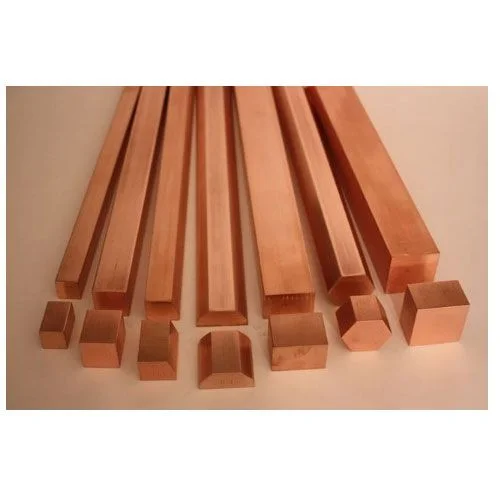
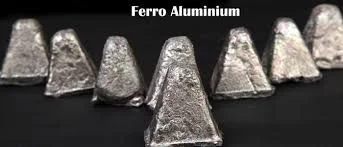
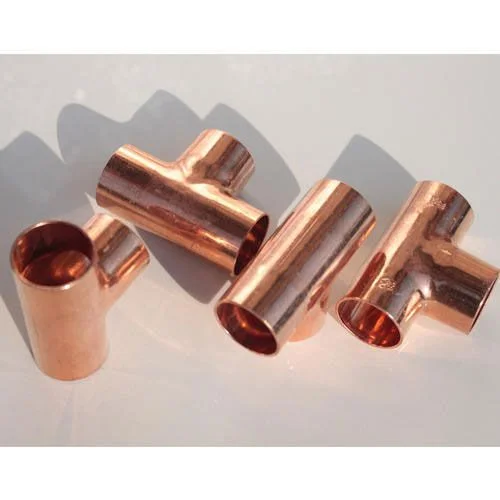
Hebei Kaihong Copper Alloy Co., Ltd. — Verified Supplier
About Hebei Kaihong Copper Alloy Co., Ltd. - Copper Wires Supplier in China
Hebei Kaihong Copper Alloy Co., Ltd. is located in Hebei province, China and currently lists five distinct copper wire products in its catalogue. The catalogue covers flexible twisted copper wires (TJR‑1, 2, 3), a copper‑silver trolley wire series (CTA), a steel‑cored aluminum alloy compound trolley wire, a copper‑magnesium twisted wire classified under HS code 7403.29, and a copper‑magnesium trolley contact line. The copper‑magnesium twisted wire is specified as a CuMg alloy with typical composition between 0.2 % and 0.5 % magnesium. The product list falls under the broader categories of Agriculture and Copper Wires as indicated in the supplier’s top categories.
The flexible twisted copper wires (TJR‑1, 2, 3) are designed for applications requiring high flexibility and conductivity. The CTA series combines copper with silver to improve conductivity and wear resistance for trolley‑type power transmission. The steel‑cored aluminum alloy compound trolley wire uses an aluminum alloy matrix reinforced with a steel core to balance lightweight construction with mechanical strength. The copper‑magnesium trolley contact line is intended for contact applications where increased strength and corrosion resistance are desired. All listed items are grouped under the HS chapter 74 for copper products, with the copper‑magnesium twisted wire explicitly assigned HS code 7403.29.
Product Range and Specialties of Hebei Kaihong Copper Alloy Co., Ltd.
The catalogue includes flexible twisted copper wire (TJR‑1‑3). In the copper wire market, flexible conductors are commonly produced to IEC 60228 class 5 or class 2, with stranded designs ranging from 0.2 mm² to 10 mm² cross‑section, tensile strength around 200 MPa, and copper purity of 99.9 %. The CTA copper‑silver trolley wire belongs to the family of copper‑alloy conductors where silver content typically ranges from 5 % to 15 % to boost conductivity and reduce oxidation; such wires are often supplied in sizes up to 35 mm² for tram or trolley systems.
The steel‑cored aluminum alloy compound trolley wire combines an aluminum alloy (commonly 6063 or 6101) with a steel core, a configuration used to achieve lower weight while maintaining tensile strength above 250 MPa; standard dimensions include 0.5 mm² to 70 mm². The copper‑magnesium twisted wire, identified with HS code 7403.29, uses a CuMg alloy where magnesium content of 0.2‑0.5 % improves strength and corrosion resistance; typical specifications call for tensile strength of 250‑300 MPa and conductivity of about 86 % IACS. The copper‑magnesium trolley contact line follows similar alloy specifications and is often supplied in rod or strip form for contact brushes, with surface hardness around 80‑100 HB.
Trade and Export Information - Hebei Kaihong Copper Alloy Co., Ltd.
China is a major exporter of copper conductors, with the majority of shipments destined for Southeast Asian infrastructure projects, European electrical equipment manufacturers, and Middle Eastern power grid upgrades. HS chapter 74, specifically sub‑heading 7403, covers copper wire and cable, and customs authorities commonly require a commercial invoice, packing list, and a test report confirming copper purity and tensile properties for compliance.
Buyers typically request certifications such as ISO 9001 quality management, CE marking for electrical safety, and RoHS compliance for hazardous substance limits, although the supplier’s own certifications are not listed in the facts. Standard export packaging includes spooled wire on wooden or steel pallets, with container loading on 20‑ft or 40‑ft units; Incoterms like FOB Tianjin or CIF Shanghai are frequently used for these products. Export documentation from China also often includes a certificate of origin and, for copper alloys, a material test certificate aligned with ASTM B179 or equivalent Chinese standards.
Sourcing from Hebei Kaihong Copper Alloy Co., Ltd. - Buyer Guidance
Prospective buyers should request a material test certificate that details copper purity, magnesium content (for CuMg alloys), tensile strength, and conductivity, referencing standards such as IEC 60228 and ASTM B179. Samples of each wire type - for example a 10 m spool of flexible twisted copper wire or a 1 kg coil of copper‑magnesium twisted wire - allow verification of strand construction, flexibility, and surface finish before placing a bulk order.
Verification of the HS code (7403.29 for the CuMg twisted wire) on commercial invoices helps ensure correct tariff treatment; buyers should also confirm that the supplier can provide RoHS and CE test reports if the wires are intended for equipment subject to European regulations. Clarifying the required packaging (e.g., coil diameter, pallet dimensions) and preferred Incoterm early in the negotiation reduces shipping delays, and typical minimum order quantities for custom‑spec copper conductors range from 500 kg to 2 tonnes depending on the wire gauge.
Frequently Asked Questions About Hebei Kaihong Copper Alloy Co., Ltd.
What are the standard dimensions and grades available for the flexible twisted copper wire (TJR‑1, 2, 3)?
The flexible twisted copper wire is supplied in stranded constructions that conform to IEC 60228 class 5, with cross‑sectional areas typically from 0.2 mm² up to 10 mm² and a copper purity of 99.9 %. Tensile strength is usually around 200 MPa and the wire is wound on spools suitable for bulk shipment.
Does the CTA copper‑silver trolley wire contain a specific silver percentage, and what conductivity can buyers expect?
CTA series wires generally incorporate 5 % - 15 % silver alloyed with copper, which raises the electrical conductivity to approximately 95 % IACS (International Annealed Copper Standard). The wires are designed for trolley power applications and are offered in sizes up to 35 mm².
What material specifications apply to the steel‑cored aluminum alloy compound trolley wire?
The compound trolley wire uses an aluminum alloy core (commonly 6063 or 6101) reinforced with a steel strand, delivering tensile strengths of 250 MPa or higher while keeping the overall weight lower than solid copper. Standard sizes range from 0.5 mm² to 70 mm², and the product complies with IEC 60228 class 2 requirements.
Which test reports should be requested for the copper‑magnesium twisted wire identified with HS code 7403.29?
Buyers should ask for a material test certificate showing the exact CuMg composition (0.2 % - 0.5 % Mg), copper purity, tensile strength (250‑300 MPa), and conductivity (about 86 % IACS). Alignment with ASTM B179 or the equivalent Chinese GB standards is common practice.
Are there any typical certifications or regulatory documents required for importing these copper wires?
Importers usually request ISO 9001 quality‑management certification, RoHS compliance statements, and CE conformity for electrical safety where applicable. A certificate of origin and a customs‑compliant commercial invoice referencing the correct HS code are also standard.
What are the usual packaging and shipping methods for the listed wire products?
Wire products are typically coiled on wooden or steel pallets, wrapped in moisture‑resistant film, and loaded into 20‑ft or 40‑ft containers. Shipping terms often follow FOB ports such as Tianjin or CIF Shanghai, with load plans designed to prevent coil deformation.
What minimum order quantities and lead times are typical for these copper wire products?
Minimum order quantities generally start at 500 kg for standard gauges and may rise to 2 tonnes for custom‑spec sizes. Lead times are commonly 4‑6 weeks after order confirmation, depending on product availability and required testing documentation.




 , China