Haston International Inc. — Supplier
About Haston International Inc. - Plastic Moulded Furniture Supplier in China
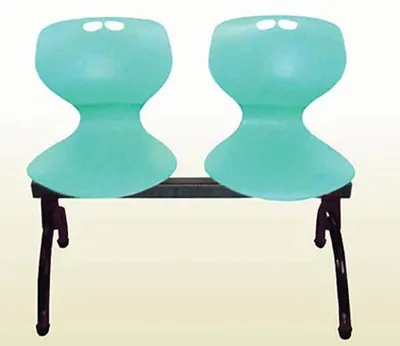
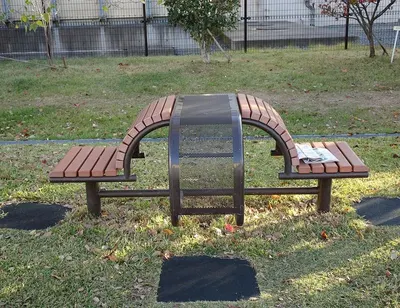
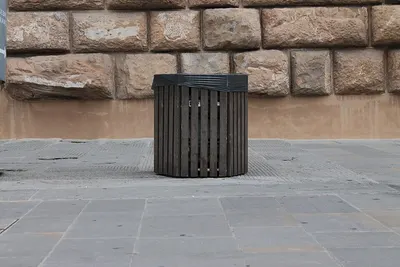
China hosts Haston International Inc., an imported supplier with eight listed products. The supplier focuses on plastic‑moulded outdoor furniture and accessories. Its catalogue covers items such as park benches, leisure benches with backrests, portable picnic tables, and various trash receptacles. It also lists bike racks that fall under bicycle parts. All products are described under broad HS‑code families for outdoor plastic furniture (typically 9401) and plastic articles (typically 3926).
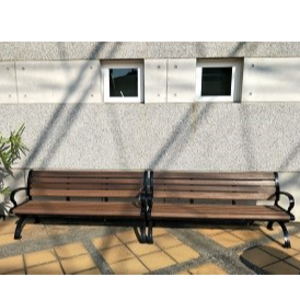
The listed items are grouped into four top categories: Plastic Moulded Furniture, Visitor Benches, Dustbin, and Bicycle Parts. Specific products include a standard park bench, a leisure bench with back, a portable picnic table, round and rectangular trash receptacles, and bike racks. The product titles indicate variations in backrest design and mobility, which are common differentiation points in the outdoor furniture market. No additional product specifications such as dimensions or material grades are provided in the source data. Buyers can reference the HS‑code families mentioned to align customs declarations.
Product Range and Specialties of Haston International Inc.
The catalogue comprises park benches, leisure benches with and without backrests, a portable picnic table, two styles of trash receptacles, and bike racks. These items are typical of the plastic‑moulded furniture segment, where high‑density polyethylene (HDPE) and polypropylene (PP) are the dominant polymers due to their weather resistance and impact strength. Industry standards often specify UV‑stabilised grades, melt flow indices between 10 - 20 g/10 min, and colour consistency within ±5 % tolerance. Bench products frequently meet EN 16139 for load‑bearing capacity (minimum 200 kg static) and ASTM F1561 for outdoor durability, while trash receptacles are usually classified under HS 3926 and conform to ISO 9001 quality management. Bike racks generally fall under HS 8714 and are fabricated from injection‑moulded PP with reinforced ribs to achieve tensile strengths above 30 MPa.
Trade and Export Information - Haston International Inc.
China remains one of the largest exporters of plastic outdoor furniture, supplying Europe, North America and Southeast Asia through sea freight in 20 ft and 40 ft containers. HS 9401 (seats) and HS 3926 (other plastic articles) are the primary customs classifications for the listed benches and trash receptacles, while HS 8714 covers the bicycle‑part category. Importers typically require CE marking for EU shipments and ASTM or ISO test reports for UV resistance, load capacity and fire safety. Commonly requested certifications include ISO 9001 for the production system, ISO 14001 for environmental management, and, where applicable, REACH compliance for chemical safety. Standard Incoterms such as FOB Shanghai or CIF Los Angeles are used, with pallets stacked to a maximum height of 2.2 m to fit container dimensions.
Sourcing from Haston International Inc. - Buyer Guidance
When evaluating Haston International Inc., buyers should request material data sheets that detail polymer type, melt flow index and UV‑stabiliser content. Test reports for static load (bench), impact resistance (trash receptacle) and tensile strength (bike rack) are standard documents for verification. Ask for any existing ISO 9001 or ISO 14001 certificates and confirm that the products comply with the relevant HS codes before placing an order. Verify packaging specifications - typically double‑wall corrugated boxes for benches and bulk‑packed pallets for bike racks - and confirm container loading plans to avoid freight discrepancies. Clarify minimum order quantities, which in the Chinese plastic‑moulded sector often start at one 20 ft container (approximately 15 - 20 metric tonnes) and lead times of 30‑45 days after order confirmation.
Frequently Asked Questions About Haston International Inc.
What material are the park benches and leisure benches made from?
The benches are normally produced from high‑density polyethylene (HDPE) or polypropylene (PP) that are UV‑stabilised for outdoor exposure. Buyers should request the polymer grade and melt flow index to confirm suitability.
Which HS codes apply to the trash receptacles listed by Haston International Inc.?
Trash receptacles generally fall under HS 3926 (other plastic articles). The supplier’s catalogue does not list a specific sub‑heading, so buyers should verify the exact description when filing customs paperwork.
What certifications should a buyer request for the bike racks?
Typical certifications include ISO 9001 for quality management and any CE marking required for EU markets. Test reports for tensile strength (minimum 30 MPa) and impact resistance are also commonly requested.
Is a sample available before placing a full order?
Suppliers of plastic outdoor furniture usually provide a physical sample or a detailed product photograph with dimensions. Buyers should ask for a sample of the bench or trash bin to assess finish, colour consistency and structural rigidity.
What are the usual minimum order quantities for these products?
In the Chinese plastic‑moulded sector, MOQs often start at one 20 ft container, which translates to roughly 15 - 20 metric tonnes depending on product packaging. Specific MOQs can vary by item and should be confirmed with the supplier.
What packaging and shipping methods are typical for these items?
Benches and large trash receptacles are packed on double‑wall corrugated pallets, stacked to a height of 2.2 m, and loaded into 20 ft or 40 ft containers. Bike racks are usually bulk‑packed in crates or on pallets with protective film to prevent damage during transit.
Which markets commonly import Chinese plastic‑moulded furniture?
Europe, North America and the Asia‑Pacific region are the primary import markets for Chinese plastic outdoor furniture, driven by demand for low‑maintenance public‑space seating and waste‑management solutions.
What regulatory documents are typically required for import?
Importers generally need a commercial invoice, packing list, certificate of origin, and any relevant test reports (e.g., UV resistance, load capacity). For EU destinations, a CE declaration of conformity may also be required.




 , China