Hasita Tara Niyata CV — Verified Supplier
About Hasita Tara Niyata CV - Charcoal Supplier in Indonesia
Indonesia is a leading exporter of coconut‑derived products and wood charcoal, and Hasita Tara Niyata CV lists ten active products in its catalogue. The supplier’s portfolio spans charcoal, coco peat and coir pith, fresh and semi‑husked coconut, coconut shell, and other coconut by‑products. Each product aligns with standard HS chapters such as 4401 for charcoal, 1211 for coco peat, and 1006 for fresh coconut. The catalogue reflects the diversity of Indonesia’s coconut agriculture and forestry sectors. Buyers can locate the full product set under the ten entries recorded in the supplier’s system.
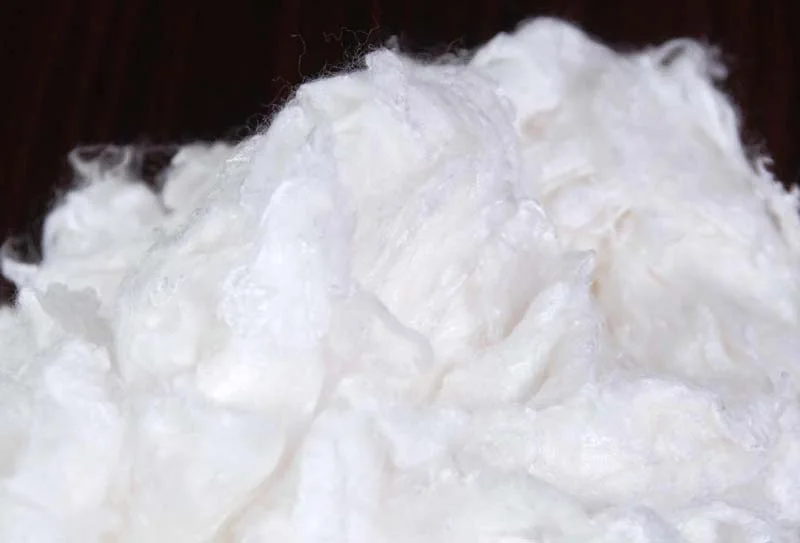
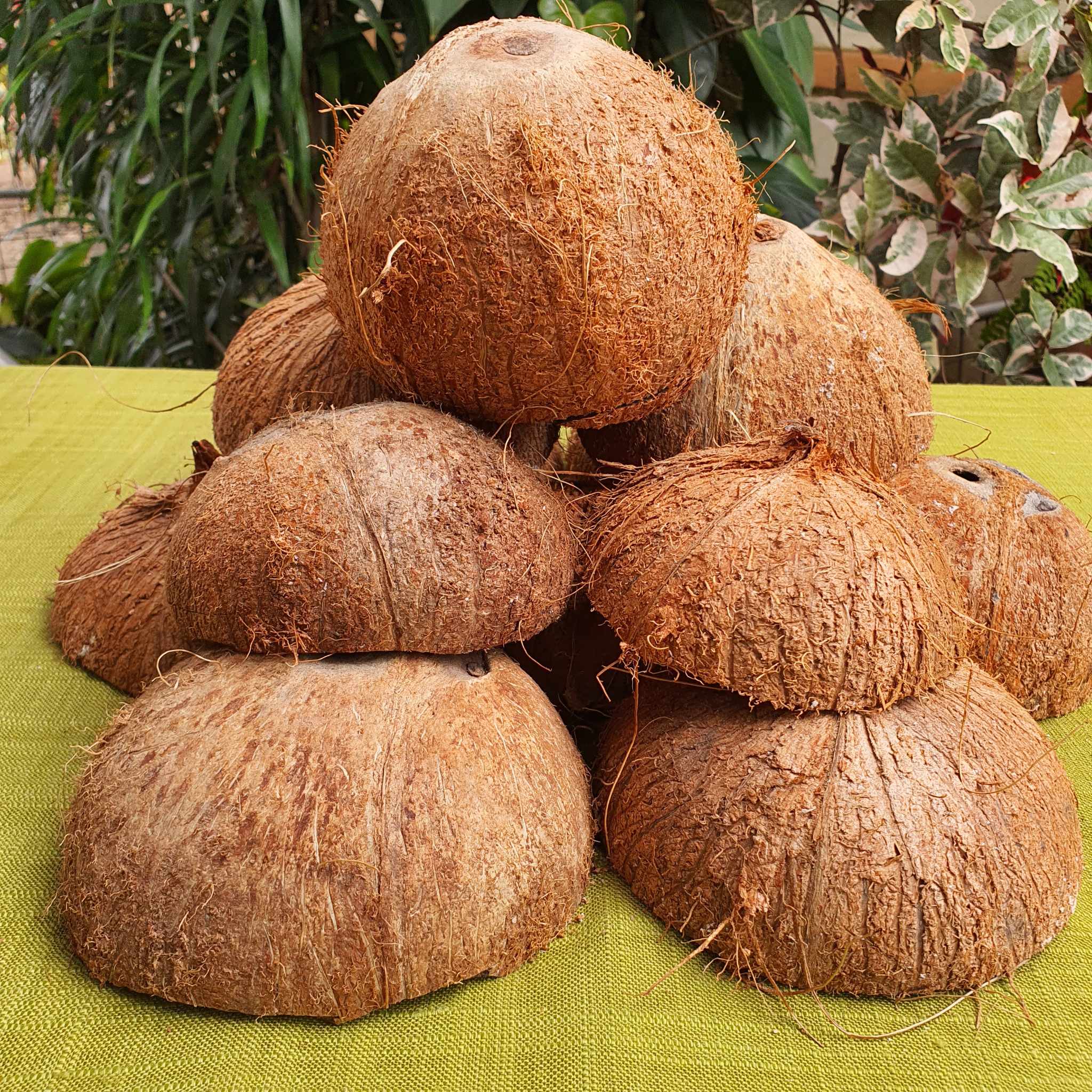
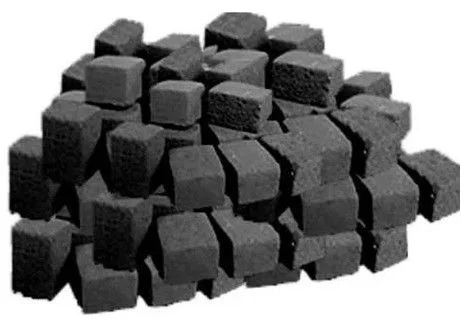
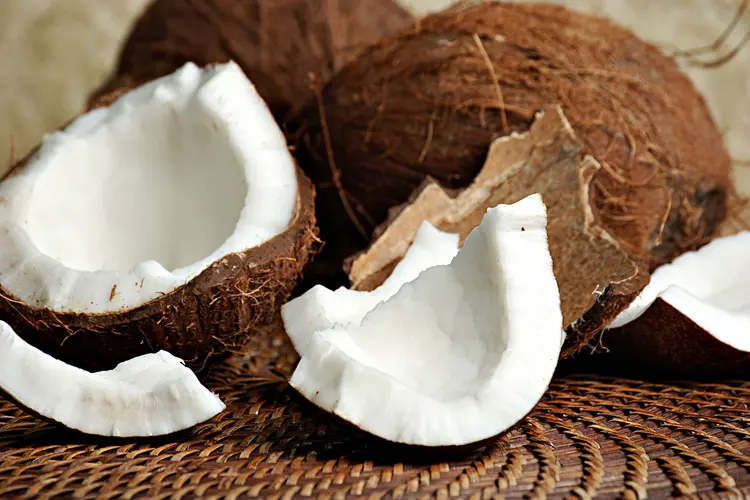
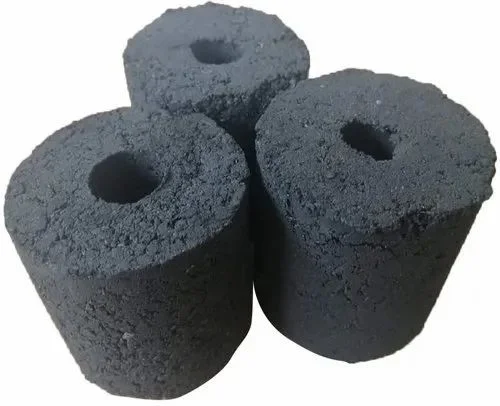
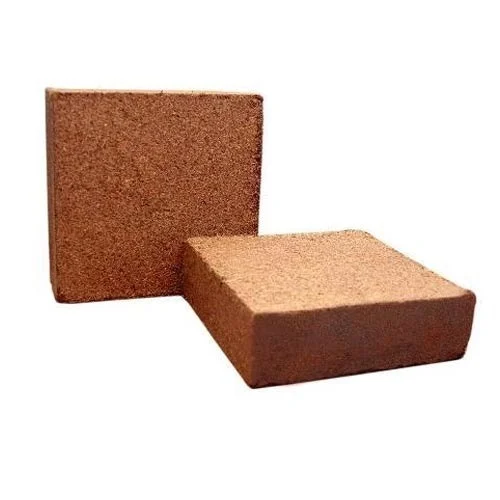
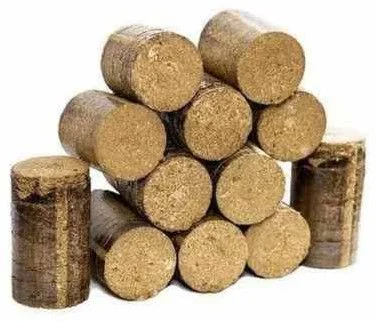
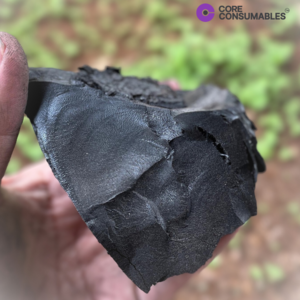
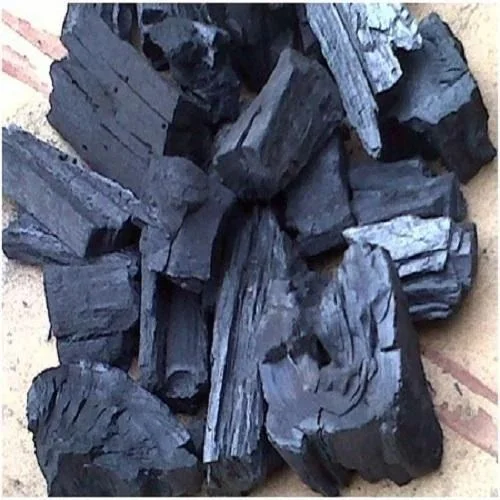
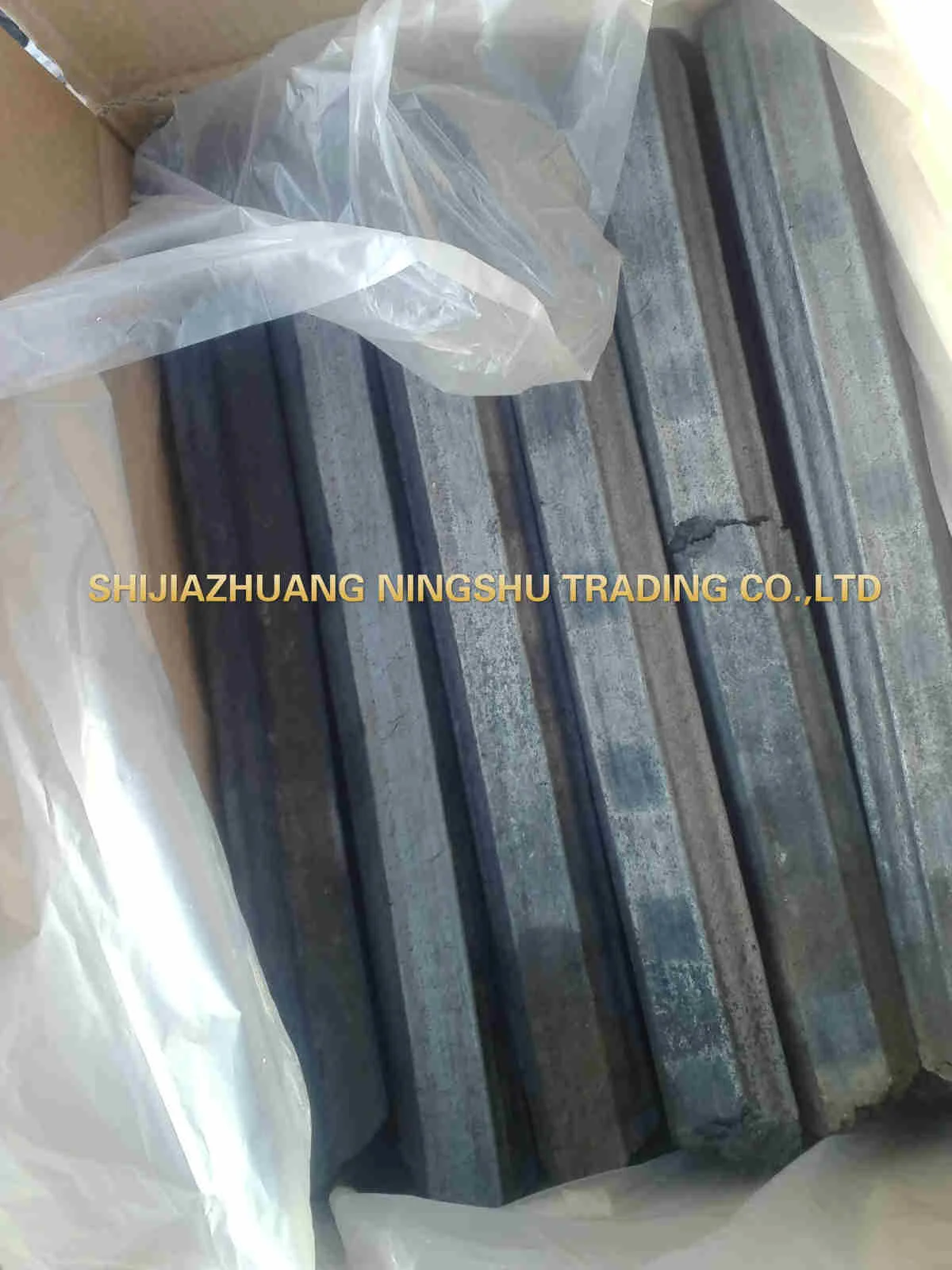
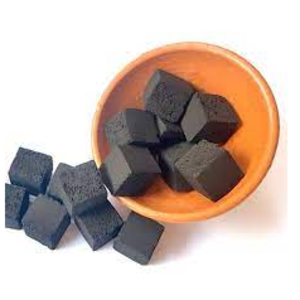
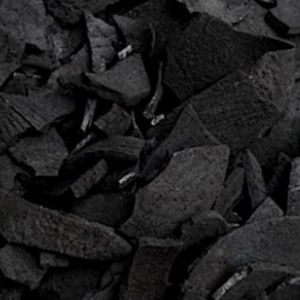
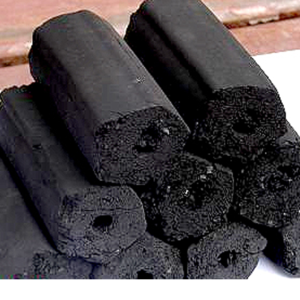
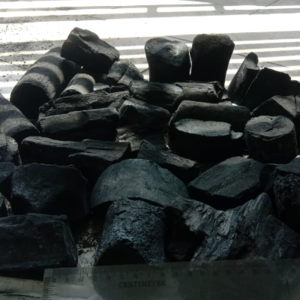
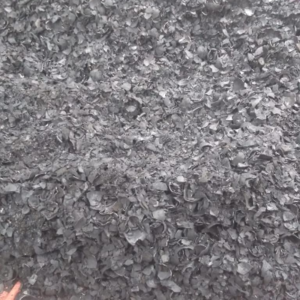
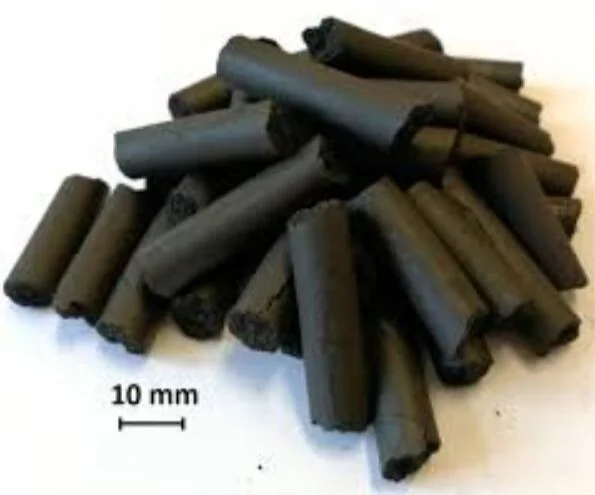
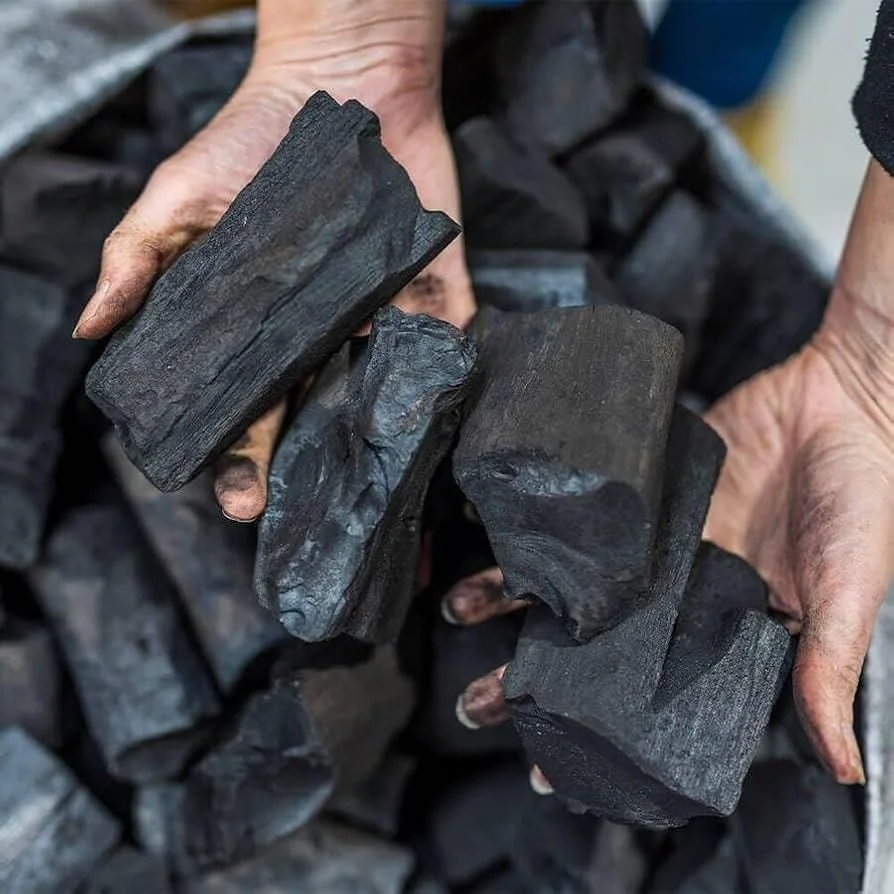
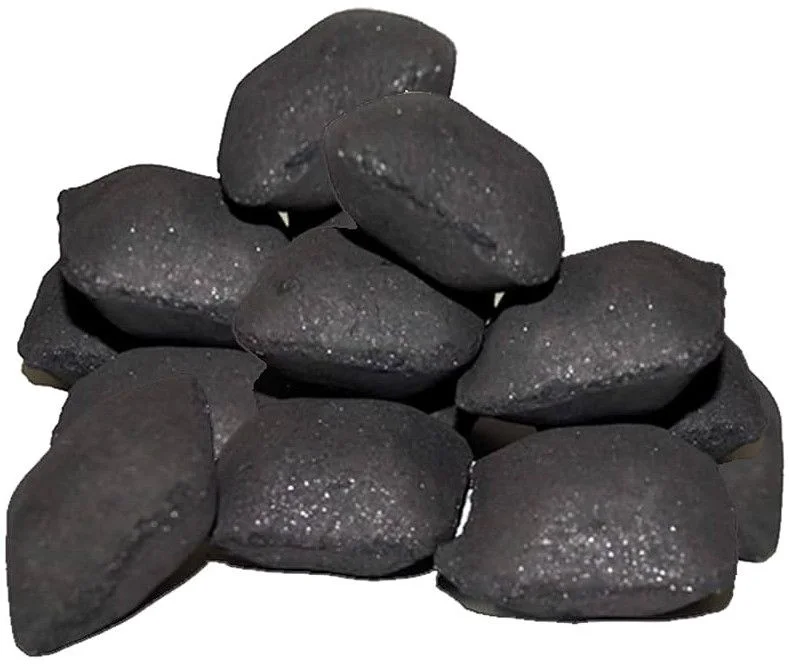
The listed items include Hexagonal Saw Dust Charcoal, Natural Size Coconut Shell Charcoal, and a Biomass pellet, which are typical forms of renewable charcoal used for grilling and industrial fuel. Coco Peat Block and Cocopeat Block represent compressed peat used for horticultural substrates, while Coconut Fiber and Arenga Pinnata Fiber are sold as natural fibers for growing media and erosion control. The fresh fruit offering consists of King Coconut and Semi Husked Matured Coconut, both harvested for water and meat consumption. Coconut Shell appears as a raw material for charcoal production and for manufacturing activated carbon. Together these products illustrate the supplier’s focus on coconut processing and related biomass.
Product Range and Specialties of Hasita Tara Niyata CV
The charcoal range comprises sawdust‑derived hexagonal pieces and natural‑size shell charcoal, both commonly classified under HS 4401. Industry specifications usually require a fixed carbon content of 70‑80 %, ash below 10 %, moisture under 5 %, and particle size between 5 mm and 30 mm for grilling applications. Biomass pellets are typically produced to meet ISO 17225 standards, with a calorific value of 16‑18 MJ kg⁻¹ and bulk density around 650 kg m⁻³. For horticultural uses, coco peat blocks are compressed to densities of 0.2‑0.3 g cm⁻³, pH 5.5‑6.5, and electrical conductivity below 1 mS cm⁻¹, matching the expectations of greenhouse growers. Coconut fiber and Arenga pinnata fiber are supplied in rolls or bales with a length of 20‑30 mm and a moisture content not exceeding 12 %.
The fresh coconut products, King Coconut and semi‑husked mature coconut, are typically sized 10‑12 cm in diameter and weigh 1.0‑1.5 kg per fruit, with water content above 70 % and a husk moisture of less than 15 %. These specifications align with food‑grade standards required by Asian and Middle Eastern markets.
Trade and Export Information - Hasita Tara Niyata CV
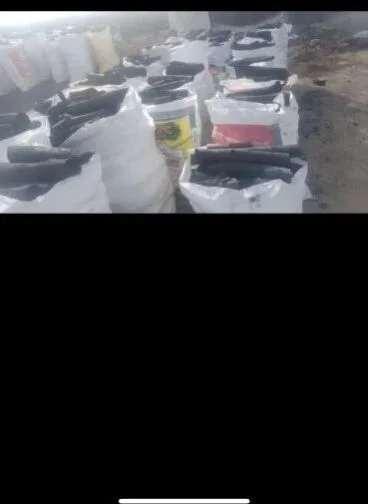
Indonesia exports coconut charcoal, coco peat and fresh coconut primarily to South Asia, the Middle East, and parts of Europe where horticulture and food processing demand renewable biomass. HS chapter 44 (charcoal) and chapter 12 (peat) are routinely inspected by customs and may require a phytosanitary certificate for any organic material. Buyers usually request ISO 9001 quality‑management certification and, for activated‑carbon applications, compliance with ISO 14001 environmental standards. Standard export packaging includes 20‑ft or 40‑ft containers packed in polypropylene bulk bags of 1 tonne for charcoal and in compressed blocks wrapped in moisture‑barrier film for coco peat.
Typical Incoterms used by Indonesian suppliers are FOB Jakarta or CIF Doha, reflecting the major ports of Java and the strong demand from the Gulf Cooperation Council. Export licences are generally straightforward for non‑restricted biomass, but fresh coconut shipments often need a plant‑health certificate confirming freedom from pests such as the coconut rhinoceros beetle. Shipping lead times from the port of Tanjung Priok to Asian destinations average 15‑20 days, while to European ports the transit is 30‑35 days.
Sourcing from Hasita Tara Niyata CV - Buyer Guidance
Prospective buyers should request a recent product analysis report covering moisture, ash, and fixed carbon for charcoal or pH and EC for coco peat. Samples of at least one kilogram are standard for laboratory verification, and a phytosanitary certificate is essential for fresh coconut imports. Confirm that the supplier can provide ISO 9001 or equivalent documentation, as this is a common prerequisite for large‑scale buyers.
Before placing a full order, verify the packaging dimensions - 1‑tonne bulk bags for charcoal and 25 kg compressed blocks for coco peat - to ensure container space planning. Minimum order quantities typically start at one 20‑ft container for bulk charcoal, while horticultural substrates may be ordered in multiples of 5 tonnes. Request a production lead time of 20‑30 days for charcoal and 15‑25 days for fresh coconut, allowing for any required quality inspections.
Frequently Asked Questions About Hasita Tara Niyata CV
What product categories does Hasita Tara Niyata CV offer?
The supplier lists ten products covering charcoal (sawdust and coconut shell), biomass pellets, coco peat blocks, coconut fiber, Arenga pinnata fiber, fresh coconut (King Coconut), semi‑husked mature coconut, and raw coconut shell.
Which HS codes are commonly associated with these products?
Charcoal items fall under HS 4401, coco peat and coir pith under HS 1211, fresh coconut under HS 1006, and biomass pellets under HS 4401 or 4403 depending on composition.
What quality specifications should buyers verify for the charcoal products?
Typical specifications include fixed carbon 70‑80 %, ash ≤10 %, moisture ≤5 %, and particle size 5‑30 mm; a recent ISO 17225 test report is recommended.
How is coco peat packaged for export?
Coco peat blocks are usually compressed to 1 tonne per polypropylene bag, wrapped in moisture‑barrier film, and loaded in 20‑ft or 40‑ft containers.
What certifications are normally required for fresh coconut imports?
Importers generally request a phytosanitary certificate, proof of compliance with food‑safety standards such as HACCP, and optionally ISO 9001 quality‑management documentation.
What are the typical minimum order quantities and lead times?
For bulk charcoal the MOQ is often one 20‑ft container (≈20 tonnes) with a lead time of 20‑30 days; coco peat orders start at 5 tonnes with 15‑25 days lead time; fresh coconut orders may require 1 tonne batches and 15‑20 days production time.
Which regions are the main import markets for these Indonesian coconut products?
Major destinations include India, Pakistan, Vietnam, Saudi Arabia, United Arab Emirates, and several European countries such as the Netherlands and Germany.




 , Indonesia