Hainan Huarong Chemical Co., Ltd. — Verified Supplier
About Hainan Huarong Chemical Co., Ltd. - Chemicals Supplier in China
China‑based Hainan Huarong Chemical Co., Ltd. lists five active chemical products in its catalogue. The listed items fall under the broader categories of Sodium Hexametaphosphate and general Chemicals & Allied Products, reflecting a focus on inorganic phosphates, epoxy precursors, amide monomers, organic acids and reducing agents. Each product is identified by name only, without additional technical specifications in the source data, and the supplier is classified as an imported tier within the trade platform.
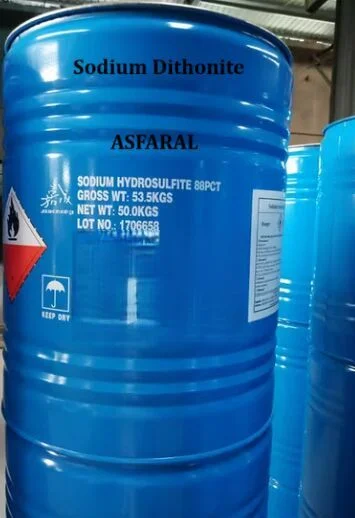
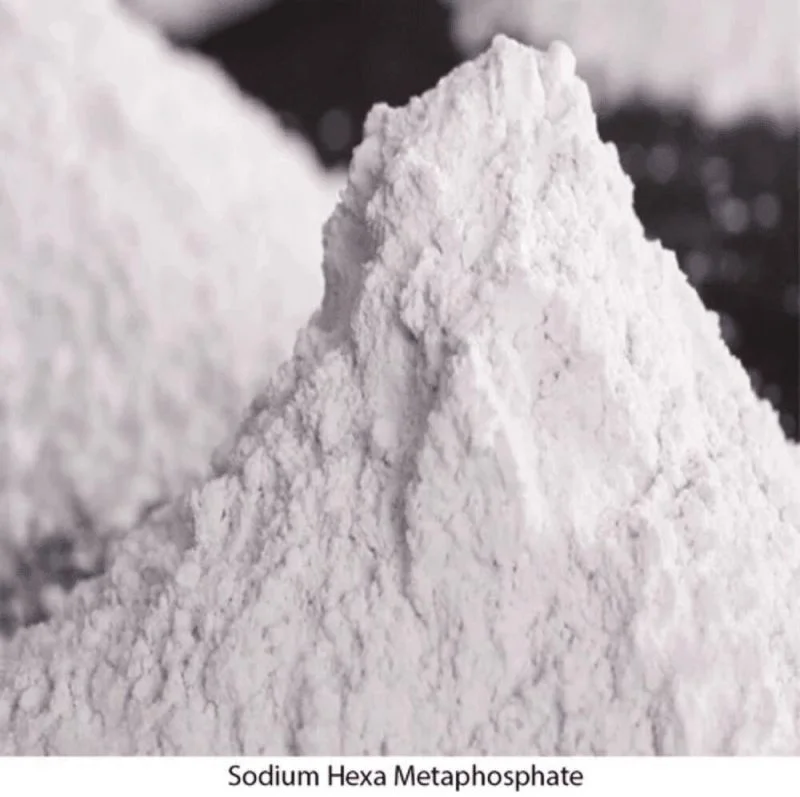
The catalogue includes Epichlorohydrin, Sodium hexametaphosphate, Acrylamide, Dl‑tartaric acid (anhydrous) and Sodium hydrosulfite. These chemicals are commonly classified under HS chapters for organic intermediates and inorganic chemicals, and they serve diverse industrial applications such as polymer production, water treatment, food processing and textile finishing. The supplier’s product count of five indicates a narrow but targeted portfolio within the chemical sector.
Product Range and Specialties of Hainan Huarong Chemical Co., Ltd.
The five listed chemicals represent standard grades used across multiple process industries. Epichlorohydrin is typically supplied at ≥99 % purity for epoxy resin manufacture, with specifications for moisture content below 0.05 %. Sodium hexametaphosphate is offered in grades ranging from 20 % to 40 % P₂O₅, used as a sequestrant in water‑treatment and detergent formulations. Acrylamide is usually provided at ≥99.5 % purity for polymerisation in the production of polyacrylamide flocculants. Dl‑tartaric acid (anhydrous) is supplied at ≥99 % purity for food‑grade acidification and pharmaceutical intermediates. Sodium hydrosulfite is commonly shipped as a 30 % aqueous solution or solid granules, with a standard reducing power of 1.1 % Na₂S₂O₄ by weight.
Industry practice dictates that each of these chemicals conforms to international standards such as ISO 9001 quality management, REACH registration for the European market, and ASTM or USP specifications where applicable. Buyers typically request a Certificate of Analysis (CoA) indicating assay, impurity profile, moisture and heavy‑metal limits, and may also require compliance with the Globally Harmonised System (GHS) for classification and labelling.
Trade and Export Information - Hainan Huarong Chemical Co., Ltd.
China is a major exporter of bulk and specialty chemicals, and the listed products are routinely shipped to buyers in Southeast Asia, Europe and North America. Trade flows for epichlorohydrin and acrylamide often target polymer manufacturers in the United States, Germany and Japan, while sodium hexametaphosphate and sodium hydrosulfite are frequently imported by water‑treatment firms in India and the Middle East. Dl‑tartaric acid finds demand in food‑processing plants in South Korea and Brazil. Export shipments are generally packed in 20‑ft or 40‑ft containers with inner drums or IBCs, complying with UN 3171 (for flammable liquids) or UN 3260 (for solid chemicals) as required by the product’s hazard class.
Customs clearance for these chemicals typically references HS headings in the 29‑chapter range (organic intermediates) and 28‑chapter range (inorganic chemicals). Importers normally request a full Material Safety Data Sheet (MSDS), REACH registration number, and, where applicable, an ISO‑9001 certificate from the supplier. Incoterms such as FOB Shanghai or CIF Shanghai are common, with freight forwarders arranging temperature‑controlled or ventilated containers for epichlorohydrin and acrylamide due to their volatility and moisture sensitivity.
Sourcing from Hainan Huarong Chemical Co., Ltd. - Buyer Guidance
Buyers should obtain a recent Certificate of Analysis for each batch, confirming assay, impurity limits, moisture content and heavy‑metal concentrations. For epichlorohydrin and acrylamide, a GC‑MS or HPLC report is standard to verify purity, while sodium hexametaphosphate requires a phosphate‑P₂O₅ analysis by titration. Requesting the supplier’s REACH registration and an up‑to‑date MSDS helps ensure regulatory compliance in the destination market.
Prior to order confirmation, verify the packaging specifications (e.g., 200 L IBCs for liquid chemicals, 25 kg HDPE drums for solids) and the stated storage conditions, especially temperature limits for epichlorohydrin (≤25 °C) and moisture protection for sodium hydrosulfite. Sampling policies commonly allow a 0.5 % sample of the order quantity for independent laboratory testing before full‑scale acceptance.
Frequently Asked Questions About Hainan Huarong Chemical Co., Ltd.
What purity level is typically offered for Epichlorohydrin?
Buyers usually receive Epichlorohydrin at a minimum of 99 % assay, verified by gas chromatography and accompanied by a moisture content not exceeding 0.05 %.
Which certification documents are standard for Sodium hexametaphosphate?
Standard documents include a Certificate of Analysis, an ISO‑9001 quality management certificate, and REACH registration proof for export to the European Union.
How is Acrylamide packaged for international shipment?
Acrylamide is commonly shipped in 25 kg HDPE drums or bulk 200 L IBCs, sealed with moisture‑barrier liners and labeled according to UN 3171 for flammable liquids.
What test reports are expected for Dl‑tartaric acid (anhydrous)?
A typical test report provides assay (≥99 % by HPLC), residual water content (≤0.1 % by Karl Fischer), and impurity profile per USP <1010>.
Are there specific storage requirements for Sodium hydrosulfite?
Sodium hydrosulfite should be stored in airtight containers, protected from moisture and temperatures above 30 °C to prevent premature oxidation.
Which markets commonly import these chemicals from China?
Major import markets include the United States, Germany, Japan, India and the United Arab Emirates, covering sectors such as polymers, water treatment, food processing and textiles.
What is the typical lead time for a first order?
First‑time orders generally require 4 - 6 weeks for production, quality documentation and container loading, depending on the product’s hazard classification and required certifications.




 , China