Guecal Vivero Colombiano S.A.S. — Supplier

About Guecal Vivero Colombiano S.A.S. - Agriculture Supplier in Colombia

Colombia is the origin of Guecal Vivero Colombiano S.A.S., which currently lists five agricultural products in its catalogue. The portfolio includes coconut fiber, papaya seed, mamey seed, fresh mamey fruit, and grafted mamey trees (Pouteria sapota). Each item is presented as a distinct product line for export. The company is categorized as an imported supplier with a harbor trust tier. The catalogue reflects a focus on tropical horticultural commodities.

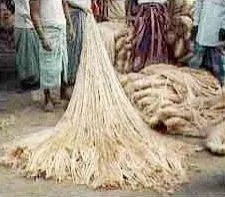
The coconut fiber entry refers to the fibrous husk material derived from coconut shells, commonly used in horticulture, erosion control, and composite manufacturing. Papaya seed is listed as a raw seed commodity, typically processed for oil extraction or animal feed. The mamey seed and fruit entries relate to the tropical fruit Pouteria sapota, with the seed used for propagation and the fruit for fresh market consumption. The grafted tree product denotes nursery‑grown mamey saplings that have been grafted onto selected rootstocks to improve vigor. All five items are classified under the agriculture sector in the supplier’s data.

Product Range and Specialties of Guecal Vivero Colombiano S.A.S.

Coconut fiber, also known as coir, is exported in grades ranging from coarse to fine, with industry specifications such as lignin content above 45 % and moisture below 12 %. Buyers often request 20 kg or 40 kg polypropylene bags, with fiber length between 5 mm and 30 mm for horticultural use. Papaya seeds are typically evaluated for oil content (approximately 30‑35 % by weight) and moisture under 8 %, and are shipped in bulk bags of 500 kg or in 25 kg paper bags for sample trials. Mamey seeds for propagation are graded by germination rate, commonly above 70 % after a standard viability test, and are packed in moisture‑controlled containers. Fresh mamey fruit is harvested at 8‑10 % soluble solids, packed in refrigerated cartons of 12 kg, and requires rapid cold chain handling to preserve shelf life. Grafted mamey trees are supplied as potted seedlings, with rootstock compatibility and a minimum height of 30 cm, and are usually shipped in insulated containers with protective packaging.

Trade and Export Information - Guecal Vivero Colombiano S.A.S.

Colombian exporters of coconut coir, papaya seed, and tropical fruit such as mamey typically ship to markets in North America, the European Union, and East Asia, where demand for natural fibers, vegetable oils, and exotic fruits is strong. The HS chapters involved include Chapter 46 for vegetable fibers, Chapter 08 for fruits and nuts, and Chapter 12 for oil seeds, each subject to standard customs duties and import permits. Commonly required certifications for these commodities are a phytosanitary certificate, a certificate of origin, and where applicable, an organic or GlobalGAP audit. Colombian export regulations mandate pre‑shipment inspections and compliance with the International Plant Protection Convention (IPPC) standards.

Logistics for coconut fiber often use containerized bulk shipments on 20‑foot or 40‑foot containers, while fresh fruit and grafted trees require refrigerated containers (reefers) to maintain temperature between 4 °C and 10 °C. Incoterms such as FOB or CIF are regularly used, with buyers arranging for inland transport from Colombian ports such as Cartagena or Buenaventura. Documentation typically includes the commercial invoice, packing list, bill of lading, and any required sanitary certificates.

Sourcing from Guecal Vivero Colombiano S.A.S. - Buyer Guidance

When sourcing coconut fiber from Guecal Vivero Colombiano S.A.S., buyers should request a sample batch with documented lignin and moisture analysis, as well as a test report confirming compliance with any required phytosanitary standards. For papaya seed, a germination test and oil content analysis are standard checks before confirming larger volumes. Mamey seed orders should be accompanied by a viability report showing germination percentages, and the fruit shipments should include a certificate of freshness indicating soluble solids and pesticide residue limits. Grafted tree purchases require a planting certificate, rootstock identification, and a phytosanitary clearance.

Buyers are advised to verify that packaging meets the target market’s material handling requirements, such as moisture‑barrier liners for seeds or insulated pallets for live trees. Typical minimum order quantities range from 500 kg for bulk fiber to 100 kg for seeds, and from 200 kg of fruit to a single pallet of grafted trees, with lead times of 30‑45 days for cultivated items. Requesting full test reports and, where necessary, third‑party laboratory certificates helps mitigate quality risk.

Frequently Asked Questions About Guecal Vivero Colombiano S.A.S.

What product categories does Guecal Vivero Colombiano S.A.S. offer?

The supplier lists coconut fiber, papaya seed, mamey seed, fresh mamey fruit, and grafted mamey trees. All items are classified under the agriculture sector.

How can I obtain a sample of coconut fiber?

Samples can be requested in 5 kg quantities, packaged in sealed polypropylene bags. The sample should be accompanied by a lab sheet showing lignin content and moisture level.

Which certifications should I ask for when importing papaya seeds?

Buyers typically request a phytosanitary certificate and a certificate of origin. An oil‑content analysis report is also standard, and if organic claims are required, an organic certification should be verified.

What quality parameters are used for mamey seed viability?

Standard tests include a germination rate assessment with a minimum of 70 % after 14 days. Moisture content is usually required to be below 10 %.

How is fresh mamey fruit packaged for export?

The fruit is packed in refrigerated cartons of 12 kg, with temperature control maintained between 4 °C and 10 °C. A freshness certificate stating soluble solids and pesticide residue limits accompanies the shipment.

What documentation is required for shipping grafted mamey trees?

Required documents include a phytosanitary certificate, a planting certificate specifying rootstock, a commercial invoice, and a packing list. An import permit may be needed in the destination country.

Which Incoterms are commonly used for these products?

Exporters from Colombia commonly use FOB (Free on Board) or CIF (Cost, Insurance, and Freight) to major ports such as Cartagena and Buenaventura. The chosen term determines the point at which responsibility transfers to the buyer.


Other Suppliers in Agriculture

Top Trusted Suppliers

Related Products

Other Suppliers

EximNext
7.1K+ live requirements
Register Free🎁 Reach global buyers
Post Requirement
🌍 Trusted by 225K+ businesses in 200+ countries|
7.1K+ active requirements right now
✉️ [email protected]
|
Sell on EximNextPost Requirement
EximNext
AgricultureApparelConstructionElectronicFoodHomeIndustrialMineralsMiscellaneous
🔥 Deals|✨ AI Match|🏭 Suppliers|📋 Buy Leads|💰 Trade Finance
7.1K+ live RFQs·194.8K+ suppliers
🎁 Reach global buyers →
EximNext
EximNext
Register Free
🎁 Reach global buyers
Sign In
📋Post Requirement💬Get Quotes✨AI Match📋RFQ Marketplace
All Categories
Services & Tools
🏭Supplier Directory🔥Today's Deals💰Trade Finance
Sell on EximNext →
AboutContactBlogHelp
Agriculture & Food  ·  Colombia
5
products listed

Guecal Vivero Colombiano S.A.S.

⚓ Harbor
Country flag , ColombiaNew supplier / no reviews yet
🛡️
55/100
Trust Score

Guecal Vivero Colombiano S.A.S. Product Catalog

Showing 5 of 5 products
View all products →
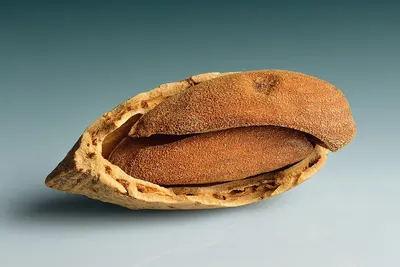
Mamey Seed (Pouteria sapota)
⚓ Harbor
Mamey Seed (Pouteria sapota)
Contact
MOQ: 1 Unit
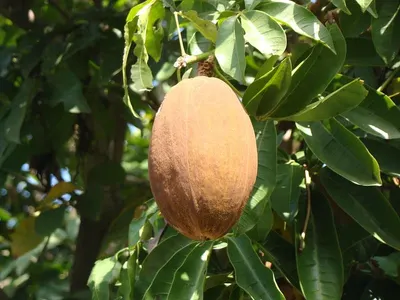
Mamey Fruit (Pouteria sapota)
⚓ Harbor
Mamey Fruit (Pouteria sapota)
Contact
MOQ: 1 Unit
Mamey Grafted Trees (Pouteria sapota)
⚓ Harbor
Mamey Grafted Trees (Pouteria sapota)
Contact
MOQ: 1 Unit
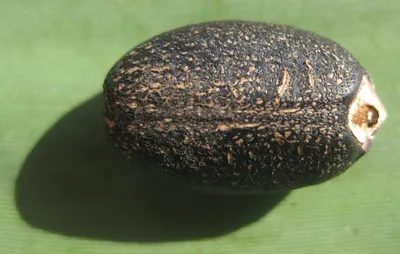
Papaya Seed
⚓ Harbor
Papaya Seed
Contact
MOQ: 1 Unit
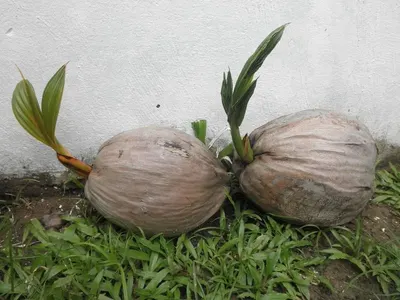
Coconut fiber
⚓ Harbor
Coconut fiber
Contact
MOQ: 1 Unit

About Guecal Vivero Colombiano S.A.S. - Agriculture Supplier in Colombia

Colombia is the origin of Guecal Vivero Colombiano S.A.S., which currently lists five agricultural products in its catalogue. The portfolio includes coconut fiber, papaya seed, mamey seed, fresh mamey fruit, and grafted mamey trees (Pouteria sapota). Each item is presented as a distinct product line for export. The company is categorized as an imported supplier with a harbor trust tier. The catalogue reflects a focus on tropical horticultural commodities.

The coconut fiber entry refers to the fibrous husk material derived from coconut shells, commonly used in horticulture, erosion control, and composite manufacturing. Papaya seed is listed as a raw seed commodity, typically processed for oil extraction or animal feed. The mamey seed and fruit entries relate to the tropical fruit Pouteria sapota, with the seed used for propagation and the fruit for fresh market consumption. The grafted tree product denotes nursery‑grown mamey saplings that have been grafted onto selected rootstocks to improve vigor. All five items are classified under the agriculture sector in the supplier’s data.

Product Range and Specialties of Guecal Vivero Colombiano S.A.S.

Coconut fiber, also known as coir, is exported in grades ranging from coarse to fine, with industry specifications such as lignin content above 45 % and moisture below 12 %. Buyers often request 20 kg or 40 kg polypropylene bags, with fiber length between 5 mm and 30 mm for horticultural use. Papaya seeds are typically evaluated for oil content (approximately 30‑35 % by weight) and moisture under 8 %, and are shipped in bulk bags of 500 kg or in 25 kg paper bags for sample trials. Mamey seeds for propagation are graded by germination rate, commonly above 70 % after a standard viability test, and are packed in moisture‑controlled containers. Fresh mamey fruit is harvested at 8‑10 % soluble solids, packed in refrigerated cartons of 12 kg, and requires rapid cold chain handling to preserve shelf life. Grafted mamey trees are supplied as potted seedlings, with rootstock compatibility and a minimum height of 30 cm, and are usually shipped in insulated containers with protective packaging.

Trade and Export Information - Guecal Vivero Colombiano S.A.S.

Colombian exporters of coconut coir, papaya seed, and tropical fruit such as mamey typically ship to markets in North America, the European Union, and East Asia, where demand for natural fibers, vegetable oils, and exotic fruits is strong. The HS chapters involved include Chapter 46 for vegetable fibers, Chapter 08 for fruits and nuts, and Chapter 12 for oil seeds, each subject to standard customs duties and import permits. Commonly required certifications for these commodities are a phytosanitary certificate, a certificate of origin, and where applicable, an organic or GlobalGAP audit. Colombian export regulations mandate pre‑shipment inspections and compliance with the International Plant Protection Convention (IPPC) standards.

Logistics for coconut fiber often use containerized bulk shipments on 20‑foot or 40‑foot containers, while fresh fruit and grafted trees require refrigerated containers (reefers) to maintain temperature between 4 °C and 10 °C. Incoterms such as FOB or CIF are regularly used, with buyers arranging for inland transport from Colombian ports such as Cartagena or Buenaventura. Documentation typically includes the commercial invoice, packing list, bill of lading, and any required sanitary certificates.

Sourcing from Guecal Vivero Colombiano S.A.S. - Buyer Guidance

When sourcing coconut fiber from Guecal Vivero Colombiano S.A.S., buyers should request a sample batch with documented lignin and moisture analysis, as well as a test report confirming compliance with any required phytosanitary standards. For papaya seed, a germination test and oil content analysis are standard checks before confirming larger volumes. Mamey seed orders should be accompanied by a viability report showing germination percentages, and the fruit shipments should include a certificate of freshness indicating soluble solids and pesticide residue limits. Grafted tree purchases require a planting certificate, rootstock identification, and a phytosanitary clearance.

Buyers are advised to verify that packaging meets the target market’s material handling requirements, such as moisture‑barrier liners for seeds or insulated pallets for live trees. Typical minimum order quantities range from 500 kg for bulk fiber to 100 kg for seeds, and from 200 kg of fruit to a single pallet of grafted trees, with lead times of 30‑45 days for cultivated items. Requesting full test reports and, where necessary, third‑party laboratory certificates helps mitigate quality risk.

Frequently Asked Questions About Guecal Vivero Colombiano S.A.S.

What product categories does Guecal Vivero Colombiano S.A.S. offer?

The supplier lists coconut fiber, papaya seed, mamey seed, fresh mamey fruit, and grafted mamey trees. All items are classified under the agriculture sector.

How can I obtain a sample of coconut fiber?

Samples can be requested in 5 kg quantities, packaged in sealed polypropylene bags. The sample should be accompanied by a lab sheet showing lignin content and moisture level.

Which certifications should I ask for when importing papaya seeds?

Buyers typically request a phytosanitary certificate and a certificate of origin. An oil‑content analysis report is also standard, and if organic claims are required, an organic certification should be verified.

What quality parameters are used for mamey seed viability?

Standard tests include a germination rate assessment with a minimum of 70 % after 14 days. Moisture content is usually required to be below 10 %.

How is fresh mamey fruit packaged for export?

The fruit is packed in refrigerated cartons of 12 kg, with temperature control maintained between 4 °C and 10 °C. A freshness certificate stating soluble solids and pesticide residue limits accompanies the shipment.

What documentation is required for shipping grafted mamey trees?

Required documents include a phytosanitary certificate, a planting certificate specifying rootstock, a commercial invoice, and a packing list. An import permit may be needed in the destination country.

Which Incoterms are commonly used for these products?

Exporters from Colombia commonly use FOB (Free on Board) or CIF (Cost, Insurance, and Freight) to major ports such as Cartagena and Buenaventura. The chosen term determines the point at which responsibility transfers to the buyer.

About Guecal Vivero Colombiano S.A.S. - Agriculture Supplier in Colombia

Colombia is the origin of Guecal Vivero Colombiano S.A.S., which currently lists five agricultural products in its catalogue. The portfolio includes coconut fiber, papaya seed, mamey seed, fresh mamey fruit, and grafted mamey trees (Pouteria sapota). Each item is presented as a distinct product line for export. The company is categorized as an imported supplier with a harbor trust tier. The catalogue reflects a focus on tropical horticultural commodities.

The coconut fiber entry refers to the fibrous husk material derived from coconut shells, commonly used in horticulture, erosion control, and composite manufacturing. Papaya seed is listed as a raw seed commodity, typically processed for oil extraction or animal feed. The mamey seed and fruit entries relate to the tropical fruit Pouteria sapota, with the seed used for propagation and the fruit for fresh market consumption. The grafted tree product denotes nursery‑grown mamey saplings that have been grafted onto selected rootstocks to improve vigor. All five items are classified under the agriculture sector in the supplier’s data.

Product Range and Specialties of Guecal Vivero Colombiano S.A.S.

Coconut fiber, also known as coir, is exported in grades ranging from coarse to fine, with industry specifications such as lignin content above 45 % and moisture below 12 %. Buyers often request 20 kg or 40 kg polypropylene bags, with fiber length between 5 mm and 30 mm for horticultural use. Papaya seeds are typically evaluated for oil content (approximately 30‑35 % by weight) and moisture under 8 %, and are shipped in bulk bags of 500 kg or in 25 kg paper bags for sample trials. Mamey seeds for propagation are graded by germination rate, commonly above 70 % after a standard viability test, and are packed in moisture‑controlled containers. Fresh mamey fruit is harvested at 8‑10 % soluble solids, packed in refrigerated cartons of 12 kg, and requires rapid cold chain handling to preserve shelf life. Grafted mamey trees are supplied as potted seedlings, with rootstock compatibility and a minimum height of 30 cm, and are usually shipped in insulated containers with protective packaging.

Trade and Export Information - Guecal Vivero Colombiano S.A.S.

Colombian exporters of coconut coir, papaya seed, and tropical fruit such as mamey typically ship to markets in North America, the European Union, and East Asia, where demand for natural fibers, vegetable oils, and exotic fruits is strong. The HS chapters involved include Chapter 46 for vegetable fibers, Chapter 08 for fruits and nuts, and Chapter 12 for oil seeds, each subject to standard customs duties and import permits. Commonly required certifications for these commodities are a phytosanitary certificate, a certificate of origin, and where applicable, an organic or GlobalGAP audit. Colombian export regulations mandate pre‑shipment inspections and compliance with the International Plant Protection Convention (IPPC) standards.

Logistics for coconut fiber often use containerized bulk shipments on 20‑foot or 40‑foot containers, while fresh fruit and grafted trees require refrigerated containers (reefers) to maintain temperature between 4 °C and 10 °C. Incoterms such as FOB or CIF are regularly used, with buyers arranging for inland transport from Colombian ports such as Cartagena or Buenaventura. Documentation typically includes the commercial invoice, packing list, bill of lading, and any required sanitary certificates.

Sourcing from Guecal Vivero Colombiano S.A.S. - Buyer Guidance

When sourcing coconut fiber from Guecal Vivero Colombiano S.A.S., buyers should request a sample batch with documented lignin and moisture analysis, as well as a test report confirming compliance with any required phytosanitary standards. For papaya seed, a germination test and oil content analysis are standard checks before confirming larger volumes. Mamey seed orders should be accompanied by a viability report showing germination percentages, and the fruit shipments should include a certificate of freshness indicating soluble solids and pesticide residue limits. Grafted tree purchases require a planting certificate, rootstock identification, and a phytosanitary clearance.

Buyers are advised to verify that packaging meets the target market’s material handling requirements, such as moisture‑barrier liners for seeds or insulated pallets for live trees. Typical minimum order quantities range from 500 kg for bulk fiber to 100 kg for seeds, and from 200 kg of fruit to a single pallet of grafted trees, with lead times of 30‑45 days for cultivated items. Requesting full test reports and, where necessary, third‑party laboratory certificates helps mitigate quality risk.

Frequently Asked Questions About Guecal Vivero Colombiano S.A.S.
What product categories does Guecal Vivero Colombiano S.A.S. offer?
The supplier lists coconut fiber, papaya seed, mamey seed, fresh mamey fruit, and grafted mamey trees. All items are classified under the agriculture sector.
How can I obtain a sample of coconut fiber?
Samples can be requested in 5 kg quantities, packaged in sealed polypropylene bags. The sample should be accompanied by a lab sheet showing lignin content and moisture level.
Which certifications should I ask for when importing papaya seeds?
Buyers typically request a phytosanitary certificate and a certificate of origin. An oil‑content analysis report is also standard, and if organic claims are required, an organic certification should be verified.
What quality parameters are used for mamey seed viability?
Standard tests include a germination rate assessment with a minimum of 70 % after 14 days. Moisture content is usually required to be below 10 %.
How is fresh mamey fruit packaged for export?
The fruit is packed in refrigerated cartons of 12 kg, with temperature control maintained between 4 °C and 10 °C. A freshness certificate stating soluble solids and pesticide residue limits accompanies the shipment.
What documentation is required for shipping grafted mamey trees?
Required documents include a phytosanitary certificate, a planting certificate specifying rootstock, a commercial invoice, and a packing list. An import permit may be needed in the destination country.
Which Incoterms are commonly used for these products?
Exporters from Colombia commonly use FOB (Free on Board) or CIF (Cost, Insurance, and Freight) to major ports such as Cartagena and Buenaventura. The chosen term determines the point at which responsibility transfers to the buyer.

Guecal Vivero Colombiano S.A.S.
Country flag Colombia
⚓ HarborAgriculture & Food
55/100
Trust Score
5
Products
✓ Free to contact — no commission
✓ Escrow payment available
✓ Verified business identity
Compare more suppliers
Post a requirement — get 10 quotes free
Let verified suppliers compete for your business. Free, fast, no commitment.
Due Diligence
Verify this supplier's real shipping history.
Every shipment, every buyer, every port. Trade data that can't be faked.
Run due diligence →
Discover More

Related Suppliers & Products

Explore similar suppliers, related products and trending categories

Other Suppliers in Agriculture

Top Trusted Suppliers

Stay ahead in global trade
Weekly market insights & new supplier alerts.
EximNext
Exim Next is a leading global B2B marketplace, connecting over 220,000 registered suppliers and buyers across 200+ countries. As a trusted import export marketplace, it serves as the essential B2B portal for businesses worldwide, empowering them to expand their international reach. With Exim Next, businesses can trade smarter and grow faster.
SECURE PAYMENTS
VISAMastercardPayPalSWIFTL/CEscrow
Follow us
© 2026 EximNext