Greek fresh products — Verified Reseller & Wholesale Supplier

About Greek fresh products - Food Products Supplier in United Kingdom

Greek fresh products is based in the United Kingdom and currently lists five active export products. The catalogue includes extra virgin olive oil (HS 1509.10, material Olea europaea), cow‑milk cheeses (HS 0406.90), fresh chilled meat such as beef, pork or poultry (HS 1601.00), cured pork charcuterie (HS 0210.19) and grape‑derived wines (HS 2204.21). Each product is identified by its specific HS code and material description, reflecting a focused portfolio of food‑grade commodities. The supplier describes itself as a small family‑run operation with farming experience dating back to 1955, now expanding into export channels.

The listed top categories span Meat & Poultry, Desserts, Food Products, Grillers, Fruit Slices, Chestnuts, Coconut Oil and Sesame Oil, indicating a broader interest in fresh and processed foods beyond the five catalogued items. Although the catalogue concentrates on the five HS‑coded products, the supplier’s stated expertise covers both fresh and value‑added food segments, positioning it within the United Kingdom’s niche of Mediterranean‑style exports.

Product Range and Specialties of Greek fresh products

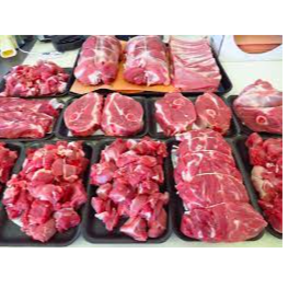
The five catalogued items cover major food‑grade HS chapters: vegetable oils (1509), dairy products (0406), fresh meat (1601), meat preparations (0210) and alcoholic beverages (2204). In the olive‑oil market, buyers typically look for extra virgin oil with free‑fatty‑acid content below 0.8 % and peroxide values under 20 meq O₂/kg, often complying with EU regulation EC 1924/2006. Cheeses under HS 0406 are commonly offered in aged (30‑180 days) or fresh formats, with moisture content ranging from 30 % to 55 % depending on type. Fresh chilled meat classified under HS 1601 is usually packed in vacuum‑sealed trays of 10‑20 kg, kept at 0‑4 °C, and may carry HACCP or ISO 22000 certification. Charcuteries in HS 0210 are cured to a water activity (a_w) of 0.85‑0.90 and often presented in 5‑kg blocks. Wines under HS 2204.21 are typically bottled at 0.75 L with alcohol strength between 11 % and 13 % vol, and may be labelled with PDO or PGI designations where applicable.

Trade and Export Information - Greek fresh products

United Kingdom exporters of olive oil, cheese, meat, charcuterie and wine generally serve markets in the European Union, the Gulf Cooperation Council and North America. HS 1509 olive oil shipments are subject to EU organic verification and may require phytosanitary certificates for non‑EU destinations. Dairy products (HS 0406) often need a health certificate confirming pasteurisation and may be inspected under the EU’s Rapid Alert System for Food and Feed. Fresh meat (HS 1601) is regulated by the EU’s Animal Health Regulation, requiring a veterinary health certificate and temperature‑controlled containers. Charcuterie (HS 0210) typically demands a declaration of curing method and compliance with EU meat‑processing standards. Wine (HS 2204) exporters must provide a certificate of origin and analysis of residual sugar and alcohol content. Common Incoterms for these categories are FOB (port of Southampton or Felixstowe) or CIF to destination ports, with cargo usually loaded in 20 ft or 40 ft dry or refrigerated containers depending on product temperature requirements.

Sourcing from Greek fresh products - Buyer Guidance

When sourcing olive oil from Greek fresh products, request the most recent organic certification, HACCP audit report and laboratory analysis for free‑fatty‑acid and peroxide values. For cheeses, ask for a dairy‑product health certificate, composition sheet (fat‑in‑dry‑matter) and, if relevant, PDO/PGI documentation. Fresh meat orders should be accompanied by a veterinary health certificate, a temperature‑monitoring log and proof of HACCP compliance. Charcuterie buyers need to verify curing documentation, water‑activity measurements and a meat‑processing safety audit. Wine purchasers should obtain a health certificate, proof of origin and an analytical report covering alcohol percentage, acidity and sulfite levels. In all cases, confirm packaging specifications (e.g., 5 L bottles for oil, 0.75 L glass bottles for wine) and request a sample batch for independent lab testing before confirming bulk orders.

Frequently Asked Questions About Greek fresh products

What product types does Greek fresh products export?

Greek fresh products lists extra virgin olive oil, cow‑milk cheeses, fresh chilled meat, cured pork charcuterie and grape‑derived wines, each matched to HS codes 1509.10, 0406.90, 1601.00, 0210.19 and 2204.21 respectively.

Which certifications should a buyer request for the olive oil?

Buyers should ask for an organic certificate, HACCP audit report and laboratory results showing free‑fatty‑acid below 0.8 % and peroxide value under 20 meq O₂/kg.

What are typical packaging formats for the cheeses?

Cheeses under HS 0406.90 are commonly vacuum‑sealed in blocks ranging from 500 g to 5 kg, suitable for refrigerated transport.

How is the fresh meat shipped?

Fresh chilled meat (HS 1601.00) is usually transported in insulated containers at 0‑4 °C, loaded in 20 ft or 40 ft refrigerated containers, with a typical shelf life of 7‑10 days.

What documentation is required for the wines?

Buyers should request a health certificate, proof of origin and an analytical report confirming alcohol strength (usually 11‑13 % vol) and acidity levels.

What is the typical minimum order quantity for olive oil?

Exporters often set a minimum order of 500 L, roughly equivalent to 100 × 5 L bottles of extra virgin olive oil, though exact figures may vary.

Which markets does the United Kingdom commonly export these products to?

The United Kingdom typically exports olive oil, cheese, meat, charcuterie and wine to EU member states, the Gulf Cooperation Council countries and North America.

What lead time can buyers expect?

Lead times range from about 15 days for ready‑stock olive oil to 30‑45 days for cured charcuterie, depending on production schedules and required certifications.

Other Suppliers in Meat & Poultry

Top Trusted Suppliers

Related Products in Meat & Poultry

Trending in Parent Category

More Suppliers in Parent Category

Related Products

Other Suppliers

EximNext
58.4K+ live requirements
Register Free🎁 5 free buy-lead credits
Post Requirement
🌍 Trusted by 224.4K+ businesses in 200+ countries|
58.4K+ active requirements right now
✉️ [email protected]
|
Sell on EximNextPost Requirement
EximNext
AgricultureApparelConstructionElectronicFoodHomeIndustrialMineralsMiscellaneous
🔥 Deals|✨ AI Match|🏭 Suppliers|📋 Buy Leads|💰 Trade Finance|⭐ Upgrade
58.4K+ live RFQs·194.4K+ suppliers
🎁 5 free credits →
EximNext
EximNext
Register Free
🎁 5 free buy-lead credits
Sign In
📋Post Requirement💬Get QuotesAI Match📋RFQ Marketplace
All Categories
Services & Tools
🏭Supplier Directory🔥Today's Deals💰Trade FinanceMembership
Sell on EximNext
AboutContactBlogHelp
🏭

Greek fresh products

Harbor
Country flag , United Kingdom
🛡️
59/100
Trust Score

Greek fresh products Product Catalog

Showing 5 of 5 products
View all products →
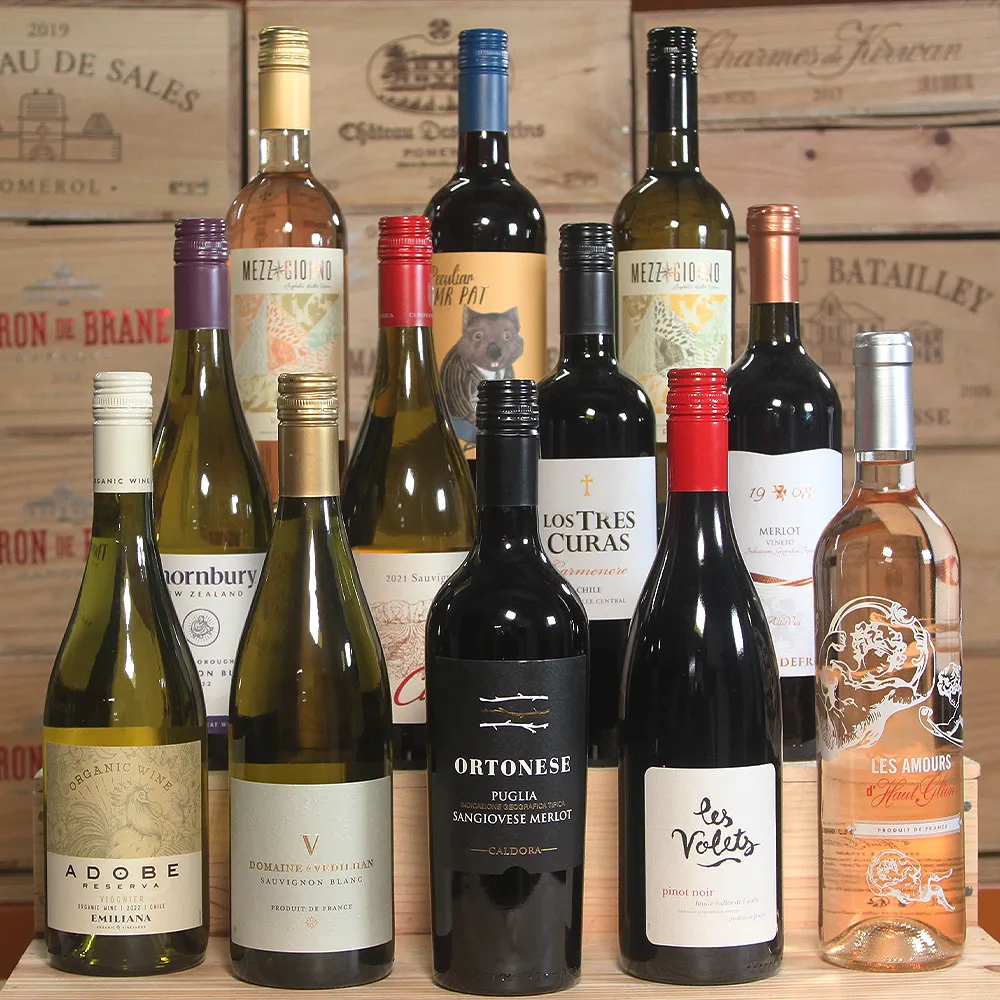
wines
Harbor
wines
Contact
MOQ: 1 Unit
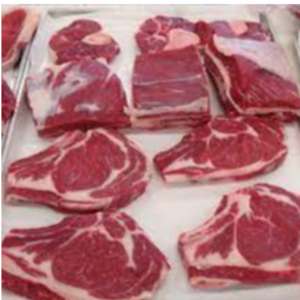
charcuteries
Harbor
charcuteries
Contact
MOQ: 1 Unit
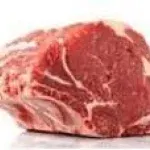
meat
Harbor
meat
Contact
MOQ: 1 Unit
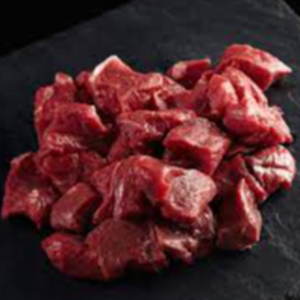
cheeses
Harbor
cheeses
Contact
MOQ: 1 Unit
Olive oil
Harbor
Olive oil
Contact
MOQ: 1 Unit

About Greek fresh products - Food Products Supplier in United Kingdom

Greek fresh products is based in the United Kingdom and currently lists five active export products. The catalogue includes extra virgin olive oil (HS 1509.10, material Olea europaea), cow‑milk cheeses (HS 0406.90), fresh chilled meat such as beef, pork or poultry (HS 1601.00), cured pork charcuterie (HS 0210.19) and grape‑derived wines (HS 2204.21). Each product is identified by its specific HS code and material description, reflecting a focused portfolio of food‑grade commodities. The supplier describes itself as a small family‑run operation with farming experience dating back to 1955, now expanding into export channels.

The listed top categories span Meat & Poultry, Desserts, Food Products, Grillers, Fruit Slices, Chestnuts, Coconut Oil and Sesame Oil, indicating a broader interest in fresh and processed foods beyond the five catalogued items. Although the catalogue concentrates on the five HS‑coded products, the supplier’s stated expertise covers both fresh and value‑added food segments, positioning it within the United Kingdom’s niche of Mediterranean‑style exports.

Product Range and Specialties of Greek fresh products

The five catalogued items cover major food‑grade HS chapters: vegetable oils (1509), dairy products (0406), fresh meat (1601), meat preparations (0210) and alcoholic beverages (2204). In the olive‑oil market, buyers typically look for extra virgin oil with free‑fatty‑acid content below 0.8 % and peroxide values under 20 meq O₂/kg, often complying with EU regulation EC 1924/2006. Cheeses under HS 0406 are commonly offered in aged (30‑180 days) or fresh formats, with moisture content ranging from 30 % to 55 % depending on type. Fresh chilled meat classified under HS 1601 is usually packed in vacuum‑sealed trays of 10‑20 kg, kept at 0‑4 °C, and may carry HACCP or ISO 22000 certification. Charcuteries in HS 0210 are cured to a water activity (a_w) of 0.85‑0.90 and often presented in 5‑kg blocks. Wines under HS 2204.21 are typically bottled at 0.75 L with alcohol strength between 11 % and 13 % vol, and may be labelled with PDO or PGI designations where applicable.

Trade and Export Information - Greek fresh products

United Kingdom exporters of olive oil, cheese, meat, charcuterie and wine generally serve markets in the European Union, the Gulf Cooperation Council and North America. HS 1509 olive oil shipments are subject to EU organic verification and may require phytosanitary certificates for non‑EU destinations. Dairy products (HS 0406) often need a health certificate confirming pasteurisation and may be inspected under the EU’s Rapid Alert System for Food and Feed. Fresh meat (HS 1601) is regulated by the EU’s Animal Health Regulation, requiring a veterinary health certificate and temperature‑controlled containers. Charcuterie (HS 0210) typically demands a declaration of curing method and compliance with EU meat‑processing standards. Wine (HS 2204) exporters must provide a certificate of origin and analysis of residual sugar and alcohol content. Common Incoterms for these categories are FOB (port of Southampton or Felixstowe) or CIF to destination ports, with cargo usually loaded in 20 ft or 40 ft dry or refrigerated containers depending on product temperature requirements.

Sourcing from Greek fresh products - Buyer Guidance

When sourcing olive oil from Greek fresh products, request the most recent organic certification, HACCP audit report and laboratory analysis for free‑fatty‑acid and peroxide values. For cheeses, ask for a dairy‑product health certificate, composition sheet (fat‑in‑dry‑matter) and, if relevant, PDO/PGI documentation. Fresh meat orders should be accompanied by a veterinary health certificate, a temperature‑monitoring log and proof of HACCP compliance. Charcuterie buyers need to verify curing documentation, water‑activity measurements and a meat‑processing safety audit. Wine purchasers should obtain a health certificate, proof of origin and an analytical report covering alcohol percentage, acidity and sulfite levels. In all cases, confirm packaging specifications (e.g., 5 L bottles for oil, 0.75 L glass bottles for wine) and request a sample batch for independent lab testing before confirming bulk orders.

Frequently Asked Questions About Greek fresh products

What product types does Greek fresh products export?

Greek fresh products lists extra virgin olive oil, cow‑milk cheeses, fresh chilled meat, cured pork charcuterie and grape‑derived wines, each matched to HS codes 1509.10, 0406.90, 1601.00, 0210.19 and 2204.21 respectively.

Which certifications should a buyer request for the olive oil?

Buyers should ask for an organic certificate, HACCP audit report and laboratory results showing free‑fatty‑acid below 0.8 % and peroxide value under 20 meq O₂/kg.

What are typical packaging formats for the cheeses?

Cheeses under HS 0406.90 are commonly vacuum‑sealed in blocks ranging from 500 g to 5 kg, suitable for refrigerated transport.

How is the fresh meat shipped?

Fresh chilled meat (HS 1601.00) is usually transported in insulated containers at 0‑4 °C, loaded in 20 ft or 40 ft refrigerated containers, with a typical shelf life of 7‑10 days.

What documentation is required for the wines?

Buyers should request a health certificate, proof of origin and an analytical report confirming alcohol strength (usually 11‑13 % vol) and acidity levels.

What is the typical minimum order quantity for olive oil?

Exporters often set a minimum order of 500 L, roughly equivalent to 100 × 5 L bottles of extra virgin olive oil, though exact figures may vary.

Which markets does the United Kingdom commonly export these products to?

The United Kingdom typically exports olive oil, cheese, meat, charcuterie and wine to EU member states, the Gulf Cooperation Council countries and North America.

What lead time can buyers expect?

Lead times range from about 15 days for ready‑stock olive oil to 30‑45 days for cured charcuterie, depending on production schedules and required certifications.

About Greek fresh products - Food Products Supplier in United Kingdom

Greek fresh products is based in the United Kingdom and currently lists five active export products. The catalogue includes extra virgin olive oil (HS 1509.10, material Olea europaea), cow‑milk cheeses (HS 0406.90), fresh chilled meat such as beef, pork or poultry (HS 1601.00), cured pork charcuterie (HS 0210.19) and grape‑derived wines (HS 2204.21). Each product is identified by its specific HS code and material description, reflecting a focused portfolio of food‑grade commodities. The supplier describes itself as a small family‑run operation with farming experience dating back to 1955, now expanding into export channels.

The listed top categories span Meat & Poultry, Desserts, Food Products, Grillers, Fruit Slices, Chestnuts, Coconut Oil and Sesame Oil, indicating a broader interest in fresh and processed foods beyond the five catalogued items. Although the catalogue concentrates on the five HS‑coded products, the supplier’s stated expertise covers both fresh and value‑added food segments, positioning it within the United Kingdom’s niche of Mediterranean‑style exports.

Product Range and Specialties of Greek fresh products

The five catalogued items cover major food‑grade HS chapters: vegetable oils (1509), dairy products (0406), fresh meat (1601), meat preparations (0210) and alcoholic beverages (2204). In the olive‑oil market, buyers typically look for extra virgin oil with free‑fatty‑acid content below 0.8 % and peroxide values under 20 meq O₂/kg, often complying with EU regulation EC 1924/2006. Cheeses under HS 0406 are commonly offered in aged (30‑180 days) or fresh formats, with moisture content ranging from 30 % to 55 % depending on type. Fresh chilled meat classified under HS 1601 is usually packed in vacuum‑sealed trays of 10‑20 kg, kept at 0‑4 °C, and may carry HACCP or ISO 22000 certification. Charcuteries in HS 0210 are cured to a water activity (a_w) of 0.85‑0.90 and often presented in 5‑kg blocks. Wines under HS 2204.21 are typically bottled at 0.75 L with alcohol strength between 11 % and 13 % vol, and may be labelled with PDO or PGI designations where applicable.

Trade and Export Information - Greek fresh products

United Kingdom exporters of olive oil, cheese, meat, charcuterie and wine generally serve markets in the European Union, the Gulf Cooperation Council and North America. HS 1509 olive oil shipments are subject to EU organic verification and may require phytosanitary certificates for non‑EU destinations. Dairy products (HS 0406) often need a health certificate confirming pasteurisation and may be inspected under the EU’s Rapid Alert System for Food and Feed. Fresh meat (HS 1601) is regulated by the EU’s Animal Health Regulation, requiring a veterinary health certificate and temperature‑controlled containers. Charcuterie (HS 0210) typically demands a declaration of curing method and compliance with EU meat‑processing standards. Wine (HS 2204) exporters must provide a certificate of origin and analysis of residual sugar and alcohol content. Common Incoterms for these categories are FOB (port of Southampton or Felixstowe) or CIF to destination ports, with cargo usually loaded in 20 ft or 40 ft dry or refrigerated containers depending on product temperature requirements.

Sourcing from Greek fresh products - Buyer Guidance

When sourcing olive oil from Greek fresh products, request the most recent organic certification, HACCP audit report and laboratory analysis for free‑fatty‑acid and peroxide values. For cheeses, ask for a dairy‑product health certificate, composition sheet (fat‑in‑dry‑matter) and, if relevant, PDO/PGI documentation. Fresh meat orders should be accompanied by a veterinary health certificate, a temperature‑monitoring log and proof of HACCP compliance. Charcuterie buyers need to verify curing documentation, water‑activity measurements and a meat‑processing safety audit. Wine purchasers should obtain a health certificate, proof of origin and an analytical report covering alcohol percentage, acidity and sulfite levels. In all cases, confirm packaging specifications (e.g., 5 L bottles for oil, 0.75 L glass bottles for wine) and request a sample batch for independent lab testing before confirming bulk orders.

Frequently Asked Questions About Greek fresh products
What product types does Greek fresh products export?
Greek fresh products lists extra virgin olive oil, cow‑milk cheeses, fresh chilled meat, cured pork charcuterie and grape‑derived wines, each matched to HS codes 1509.10, 0406.90, 1601.00, 0210.19 and 2204.21 respectively.
Which certifications should a buyer request for the olive oil?
Buyers should ask for an organic certificate, HACCP audit report and laboratory results showing free‑fatty‑acid below 0.8 % and peroxide value under 20 meq O₂/kg.
What are typical packaging formats for the cheeses?
Cheeses under HS 0406.90 are commonly vacuum‑sealed in blocks ranging from 500 g to 5 kg, suitable for refrigerated transport.
How is the fresh meat shipped?
Fresh chilled meat (HS 1601.00) is usually transported in insulated containers at 0‑4 °C, loaded in 20 ft or 40 ft refrigerated containers, with a typical shelf life of 7‑10 days.
What documentation is required for the wines?
Buyers should request a health certificate, proof of origin and an analytical report confirming alcohol strength (usually 11‑13 % vol) and acidity levels.
What is the typical minimum order quantity for olive oil?
Exporters often set a minimum order of 500 L, roughly equivalent to 100 × 5 L bottles of extra virgin olive oil, though exact figures may vary.
Which markets does the United Kingdom commonly export these products to?
The United Kingdom typically exports olive oil, cheese, meat, charcuterie and wine to EU member states, the Gulf Cooperation Council countries and North America.
What lead time can buyers expect?
Lead times range from about 15 days for ready‑stock olive oil to 30‑45 days for cured charcuterie, depending on production schedules and required certifications.

🏭
Greek fresh products
Country flag , United Kingdom
Harbor
59/100
Trust Score
📦
5
Products
Free to contact — no commission
Escrow payment available
Verified business identity
Compare more suppliers
Post a requirement — get 10 quotes free
Let verified suppliers compete for your business. Free, fast, no commitment.
EximNext Verified Supplier
Business identity verified
Physical address confirmed
Financial history checked
Certifications authenticated
Trade references validated
Due Diligence
Verify this supplier's real shipping history.
Every shipment, every buyer, every port. Trade data that can't be faked.
Run due diligence →
Discover More

Related Suppliers & Products

Explore similar suppliers, related products and trending categories

Other Suppliers in Meat & Poultry

Top Trusted Suppliers

Related Products in Meat & Poultry

Trending in Parent Category

More Suppliers in Parent Category

Stay ahead in global trade
Weekly market insights & new supplier alerts.
EximNext
Exim Next is a leading global B2B marketplace, connecting over 205,000 verified suppliers and buyers across 200+ countries. As a trusted import export marketplace, it serves as the essential B2B portal for businesses worldwide, empowering them to expand their international reach. With Exim Next, businesses can trade smarter and grow faster.
SECURE PAYMENTS
VISAMastercardPayPalSWIFTL/CEscrow
Follow us
© 2026 EximNext