Gramway Exports Private Limited — Verified Supplier
About Gramway Exports Private Limited - Rice Supplier in India
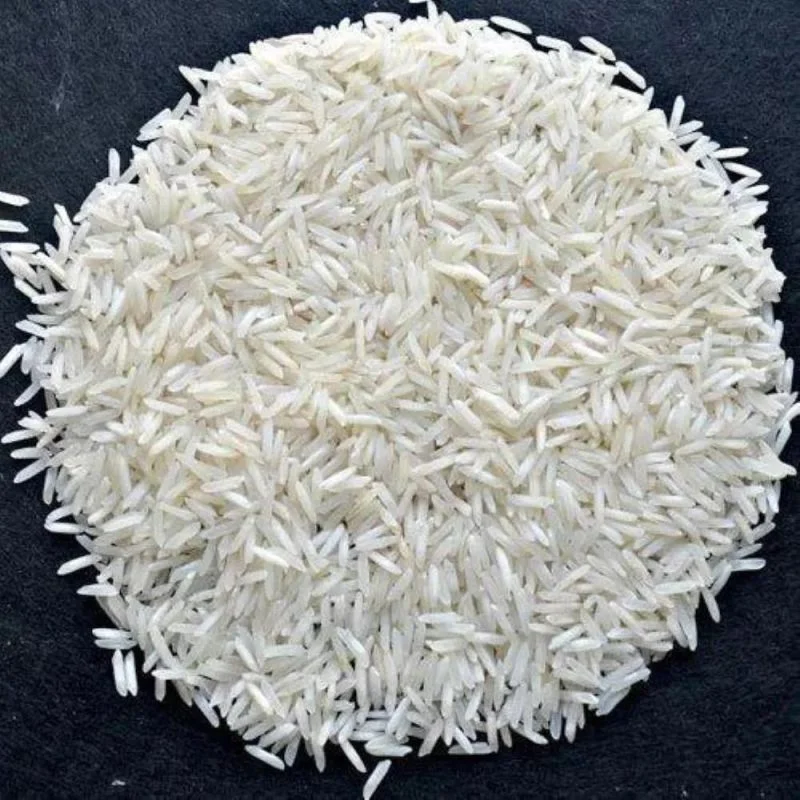
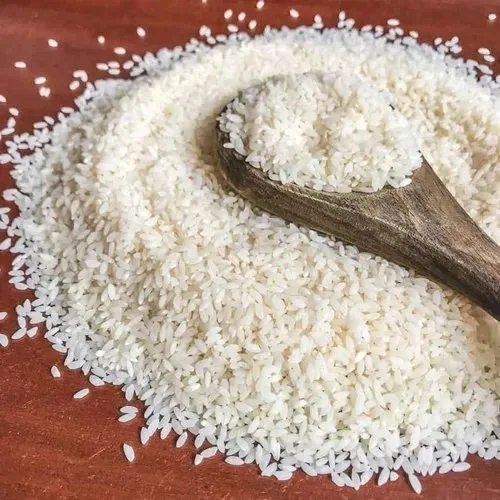
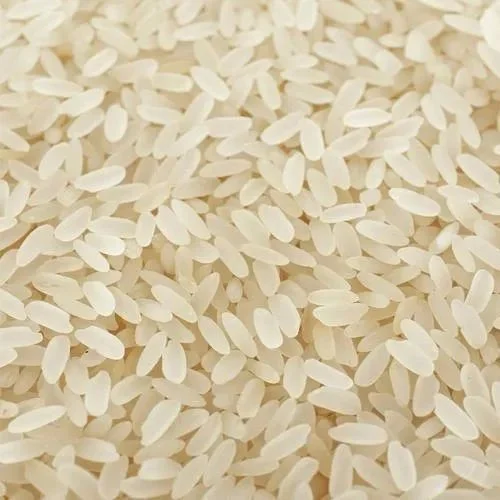
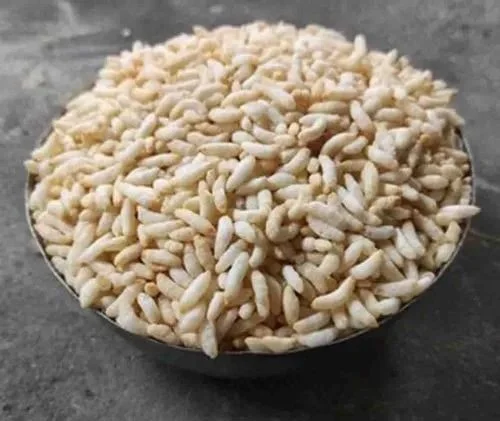
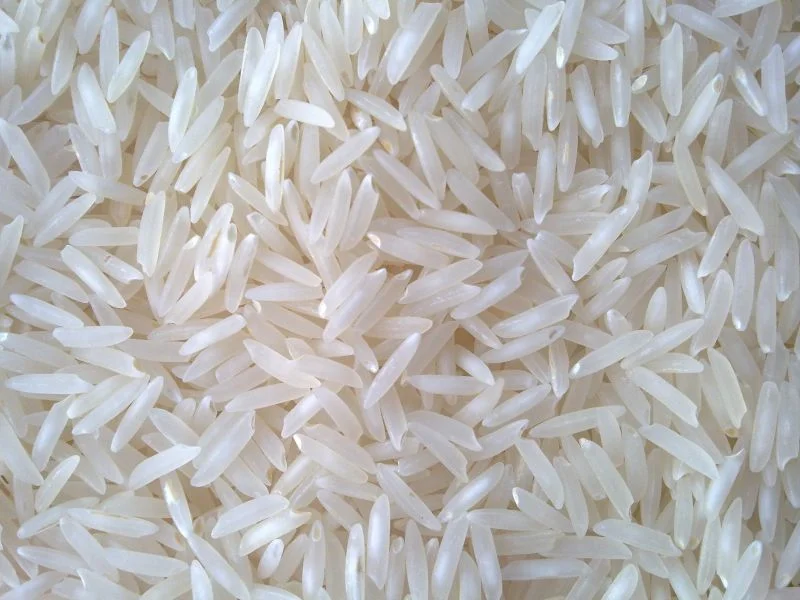
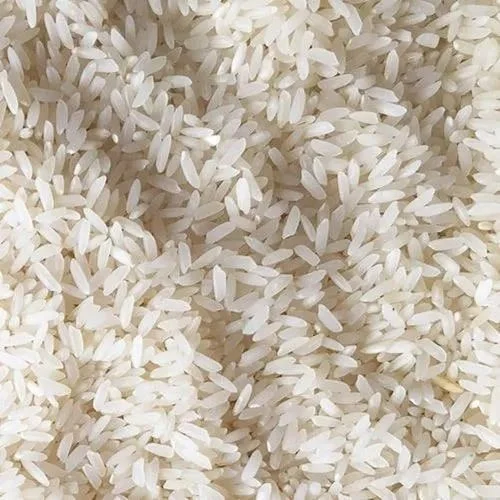
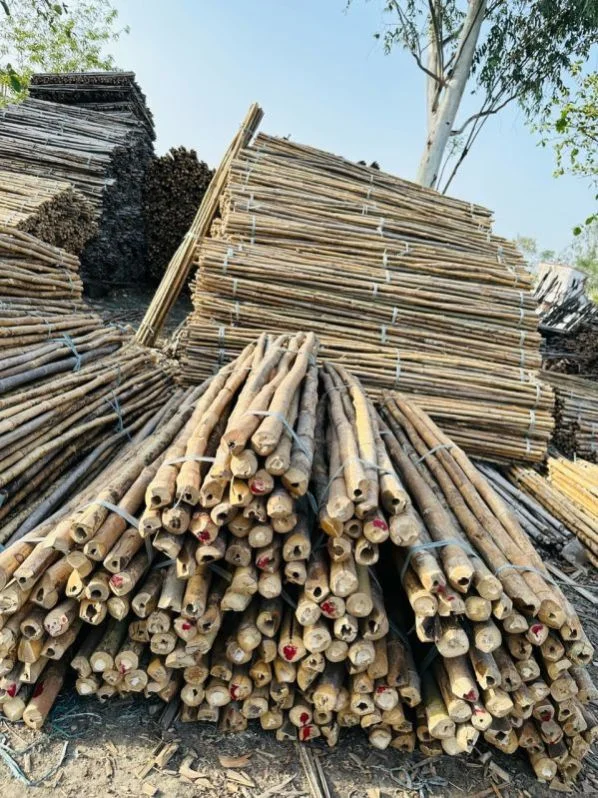
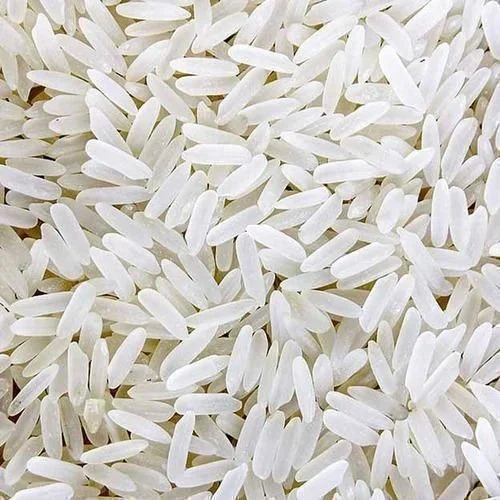
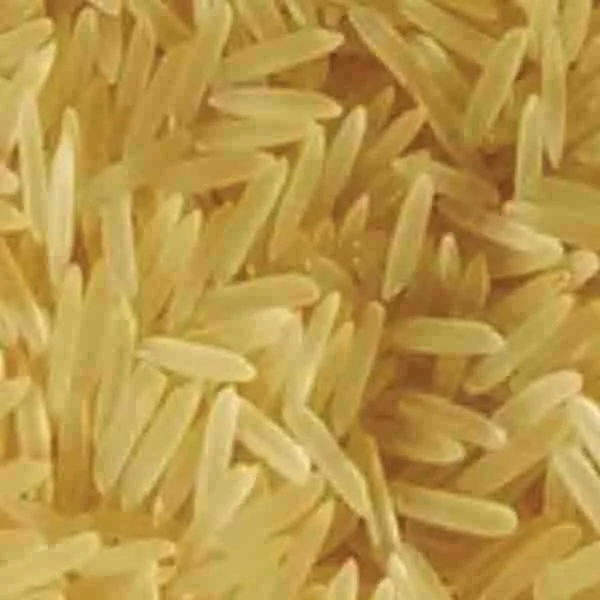
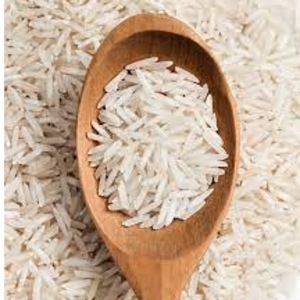
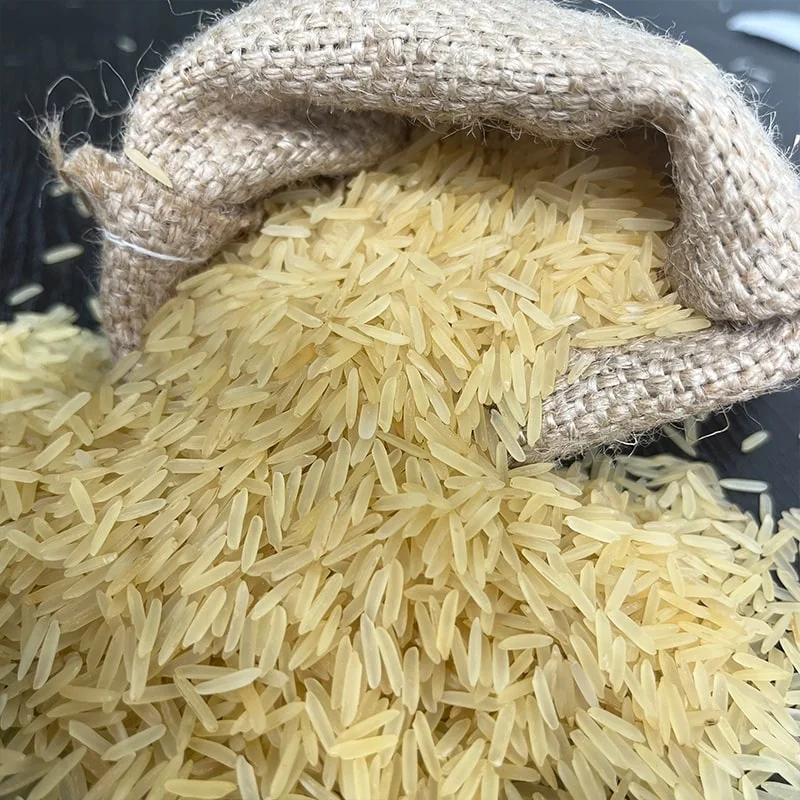
India, with a catalogue of 22 listed products, supplies a range of cereals through Gramway Exports Private Limited. The supplier’s catalogue includes eleven millet varieties - Foxtail, Kodo, Little, Barnyard, Pearl, and Finger millet - each identified by its local name. In addition, the list contains eleven rice types covering traditional Indian cultivars such as Bridegroom's (Mappillai Samba), Black (Karuppu Kavuni), Idli, Navara (Forbidden), Women's (Poongar), Pure Jasmine (Thooyamalli), Bamboo, Karunkuruvai, Kulla Kar, Kuda Vazhai, Aruvatham Kuruvai, Wild Elephant (Kattu Yanam), Seeraga Samba, White Ponni and White Ponni Kaikuthal. All entries fall under the broad HS chapter 10 for cereals, where rice is typically classified under HS 1006 and millets under HS 1008. The supplier does not disclose additional product specifications in the catalogue.
Product Range and Specialties of Gramway Exports Private Limited
The catalogue lists six millet species - Foxtail, Kodo, Little, Barnyard, Pearl and Finger - each commonly exported with moisture content below 13 % and foreign matter under 2 %. Indian millets are often graded by kernel size, broken grain percentage and colour uniformity. Rice varieties in the list span ordinary and specialty types; typical export grades for Indian non‑Basmati rice include milling recovery above 70 %, broken grain below 5 % and moisture ≤14 %. Jasmine‑type rice such as Pure Jasmine (Thooyamalli) is usually sold with aroma intensity measured by sensory panels and head‑rice yield above 65 %. Standard packaging for bulk export includes 25 kg polypropylene bags, 1‑ton bulk containers, and 20‑ft or 40‑ft containers for larger shipments.
Trade and Export Information - Gramway Exports Private Limited
India ranks among the world’s top exporters of rice and millets, supplying the Middle East, Africa, Southeast Asia and increasingly the European Union and United States. HS 1006 (rice) and HS 1008 (millet) are the primary tariff headings used in customs documentation for these commodities. Importers typically request food‑safety certifications such as FSSAI licence, ISO 22000 or HACCP, and for premium markets organic certificates (USDA‑NOP or EU‑ECO) are common. Phytosanitary certificates and a Certificate of Origin are standard regulatory documents for Indian grain shipments. Export logistics favour FOB or CIF terms, with cargo loaded in 20‑ft or 40‑ft containers, and moisture‑controlled storage to meet the ≤14 % moisture limit for rice and ≤13 % for millets.
Sourcing from Gramway Exports Private Limited - Buyer Guidance
Buyers should obtain a sample analysis reporting moisture, broken grain, foreign matter and pesticide residue levels before confirming a bulk order. Request the supplier’s FSSAI registration, ISO 22000 or HACCP audit reports, and, if required, organic certification documents to verify compliance with target market standards. Verify the packaging specifications - typically 25 kg polypropylene bags sealed with inner liners - to ensure they meet the buyer’s handling and storage requirements. Confirm the HS code (1006 for rice, 1008 for millets) that will be used in the commercial invoice and customs declaration.
Frequently Asked Questions About Gramway Exports Private Limited
What millet varieties does Gramway Exports Private Limited offer?
The supplier lists Foxtail, Kodo, Little, Barnyard, Pearl and Finger millet, each commonly exported with moisture below 13 % and foreign matter under 2 %.
Which rice types are included in the catalogue?
The catalogue includes Bridegroom's (Mappillai Samba), Black (Karuppu Kavuni), Idli, Navara (Forbidden), Women's (Poongar), Pure Jasmine (Thooyamalli), Bamboo, Karunkuruvai, Kulla Kar, Kuda Vazhai, Aruvatham Kuruvai, Wild Elephant (Kattu Yanam), Seeraga Samba, White Ponni and White Ponni Kaikuthal.
What HS codes are applicable to these products?
Rice varieties fall under HS 1006, while millet varieties are classified under HS 1008 in the international customs tariff.
Which certifications should a buyer request from Gramway Exports?
Buyers should request the supplier’s FSSAI licence, ISO 22000 or HACCP audit reports, and any organic certificates (USDA‑NOP or EU‑ECO) if the market requires organic status.
What are the typical packaging options for the grains?
Export shipments are usually packed in 25 kg polypropylene bags with inner liners, and consolidated into 20‑ft or 40‑ft containers for sea freight.
What documentation is needed for customs clearance?
Standard documents include a commercial invoice with the correct HS code, a packing list, a Certificate of Origin, and a phytosanitary certificate issued by Indian authorities.
What are common minimum order quantities and lead times?
Millet and rice orders are often accepted in multiples of 1 metric ton, with typical lead times of 30‑45 days from order confirmation, depending on grain availability and shipping schedule.
How can a buyer obtain a product sample?
Buyers can request a 5‑kg sample, which is usually dispatched in a sealed bag after the supplier provides a pre‑shipment quality report.




 , India