Global Way Exim Services — Verified Supplier

About Global Way Exim Services - Fresh Produce Supplier in India

India‑based Global Way Exim Services lists 13 active fresh‑produce items in its catalogue. The catalogue covers vegetables such as onion, tomato, potato, green and red chilli, lady finger, cabbage, bitter gourd, cucumber and capsicum, as well as fruits including pomegranate, grapes, lemon and curry leaf. Each product falls under the standard HS chapter 07 for fresh vegetables and chapter 08 for fresh fruits, which are the primary tariff headings used in international trade. The supplier is classified in the “harbor” trust tier, indicating a verified trading profile within the platform.

The product list uses generic commodity names without additional specifications, allowing buyers to request detailed grade information such as size, colour, firmness and moisture content. Typical import documentation for these items includes a phytosanitary certificate, a Certificate of Origin and, where required, compliance with GlobalGAP or HACCP standards. Packaging is usually in ventilated cartons or mesh bags suitable for refrigerated container transport. The catalogue also mentions curry leaf, a herb that is commonly exported under HS 0910 with similar phytosanitary requirements.

Product Range and Specialties of Global Way Exim Services

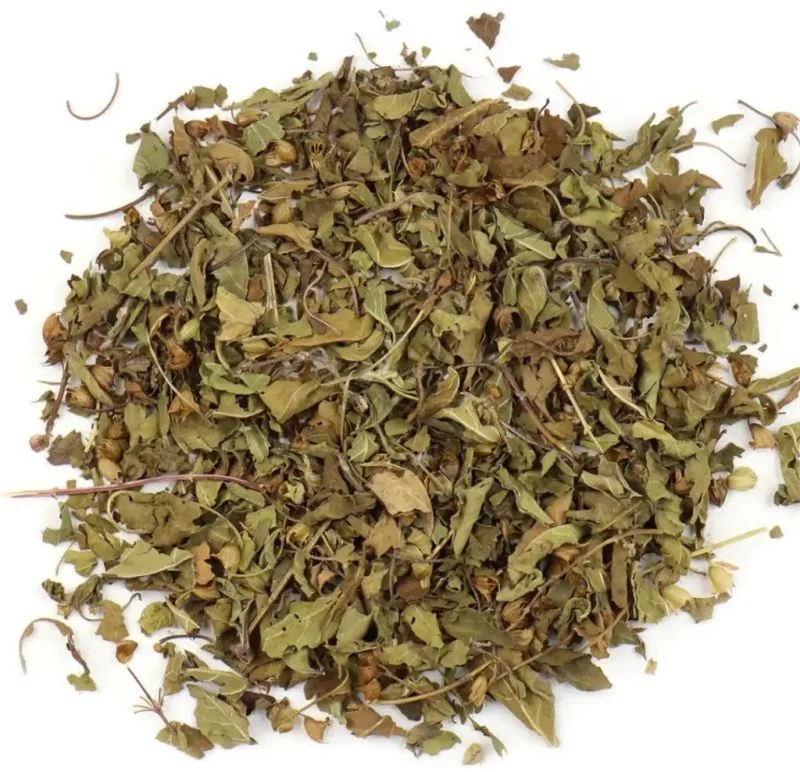
Global Way Exim Services offers a selection of common Indian fresh vegetables and fruits. In the vegetable segment the items correspond to standard grades used worldwide: onions are often sorted by size (e.g., small 30‑40 mm, medium 40‑50 mm) and moisture below 10 %; tomatoes are graded by colour and firmness, typically B or C grade for export; potatoes are classified by dry matter (18‑22 %) and size; chillies are measured by capsaicin level and length (30‑50 mm for green, 40‑60 mm for red); lady finger (okra) is sorted by length (15‑25 cm) and pod integrity; cabbage heads are evaluated by weight (1‑2 kg) and compactness; bitter gourd is graded by length (15‑25 cm) and skin smoothness. Fruit entries follow common export standards: pomegranates are assessed for aril colour and seed hardness, grapes for bunch weight (500‑800 g) and sugar content (Brix 16‑20), lemons for acidity (5‑7 %) and skin thickness, while curry leaf is measured by leaf length (2‑4 cm) and moisture. Buyers typically request these specifications in the purchase contract.

Trade and Export Information - Global Way Exim Services

India is a major exporter of fresh horticultural produce, with the United Arab Emirates, Saudi Arabia, the United Kingdom and the United States among the top destination markets for Indian vegetables and fruits. HS chapter 07 items such as onions (HS 0703), tomatoes (HS 0702) and chillies (HS 0704) are subject to phytosanitary inspections at Indian ports and may require compliance with the EU’s maximum residue limits (MRLs) when destined for Europe. Fruit items under HS 08, including pomegranates (HS 080450) and grapes (HS 080610), often need a certificate of origin for preferential duty rates under various trade agreements. Export logistics typically involve refrigerated containers (reefers) of 20 ft or 40 ft, with temperature settings of 0 °C to 4 °C for most vegetables and 0 °C to 2 °C for grapes. Commonly requested certifications for Indian fresh produce include GlobalGAP, ISO 22000, HACCP and, where applicable, organic certification. The supplier’s “harbor” trust tier confirms that its trade records have been verified by the platform, but buyers should still obtain the standard phytosanitary and quality certificates before shipment.

Sourcing from Global Way Exim Services - Buyer Guidance

When sourcing from Global Way Exim Services, buyers should request a detailed product specification sheet that lists grade, size, weight, moisture and permissible pesticide residue levels for each item. A recent phytosanitary certificate, a Certificate of Origin and, if required by the destination market, a GlobalGAP audit report should be obtained before finalizing the order. Verify that the supplier can provide appropriate packaging - for example, 25 kg ventilated mesh bags for onions or 10 kg insulated cartons for capsicum - and confirm the container type (reefers) and temperature range. Requesting a pre‑shipment sample is standard practice for fresh produce; the sample should be inspected for visual quality, firmness and any signs of spoilage, and laboratory tests can confirm compliance with MRLs and microbiological standards.

Frequently Asked Questions About Global Way Exim Services

What fresh produce items does Global Way Exim Services list?

The supplier lists 13 items: onion, tomato, pomegranate, potato, green and red chilli, lady finger, cabbage, bitter gourd, cucumber, grape, lemon and fresh capsicum, plus curry leaf.

Which HS codes are relevant for these products?

Vegetable items fall under HS chapter 07 (e.g., onions HS 0703, tomatoes HS 0702, chillies HS 0704) while fruit and herb items fall under HS chapter 08 (e.g., grapes HS 080610, pomegranates HS 080450, lemons HS 080590, curry leaf HS 0910).

What certifications are typically required for Indian fresh vegetables and fruits?

Buyers usually request GlobalGAP, ISO 22000 or HACCP certification, a phytosanitary certificate, and a Certificate of Origin. Organic certification is needed only if the buyer markets the product as organic.

How are the products usually packaged for export?

Onions and potatoes are commonly packed in 25 kg ventilated mesh bags; chillies, lady finger and bitter gourd are placed in 10 kg perforated cartons; fruits such as grapes and pomegranates are shipped in insulated cartons with cushioning. All items destined for long‑haul are loaded into temperature‑controlled reefers.

What are typical shipment terms and container sizes?

Exporters from India commonly use CIF or FOB terms. Standard container options are 20 ft reefers (≈12 tons) and 40 ft reefers (≈24 tons), with temperature set between 0 °C and 4 °C for most vegetables and 0 °C to 2 °C for grapes.

What should a buyer verify before placing an order?

Confirm the grade specifications (size, moisture, MRL limits), request the latest phytosanitary certificate and any third‑party quality test reports, and ensure the supplier can meet the required packaging and temperature controls for the destination market.

Is a sample available before a full order?

Yes, standard practice is to obtain a pre‑shipment sample for visual inspection and laboratory testing of pesticide residues and microbiological safety before confirming the bulk order.

What is the typical lead time for fresh produce shipments from India?

Lead times vary by product but generally range from 7 to 14 days after order confirmation, including harvesting, packing, phytosanitary clearance and loading into a refrigerated container.


Featured Products from this Supplier

Other Suppliers in Primary Category

Top Trusted Suppliers

Related Products

Trending in Parent Category

More Suppliers in Category

Related Products

Other Suppliers

EximNext
58.5K+ live requirements
Register Free🎁 Reach verified global buyers
Post Requirement
🌍 Trusted by 224.6K+ businesses in 200+ countries|
58.5K+ active requirements right now
✉️ [email protected]
|
Sell on EximNextPost Requirement
EximNext
AgricultureApparelConstructionElectronicFoodHomeIndustrialMineralsMiscellaneous
🔥 Deals|✨ AI Match|🏭 Suppliers|📋 Buy Leads|💰 Trade Finance
58.5K+ live RFQs·194.6K+ suppliers
🎁 Reach global buyers →
EximNext
EximNext
Register Free
🎁 Reach verified global buyers
Sign In
📋Post Requirement💬Get QuotesAI Match📋RFQ Marketplace
All Categories
Services & Tools
🏭Supplier Directory🔥Today's Deals💰Trade Finance
Sell on EximNext
AboutContactBlogHelp
🏭

Global Way Exim Services

Harbor
Country flag , India
🛡️
55/100
Trust Score

Global Way Exim Services Product Catalog

Showing 12 of 13 products
View all products →
Curry Leaf
Harbor
Curry Leaf
Contact
MOQ: 1 Unit
Grapes
Harbor
Grapes
Contact
MOQ: 1 Unit
Lemons
Harbor
Lemons
Contact
MOQ: 1 Unit
Fresh Capsicum
Harbor
Fresh Capsicum
Contact
MOQ: 1 Unit
Fresh Onion
Harbor
Fresh Onion
Contact
MOQ: 1 Unit
Tomatoes
Harbor
Tomatoes
Contact
MOQ: 1 Unit
Pomegranates
Harbor
Pomegranates
Contact
MOQ: 1 Unit
Potatoes
Harbor
Potatoes
Contact
MOQ: 1 Unit
Green And Red Chilli
Harbor
Green And Red Chilli
Contact
MOQ: 1 Unit
Lady Fingers
Harbor
Lady Fingers
Contact
MOQ: 1 Unit
Fresh Cabbage
Harbor
Fresh Cabbage
Contact
MOQ: 1 Unit
Bitter Gourd
Harbor
Bitter Gourd
Contact
MOQ: 1 Unit

About Global Way Exim Services - Fresh Produce Supplier in India

India‑based Global Way Exim Services lists 13 active fresh‑produce items in its catalogue. The catalogue covers vegetables such as onion, tomato, potato, green and red chilli, lady finger, cabbage, bitter gourd, cucumber and capsicum, as well as fruits including pomegranate, grapes, lemon and curry leaf. Each product falls under the standard HS chapter 07 for fresh vegetables and chapter 08 for fresh fruits, which are the primary tariff headings used in international trade. The supplier is classified in the “harbor” trust tier, indicating a verified trading profile within the platform.

The product list uses generic commodity names without additional specifications, allowing buyers to request detailed grade information such as size, colour, firmness and moisture content. Typical import documentation for these items includes a phytosanitary certificate, a Certificate of Origin and, where required, compliance with GlobalGAP or HACCP standards. Packaging is usually in ventilated cartons or mesh bags suitable for refrigerated container transport. The catalogue also mentions curry leaf, a herb that is commonly exported under HS 0910 with similar phytosanitary requirements.

Product Range and Specialties of Global Way Exim Services

Global Way Exim Services offers a selection of common Indian fresh vegetables and fruits. In the vegetable segment the items correspond to standard grades used worldwide: onions are often sorted by size (e.g., small 30‑40 mm, medium 40‑50 mm) and moisture below 10 %; tomatoes are graded by colour and firmness, typically B or C grade for export; potatoes are classified by dry matter (18‑22 %) and size; chillies are measured by capsaicin level and length (30‑50 mm for green, 40‑60 mm for red); lady finger (okra) is sorted by length (15‑25 cm) and pod integrity; cabbage heads are evaluated by weight (1‑2 kg) and compactness; bitter gourd is graded by length (15‑25 cm) and skin smoothness. Fruit entries follow common export standards: pomegranates are assessed for aril colour and seed hardness, grapes for bunch weight (500‑800 g) and sugar content (Brix 16‑20), lemons for acidity (5‑7 %) and skin thickness, while curry leaf is measured by leaf length (2‑4 cm) and moisture. Buyers typically request these specifications in the purchase contract.

Trade and Export Information - Global Way Exim Services

India is a major exporter of fresh horticultural produce, with the United Arab Emirates, Saudi Arabia, the United Kingdom and the United States among the top destination markets for Indian vegetables and fruits. HS chapter 07 items such as onions (HS 0703), tomatoes (HS 0702) and chillies (HS 0704) are subject to phytosanitary inspections at Indian ports and may require compliance with the EU’s maximum residue limits (MRLs) when destined for Europe. Fruit items under HS 08, including pomegranates (HS 080450) and grapes (HS 080610), often need a certificate of origin for preferential duty rates under various trade agreements. Export logistics typically involve refrigerated containers (reefers) of 20 ft or 40 ft, with temperature settings of 0 °C to 4 °C for most vegetables and 0 °C to 2 °C for grapes. Commonly requested certifications for Indian fresh produce include GlobalGAP, ISO 22000, HACCP and, where applicable, organic certification. The supplier’s “harbor” trust tier confirms that its trade records have been verified by the platform, but buyers should still obtain the standard phytosanitary and quality certificates before shipment.

Sourcing from Global Way Exim Services - Buyer Guidance

When sourcing from Global Way Exim Services, buyers should request a detailed product specification sheet that lists grade, size, weight, moisture and permissible pesticide residue levels for each item. A recent phytosanitary certificate, a Certificate of Origin and, if required by the destination market, a GlobalGAP audit report should be obtained before finalizing the order. Verify that the supplier can provide appropriate packaging - for example, 25 kg ventilated mesh bags for onions or 10 kg insulated cartons for capsicum - and confirm the container type (reefers) and temperature range. Requesting a pre‑shipment sample is standard practice for fresh produce; the sample should be inspected for visual quality, firmness and any signs of spoilage, and laboratory tests can confirm compliance with MRLs and microbiological standards.

Frequently Asked Questions About Global Way Exim Services

What fresh produce items does Global Way Exim Services list?

The supplier lists 13 items: onion, tomato, pomegranate, potato, green and red chilli, lady finger, cabbage, bitter gourd, cucumber, grape, lemon and fresh capsicum, plus curry leaf.

Which HS codes are relevant for these products?

Vegetable items fall under HS chapter 07 (e.g., onions HS 0703, tomatoes HS 0702, chillies HS 0704) while fruit and herb items fall under HS chapter 08 (e.g., grapes HS 080610, pomegranates HS 080450, lemons HS 080590, curry leaf HS 0910).

What certifications are typically required for Indian fresh vegetables and fruits?

Buyers usually request GlobalGAP, ISO 22000 or HACCP certification, a phytosanitary certificate, and a Certificate of Origin. Organic certification is needed only if the buyer markets the product as organic.

How are the products usually packaged for export?

Onions and potatoes are commonly packed in 25 kg ventilated mesh bags; chillies, lady finger and bitter gourd are placed in 10 kg perforated cartons; fruits such as grapes and pomegranates are shipped in insulated cartons with cushioning. All items destined for long‑haul are loaded into temperature‑controlled reefers.

What are typical shipment terms and container sizes?

Exporters from India commonly use CIF or FOB terms. Standard container options are 20 ft reefers (≈12 tons) and 40 ft reefers (≈24 tons), with temperature set between 0 °C and 4 °C for most vegetables and 0 °C to 2 °C for grapes.

What should a buyer verify before placing an order?

Confirm the grade specifications (size, moisture, MRL limits), request the latest phytosanitary certificate and any third‑party quality test reports, and ensure the supplier can meet the required packaging and temperature controls for the destination market.

Is a sample available before a full order?

Yes, standard practice is to obtain a pre‑shipment sample for visual inspection and laboratory testing of pesticide residues and microbiological safety before confirming the bulk order.

What is the typical lead time for fresh produce shipments from India?

Lead times vary by product but generally range from 7 to 14 days after order confirmation, including harvesting, packing, phytosanitary clearance and loading into a refrigerated container.

About Global Way Exim Services - Fresh Produce Supplier in India

India‑based Global Way Exim Services lists 13 active fresh‑produce items in its catalogue. The catalogue covers vegetables such as onion, tomato, potato, green and red chilli, lady finger, cabbage, bitter gourd, cucumber and capsicum, as well as fruits including pomegranate, grapes, lemon and curry leaf. Each product falls under the standard HS chapter 07 for fresh vegetables and chapter 08 for fresh fruits, which are the primary tariff headings used in international trade. The supplier is classified in the “harbor” trust tier, indicating a verified trading profile within the platform.

The product list uses generic commodity names without additional specifications, allowing buyers to request detailed grade information such as size, colour, firmness and moisture content. Typical import documentation for these items includes a phytosanitary certificate, a Certificate of Origin and, where required, compliance with GlobalGAP or HACCP standards. Packaging is usually in ventilated cartons or mesh bags suitable for refrigerated container transport. The catalogue also mentions curry leaf, a herb that is commonly exported under HS 0910 with similar phytosanitary requirements.

Product Range and Specialties of Global Way Exim Services

Global Way Exim Services offers a selection of common Indian fresh vegetables and fruits. In the vegetable segment the items correspond to standard grades used worldwide: onions are often sorted by size (e.g., small 30‑40 mm, medium 40‑50 mm) and moisture below 10 %; tomatoes are graded by colour and firmness, typically B or C grade for export; potatoes are classified by dry matter (18‑22 %) and size; chillies are measured by capsaicin level and length (30‑50 mm for green, 40‑60 mm for red); lady finger (okra) is sorted by length (15‑25 cm) and pod integrity; cabbage heads are evaluated by weight (1‑2 kg) and compactness; bitter gourd is graded by length (15‑25 cm) and skin smoothness. Fruit entries follow common export standards: pomegranates are assessed for aril colour and seed hardness, grapes for bunch weight (500‑800 g) and sugar content (Brix 16‑20), lemons for acidity (5‑7 %) and skin thickness, while curry leaf is measured by leaf length (2‑4 cm) and moisture. Buyers typically request these specifications in the purchase contract.

Trade and Export Information - Global Way Exim Services

India is a major exporter of fresh horticultural produce, with the United Arab Emirates, Saudi Arabia, the United Kingdom and the United States among the top destination markets for Indian vegetables and fruits. HS chapter 07 items such as onions (HS 0703), tomatoes (HS 0702) and chillies (HS 0704) are subject to phytosanitary inspections at Indian ports and may require compliance with the EU’s maximum residue limits (MRLs) when destined for Europe. Fruit items under HS 08, including pomegranates (HS 080450) and grapes (HS 080610), often need a certificate of origin for preferential duty rates under various trade agreements. Export logistics typically involve refrigerated containers (reefers) of 20 ft or 40 ft, with temperature settings of 0 °C to 4 °C for most vegetables and 0 °C to 2 °C for grapes. Commonly requested certifications for Indian fresh produce include GlobalGAP, ISO 22000, HACCP and, where applicable, organic certification. The supplier’s “harbor” trust tier confirms that its trade records have been verified by the platform, but buyers should still obtain the standard phytosanitary and quality certificates before shipment.

Sourcing from Global Way Exim Services - Buyer Guidance

When sourcing from Global Way Exim Services, buyers should request a detailed product specification sheet that lists grade, size, weight, moisture and permissible pesticide residue levels for each item. A recent phytosanitary certificate, a Certificate of Origin and, if required by the destination market, a GlobalGAP audit report should be obtained before finalizing the order. Verify that the supplier can provide appropriate packaging - for example, 25 kg ventilated mesh bags for onions or 10 kg insulated cartons for capsicum - and confirm the container type (reefers) and temperature range. Requesting a pre‑shipment sample is standard practice for fresh produce; the sample should be inspected for visual quality, firmness and any signs of spoilage, and laboratory tests can confirm compliance with MRLs and microbiological standards.

Frequently Asked Questions About Global Way Exim Services
What fresh produce items does Global Way Exim Services list?
The supplier lists 13 items: onion, tomato, pomegranate, potato, green and red chilli, lady finger, cabbage, bitter gourd, cucumber, grape, lemon and fresh capsicum, plus curry leaf.
Which HS codes are relevant for these products?
Vegetable items fall under HS chapter 07 (e.g., onions HS 0703, tomatoes HS 0702, chillies HS 0704) while fruit and herb items fall under HS chapter 08 (e.g., grapes HS 080610, pomegranates HS 080450, lemons HS 080590, curry leaf HS 0910).
What certifications are typically required for Indian fresh vegetables and fruits?
Buyers usually request GlobalGAP, ISO 22000 or HACCP certification, a phytosanitary certificate, and a Certificate of Origin. Organic certification is needed only if the buyer markets the product as organic.
How are the products usually packaged for export?
Onions and potatoes are commonly packed in 25 kg ventilated mesh bags; chillies, lady finger and bitter gourd are placed in 10 kg perforated cartons; fruits such as grapes and pomegranates are shipped in insulated cartons with cushioning. All items destined for long‑haul are loaded into temperature‑controlled reefers.
What are typical shipment terms and container sizes?
Exporters from India commonly use CIF or FOB terms. Standard container options are 20 ft reefers (≈12 tons) and 40 ft reefers (≈24 tons), with temperature set between 0 °C and 4 °C for most vegetables and 0 °C to 2 °C for grapes.
What should a buyer verify before placing an order?
Confirm the grade specifications (size, moisture, MRL limits), request the latest phytosanitary certificate and any third‑party quality test reports, and ensure the supplier can meet the required packaging and temperature controls for the destination market.
Is a sample available before a full order?
Yes, standard practice is to obtain a pre‑shipment sample for visual inspection and laboratory testing of pesticide residues and microbiological safety before confirming the bulk order.
What is the typical lead time for fresh produce shipments from India?
Lead times vary by product but generally range from 7 to 14 days after order confirmation, including harvesting, packing, phytosanitary clearance and loading into a refrigerated container.

🏭
Global Way Exim Services
Country flag , India
Harbor
55/100
Trust Score
📦
13
Products
Free to contact — no commission
Escrow payment available
Verified business identity
Compare more suppliers
Post a requirement — get 10 quotes free
Let verified suppliers compete for your business. Free, fast, no commitment.
EximNext Verified Supplier
Business identity verified
Physical address confirmed
Financial history checked
Certifications authenticated
Trade references validated
Due Diligence
Verify this supplier's real shipping history.
Every shipment, every buyer, every port. Trade data that can't be faked.
Run due diligence →
Discover More

Related Suppliers & Products

Explore similar suppliers, related products and trending categories

Featured Products from this Supplier

Other Suppliers in Primary Category

Top Trusted Suppliers

Related Products

Trending in Parent Category

More Suppliers in Category

Stay ahead in global trade
Weekly market insights & new supplier alerts.
EximNext
Exim Next is a leading global B2B marketplace, connecting over 205,000 verified suppliers and buyers across 200+ countries. As a trusted import export marketplace, it serves as the essential B2B portal for businesses worldwide, empowering them to expand their international reach. With Exim Next, businesses can trade smarter and grow faster.
SECURE PAYMENTS
VISAMastercardPayPalSWIFTL/CEscrow
Follow us
© 2026 EximNext