Global trade — Verified Supplier
About Global trade - Jute Bags Supplier in Cameroon
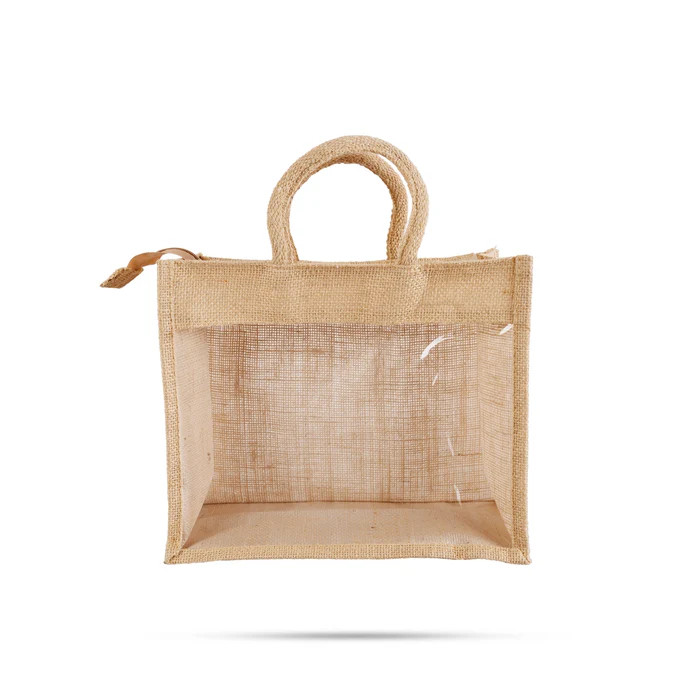
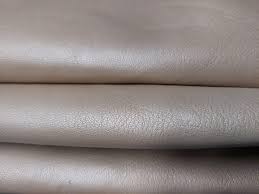
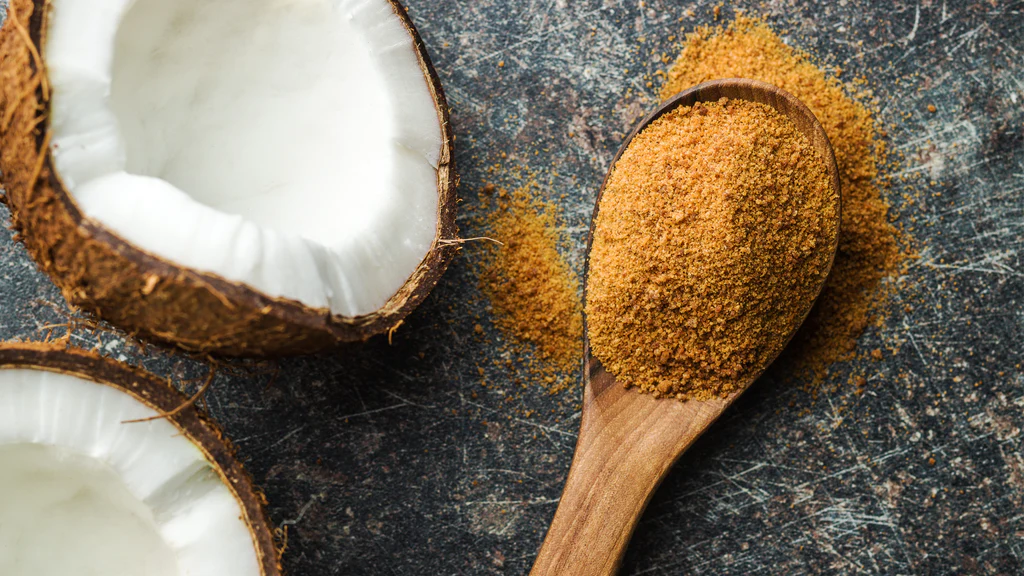
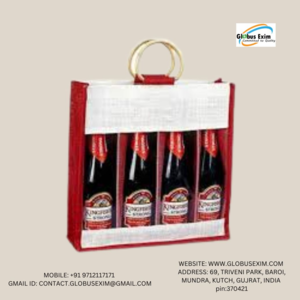
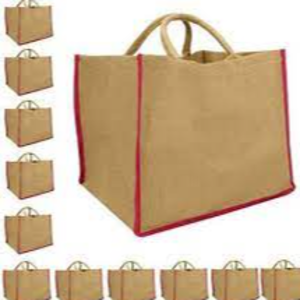
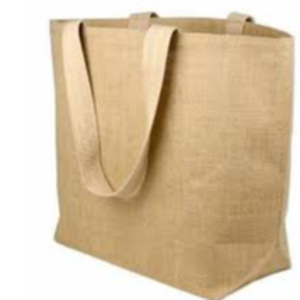
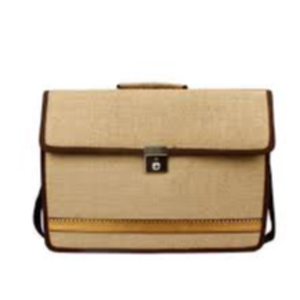
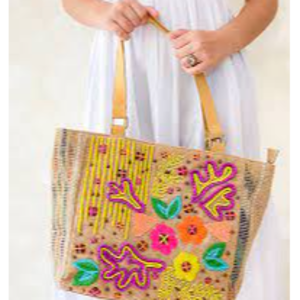
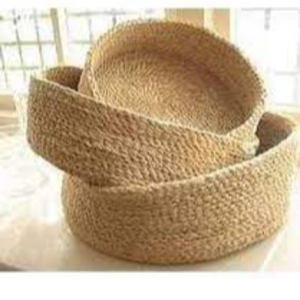
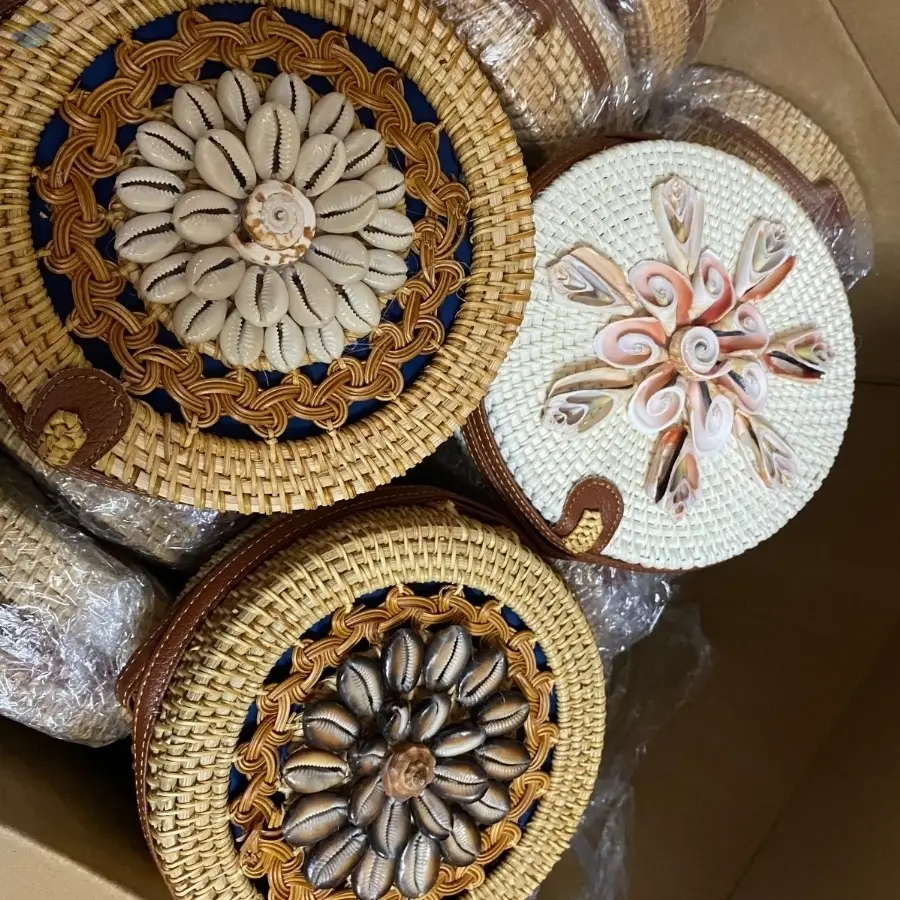
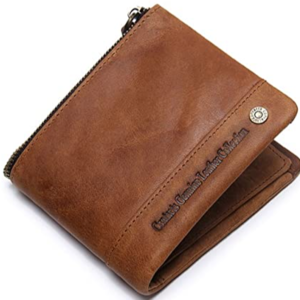
Global trade, located in Cameroon, offers 16 active products. The company's product range includes Jute Bags, Leather Wallets, Smoking Water Pipes, Mango, Strawberry, Essential Oils, Sugar, and Finished Leather. Specifically, their catalogue features products such as Sandstorm Shika Hookah Bowl, Al Amir Blue Mango, and Cane Sugar ICUMSA 45. With a diverse range of products, Global trade caters to various industries and regions.
The company's products are categorized into different types, including Jute Craft, Leather Tote Bag, and Backpack. These products are made from materials such as jute, leather, and sugar. The HS code families involved in these products include 4201 for leather products and 6101 for jute products. Buyers from regions such as Europe, Asia, and Africa typically import these goods.
Product Range and Specialties of Global trade
Global trade's product range includes Jute Bags, Leather Wallets, and Finished Leather. The typical grades for these products include ICUMSA 45 for sugar and CP 10 cloud point for palm oil. The standard specifications for jute bags include a moisture percentage of 12-14% and a purity percentage of 99%. The common materials used in these products include jute, leather, and sugar.
Buyers of these products usually require certifications such as ISO 9001 and ISO 14001. The products are also subject to regulations such as REACH and CPSIA. The packaging for these products typically includes 20 ft or 40 ft containers, with a maximum weight of 25 tons per container.
Trade and Export Information - Global trade
Exporters of Jute Bags and Leather Wallets typically require certifications such as ISO 9001 and ISO 14001. Buyers from regions such as Europe, Asia, and Africa usually import these goods. The HS code families involved in these products include 4201 for leather products and 6101 for jute products. The goods are subject to regulations such as REACH and CPSIA.
The origin country, Cameroon, has a well-established export context for these products. The country's ports, such as the Port of Douala, facilitate the export of these goods to various regions. The logistics norms for these products typically include Incoterms such as CIF and FOB.
Sourcing from Global trade - Buyer Guidance
When sourcing from Global trade, buyers should request specifications such as the material used, the size, and the weight of the products. They should also request test reports and certifications such as ISO 9001 and ISO 14001.
Buyers should verify the products' quality parameters, such as the moisture percentage and purity percentage, before ordering. They should also confirm the packaging and shipping details, including the container size and weight. Any given verification/response/tier signals help in ensuring the products meet the required standards.
Frequently Asked Questions About Global trade
What is the typical material used for Jute Bags?
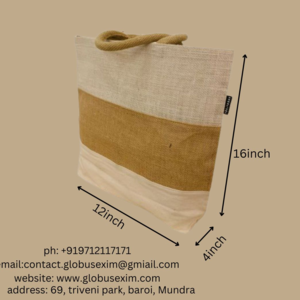
The typical material used for Jute Bags is jute, with a moisture percentage of 12-14% and a purity percentage of 99%. The standard specifications for jute bags include a size range of 10-50 kg and a weight range of 0.5-2 tons per bag.
What certifications are required for Leather Wallets?
The certifications required for Leather Wallets include ISO 9001 and ISO 14001. Buyers should also request test reports and certifications such as REACH and CPSIA.
What is the HS code for Cane Sugar ICUMSA 45?
The HS code for Cane Sugar ICUMSA 45 is 1701. The standard specifications for sugar include a purity percentage of 99.5% and a moisture percentage of 0.5%.
What is the typical packaging for Finished Leather?
The typical packaging for Finished Leather includes 20 ft or 40 ft containers, with a maximum weight of 25 tons per container. The packaging should also include protective materials such as plastic wraps and cardboard boxes.
What is the origin country's export context for these products?
The origin country, Cameroon, has a well-established export context for these products. The country's ports, such as the Port of Douala, facilitate the export of these goods to various regions.
What are the logistics norms for these products?
The logistics norms for these products typically include Incoterms such as CIF and FOB. The goods are subject to regulations such as REACH and CPSIA.
How can buyers verify the products' quality parameters?
Buyers can verify the products' quality parameters by requesting test reports and certifications such as ISO 9001 and ISO 14001. They should also confirm the packaging and shipping details, including the container size and weight.
What is the minimum order quantity (MOQ) for these products?
The minimum order quantity (MOQ) for these products is typically 100 units. The lead time to confirm the order is usually 7-10 days.




 , Cameroon