Agriculture›
 Apparel and fashion accessories›
 Construction & real estate›💡Electronic & Electrical›🍎Food & Beverages›🛋️Home furnishing & supplies›⚗️Industrial goods & chemical›🪨Minerals & metals›📦Miscellaneous›Agriculture›Apparel and fashion accessories›Construction & real estate›💡Electronic & Electrical›🍎Food & Beverages›🛋️Home furnishing & supplies›⚗️Industrial goods & chemical›🪨Minerals & metals›📦Miscellaneous›
Geoporium Global Limited
⚓ Harbor , NigeriaNew supplier / no reviews yet
Geoporium Global Limited Product Catalog
About Geoporium Global Limited - Agricultural Products Supplier in Nigeria
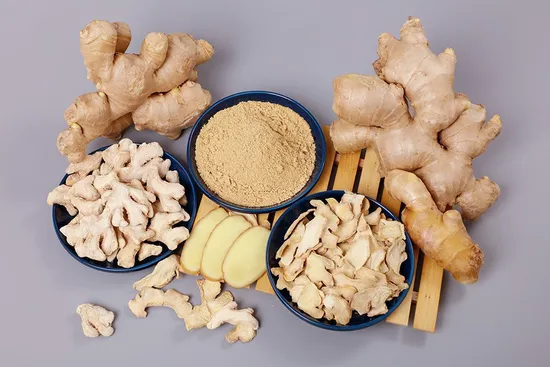
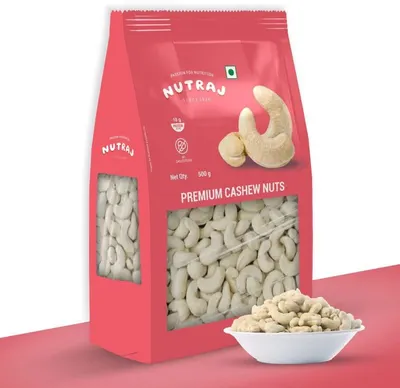
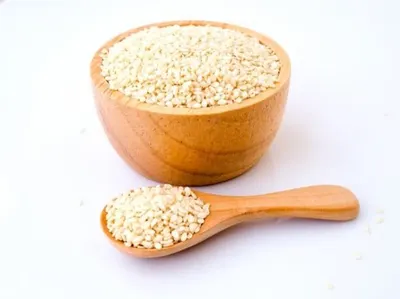
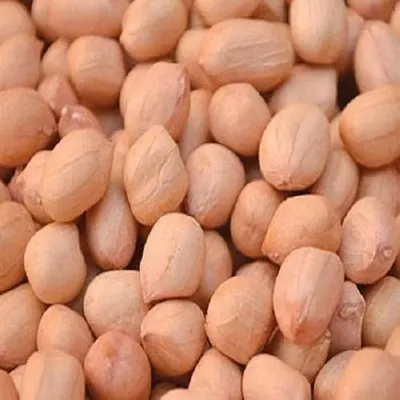
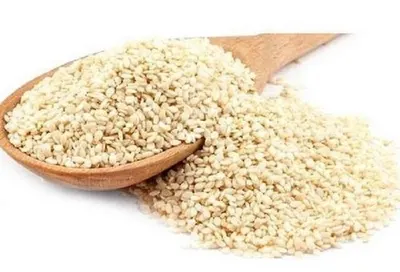
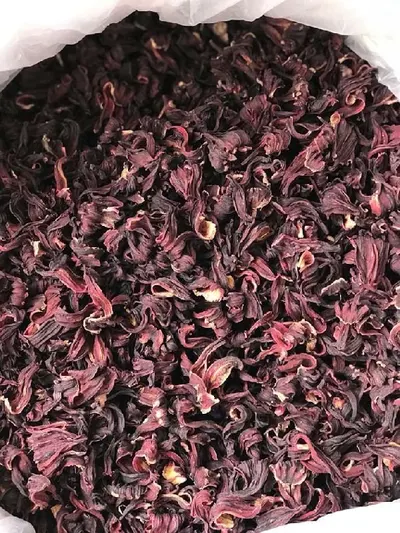
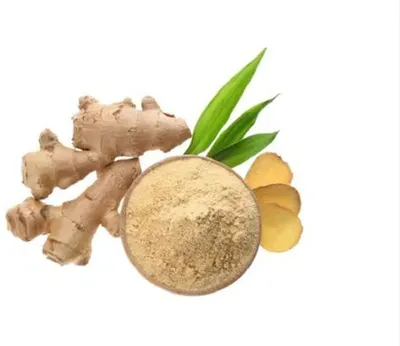
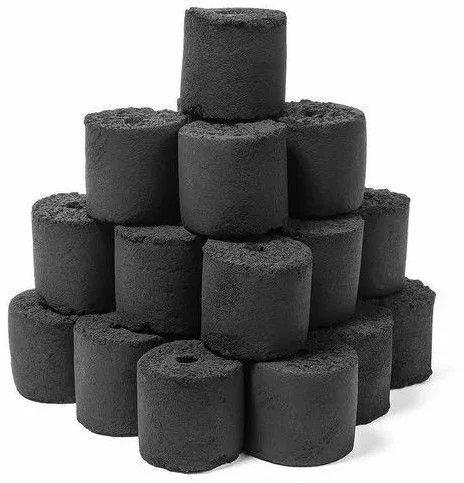
Geoporium Global Limited operates from Nigeria and currently lists nine active products in its catalogue. The product set includes sesame seeds, both white and generic, dried hibiscus flower, fresh hibiscus flower, dried ginger, hardwood charcoal, raw cashew nuts, peanuts, and soybeans. These items fall under the agricultural and food commodity categories commonly exported from West Africa. The supplier’s catalogue does not provide HS codes, so buyers typically reference HS Chapter 12 for oilseeds, Chapter 07 for vegetables, Chapter 08 for nuts, and Chapter 20 for charcoal when arranging customs documentation.
The listed products are presented under generic descriptions such as “Sesame Seed” and “White Sesame Seeds”, indicating both whole seed and processed variants. The inclusion of both fresh and dried hibiscus reflects the seasonal availability of the flower in Nigeria. The catalogue also distinguishes between raw cashew nuts and peanuts, which are common export commodities requiring proper drying and shelling. No specific certifications are mentioned, so buyers should verify compliance with food safety standards such as HACCP or ISO 22000.
Product Range and Specialties of Geoporium Global Limited
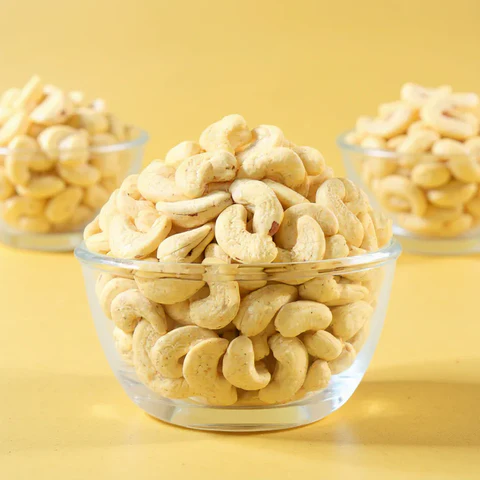
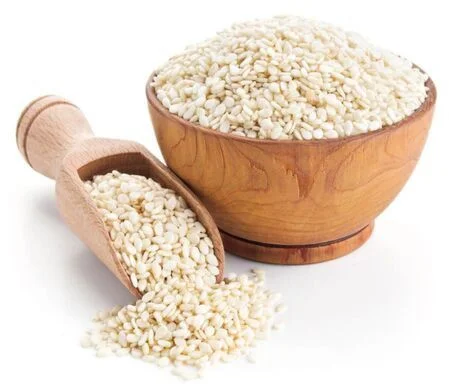
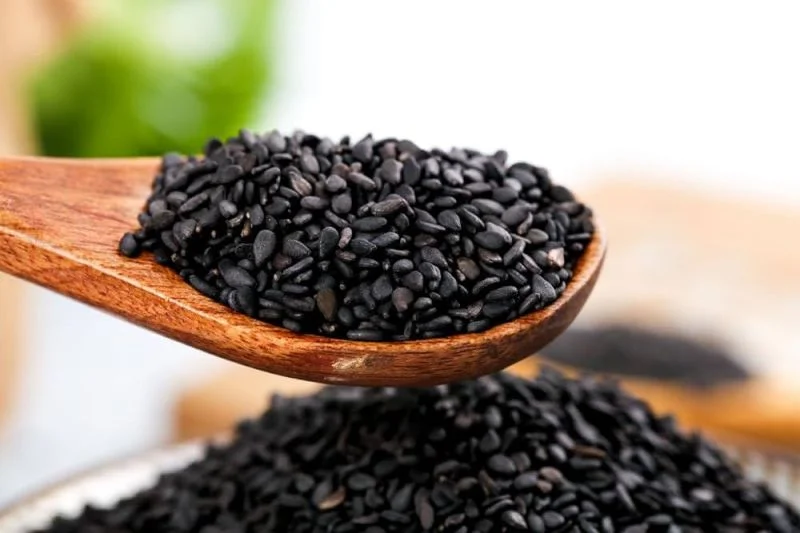
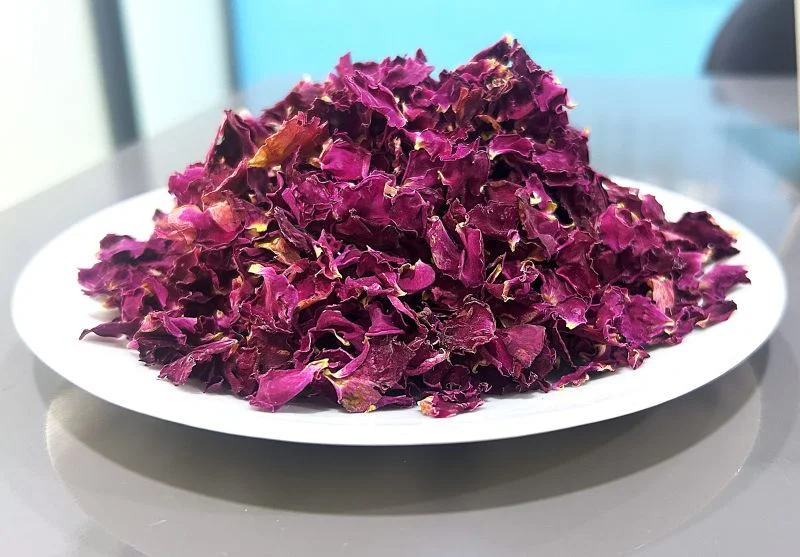
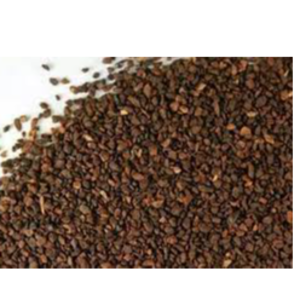
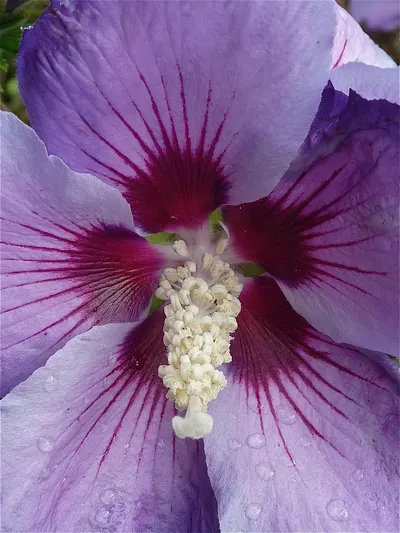
Geoporium’s catalogue offers sesame seeds (including white varieties), dried hibiscus flower, fresh hibiscus flower, dried ginger, hardwood charcoal, raw cashew nuts, peanuts, and soybeans. In the global market, sesame seeds are graded by kernel size, oil content (typically 45‑55 %), and color, with “white” seeds often meeting a minimum brightness of 70 % on a visual scale. Dried hibiscus flowers are usually shipped with moisture content below 12 % and a particle size of 2‑5 mm. Dried ginger is evaluated for total gingerols above 1 % and moisture under 10 %.
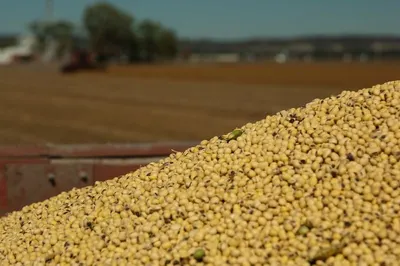
Hardwood charcoal for industrial use is commonly classified by fixed carbon content (≥70 %) and ash content (≤5 %). Raw cashew nuts are graded by shelling percentage (≈45 % kernel) and moisture (≤5 %). Peanuts exported from West Africa are typically of the “Virginia” or “Runner” type, with aflatoxin limits of 10 ppb for export markets. Soybeans are assessed for protein content (≥35 %) and oil content (≈18‑20 %). Typical packaging includes 25 kg polypropylene bags for seeds and nuts, and bulk containers (20 ft or 40 ft) for charcoal.
Frequently Asked Questions About Geoporium Global Limited
What product specifications does Geoporium provide for its sesame seeds?
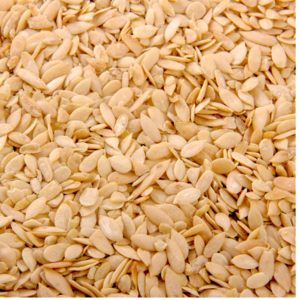
The supplier lists sesame seeds and white sesame seeds without detailed specs, so buyers should ask for kernel size range, oil content (typically 45‑55 %), moisture level (≤6 %), and any color grading. A sample analysis report confirming these parameters is standard practice before a bulk purchase.
How can I obtain a sample of the dried hibiscus flower?
Geoporium can ship a 1‑kg sample of the dried hibiscus flower in a sealed polybag. Request the sample together with a certificate of analysis that shows moisture content (below 12 %) and absence of pesticide residues.
Which certifications should I request for the peanuts and soybeans?
Importers usually require food‑safety certifications such as HACCP or ISO 22000, a recent phytosanitary certificate, and a lab report for aflatoxin (peanuts) and pesticide residues (soybeans). Ask the supplier to provide copies of these documents before finalizing the order.
What is the typical packaging and container loading for hardwood charcoal?
Hardwood charcoal is commonly packed in bulk bags of 500 kg or directly loaded as loose cargo in a 20‑ft container, which can accommodate up to 20 tonnes. The cargo is often sealed with a moisture‑proof liner and accompanied by a fumigation certificate.
What HS codes are generally used for these products when importing?
While the supplier’s catalogue does not list HS codes, exporters of sesame seeds and soybeans usually use HS Chapter 12 (e.g., 1207 for soybeans, 1208 for sesame seeds). Charcoal falls under HS Chapter 44, and nuts such as cashews and peanuts are classified under HS Chapter 08.
NigeriaRelated Suppliers & Products
Explore similar suppliers, related products and trending categories