GDP Village2global Private Limited — Verified Supplier

About GDP Village2global Private Limited - Coconut Products Supplier in India

India hosts GDP Village2global Private Limited with an active catalogue of 19 distinct products spanning coconut derivatives, coir materials and several pulse varieties. The listed top categories include Pulses, Desiccated Coconut, Coco Peat & Coir Pith, Coconut Oil, Coconut Flour, Coconut Water & Coconut Milk, Other Coir Products and Coconut Shell Charcoal. Each entry in the catalogue is identified by its product name and, where applicable, an HS‑code that aligns with international tariff schedules. The supplier’s portfolio therefore covers HS‑code families such as 1401 (coconut husk fibre) and 1006 (aromatic rice).

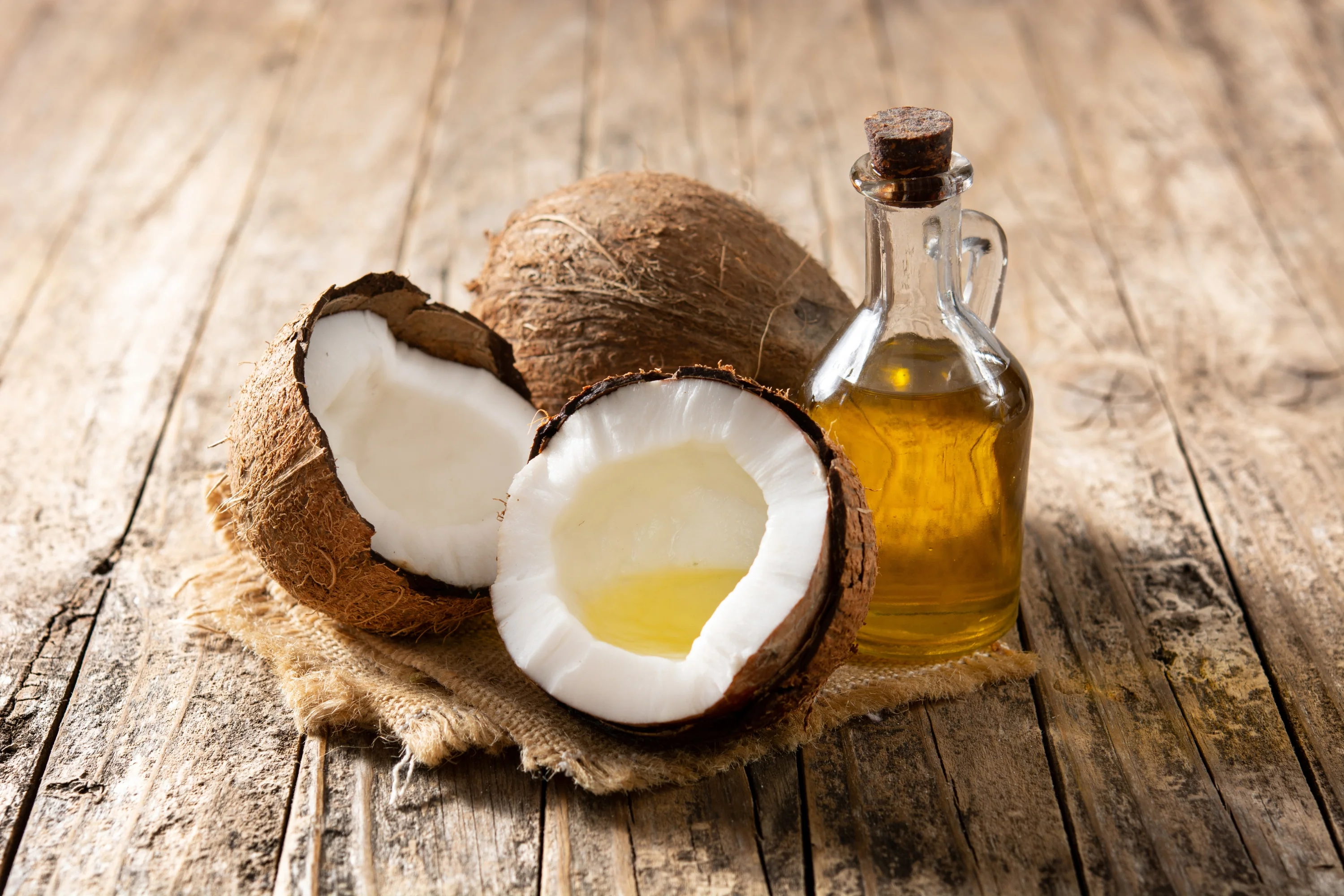
The catalogue enumerates virgin coconut oil, desiccated coconut, low‑fat desiccated coconut, coconut flour, coconut milk, coir pith growing medium, coir wood, coconut shell charcoal, coir fiber, coco peat, a specific entry for coco fibre (HS 1401.20, material Natural Coconut Husk Fiber), four Indian pulse types (toor dal, urad dal, moong dal, chana dal), black pepper, cardamom, Indian basmati rice (HS 1006.30, material Premium Long‑Grain Aromatic Rice) and Indian parboiled rice. No other HS‑codes are supplied in the source data.

Product Range and Specialties of GDP Village2global Private Limited

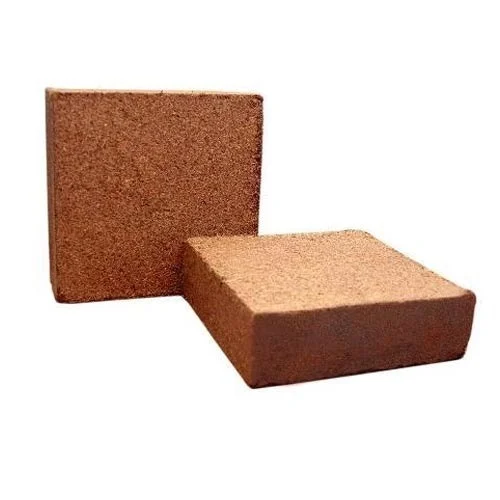
The product list groups three main material streams: coconut oil and its food derivatives, coir‑based horticultural media, and legume pulses. Virgin coconut oil is typically sold with free fatty acid (FFA) levels below 0.5 % and peroxide values under 10 meq O₂/kg. Desiccated coconut products generally target moisture contents of 5‑6 % and particle sizes between 2‑6 mm, while low‑fat variants aim for moisture under 4 %. Coconut flour is a high‑fiber powder with protein levels around 20‑25 % and moisture below 8 %. Coir fibre and coco peat are graded by bulk density (120‑150 kg m⁻³) and fibre length (5‑15 mm) for horticultural use. Pulses such as toor dal, urad dal, moong dal and chana dal are commonly classified by moisture (<12 %), protein (18‑24 %) and absence of foreign matter under 1 %.

Trade and Export Information - GDP Village2global Private Limited

India is a major exporter of coconut products, supplying the Middle East, European Union and United States under HS 1511 (coconut oil), HS 1806 (coconut milk) and HS 1312 (coconut water). Coir and related horticultural media (HS 1401) are frequently shipped to African and Southeast Asian markets for soil amendment and potting mixes. Indian pulses are exported mainly to the Gulf Cooperation Council, East Africa and Southeast Asia, using HS 0713 and HS 0714 classifications. Standard export documentation includes a commercial invoice, packing list, phytosanitary certificate for pulses, and a certificate of origin. Buyers usually request ISO 9001 or organic certification where applicable, but such certificates must be verified directly with the supplier. Typical container loading is 20‑ft or 40‑ft dry containers for bulk coconut products and 20‑ft containers for coir fibre, with moisture‑controlled pallets for pulses.

Sourcing from GDP Village2global Private Limited - Buyer Guidance

When sourcing virgin coconut oil, request a Certificate of Analysis showing FFA ≤ 0.5 % and peroxide value ≤ 10 meq O₂/kg, together with a recent laboratory test for pesticide residues. For desiccated coconut and coconut flour, ask for moisture content results, particle‑size distribution and microbial limits (e.g., total plate count ≤ 10⁴ cfu g⁻¹). Coir fibre and coco peat buyers should obtain a bulk density report and fibre‑length analysis, plus a phytosanitary certificate confirming the material is pest‑free. Pulse orders normally require a sample analysis confirming protein content, moisture <12 % and compliance with any import‑country residue limits. In all cases, request a copy of the supplier’s export license and, if available, any third‑party audit reports before finalising the purchase.

Frequently Asked Questions About GDP Village2global Private Limited

What HS‑code applies to the coco fibre offered by GDP Village2global?

The coco fibre is classified under HS 1401.20, which covers natural coconut husk fibre (coir).

Can I obtain a Certificate of Analysis for the virgin coconut oil?

Yes, the supplier can provide a COA that details free fatty acid level, peroxide value and any pesticide residue testing results.

What are the typical moisture specifications for desiccated coconut?

Desiccated coconut is usually required to have moisture between 5 % and 6 %, while low‑fat variants target moisture below 4 %.

Which documents are needed for importing Indian pulses?

A phytosanitary certificate, commercial invoice, packing list and, where required, a certificate of origin are standard for pulse shipments.

What packaging is used for coir fibre exports?

Coir fibre is commonly packed in 20‑kg polypropylene bags or bulk sacks, with moisture‑controlled pallets to prevent fungal growth.

What is the minimum order quantity (MOQ) for coconut shell charcoal?

The supplier typically sets an MOQ of one 20‑ft container, approximately 20‑25 metric tonnes, but smaller batch sizes can be negotiated on request.

Which certifications should I request for organic coconut products?

Buyers should ask for an organic certification such as India Organic (NPOP) or an internationally recognised standard like USDA Organic, accompanied by the relevant audit report.

What lead time can I expect for a shipment of Indian basmati rice?

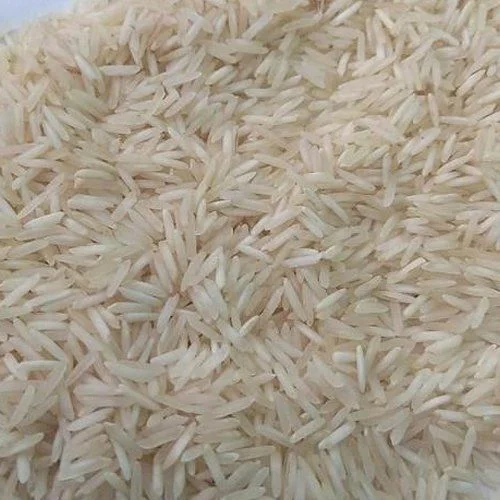
Lead times for basmati rice are generally 30‑45 days from order confirmation, depending on harvest season and container availability.

Featured Products from this Supplier

Other Suppliers in Primary Category

Top Trusted Suppliers

Related Products

Trending in Parent Category

More Suppliers in Category

Related Products

Other Suppliers

EximNext
58.4K+ live requirements
Register Free🎁 5 free buy-lead credits
Post Requirement
🌍 Trusted by 224.3K+ businesses in 200+ countries|
58.4K+ active requirements right now
✉️ [email protected]
|
Sell on EximNextPost Requirement
EximNext
AgricultureApparelConstructionElectronicFoodHomeIndustrialMineralsMiscellaneous
🔥 Deals|✨ AI Match|🏭 Suppliers|📋 Buy Leads|💰 Trade Finance|⭐ Upgrade
58.4K+ live RFQs·194.4K+ suppliers
🎁 5 free credits →
EximNext
EximNext
Register Free
🎁 5 free buy-lead credits
Sign In
📋Post Requirement💬Get QuotesAI Match📋RFQ Marketplace
All Categories
Services & Tools
🏭Supplier Directory🔥Today's Deals💰Trade FinanceMembership
Sell on EximNext
AboutContactBlogHelp
🏭

GDP Village2global Private Limited

Harbor
Country flag , India
🛡️
77/100
Trust Score

GDP Village2global Private Limited Product Catalog

Showing 12 of 19 products
View all products →
Coco Peat
Harbor
Coco Peat
Contact
MOQ: 1 Unit
Indian Parboiled Rice
Harbor
Indian Parboiled Rice
Contact
MOQ: 1 Unit
Indian Basmati Rice
Harbor
Indian Basmati Rice
Contact
MOQ: 1 Unit
Cardamom
Harbor
Cardamom
Contact
MOQ: 1 Unit
Black Pepper
Harbor
Black Pepper
Contact
MOQ: 1 Unit
Bengal Gram (Chana Dal)
Harbor
Bengal Gram (Chana Dal)
Contact
MOQ: 1 Unit
Moong Dal (Green Gram)
Harbor
Moong Dal (Green Gram)
Contact
MOQ: 1 Unit
Urad Dal (Black Gram)
Harbor
Urad Dal (Black Gram)
Contact
MOQ: 1 Unit
Toor Dal (Pigeon Pea)
Harbor
Toor Dal (Pigeon Pea)
Contact
MOQ: 1 Unit
Coco Fibre
Harbor
Coco Fibre
Contact
MOQ: 1 Unit
Virgin Coconut Oil
Harbor
Virgin Coconut Oil
Contact
MOQ: 1 Unit
Coir Fiber
Harbor
Coir Fiber
Contact
MOQ: 1 Unit

About GDP Village2global Private Limited - Coconut Products Supplier in India

India hosts GDP Village2global Private Limited with an active catalogue of 19 distinct products spanning coconut derivatives, coir materials and several pulse varieties. The listed top categories include Pulses, Desiccated Coconut, Coco Peat & Coir Pith, Coconut Oil, Coconut Flour, Coconut Water & Coconut Milk, Other Coir Products and Coconut Shell Charcoal. Each entry in the catalogue is identified by its product name and, where applicable, an HS‑code that aligns with international tariff schedules. The supplier’s portfolio therefore covers HS‑code families such as 1401 (coconut husk fibre) and 1006 (aromatic rice).

The catalogue enumerates virgin coconut oil, desiccated coconut, low‑fat desiccated coconut, coconut flour, coconut milk, coir pith growing medium, coir wood, coconut shell charcoal, coir fiber, coco peat, a specific entry for coco fibre (HS 1401.20, material Natural Coconut Husk Fiber), four Indian pulse types (toor dal, urad dal, moong dal, chana dal), black pepper, cardamom, Indian basmati rice (HS 1006.30, material Premium Long‑Grain Aromatic Rice) and Indian parboiled rice. No other HS‑codes are supplied in the source data.

Product Range and Specialties of GDP Village2global Private Limited

The product list groups three main material streams: coconut oil and its food derivatives, coir‑based horticultural media, and legume pulses. Virgin coconut oil is typically sold with free fatty acid (FFA) levels below 0.5 % and peroxide values under 10 meq O₂/kg. Desiccated coconut products generally target moisture contents of 5‑6 % and particle sizes between 2‑6 mm, while low‑fat variants aim for moisture under 4 %. Coconut flour is a high‑fiber powder with protein levels around 20‑25 % and moisture below 8 %. Coir fibre and coco peat are graded by bulk density (120‑150 kg m⁻³) and fibre length (5‑15 mm) for horticultural use. Pulses such as toor dal, urad dal, moong dal and chana dal are commonly classified by moisture (<12 %), protein (18‑24 %) and absence of foreign matter under 1 %.

Trade and Export Information - GDP Village2global Private Limited

India is a major exporter of coconut products, supplying the Middle East, European Union and United States under HS 1511 (coconut oil), HS 1806 (coconut milk) and HS 1312 (coconut water). Coir and related horticultural media (HS 1401) are frequently shipped to African and Southeast Asian markets for soil amendment and potting mixes. Indian pulses are exported mainly to the Gulf Cooperation Council, East Africa and Southeast Asia, using HS 0713 and HS 0714 classifications. Standard export documentation includes a commercial invoice, packing list, phytosanitary certificate for pulses, and a certificate of origin. Buyers usually request ISO 9001 or organic certification where applicable, but such certificates must be verified directly with the supplier. Typical container loading is 20‑ft or 40‑ft dry containers for bulk coconut products and 20‑ft containers for coir fibre, with moisture‑controlled pallets for pulses.

Sourcing from GDP Village2global Private Limited - Buyer Guidance

When sourcing virgin coconut oil, request a Certificate of Analysis showing FFA ≤ 0.5 % and peroxide value ≤ 10 meq O₂/kg, together with a recent laboratory test for pesticide residues. For desiccated coconut and coconut flour, ask for moisture content results, particle‑size distribution and microbial limits (e.g., total plate count ≤ 10⁴ cfu g⁻¹). Coir fibre and coco peat buyers should obtain a bulk density report and fibre‑length analysis, plus a phytosanitary certificate confirming the material is pest‑free. Pulse orders normally require a sample analysis confirming protein content, moisture <12 % and compliance with any import‑country residue limits. In all cases, request a copy of the supplier’s export license and, if available, any third‑party audit reports before finalising the purchase.

Frequently Asked Questions About GDP Village2global Private Limited

What HS‑code applies to the coco fibre offered by GDP Village2global?

The coco fibre is classified under HS 1401.20, which covers natural coconut husk fibre (coir).

Can I obtain a Certificate of Analysis for the virgin coconut oil?

Yes, the supplier can provide a COA that details free fatty acid level, peroxide value and any pesticide residue testing results.

What are the typical moisture specifications for desiccated coconut?

Desiccated coconut is usually required to have moisture between 5 % and 6 %, while low‑fat variants target moisture below 4 %.

Which documents are needed for importing Indian pulses?

A phytosanitary certificate, commercial invoice, packing list and, where required, a certificate of origin are standard for pulse shipments.

What packaging is used for coir fibre exports?

Coir fibre is commonly packed in 20‑kg polypropylene bags or bulk sacks, with moisture‑controlled pallets to prevent fungal growth.

What is the minimum order quantity (MOQ) for coconut shell charcoal?

The supplier typically sets an MOQ of one 20‑ft container, approximately 20‑25 metric tonnes, but smaller batch sizes can be negotiated on request.

Which certifications should I request for organic coconut products?

Buyers should ask for an organic certification such as India Organic (NPOP) or an internationally recognised standard like USDA Organic, accompanied by the relevant audit report.

What lead time can I expect for a shipment of Indian basmati rice?

Lead times for basmati rice are generally 30‑45 days from order confirmation, depending on harvest season and container availability.

About GDP Village2global Private Limited - Coconut Products Supplier in India

India hosts GDP Village2global Private Limited with an active catalogue of 19 distinct products spanning coconut derivatives, coir materials and several pulse varieties. The listed top categories include Pulses, Desiccated Coconut, Coco Peat & Coir Pith, Coconut Oil, Coconut Flour, Coconut Water & Coconut Milk, Other Coir Products and Coconut Shell Charcoal. Each entry in the catalogue is identified by its product name and, where applicable, an HS‑code that aligns with international tariff schedules. The supplier’s portfolio therefore covers HS‑code families such as 1401 (coconut husk fibre) and 1006 (aromatic rice).

The catalogue enumerates virgin coconut oil, desiccated coconut, low‑fat desiccated coconut, coconut flour, coconut milk, coir pith growing medium, coir wood, coconut shell charcoal, coir fiber, coco peat, a specific entry for coco fibre (HS 1401.20, material Natural Coconut Husk Fiber), four Indian pulse types (toor dal, urad dal, moong dal, chana dal), black pepper, cardamom, Indian basmati rice (HS 1006.30, material Premium Long‑Grain Aromatic Rice) and Indian parboiled rice. No other HS‑codes are supplied in the source data.

Product Range and Specialties of GDP Village2global Private Limited

The product list groups three main material streams: coconut oil and its food derivatives, coir‑based horticultural media, and legume pulses. Virgin coconut oil is typically sold with free fatty acid (FFA) levels below 0.5 % and peroxide values under 10 meq O₂/kg. Desiccated coconut products generally target moisture contents of 5‑6 % and particle sizes between 2‑6 mm, while low‑fat variants aim for moisture under 4 %. Coconut flour is a high‑fiber powder with protein levels around 20‑25 % and moisture below 8 %. Coir fibre and coco peat are graded by bulk density (120‑150 kg m⁻³) and fibre length (5‑15 mm) for horticultural use. Pulses such as toor dal, urad dal, moong dal and chana dal are commonly classified by moisture (<12 %), protein (18‑24 %) and absence of foreign matter under 1 %.

Trade and Export Information - GDP Village2global Private Limited

India is a major exporter of coconut products, supplying the Middle East, European Union and United States under HS 1511 (coconut oil), HS 1806 (coconut milk) and HS 1312 (coconut water). Coir and related horticultural media (HS 1401) are frequently shipped to African and Southeast Asian markets for soil amendment and potting mixes. Indian pulses are exported mainly to the Gulf Cooperation Council, East Africa and Southeast Asia, using HS 0713 and HS 0714 classifications. Standard export documentation includes a commercial invoice, packing list, phytosanitary certificate for pulses, and a certificate of origin. Buyers usually request ISO 9001 or organic certification where applicable, but such certificates must be verified directly with the supplier. Typical container loading is 20‑ft or 40‑ft dry containers for bulk coconut products and 20‑ft containers for coir fibre, with moisture‑controlled pallets for pulses.

Sourcing from GDP Village2global Private Limited - Buyer Guidance

When sourcing virgin coconut oil, request a Certificate of Analysis showing FFA ≤ 0.5 % and peroxide value ≤ 10 meq O₂/kg, together with a recent laboratory test for pesticide residues. For desiccated coconut and coconut flour, ask for moisture content results, particle‑size distribution and microbial limits (e.g., total plate count ≤ 10⁴ cfu g⁻¹). Coir fibre and coco peat buyers should obtain a bulk density report and fibre‑length analysis, plus a phytosanitary certificate confirming the material is pest‑free. Pulse orders normally require a sample analysis confirming protein content, moisture <12 % and compliance with any import‑country residue limits. In all cases, request a copy of the supplier’s export license and, if available, any third‑party audit reports before finalising the purchase.

Frequently Asked Questions About GDP Village2global Private Limited
What HS‑code applies to the coco fibre offered by GDP Village2global?
The coco fibre is classified under HS 1401.20, which covers natural coconut husk fibre (coir).
Can I obtain a Certificate of Analysis for the virgin coconut oil?
Yes, the supplier can provide a COA that details free fatty acid level, peroxide value and any pesticide residue testing results.
What are the typical moisture specifications for desiccated coconut?
Desiccated coconut is usually required to have moisture between 5 % and 6 %, while low‑fat variants target moisture below 4 %.
Which documents are needed for importing Indian pulses?
A phytosanitary certificate, commercial invoice, packing list and, where required, a certificate of origin are standard for pulse shipments.
What packaging is used for coir fibre exports?
Coir fibre is commonly packed in 20‑kg polypropylene bags or bulk sacks, with moisture‑controlled pallets to prevent fungal growth.
What is the minimum order quantity (MOQ) for coconut shell charcoal?
The supplier typically sets an MOQ of one 20‑ft container, approximately 20‑25 metric tonnes, but smaller batch sizes can be negotiated on request.
Which certifications should I request for organic coconut products?
Buyers should ask for an organic certification such as India Organic (NPOP) or an internationally recognised standard like USDA Organic, accompanied by the relevant audit report.
What lead time can I expect for a shipment of Indian basmati rice?
Lead times for basmati rice are generally 30‑45 days from order confirmation, depending on harvest season and container availability.

🏭
GDP Village2global Private Limited
Country flag , India
Harbor
77/100
Trust Score
📦
19
Products
Free to contact — no commission
Escrow payment available
Verified business identity
Compare more suppliers
Post a requirement — get 10 quotes free
Let verified suppliers compete for your business. Free, fast, no commitment.
EximNext Verified Supplier
Business identity verified
Physical address confirmed
Financial history checked
Certifications authenticated
Trade references validated
Due Diligence
Verify this supplier's real shipping history.
Every shipment, every buyer, every port. Trade data that can't be faked.
Run due diligence →
Discover More

Related Suppliers & Products

Explore similar suppliers, related products and trending categories

Featured Products from this Supplier

Other Suppliers in Primary Category

Top Trusted Suppliers

Related Products

Trending in Parent Category

More Suppliers in Category

Stay ahead in global trade
Weekly market insights & new supplier alerts.
EximNext
Exim Next is a leading global B2B marketplace, connecting over 205,000 verified suppliers and buyers across 200+ countries. As a trusted import export marketplace, it serves as the essential B2B portal for businesses worldwide, empowering them to expand their international reach. With Exim Next, businesses can trade smarter and grow faster.
SECURE PAYMENTS
VISAMastercardPayPalSWIFTL/CEscrow
Follow us
© 2026 EximNext