Agriculture›
 Apparel and fashion accessories›
 Construction & real estate›💡Electronic & Electrical›🍎Food & Beverages›🛋️Home furnishing & supplies›⚗️Industrial goods & chemical›🪨Minerals & metals›📦Miscellaneous›Agriculture›Apparel and fashion accessories›Construction & real estate›💡Electronic & Electrical›🍎Food & Beverages›🛋️Home furnishing & supplies›⚗️Industrial goods & chemical›🪨Minerals & metals›📦Miscellaneous›
Fulus Fruit Product Catalog
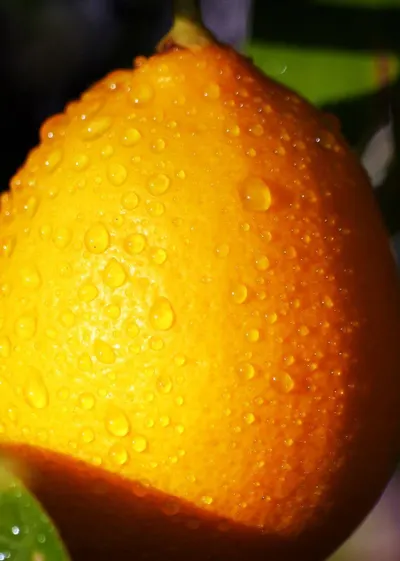
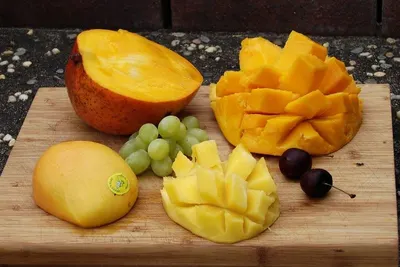
About Fulus Fruit - Fresh Fruits Supplier in Indonesia
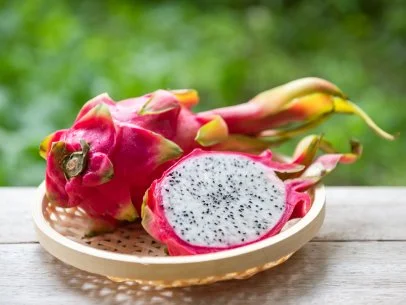
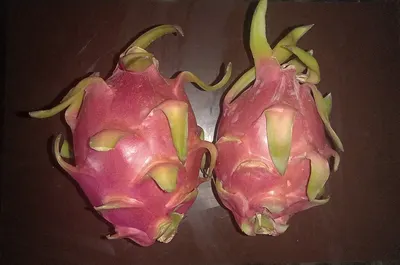
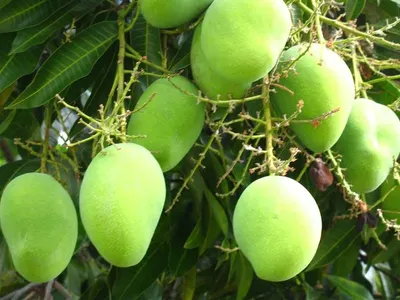
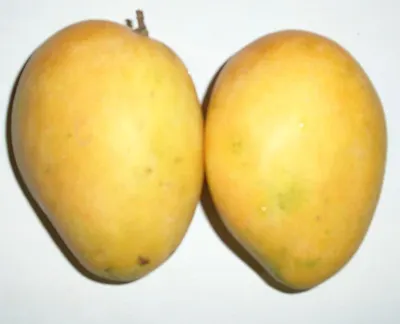
Indonesia, the archipelagic nation in Southeast Asia, is the base for Fulus Fruit, which currently lists seven active fruit products. The catalogue includes Red Dragon Fruit, Honey Pomelo, three regional mango varieties - Budiraja, Indramayu, Gedong Ijo, and Gedong Gincu - and Orange B 55 (Citrus reticulata). Each item falls under the broader categories of mango, dragon fruit, orange, and fresh fruits as indicated in the supplier’s top categories. The product list reflects the diversity of tropical and subtropical fruit cultivated in Indonesia.
The supplier’s trust tier is classified as “harbor,” indicating a mid‑level verification status in the trade platform. Fulus Fruit’s product set is limited to fresh, whole‑fruit items without processed derivatives, and no HS codes or certifications are recorded in the supplied data. Buyers can therefore focus on the specific fruit types and their origin when evaluating suitability for import.
Product Range and Specialties of Fulus Fruit
The catalogue presents seven distinct fresh‑fruit items: Red Dragon Fruit, Honey Pomelo, three mango cultivars from Budiraja, Indramayu, Gedong Ijo and Gedong Gincu, and Orange B 55 (Citrus reticulata). In the global fruit market, dragon fruit is commonly graded by size (e.g., 10 - 12 cm length), flesh color, and Brix level above 12 %. Honey pomelo is evaluated for peel thickness, weight (typically 800 g - 1.2 kg), and acidity. Indonesian mangoes are usually classified by sweetness (Brix 14 - 18 %), flesh firmness, and absence of blemishes, with regional names indicating origin and typical size range of 150 - 250 g per fruit. Orange B 55 refers to a grade with a minimum diameter of 55 mm, a common export standard for seedless mandarins.
Industry practice for these fruit categories includes packaging in ventilated 20 kg cardboard cartons, stacked on pallets for sea freight. Export shipments often fill 20‑foot containers with 1,200 kg of mangoes or dragon fruit, while 40‑foot containers accommodate up to 2,400 kg of oranges. Quality control frequently involves laboratory analysis for pesticide residues, moisture content, and soluble solids (Brix).
Frequently Asked Questions About Fulus Fruit
What fresh fruit varieties are listed by Fulus Fruit?
The supplier lists seven products: Red Dragon Fruit, Honey Pomelo, three mango cultivars (Budiraja, Indramayu, Gedong Ijo, Gedong Gincu) and Orange B 55 (Citrus reticulata).
Are any quality certifications indicated for Fulus Fruit?
No certifications are recorded in the supplied data; buyers should request copies of any GlobalGAP, BRC, or ISO 22000 certificates the supplier may hold.
What documentation is required for importing these fruits from Indonesia?
Standard documents include a commercial invoice, packing list, phytosanitary certificate, and, where applicable, a certificate of origin and any required import permits.
What are typical quality parameters buyers check for mangoes and dragon fruit?
Buyers usually verify Brix sweetness (14‑18 % for mango, ≥12 % for dragon fruit), fruit size, absence of visible defects, and compliance with pesticide residue limits set by the importing country.
How are the fruits typically packaged for export?
Export packs consist of ventilated 20 kg cardboard cartons, stacked on standard Euro pallets; refrigerated containers keep the fruit at 8 - 12 °C throughout transit.
 Indonesia
Related Suppliers & Products
Explore similar suppliers, related products and trending categories