Floral Seed Co. — Verified Supplier
About Floral Seed Co. - Agriculture Seeds Supplier in India
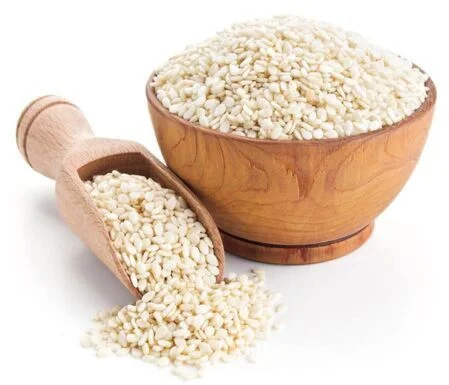
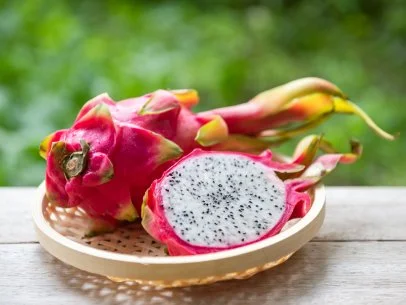
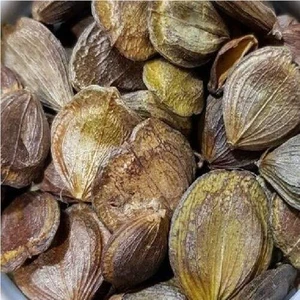
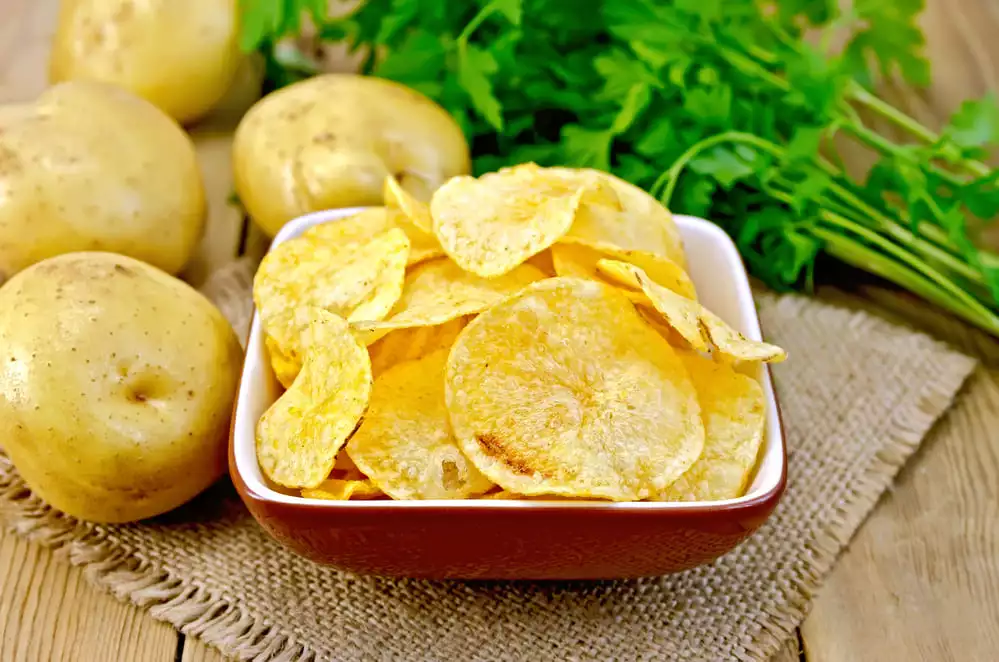
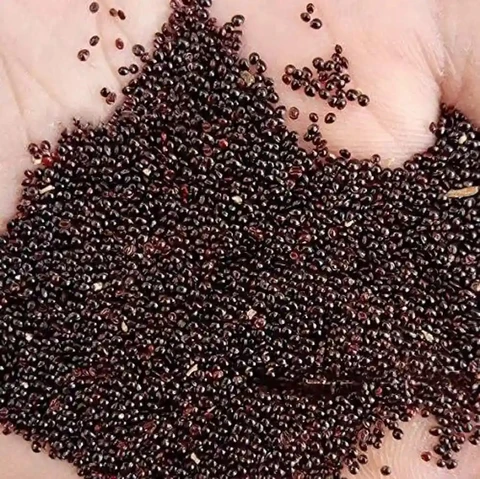
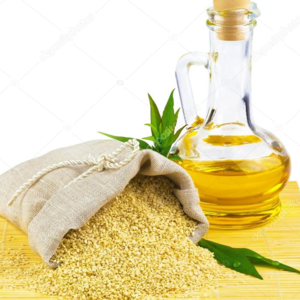
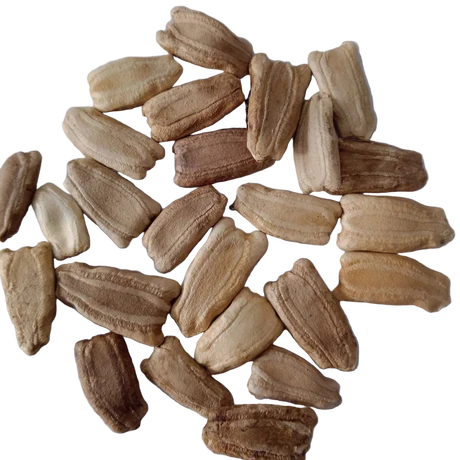
India hosts a diverse seed production sector, and Floral Seed Co. lists fourteen distinct seed items in its catalogue. The supplier’s catalogue spans agriculture seeds, oil seeds, and plant extracts, covering both food and horticultural applications. Each entry is recorded under broad seed categories such as Agriculture Seeds, Other Oil Seeds, and Plants & Plant Extracts, reflecting the variety of germplasm offered. The product list includes White Sesame Seeds, Swietenia Mahagoni Seeds, Fruit Seed, Summer Flower Seeds, Oil Seed, Potato Seeds, Nursery Plants, Soybean Seed, Medicinal Seeds, Herbal Tree, Herbal Leaves, Plant Seed, Bamboo Seed and Herbal Seeds. These items are presented without additional processing, indicating they are supplied as raw or minimally treated seed material suitable for planting or further processing.
Product Range and Specialties of Floral Seed Co.
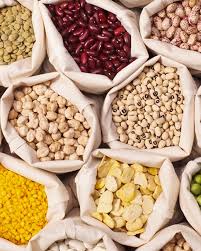
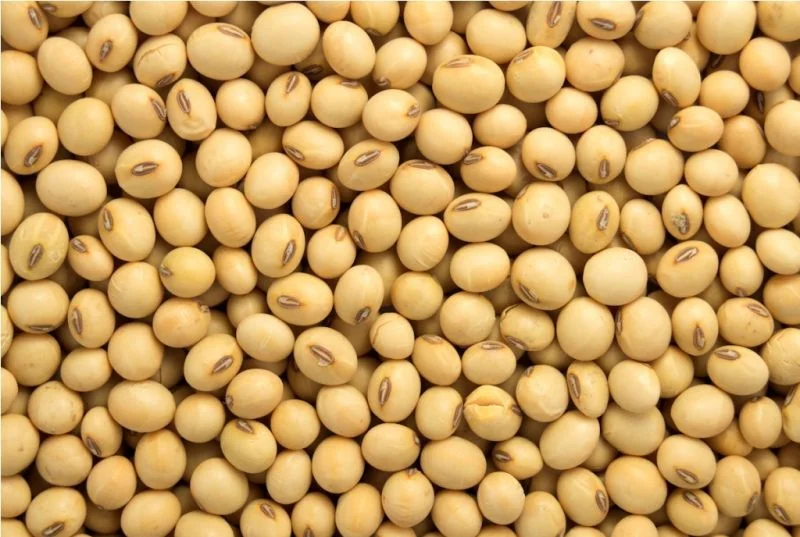
The catalogue concentrates on raw seed material across multiple botanical families. Typical seed specifications in the industry include purity levels above 95 %, germination rates of 80‑90 % for vegetable and oil seeds, and moisture content below 10 % to ensure viability during transport. For sesame seeds, buyers often look for uniform kernel size and low hull content, while soybean seeds are evaluated for seed weight (80‑110 g per 1000 seeds) and disease‑free status. Industry practice also distinguishes seed grades by treatment status - untreated, fungicide‑treated, or coated for enhanced field performance. Packaging is commonly in 25 kg or 50 kg polypropylene bags, sealed to protect against moisture and pest ingress. Buyers may request certification such as ISO 9001 quality management or a phytosanitary certificate issued by the Indian agricultural authority.
Trade and Export Information - Floral Seed Co.
India is a major exporter of agricultural seeds, supplying markets in Southeast Asia, the Middle East, Africa and parts of Europe. Seed shipments are typically governed by HS Chapter 12 (HS 1207 for seeds of vegetables, fruits, nuts, etc.) and require a phytosanitary certificate confirming freedom from quarantine pests. Common import requirements include compliance with the destination country’s seed purity standards, germination test reports and, where applicable, GMO‑free declarations. Logistically, seed consignments are loaded in 20‑foot or 40‑foot containers, with temperature‑controlled storage rarely needed due to the low moisture content of the product. Buyers often use CIF or FOB Incoterms, and freight forwarders handle bulk bag loading to maximize container utilization. Exporters from India must adhere to the Agricultural and Processed Food Products Export Development Authority (APEDA) guidelines, which outline documentation, packaging and traceability expectations.
Sourcing from Floral Seed Co. - Buyer Guidance
When sourcing seeds from Floral Seed Co., buyers should request a recent germination test report (typically a 7‑day laboratory test) and a phytosanitary certificate that meets the importing country’s quarantine regulations. Verification of seed purity, moisture content and any treatment records (e.g., fungicide coating) helps confirm product suitability before shipment. It is advisable to obtain a sample batch for field trial, especially for specialty seeds such as medicinal or herbal varieties, to assess emergence and growth characteristics. Confirm the packaging size (25 kg or 50 kg bags) and ensure the supplier can meet the required minimum order quantity, which often aligns with container load plans. Clarify the Incoterm to be used and request a packing list that details bag weight, net weight and any labeling required for customs clearance.
Frequently Asked Questions About Floral Seed Co.
What seed categories does Floral Seed Co. list in its catalogue?
The catalogue includes fourteen seed items covering white sesame, Swietenia Mahagoni, fruit, summer flower, generic oil, potato, nursery plants, soybean, medicinal, herbal tree, herbal leaves, plant, bamboo and other herbal seeds.
Are phytosanitary certificates available for the seeds?
Phytosanitary certificates are standard for Indian seed exporters and can be issued for each shipment to meet the importing country’s quarantine requirements.
What typical purity and germination rates are expected for these seeds?
Industry standards usually require seed purity above 95 % and germination rates between 80 % and 90 % for vegetable and oil seeds, with variations depending on species.
What packaging formats are used for the seed shipments?
Seeds are commonly packed in 25 kg or 50 kg polypropylene bags, sealed to protect against moisture and pests, and stacked in standard 20‑ft or 40‑ft containers.
Which certifications should a buyer request from the supplier?
Buyers should request a phytosanitary certificate, recent germination test results, and, if needed, ISO 9001 quality management or APEDA export compliance documents.
What are typical lead times and minimum order quantities for seed orders?
Lead times generally range from 2 to 4 weeks after order confirmation, depending on seed type and treatment, and minimum orders are often aligned with container loading, such as 500 kg or more.
How are the seeds shipped internationally?
Shipments are usually dispatched under FOB or CIF terms, loaded in 20‑ft or 40‑ft containers, with full container load (FCL) preferred for cost efficiency.
Can buyers obtain sample seeds before placing a full order?
Sample batches can be provided for field testing; buyers should specify the desired seed variety and request a small quantity, typically a few kilograms, for trial purposes.




 , India