Fitzer Incorporation — Supplier
About Fitzer Incorporation - Heat Exchangers Supplier in India
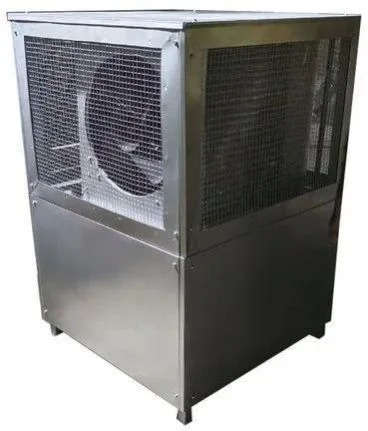
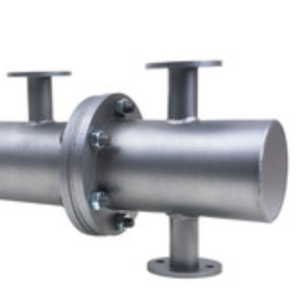
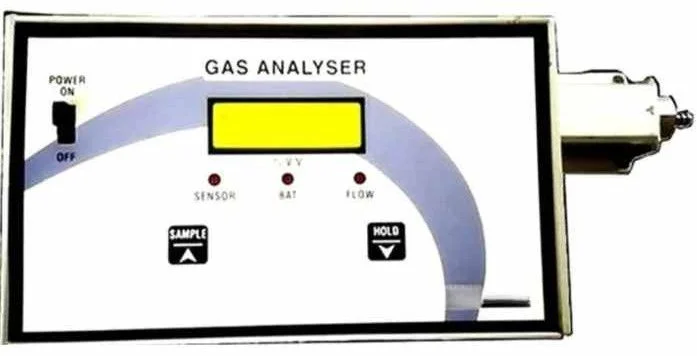
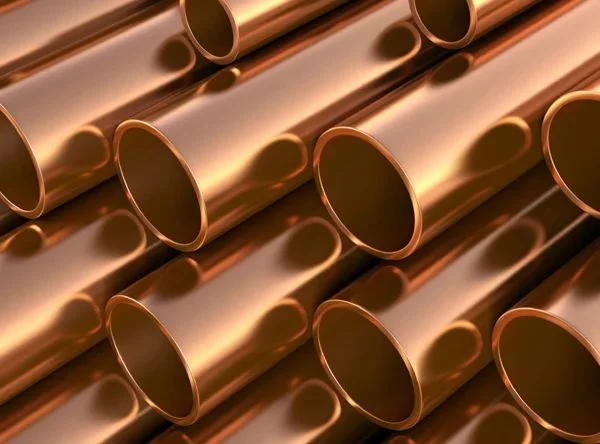
Based in India, Fitzer Incorporation lists 71 active products across several industrial categories. Its catalogue includes equipment such as frozen foods processing lines, shell‑and‑tube condensers and evaporators, plate and spiral heat exchangers, finned‑tube industrial dehumidifiers, air‑cooled chillers, cooling towers, and IQF tunnel freezers. Specific items with disclosed HS codes are radiators (HS 8708.91) made from Aluminum Alloy 3003 or Copper‑Brass CuZn40, condenser coils (HS 7411.21) fabricated from electrolytic copper (99.9 % Cu), and flame arresters (HS 8481.80) constructed from stainless steel 316. The product set also covers reactor pressure vessels, waste heat recovery systems and a range of laboratory instruments, reflecting a broad focus on heat‑transfer and refrigeration hardware.
Product Range and Specialties of Fitzer Incorporation
The listed heat‑exchanger portfolio comprises shell‑and‑tube units, plate‑type exchangers, brazed plate modules and finned‑tube designs. In the industry, shell‑and‑tube exchangers are typically built from carbon steel or stainless steel 304/316 with pressure ratings up to 25 bar and overall efficiencies between 0.70 and 0.85. Plate heat exchangers commonly meet ASME Section VIII standards and are offered in gasketed or welded configurations, with plate thicknesses of 1.0 - 2.5 mm and a typical surface area of 10 - 30 m² per module. Finned‑tube products use aluminum 3003 or copper‑brass alloys, featuring fin densities of 30 - 60 fins per inch and are suited for air‑side dehumidification or cooling tower applications. Radiators and condenser coils listed under HS 8708.91 and 7411.21 follow the same material grades, with copper coils often supplied in lengths of 2 - 3 m and diameters of 12 - 20 mm, meeting IEC 60335‑2‑15 thermal performance criteria.
Trade and Export Information - Fitzer Incorporation
India is a major exporter of industrial heat‑exchanger and refrigeration equipment, with the majority of shipments classified under HS chapters 84 (machinery) and 85 (electrical machinery). Typical destination regions include the Middle East, East Africa, the European Union and North America, where food‑processing, petrochemical and HVAC sectors regularly import such units. Buyers usually require certifications such as ISO 9001 quality management, ISO 14001 environmental compliance, ASME pressure‑vessel certification and, where applicable, CE marking for equipment destined for the EU. Standard export packaging involves wooden crates with anti‑corrosion coating, loaded into 20‑ft or 40‑ft containers; Incoterms FOB or CIF are commonly used. Indian manufacturers also adhere to the Bureau of Indian Standards (BIS) for material grades, which aligns with many international specifications.
Sourcing from Fitzer Incorporation - Buyer Guidance
When sourcing from Fitzer Incorporation, buyers should request mill‑test certificates for all metal alloys, pressure‑test reports for vessels and heat exchangers, and compliance documentation for any applicable ASME or CE standards. It is prudent to verify the HS code declared for each item (e.g., 8708.91 for radiators) to ensure correct tariff treatment and to request a detailed specification sheet that includes dimensions, pressure rating, material grade and efficiency data. Typical minimum order quantities range from a single custom‑fabricated unit for specialized equipment to five‑to‑ten standard modules for off‑the‑shelf heat exchangers, with lead times of 6 - 12 weeks depending on material availability and engineering approval.
Frequently Asked Questions About Fitzer Incorporation
What types of heat exchangers are listed in the catalogue?
The catalogue includes shell‑and‑tube condensers and evaporators, plate‑type and brazed‑plate exchangers, spiral and finned‑tube heat exchangers, as well as tube‑bundle units. Each type is offered in standard pressure ratings up to 25 bar and can be fabricated from carbon steel, stainless steel 304/316 or aluminum alloys.
Which products have specific HS codes and material specifications?
Radiators are recorded under HS 8708.91 and are made from Aluminum Alloy 3003 or Copper‑Brass CuZn40. Condenser coils carry HS 7411.21 and use electrolytic copper (99.9 % Cu). Flame arresters are listed under HS 8481.80 and are constructed from stainless steel 316.
What certifications should a buyer verify for these equipment?
Buyers should confirm ISO 9001 quality management certification, ISO 14001 environmental compliance, and any ASME pressure‑vessel certification relevant to the unit. For exports to the EU, CE marking may be required, and material certificates should match the stated alloy grades.
What are typical packaging and shipping methods for the heat‑exchanger units?
Units are normally crated in wooden pallets with corrosion‑protective wrapping, loaded into 20‑ft or 40‑ft containers. Shipping terms most often follow FOB or CIF, with freight rates determined by container volume and weight.
What is the usual minimum order quantity and lead time?
Standard off‑the‑shelf heat exchangers typically have a MOQ of five units, while custom‑fabricated items can be ordered singly. Lead times range from six weeks for standard stock to twelve weeks for engineered or custom‑specification equipment.
How can a buyer obtain performance data before purchase?
The supplier provides detailed datasheets that include thermal efficiency, pressure rating, material grade, dimensions and flow‑rate calculations. Buyers may also request a prototype or sample unit for on‑site testing prior to committing to larger volumes.
Are there any special import requirements for the listed copper and aluminum products?
Importers should ensure that the copper products meet IEC 60335‑2‑15 and that aluminum components conform to BIS or ASTM standards for alloy composition. Providing the correct HS code (7411.21 for copper coils, 8708.91 for aluminum radiators) helps avoid customs delays.




 , India