Agriculture›
 Apparel and fashion accessories›
 Construction & real estate›💡Electronic & Electrical›🍎Food & Beverages›🛋️Home furnishing & supplies›⚗️Industrial goods & chemical›🪨Minerals & metals›📦Miscellaneous›Agriculture›Apparel and fashion accessories›Construction & real estate›💡Electronic & Electrical›🍎Food & Beverages›🛋️Home furnishing & supplies›⚗️Industrial goods & chemical›🪨Minerals & metals›📦Miscellaneous›
Fittree International LLP Product Catalog
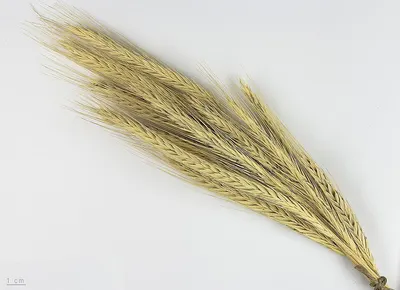
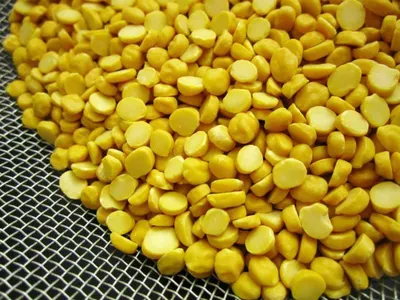
About Fittree International LLP - Spices, Pulses and Grain Exporter in India
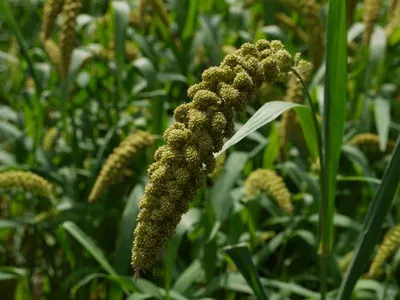
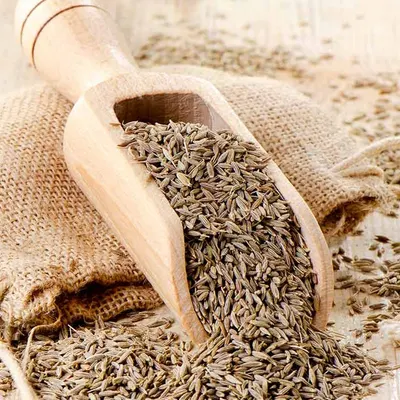
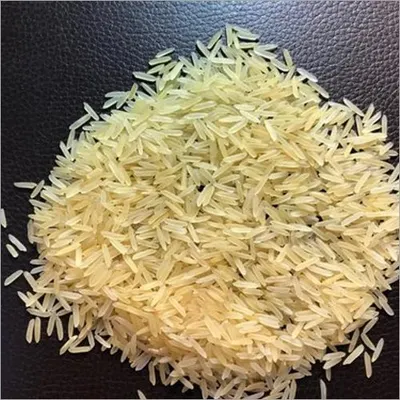
Fittree International LLP is an India-based exporter listing 9 active products across whole spices, oilseeds, pulses and staple grains. The catalogue is centred on Indian agricultural produce, with cumin, sesame seeds, groundnuts, turmeric and dry red chilli covering the spice and oilseed side, and rice, wheat, chickpeas and Indian millet covering the cereals and pulses side. All nine items originate from India, a country that supplies a large share of the world's traded cumin, sesame, turmeric and chickpea volumes. The product mix reflects the typical Indian agri-export basket, where a single shipper often combines spices (HS 09), oilseeds (HS 12), cereals (HS 10) and dried leguminous vegetables (HS 07) in one consolidated programme. Buyers reviewing the listing should note that the catalogue spans four separate HS chapters, which means each product line carries its own phytosanitary, fumigation and documentation requirements. The supplier operates from India and lists no specific certifications, so any quality or food-safety claims need to be confirmed in writing before order confirmation.
Product Range and Specialties of Fittree International LLP
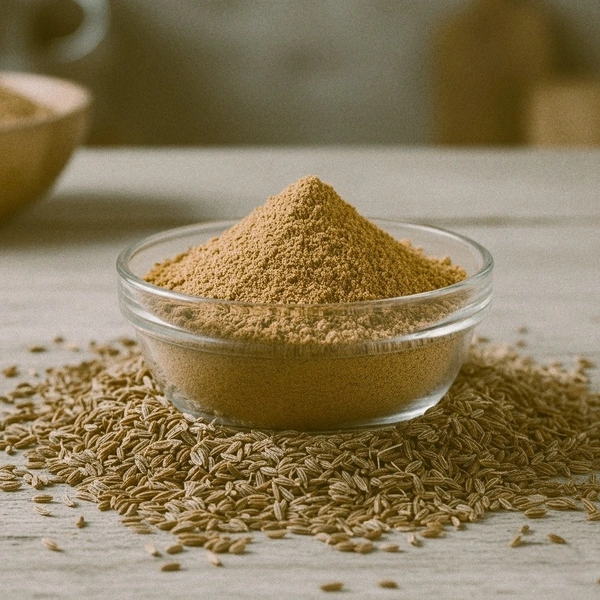
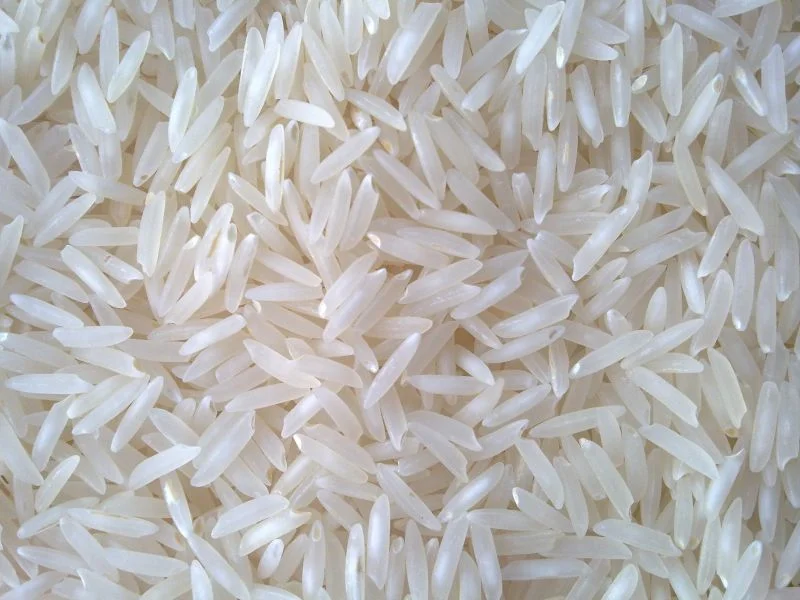
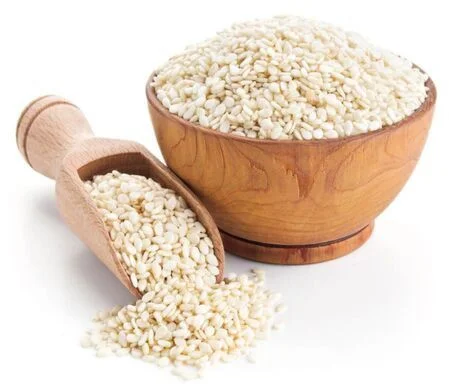
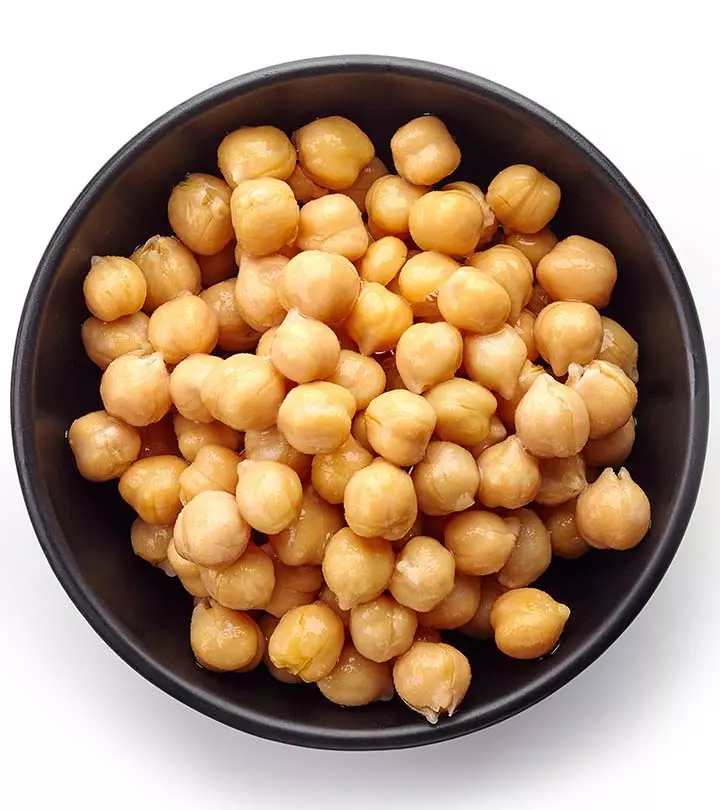
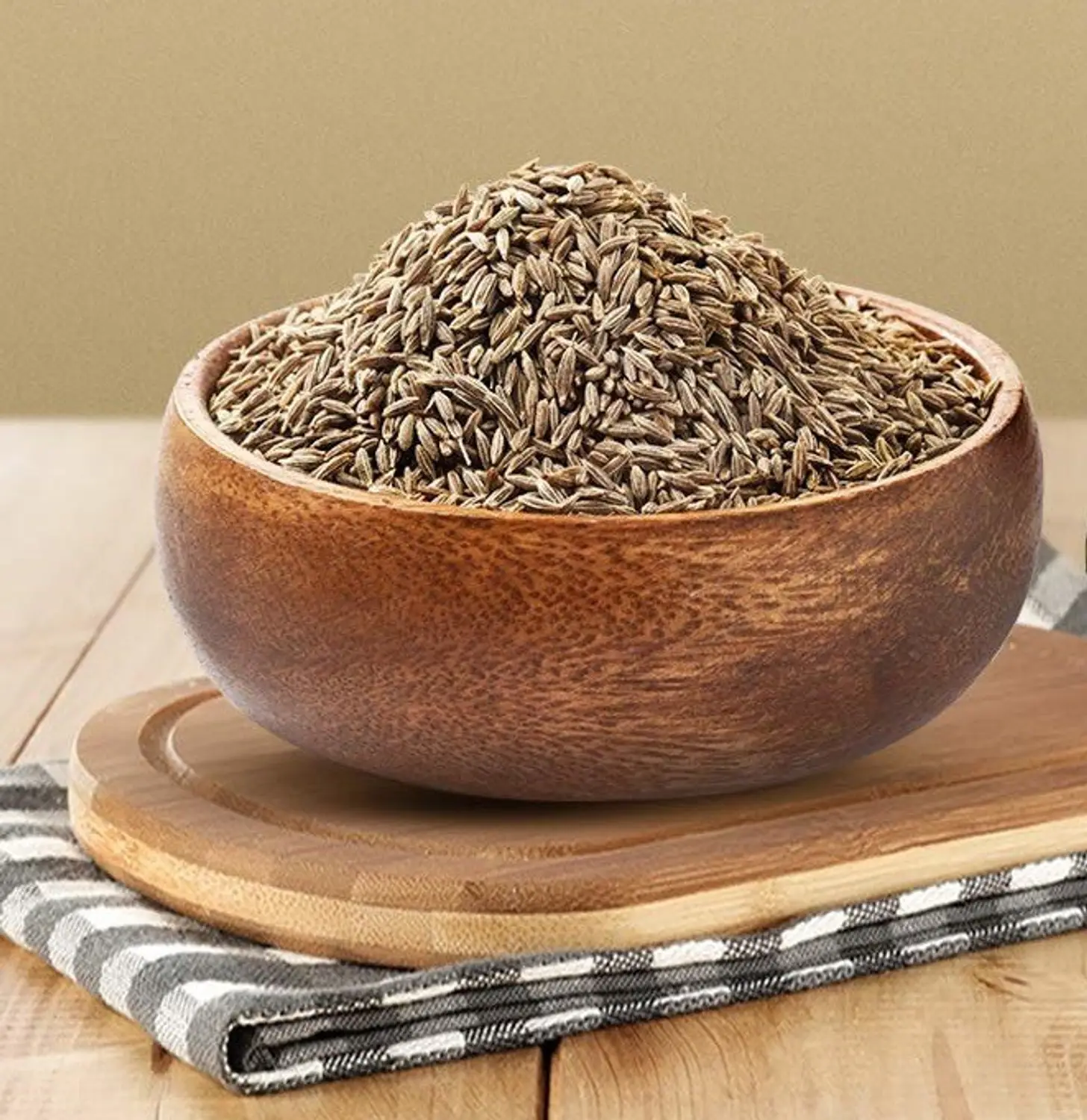
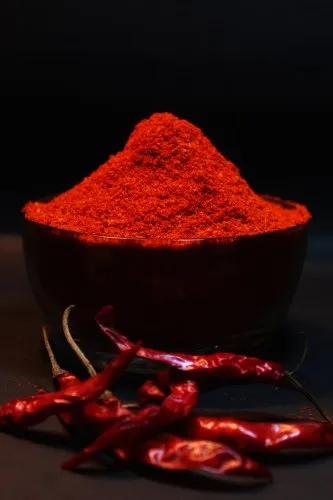
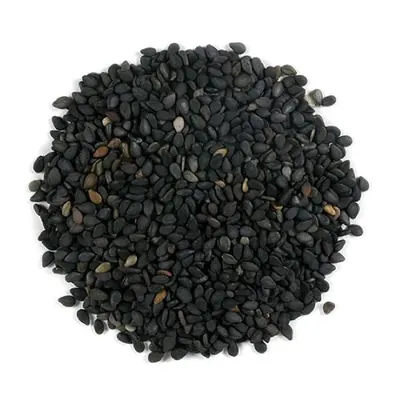
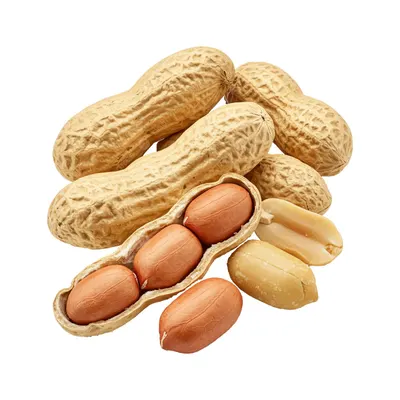
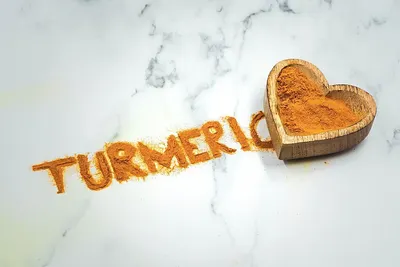
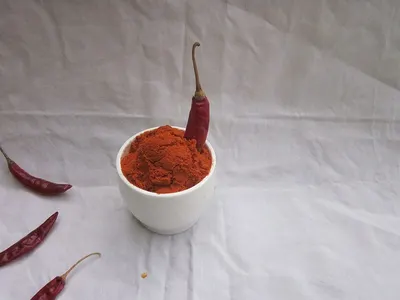
The catalogue breaks down into four practical groups. The spice block covers cumin, turmeric and Indian dry red chilli, which in international trade are graded by parameters such as cumin seed purity and essential oil content (commonly 2.5-4.5%), turmeric curcumin percentage (typically 2-5% for finger turmeric, with higher grades reaching 7%), and chilli heat measured in Scoville Heat Units (SHU) with popular export grades including Teja S17, Sannam and Byadige. The oilseed block covers Indian sesame seed (traditionally sorted into hulled white, natural and black varieties, with 99/1 or 99.5/0.5 purity splits) and peanut/groundnut (Java, Bold and TJ grades, with counts of 38/42, 50/60 and 60/70 per ounce). The cereal and pulse block covers rice (typically traded as 1121 Basmati, Sona Masuri, IR-64 and PR-11 with 5%, 25% and 100% broken specifications), wheat (Indian durum and Sharbati with 11-13% protein and 12% moisture maxima), chickpeas (kabuli 36-42 count and desi varieties) and Indian millet, which covers pearl millet (bajra), sorghum (jowar), finger millet (ragi) and foxtail millet. Across these nine lines, buyers should expect moisture levels in the 10-12% range for spices and oilseeds and 12-14% for cereals and pulses, with packaging typically in 25 kg or 50 kg PP/jute bags, 1 MT jumbo bags, or 10/15/25 kg consumer packs for retail buyers.
Frequently Asked Questions About Fittree International LLP
What product categories does Fittree International LLP export from India?
The supplier lists 9 active products covering whole spices (cumin, turmeric, dry red chilli), oilseeds (sesame seed, groundnut), cereals (rice, wheat, Indian millet) and pulses (chickpeas). The mix spans HS chapters 07, 09, 10 and 12, which means each line carries its own documentation and inspection requirements.
What documents and certifications should a buyer ask Fittree International LLP to provide?
Request a phytosanitary certificate, fumigation certificate, certificate of origin, APEDA or Spices Board registration copy, and a lab analysis report covering moisture, foreign matter and any category-specific parameters such as curcumin, SHU or aflatoxin. EU buyers should also ask for an MRL compliance statement.
Which regions typically import the products listed by Fittree International LLP?
Indian cumin, turmeric and chilli are widely shipped to the Middle East, North Africa, the EU, the US and South-East Asia. Indian rice, sesame and chickpeas flow heavily to the Gulf, Africa and South-East Asia, while Indian millets are increasingly exported to the EU and the US for the gluten-free and health-food segment.
Which Indian spice and grain grades should a buyer request from this supplier?
For cumin, ask for sortex-clean seed with essential oil content of 2.5-4.5%; for turmeric, request finger turmeric with 2-5% curcumin (or higher for premium grades); for red chilli, specify Teja S17, Sannam or Byadige with the SHU range; for sesame, confirm hulled white 99/1 or natural 99.5/0.5; for groundnuts, ask for Java or Bold 38/42 or 50/60 count.
What is the typical packaging for Indian spices, oilseeds and grains?
Spices and oilseeds are commonly packed in 25 kg or 50 kg PP or jute bags, with 1 MT jumbo bags used for bulk rice, wheat and millet shipments. Retail-ready packs of 10-15 kg are also available for some spices, and vacuum or nitrogen-flushed packs are used for higher-grade turmeric and chilli.
 India
Related Suppliers & Products
Explore similar suppliers, related products and trending categories