Fengqi International Limited1 — Supplier
About Fengqi International Limited1 - Agriculture Supplier in China
Fengqi International Limited1 is based in China and currently lists five active products in its catalogue. The supplier is classified under the agriculture category on the platform, though its offerings focus on water‑saving plumbing components. All five items are variants of faucet aerators designed to reduce water consumption while maintaining spray performance. The product titles include Water Saving Tap Aerator Touch Open, Faucet Aerator Water Saver Aerator, Plastic Water Saver Aerator Mist Spray Dual Mode, Dual Spray Faucet Aerator Water Saver Nozzle, and Mist Spray Water Saver Aerator. These items are positioned for bulk trade and are identified with a harbor trust tier on the platform.
The catalogue entries do not provide specific HS codes, but the product type falls within the broader HS chapter for sanitaryware and plumbing fittings, which is commonly classified under HS 84.81. Each aerator is marketed as a retrofit component for standard tap threads and aims to limit flow to meet water‑conservation targets. The supplier’s listing does not disclose material composition beyond the product names, which reference plastic and dual‑mode spray functions. Buyers can expect the items to be packaged for bulk shipment, suitable for container loading. The range reflects a focus on water‑saving technology for residential and commercial tap installations.
Product Range and Specialties of Fengqi International Limited1
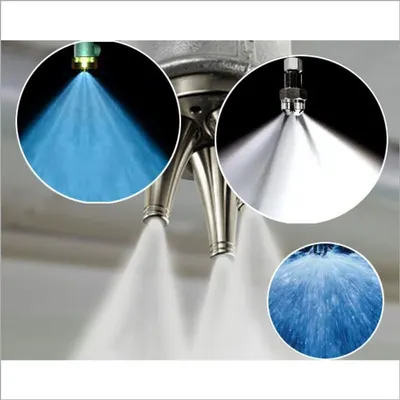
The five aerators in Fengqi’s catalogue cover several functional variants. The Water Saving Tap Aerator Touch Open provides a touch‑activated flow control, while the Faucet Aerator Water Saver Aerator is a standard flow‑restricting device. The Plastic Water Saver Aerator Mist Spray Dual Mode offers both a fine mist and a regular spray, and the Dual Spray Faucet Aerator Water Saver Nozzle combines two spray patterns in a single unit. The Mist Spray Water Saver Aerator is a compact misting nozzle intended for low‑volume applications.
In the plumbing industry, faucet aerators are typically offered in standard thread sizes such as M22 and M24, with flow rates ranging from 1.0 to 1.8 gallons per minute (GPM) to comply with water‑conservation standards. Materials commonly include ABS plastic, nylon, or stainless steel, and performance is often measured by flow reduction percentage and spray uniformity. Buyers often look for WaterSense or CE marking, which indicate compliance with regional water‑efficiency and safety standards. Typical product grades are classified by flow rate (e.g., 1.5 GPM) and spray pattern (mist, aerated stream).
Trade and Export Information - Fengqi International Limited1
China is a major exporter of plumbing fixtures, and water‑saving faucet aerators are regularly shipped to North America, Europe, and Southeast Asian markets. Importers in these regions usually reference HS 84.81 for customs clearance and may require conformity to standards such as NSF/ANSI 42 for health effects and NSF/ANSI 372 for lead content. Containers are often loaded in 20‑foot or 40‑foot units with the aerators packed in cardboard boxes or bulk bags to protect the plastic components.
Buyers typically request certificates of conformity, test reports for flow rate, and material safety data sheets when sourcing from Chinese manufacturers. While Fengqi International Limited1 is listed with a harbor trust tier, purchasers should verify the supplier’s compliance with applicable export documentation, including commercial invoices, packing lists, and any required phytosanitary or safety certifications for the destination country. Common Incoterms used for these goods include FOB Shanghai or CIF major ports, allowing buyers to manage freight and insurance according to their logistics preferences.
Sourcing from Fengqi International Limited1 - Buyer Guidance
When evaluating Fengqi’s aerators, buyers should request detailed specifications that list thread size, material type, flow rate (GPM), and spray pattern options. Sample units are advisable to test installation compatibility and actual water‑saving performance against the claimed flow reduction. It is also prudent to ask for test reports that verify compliance with WaterSense, NSF/ANSI 42, or equivalent regional standards, as well as a material safety data sheet for the plastic components.
Typical minimum order quantities for bulk aerator shipments range from 1,000 to 5,000 units, depending on the model and packaging configuration. Lead times reported by Chinese manufacturers for these items are usually 30‑45 days after order confirmation, assuming no custom tooling is required. Buyers should confirm packaging details - such as individual polybagging or bulk carton packing - and the preferred Incoterm to align with their supply chain planning.
Frequently Asked Questions About Fengqi International Limited1
What types of faucet aerators does Fengqi International Limited1 offer?
The supplier lists five variants, including a touch‑open tap aerator, a standard water‑saving aerator, a plastic dual‑mode mist spray, a dual‑spray nozzle, and a compact mist spray aerator.
Which thread sizes are compatible with these aerators?
While the catalogue does not specify, aerators of this class are normally produced for M22 or M24 standard tap threads used in residential and commercial fixtures.
What flow‑rate specifications should buyers expect?
Typical water‑saving aerators are rated between 1.0 and 1.8 GPM; buyers should request the exact flow‑rate data for each model to verify water‑conservation performance.
Are any certifications available for these products?
The supplier’s listing does not include certifications; buyers should request WaterSense, CE, or NSF/ANSI 42 test reports to confirm compliance with regional water‑efficiency and safety standards.
What is the usual minimum order quantity and lead time?
Bulk orders generally start at 1,000 units per model, with a production lead time of 30‑45 days after order confirmation, subject to stock availability.
How are the aerators packaged for export?
They are typically packed in cardboard boxes or bulk cartons, with individual units often placed in polybags to protect the plastic components during container transport.




 , China