Fanuel Beyene Trading — Verified Supplier

About Fanuel Beyene Trading - Agricultural Products Supplier in Ethiopia

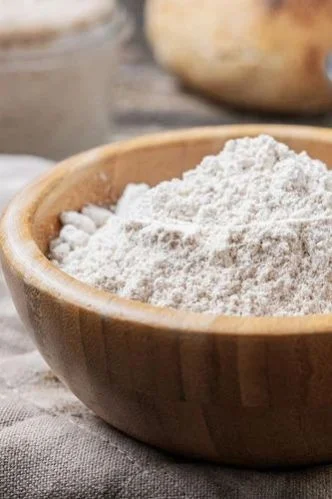
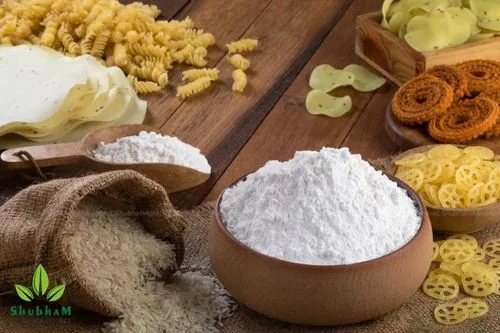
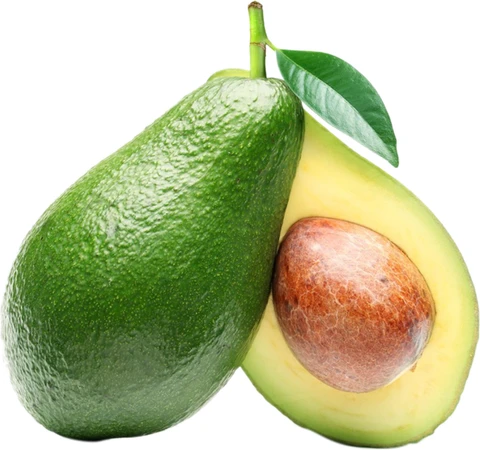
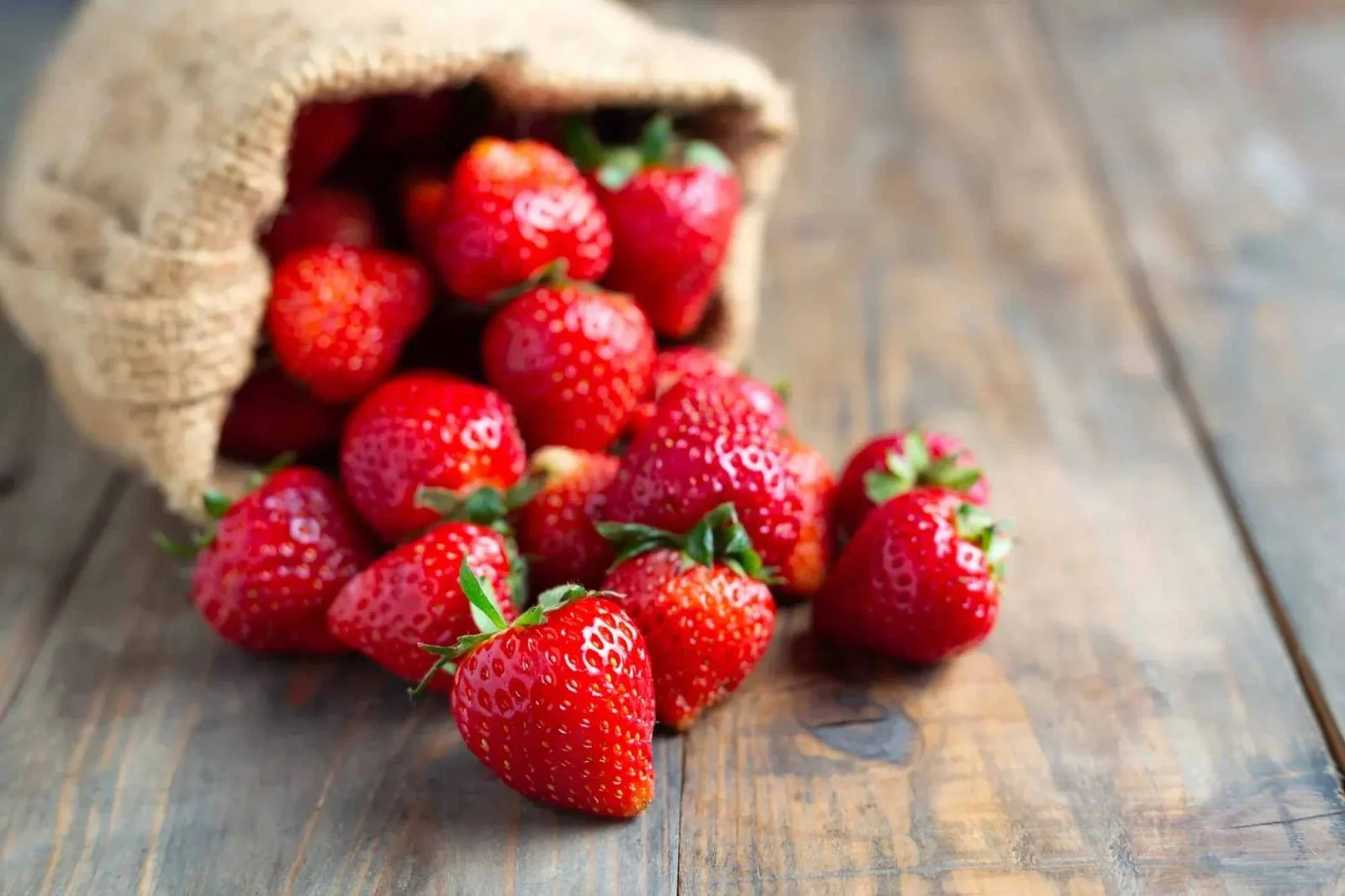
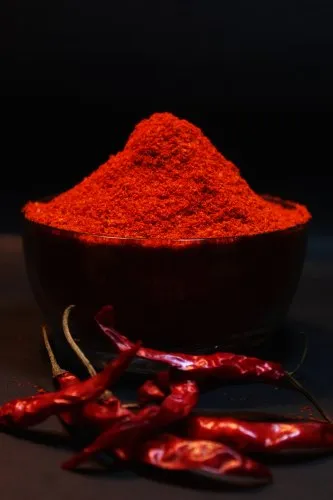
Ethiopia hosts the supplier Fanuel Beyene Trading, which currently lists 20 active products across fresh fruit, legumes, root vegetables and specialty flours. The catalogue explicitly includes fresh avocado (both generic and Hass varieties) recorded under HS code 0804.40, sunflower seed, papaya, soybean, chickpeas, potato, fava bean, white teff, garlic, black seed, black pepper, onion, carrot, ginger, strawberry, as well as Ethiopian traditional items such as Injera, Berbere flour and Shiro flour. The two avocado entries are identified with the material description “Fresh Avocado Fruit (Persea americana, Fuerte Variety)” and “Fresh Hass Avocado (Persea americana)”, both falling under the HS chapter 08 family for edible fruit. Other products are listed without HS codes, indicating that the supplier may rely on standard classifications for legumes (chapter 12) and vegetables (chapter 07).

Product Range and Specialties of Fanuel Beyene Trading

The listed products cover several common export categories. Fresh avocado from Ethiopia is typically graded by size, skin integrity and firmness, with USDA or EU market grades ranging from Extra to Standard; the Hass variety often meets the 80 mm minimum diameter used in European contracts. Soybeans and other legumes such as chickpeas, fava bean and black seed are normally supplied as cleaned, dried kernels with moisture limits of 12‑14 % and impurity levels below 2 %. Sunflower seed exports are usually classified as either kernel or de‑hulled seed, with oil content specifications of 45‑48 % for edible use. Ethiopian flours (Injera, Berbere, Shiro) are ground from locally sourced grains and pulses, with protein contents of 8‑12 % and moisture below 14 %, packaged in 25 kg or 50 kg bags for bulk shipment.

Trade and Export Information - Fanuel Beyene Trading

Ethiopian fresh fruit and legumes are exported primarily to the Gulf Cooperation Council, the European Union and select Asian markets, where demand for tropical and temperate produce is strong. HS chapter 08 (fresh fruit) and chapter 12 (oilseeds and legumes) are the main tariff lines, with the avocado entries using HS 0804.40. Buyers typically require phytosanitary certificates, certificates of origin and, where applicable, GlobalGAP or ISO 22000 compliance for food safety. Standard packaging for fresh avocado includes cardboard clams or insulated crates placed in 20‑foot or 40‑foot refrigerated containers (reefers) under CIF or FOB terms. Dried legumes and seeds are usually palletised in woven bags (25 kg) and shipped in dry containers, with moisture and pest control documentation attached.

Sourcing from Fanuel Beyene Trading - Buyer Guidance

When sourcing from Fanuel Beyene Trading, request a recent phytosanitary certificate and a certificate of origin for each fresh‑produce shipment. For legumes and seeds, ask for a laboratory analysis report covering moisture content, pesticide residues and impurity levels against the typical 12‑14 % moisture and <2 % impurity standards. Verify that the HS code provided for avocado (0804.40) matches the product description and that packaging meets the buyer’s temperature and ventilation requirements before confirming the order.

Frequently Asked Questions About Fanuel Beyene Trading

What product categories are listed by Fanuel Beyene Trading?

The supplier lists fresh avocado (including Hass), sunflower seed, papaya, soybean, chickpeas, potato, fava bean, white teff, garlic, black seed, black pepper, onion, carrot, ginger, strawberry and three Ethiopian specialty flours (Injera, Berbere, Shiro).

Which products have explicit HS codes in the catalogue?

Only the two avocado entries - generic avocado and Hass avocado - are assigned HS code 0804.40, which belongs to the fresh fruit chapter. All other items are listed without HS codes in the provided data.

What certifications should a buyer request for these products?

Buyers should request a phytosanitary certificate for all fresh produce, a certificate of origin for customs clearance, and, where required by the destination market, food‑safety certifications such as GlobalGAP or ISO 22000. Specific organic or Fair‑Trade certificates would need separate confirmation from the supplier.

How is fresh avocado typically packaged for export from Ethiopia?

Fresh avocado is usually packed in corrugated cardboard boxes or insulated wooden crates, each box holding 10‑12 fruits. The boxes are then palletised and loaded into a 20‑foot or 40‑foot refrigerated container (reefer) to maintain 5‑8 °C during sea transport.

What are common minimum order quantities for bulk legumes like soybean or chickpeas?

Bulk legume orders are often structured around full container loads, typically 18‑20 metric tonnes for a 20‑foot dry container or 35‑40 tonnes for a 40‑foot container. Smaller shipments may be accepted but usually require consolidation and higher unit freight costs.

What lead times can buyers expect for sea shipments of fresh avocado from Ethiopia?

Sea shipments of fresh avocado generally require 2‑3 weeks from loading to arrival at the destination port, assuming standard reefers and FOB loading in the Port of Djibouti. Air freight can reduce transit to 5‑7 days but at higher freight rates.

How are Ethiopian specialty flours packaged for international buyers?

Injera, Berbere and Shiro flours are commonly packed in multi‑wall polypropylene bags of 25 kg or 50 kg, stacked on pallets and shipped in dry containers. The packaging includes moisture‑proof liners and a label indicating protein content and shelf life.

Which regions most frequently import Ethiopian agricultural products?

The Gulf Cooperation Council (UAE, Saudi Arabia, Qatar), the European Union (Netherlands, Germany, Spain) and Asian markets such as China and Japan are the primary import destinations for Ethiopian fresh fruit, legumes and specialty flours.


Featured Products from this Supplier

Other Suppliers in Primary Category

Top Trusted Suppliers

Related Products

Trending in Parent Category

More Suppliers in Category

Related Products

Other Suppliers

EximNext
58.4K+ live requirements
Register Free🎁 5 free buy-lead credits
Post Requirement
🌍 Trusted by 224.4K+ businesses in 200+ countries|
58.4K+ active requirements right now
✉️ [email protected]
|
Sell on EximNextPost Requirement
EximNext
AgricultureApparelConstructionElectronicFoodHomeIndustrialMineralsMiscellaneous
🔥 Deals|✨ AI Match|🏭 Suppliers|📋 Buy Leads|💰 Trade Finance|⭐ Upgrade
58.4K+ live RFQs·194.5K+ suppliers
🎁 5 free credits →
EximNext
EximNext
Register Free
🎁 5 free buy-lead credits
Sign In
📋Post Requirement💬Get QuotesAI Match📋RFQ Marketplace
All Categories
Services & Tools
🏭Supplier Directory🔥Today's Deals💰Trade FinanceMembership
Sell on EximNext
AboutContactBlogHelp
🏭

Fanuel Beyene Trading

Harbor
Country flag , Ethiopia
🛡️
77/100
Trust Score

Fanuel Beyene Trading Product Catalog

Showing 12 of 20 products
View all products →
Ethiopian Shiro Flour
Harbor
Ethiopian Shiro Flour
Contact
MOQ: 1 Unit
Ethiopian Berbere Flour
Harbor
Ethiopian Berbere Flour
Contact
MOQ: 1 Unit
Ethiopian Injera
Harbor
Ethiopian Injera
Contact
MOQ: 1 Unit
Hass Avocado
Harbor
Hass Avocado
Contact
MOQ: 1 Unit
Black Seed
Harbor
Black Seed
Contact
MOQ: 1 Unit
Strawberry
Harbor
Strawberry
Contact
MOQ: 1 Unit
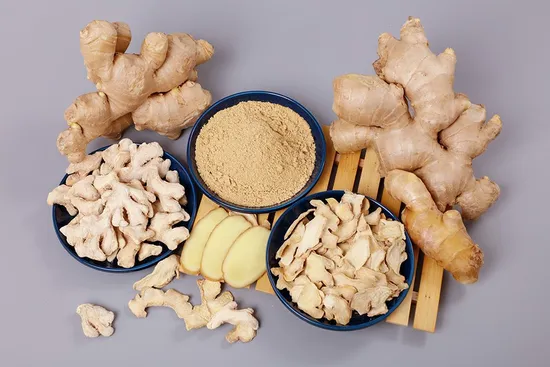
Ginger
Harbor
Ginger
Contact
MOQ: 1 Unit
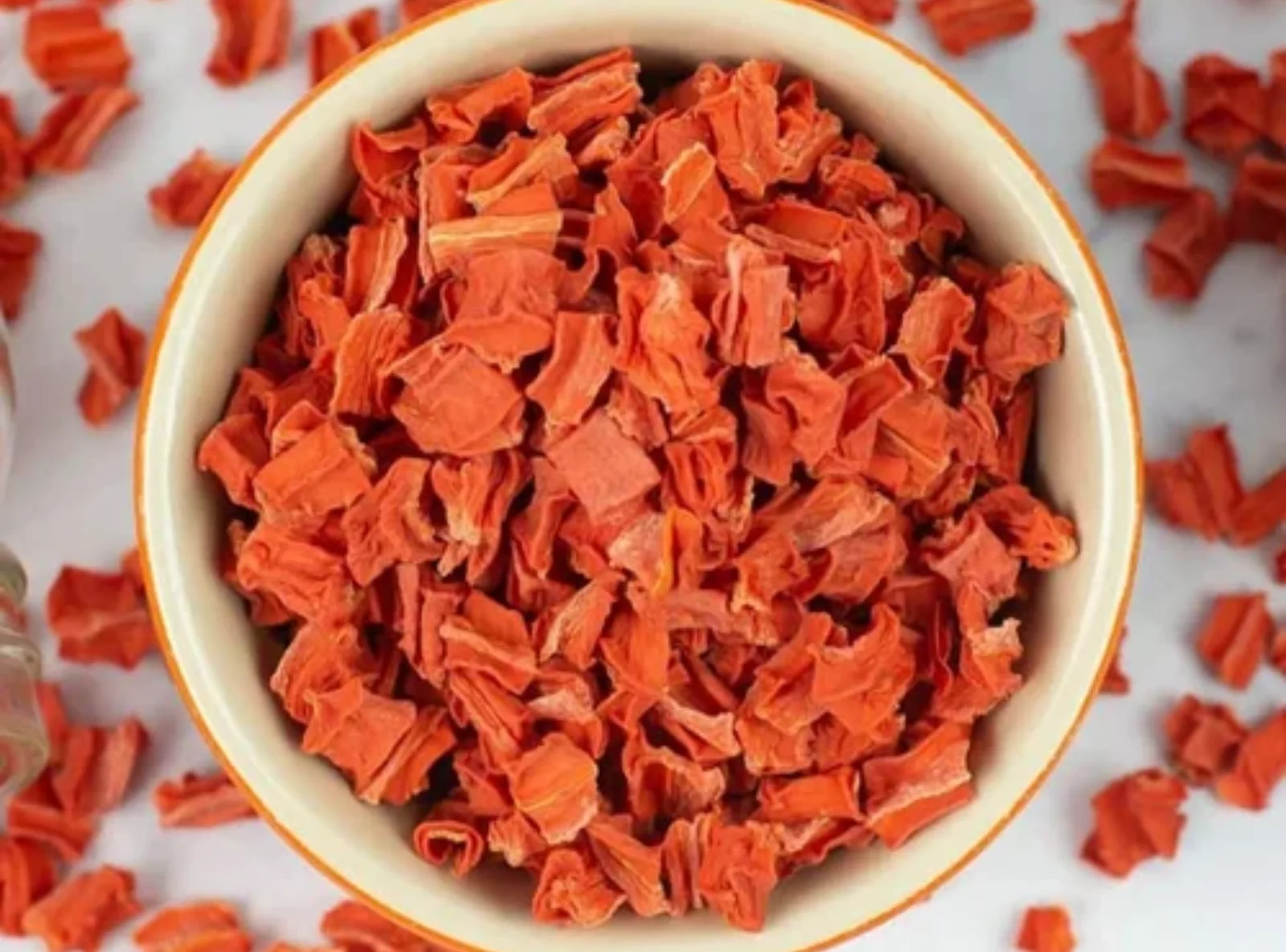
Carrot
Harbor
Carrot
Contact
MOQ: 1 Unit
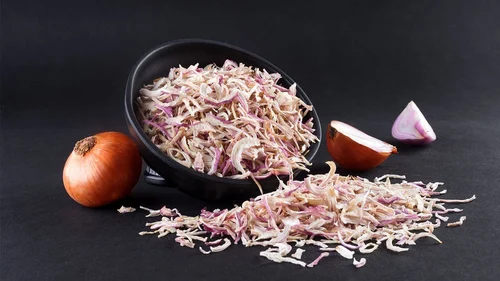
Onion
Harbor
Onion
Contact
MOQ: 1 Unit
Black Pepper
Harbor
Black Pepper
Contact
MOQ: 1 Unit
Sunflower Seed
Harbor
Sunflower Seed
Contact
MOQ: 1 Unit
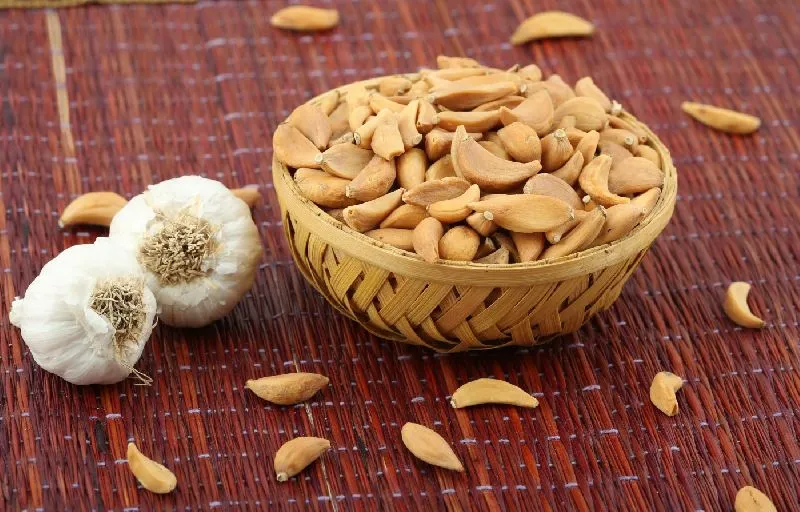
Garlic
Harbor
Garlic
Contact
MOQ: 1 Unit

About Fanuel Beyene Trading - Agricultural Products Supplier in Ethiopia

Ethiopia hosts the supplier Fanuel Beyene Trading, which currently lists 20 active products across fresh fruit, legumes, root vegetables and specialty flours. The catalogue explicitly includes fresh avocado (both generic and Hass varieties) recorded under HS code 0804.40, sunflower seed, papaya, soybean, chickpeas, potato, fava bean, white teff, garlic, black seed, black pepper, onion, carrot, ginger, strawberry, as well as Ethiopian traditional items such as Injera, Berbere flour and Shiro flour. The two avocado entries are identified with the material description “Fresh Avocado Fruit (Persea americana, Fuerte Variety)” and “Fresh Hass Avocado (Persea americana)”, both falling under the HS chapter 08 family for edible fruit. Other products are listed without HS codes, indicating that the supplier may rely on standard classifications for legumes (chapter 12) and vegetables (chapter 07).

Product Range and Specialties of Fanuel Beyene Trading

The listed products cover several common export categories. Fresh avocado from Ethiopia is typically graded by size, skin integrity and firmness, with USDA or EU market grades ranging from Extra to Standard; the Hass variety often meets the 80 mm minimum diameter used in European contracts. Soybeans and other legumes such as chickpeas, fava bean and black seed are normally supplied as cleaned, dried kernels with moisture limits of 12‑14 % and impurity levels below 2 %. Sunflower seed exports are usually classified as either kernel or de‑hulled seed, with oil content specifications of 45‑48 % for edible use. Ethiopian flours (Injera, Berbere, Shiro) are ground from locally sourced grains and pulses, with protein contents of 8‑12 % and moisture below 14 %, packaged in 25 kg or 50 kg bags for bulk shipment.

Trade and Export Information - Fanuel Beyene Trading

Ethiopian fresh fruit and legumes are exported primarily to the Gulf Cooperation Council, the European Union and select Asian markets, where demand for tropical and temperate produce is strong. HS chapter 08 (fresh fruit) and chapter 12 (oilseeds and legumes) are the main tariff lines, with the avocado entries using HS 0804.40. Buyers typically require phytosanitary certificates, certificates of origin and, where applicable, GlobalGAP or ISO 22000 compliance for food safety. Standard packaging for fresh avocado includes cardboard clams or insulated crates placed in 20‑foot or 40‑foot refrigerated containers (reefers) under CIF or FOB terms. Dried legumes and seeds are usually palletised in woven bags (25 kg) and shipped in dry containers, with moisture and pest control documentation attached.

Sourcing from Fanuel Beyene Trading - Buyer Guidance

When sourcing from Fanuel Beyene Trading, request a recent phytosanitary certificate and a certificate of origin for each fresh‑produce shipment. For legumes and seeds, ask for a laboratory analysis report covering moisture content, pesticide residues and impurity levels against the typical 12‑14 % moisture and <2 % impurity standards. Verify that the HS code provided for avocado (0804.40) matches the product description and that packaging meets the buyer’s temperature and ventilation requirements before confirming the order.

Frequently Asked Questions About Fanuel Beyene Trading

What product categories are listed by Fanuel Beyene Trading?

The supplier lists fresh avocado (including Hass), sunflower seed, papaya, soybean, chickpeas, potato, fava bean, white teff, garlic, black seed, black pepper, onion, carrot, ginger, strawberry and three Ethiopian specialty flours (Injera, Berbere, Shiro).

Which products have explicit HS codes in the catalogue?

Only the two avocado entries - generic avocado and Hass avocado - are assigned HS code 0804.40, which belongs to the fresh fruit chapter. All other items are listed without HS codes in the provided data.

What certifications should a buyer request for these products?

Buyers should request a phytosanitary certificate for all fresh produce, a certificate of origin for customs clearance, and, where required by the destination market, food‑safety certifications such as GlobalGAP or ISO 22000. Specific organic or Fair‑Trade certificates would need separate confirmation from the supplier.

How is fresh avocado typically packaged for export from Ethiopia?

Fresh avocado is usually packed in corrugated cardboard boxes or insulated wooden crates, each box holding 10‑12 fruits. The boxes are then palletised and loaded into a 20‑foot or 40‑foot refrigerated container (reefer) to maintain 5‑8 °C during sea transport.

What are common minimum order quantities for bulk legumes like soybean or chickpeas?

Bulk legume orders are often structured around full container loads, typically 18‑20 metric tonnes for a 20‑foot dry container or 35‑40 tonnes for a 40‑foot container. Smaller shipments may be accepted but usually require consolidation and higher unit freight costs.

What lead times can buyers expect for sea shipments of fresh avocado from Ethiopia?

Sea shipments of fresh avocado generally require 2‑3 weeks from loading to arrival at the destination port, assuming standard reefers and FOB loading in the Port of Djibouti. Air freight can reduce transit to 5‑7 days but at higher freight rates.

How are Ethiopian specialty flours packaged for international buyers?

Injera, Berbere and Shiro flours are commonly packed in multi‑wall polypropylene bags of 25 kg or 50 kg, stacked on pallets and shipped in dry containers. The packaging includes moisture‑proof liners and a label indicating protein content and shelf life.

Which regions most frequently import Ethiopian agricultural products?

The Gulf Cooperation Council (UAE, Saudi Arabia, Qatar), the European Union (Netherlands, Germany, Spain) and Asian markets such as China and Japan are the primary import destinations for Ethiopian fresh fruit, legumes and specialty flours.

About Fanuel Beyene Trading - Agricultural Products Supplier in Ethiopia

Ethiopia hosts the supplier Fanuel Beyene Trading, which currently lists 20 active products across fresh fruit, legumes, root vegetables and specialty flours. The catalogue explicitly includes fresh avocado (both generic and Hass varieties) recorded under HS code 0804.40, sunflower seed, papaya, soybean, chickpeas, potato, fava bean, white teff, garlic, black seed, black pepper, onion, carrot, ginger, strawberry, as well as Ethiopian traditional items such as Injera, Berbere flour and Shiro flour. The two avocado entries are identified with the material description “Fresh Avocado Fruit (Persea americana, Fuerte Variety)” and “Fresh Hass Avocado (Persea americana)”, both falling under the HS chapter 08 family for edible fruit. Other products are listed without HS codes, indicating that the supplier may rely on standard classifications for legumes (chapter 12) and vegetables (chapter 07).

Product Range and Specialties of Fanuel Beyene Trading

The listed products cover several common export categories. Fresh avocado from Ethiopia is typically graded by size, skin integrity and firmness, with USDA or EU market grades ranging from Extra to Standard; the Hass variety often meets the 80 mm minimum diameter used in European contracts. Soybeans and other legumes such as chickpeas, fava bean and black seed are normally supplied as cleaned, dried kernels with moisture limits of 12‑14 % and impurity levels below 2 %. Sunflower seed exports are usually classified as either kernel or de‑hulled seed, with oil content specifications of 45‑48 % for edible use. Ethiopian flours (Injera, Berbere, Shiro) are ground from locally sourced grains and pulses, with protein contents of 8‑12 % and moisture below 14 %, packaged in 25 kg or 50 kg bags for bulk shipment.

Trade and Export Information - Fanuel Beyene Trading

Ethiopian fresh fruit and legumes are exported primarily to the Gulf Cooperation Council, the European Union and select Asian markets, where demand for tropical and temperate produce is strong. HS chapter 08 (fresh fruit) and chapter 12 (oilseeds and legumes) are the main tariff lines, with the avocado entries using HS 0804.40. Buyers typically require phytosanitary certificates, certificates of origin and, where applicable, GlobalGAP or ISO 22000 compliance for food safety. Standard packaging for fresh avocado includes cardboard clams or insulated crates placed in 20‑foot or 40‑foot refrigerated containers (reefers) under CIF or FOB terms. Dried legumes and seeds are usually palletised in woven bags (25 kg) and shipped in dry containers, with moisture and pest control documentation attached.

Sourcing from Fanuel Beyene Trading - Buyer Guidance

When sourcing from Fanuel Beyene Trading, request a recent phytosanitary certificate and a certificate of origin for each fresh‑produce shipment. For legumes and seeds, ask for a laboratory analysis report covering moisture content, pesticide residues and impurity levels against the typical 12‑14 % moisture and <2 % impurity standards. Verify that the HS code provided for avocado (0804.40) matches the product description and that packaging meets the buyer’s temperature and ventilation requirements before confirming the order.

Frequently Asked Questions About Fanuel Beyene Trading
What product categories are listed by Fanuel Beyene Trading?
The supplier lists fresh avocado (including Hass), sunflower seed, papaya, soybean, chickpeas, potato, fava bean, white teff, garlic, black seed, black pepper, onion, carrot, ginger, strawberry and three Ethiopian specialty flours (Injera, Berbere, Shiro).
Which products have explicit HS codes in the catalogue?
Only the two avocado entries - generic avocado and Hass avocado - are assigned HS code 0804.40, which belongs to the fresh fruit chapter. All other items are listed without HS codes in the provided data.
What certifications should a buyer request for these products?
Buyers should request a phytosanitary certificate for all fresh produce, a certificate of origin for customs clearance, and, where required by the destination market, food‑safety certifications such as GlobalGAP or ISO 22000. Specific organic or Fair‑Trade certificates would need separate confirmation from the supplier.
How is fresh avocado typically packaged for export from Ethiopia?
Fresh avocado is usually packed in corrugated cardboard boxes or insulated wooden crates, each box holding 10‑12 fruits. The boxes are then palletised and loaded into a 20‑foot or 40‑foot refrigerated container (reefer) to maintain 5‑8 °C during sea transport.
What are common minimum order quantities for bulk legumes like soybean or chickpeas?
Bulk legume orders are often structured around full container loads, typically 18‑20 metric tonnes for a 20‑foot dry container or 35‑40 tonnes for a 40‑foot container. Smaller shipments may be accepted but usually require consolidation and higher unit freight costs.
What lead times can buyers expect for sea shipments of fresh avocado from Ethiopia?
Sea shipments of fresh avocado generally require 2‑3 weeks from loading to arrival at the destination port, assuming standard reefers and FOB loading in the Port of Djibouti. Air freight can reduce transit to 5‑7 days but at higher freight rates.
How are Ethiopian specialty flours packaged for international buyers?
Injera, Berbere and Shiro flours are commonly packed in multi‑wall polypropylene bags of 25 kg or 50 kg, stacked on pallets and shipped in dry containers. The packaging includes moisture‑proof liners and a label indicating protein content and shelf life.
Which regions most frequently import Ethiopian agricultural products?
The Gulf Cooperation Council (UAE, Saudi Arabia, Qatar), the European Union (Netherlands, Germany, Spain) and Asian markets such as China and Japan are the primary import destinations for Ethiopian fresh fruit, legumes and specialty flours.

🏭
Fanuel Beyene Trading
Country flag , Ethiopia
Harbor
77/100
Trust Score
📦
20
Products
Free to contact — no commission
Escrow payment available
Verified business identity
Compare more suppliers
Post a requirement — get 10 quotes free
Let verified suppliers compete for your business. Free, fast, no commitment.
EximNext Verified Supplier
Business identity verified
Physical address confirmed
Financial history checked
Certifications authenticated
Trade references validated
Due Diligence
Verify this supplier's real shipping history.
Every shipment, every buyer, every port. Trade data that can't be faked.
Run due diligence →
Discover More

Related Suppliers & Products

Explore similar suppliers, related products and trending categories

Featured Products from this Supplier

Other Suppliers in Primary Category

Top Trusted Suppliers

Related Products

Trending in Parent Category

More Suppliers in Category

Stay ahead in global trade
Weekly market insights & new supplier alerts.
EximNext
Exim Next is a leading global B2B marketplace, connecting over 205,000 verified suppliers and buyers across 200+ countries. As a trusted import export marketplace, it serves as the essential B2B portal for businesses worldwide, empowering them to expand their international reach. With Exim Next, businesses can trade smarter and grow faster.
SECURE PAYMENTS
VISAMastercardPayPalSWIFTL/CEscrow
Follow us
© 2026 EximNext