Exceed Metal — Verified Supplier
About Exceed Metal - Aluminum Products Supplier in China
China hosts Exceed Metal, which currently lists nine distinct aluminium‑based products across its catalogue. The supplier groups its offerings under five categories: Aluminium Coils, Aluminium Strips, Non‑Stick Cookware, Aluminium Hardwares and Aluminium Sheets, each linked to the HS‑code families 7606.11 and 7606.12 as shown in the product list. The catalogue includes items such as a 1060 aluminium circle disc (99.6 % purity) and various alloy coils made from series 1100, 1050, 1060, 3003, 3105, 5052, 5754 and 8011. Several entries specify temper conditions, for example the 1070‑grade slug in fully annealed (HO) temper, and marine‑grade sheets that cite alloys 5052, 5083 and 5754. Product descriptions also note special finishes such as colour coating and anodising, reflecting the range of processing options the supplier can provide.
The HS code 7606.11 covers wrought aluminium plates and discs, while 7606.12 applies to rolled aluminium products including coils, strips and sheets. Exceed Metal’s nine entries therefore span both plate‑type and rolled‑product classifications, offering thicknesses from 2 mm to 3 mm for discs and a variety of coil widths for construction and consumer‑goods applications. The inclusion of non‑stick cookware and hardware items indicates downstream processing capabilities such as coating or embossing. All listed materials are aluminium alloys, with purity levels and alloying element ranges that meet standard industry specifications for the respective grades.
Product Range and Specialties of Exceed Metal
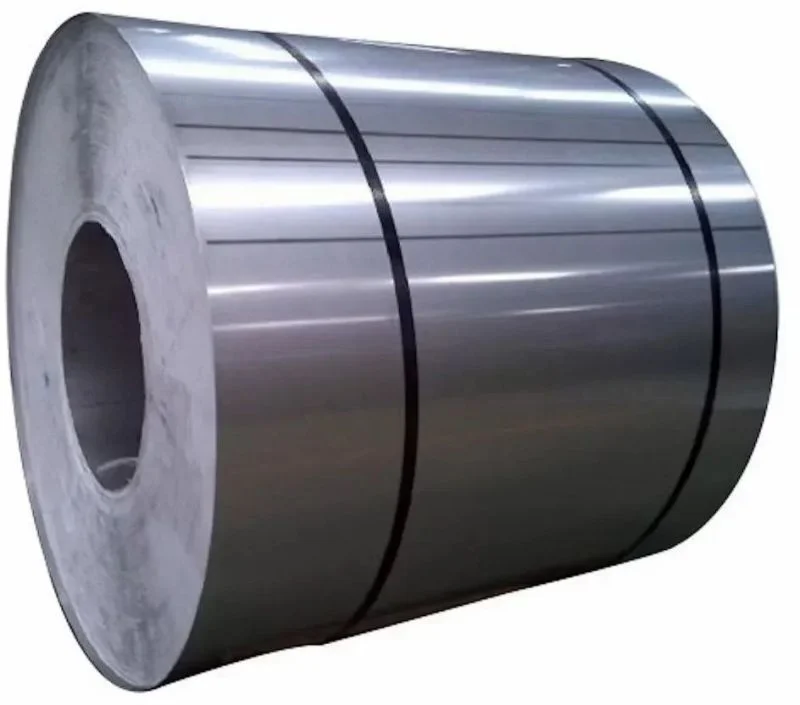
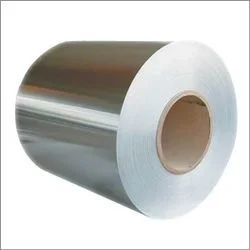
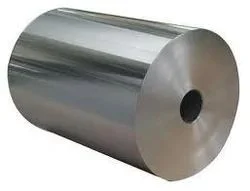
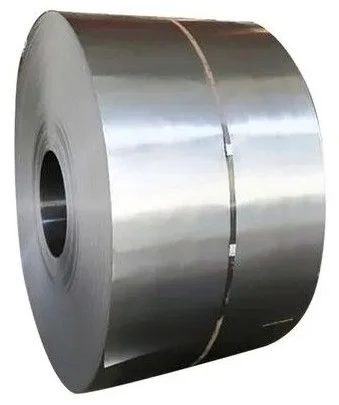
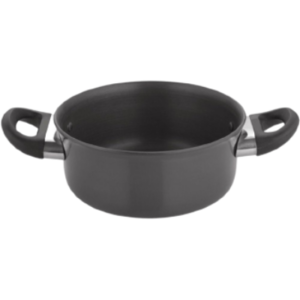
The catalogue presents aluminium coils made from a broad alloy spectrum, notably 1100 (commercially pure), 3003 (Mn alloy) and 5052 (Mg alloy) which are common for roofing, automotive panels and beverage cans. Typical industry grades for rolled products fall under EN 485‑2 or ASTM B221, specifying tensile strength, elongation and thickness tolerances that buyers often request. Aluminium strips and tapes listed under the same HS code are frequently supplied in temper H14 or H24, delivering a balance of strength and formability for signage, lighting and decorative applications. Marine‑grade sheets such as 5052, 5083 and 5754 are recognised for superior corrosion resistance in salt‑water environments and are usually delivered with an anodised or colour‑coated finish to meet aesthetic and durability requirements. Non‑stick cookware items generally employ a 1060 or 3003 base alloy that is subsequently coated with PTFE or ceramic layers, a practice standard in the cookware industry.
Trade and Export Information - Exceed Metal
China remains a leading exporter of wrought aluminium products, with the 7606.11 and 7606.12 HS chapters accounting for the majority of global rolled‑aluminium trade. Major import regions include the European Union, North America and the Association of Southeast Asian Nations, where manufacturers use these alloys for construction, automotive, packaging and consumer‑goods sectors. Buyers typically require compliance with ISO 9001 quality‑management systems and may request CE marking or RoHS declarations for products destined for the EU market. Shipping of coils and sheets is commonly performed in 20‑ft or 40‑ft containers, often on wooden pallets or bundled on steel bands, with CIF or FOB Incoterms negotiated based on buyer preference. Chinese exporters also provide mill test certificates (MTC) and, where applicable, conformity‑assessment reports to satisfy customs and regulatory inspections under the WTO‑aligned HS system.
Sourcing from Exceed Metal - Buyer Guidance
When sourcing aluminium coils or sheets from Exceed Metal, buyers should request a current mill test certificate that details chemical composition, tensile strength, elongation and temper designation. Verification of thickness tolerance (usually ±0.05 mm for precision applications) and surface finish specifications, such as anodised coating thickness or colour‑coat gloss level, helps confirm compliance with project requirements. For marine‑grade or structural grades, a corrosion‑resistance test report and compliance with EN 573‑3 (chemical composition) are standard documents to obtain before contract finalisation. Sample pieces, preferably cut to the intended final dimensions, allow testing of mechanical properties and surface quality, and they should be accompanied by a certificate of conformity that references the relevant industry standard (e.g., ASTM B221 or EN 485).
Frequently Asked Questions About Exceed Metal
What HS codes apply to Exceed Metal’s aluminium products?
The listed products fall under HS code 7606.11 for wrought aluminium plates and discs, and HS code 7606.12 for rolled aluminium items such as coils, strips and sheets.
Which aluminium alloys are available in the coil range?
Coils are offered in alloy series 1100, 1050, 1060, 3003, 3105, 5052, 5754 and 8011, covering commercially pure, Mn‑alloyed and Mg‑strengthened grades used in construction, automotive and packaging.
What surface treatments can be requested for aluminium sheets?
Sheets can be supplied in marine‑grade alloys (5052, 5083, 5754) with optional anodising or colour‑coating; thickness and coating specifications are usually defined in the purchase order.
Which certifications should a buyer verify before purchasing?
Buyers should request the mill test certificate, confirm ISO 9001 compliance, and, for EU shipments, ask for CE marking and RoHS conformity statements.
What are typical packaging and shipping methods for the coils?
Coils are commonly bundled on steel bands or wooden pallets and loaded into 20‑ft or 40‑ft containers; FOB or CIF terms are standard for international trade.
How can a buyer assess the quality of non‑stick cookware items?
Request a sample with the applied non‑stick coating, along with a test report showing coating thickness, adhesion rating and compliance with food‑contact regulations such as FDA 21 CFR 175.300.
What minimum order quantities are typical for aluminium strips?
Minimum order quantities vary by alloy and width but generally start at one metric ton for standard strips; exact MOQ is confirmed in the supplier’s quotation.
What lead times are common for aluminium sheet orders?
Lead times for anodised or colour‑coated sheets usually range from 2 to 4 weeks after order confirmation, depending on surface‑finish requirements and production scheduling.




 , China