Eska Pharma — Verified Manufacturer & Wholesale Supplier
About Eska Pharma - Cosmetics & Beauty Products Supplier in Germany
Eska Pharma is based in Dusseldorf, Germany and lists nine active skincare products. All nine items fall under HS chapter 33, specifically HS code 3304.99, which covers other beauty or make‑up preparations. The catalogue includes creams, eye creams, serums and ampoules that are marketed for anti‑aging, hydration and skin regeneration. The product titles reference caviar extract, hyaluronic acid, stem cell complexes and vitamin C, indicating a focus on premium active ingredients within the cosmetics and beauty products segment.
The listed items are distributed across several sub‑categories: face creams (caviar essence 24 h cream, hyaluronic acid 24 h cream, stem cell 24 h cream), eye creams (caviar eye cream, hyaluronic acid eye cream), and serums or ampoules (caviar ampoule, hyaluronic acid ampoule, stem cell ampoule, vitamin‑C ampoule). Each product description cites a blend of actives such as peptides, retinol, glycerin, squalane, sodium hyaluronate, plant oils and vitamin complexes, matching typical formulations for anti‑wrinkle, moisturising and rejuvenating skin care.
Product Range and Specialties of Eska Pharma
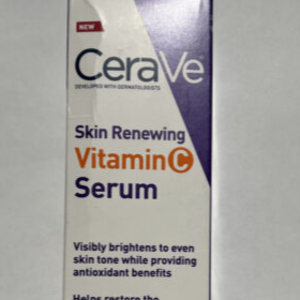
The catalogue concentrates on high‑potency skin‑care preparations. Caviar‑based creams and serums combine marine protein extracts with peptides and antioxidants, a formulation class that targets collagen synthesis and skin elasticity. Hyaluronic‑acid products rely on sodium hyaluronate at concentrations that usually range from 0.5 % to 2 % for deep moisturisation, often paired with glycerin and emollients to improve skin barrier function. Stem‑cell creams and ampoules use plant‑derived stem‑cell extracts together with oils and peptide complexes, a trend in premium anti‑age lines. Vitamin‑C ampoules typically contain L‑ascorbic acid at 10 % - 20 % concentration for brightening effects. In the cosmetics industry, such products are commonly packaged in 30 ml to 100 ml air‑tight containers, amber glass ampoules or high‑density polyethylene tubes, and are labeled according to EU cosmetic regulation requirements.
Trade and Export Information - Eska Pharma
Germany ranks among the top European exporters of cosmetic preparations, with the majority of shipments destined for EU member states, the United States, the Middle East and East Asia. Products classified under HS 3304.99 are subject to the EU Cosmetics Regulation (EC) No 1223/2009, which mandates a safety assessment, a product information file and compliance with labeling rules before export. Importing countries often request certificates such as ISO 22716 (Good Manufacturing Practice for cosmetics), a full ingredient declaration and, where applicable, an organic certification like ECOCERT. Standard logistics involve containerised shipments in 20 ft or 40 ft units, with inner packing of individually sealed tubes or ampoules within corrugated boxes, typically under CIF or FOB Incoterms.
Sourcing from Eska Pharma - Buyer Guidance
Buyers should request a current Safety Data Sheet (SDS) and a Cosmetic Product Safety Report (CPSR) for each formulation, as these documents confirm compliance with EU and target‑market regulations. It is advisable to obtain a batch‑specific Certificate of Analysis (CoA) that lists active‑ingredient concentrations, pH, viscosity and microbial limits, as well as evidence of ISO 22716 GMP certification if available. Prior to confirming an order, verify the packaging material (e.g., PET tube, glass ampoule) and its compatibility with the product’s preservative system, and confirm that the labeling meets the importing country’s language and ingredient‑listing requirements.
Frequently Asked Questions About Eska Pharma
What skin‑care product categories does Eska Pharma list?
Eska Pharma lists nine products across three categories: face creams, eye creams and serum/ampoule treatments, all under HS code 3304.99.
Which active ingredients are highlighted in the catalogue?
The catalogue highlights caviar extract complexes, hyaluronic acid (sodium hyaluronate), plant‑derived stem‑cell extracts, peptides, retinol, vitamin E, vitamin C and various humectants and emollients.
How can a buyer request a sample?
A buyer can request a sample by specifying the product name, desired sample volume (e.g., 10 ml) and the intended testing parameters such as active‑ingredient assay and stability.
What certifications should a buyer ask for?
Buyers should ask for ISO 22716 GMP certification, a Cosmetic Product Safety Report, a batch Certificate of Analysis and, if required by the market, an organic certification such as ECOCERT.
What is the typical minimum order quantity (MOQ) for these cosmetics?
MOQ for cosmetic creams and serums from German manufacturers often starts at 1,000 units per SKU, but the exact figure should be confirmed with the supplier for each product.
What lead time is common for production and shipment?
Lead times for finished‑goods cosmetics in Germany typically range from 30 to 45 days from order confirmation, including quality testing and packaging.
How are the products packaged for export?
Products are usually packed in individual air‑tight tubes, PET jars or amber glass ampoules, placed in corrugated cartons with inner dividers, and then loaded into 20 ft or 40 ft containers.
Which HS code applies to all listed items?
All nine items are classified under HS code 3304.99, covering other beauty or make‑up preparations not elsewhere specified.




 , Germany