Eltariq Herbs For Exporting — Verified Supplier
About Eltariq Herbs For Exporting - Herbs and Spices Supplier in Egypt
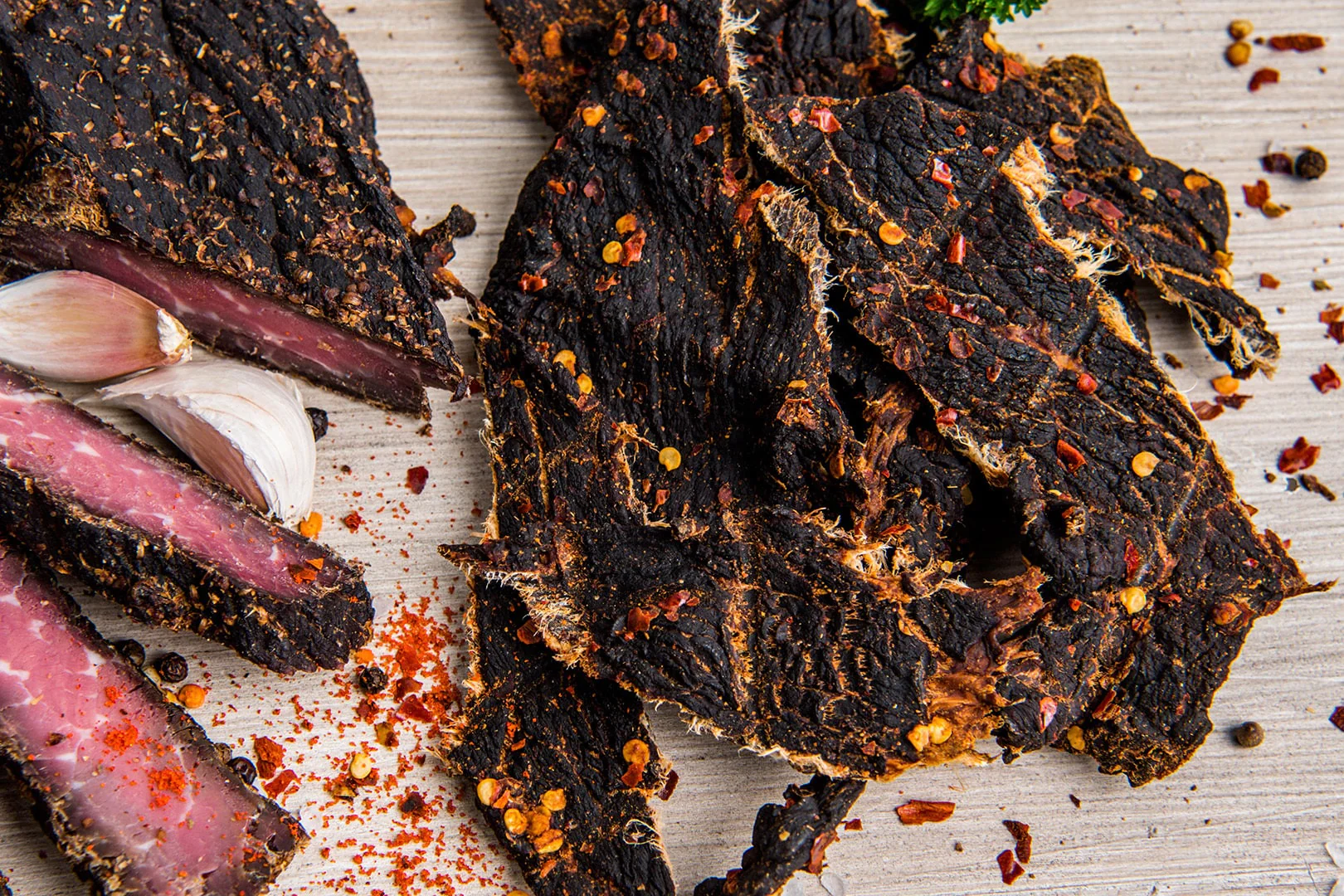
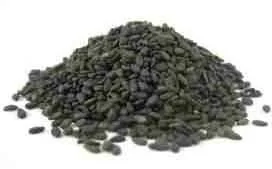
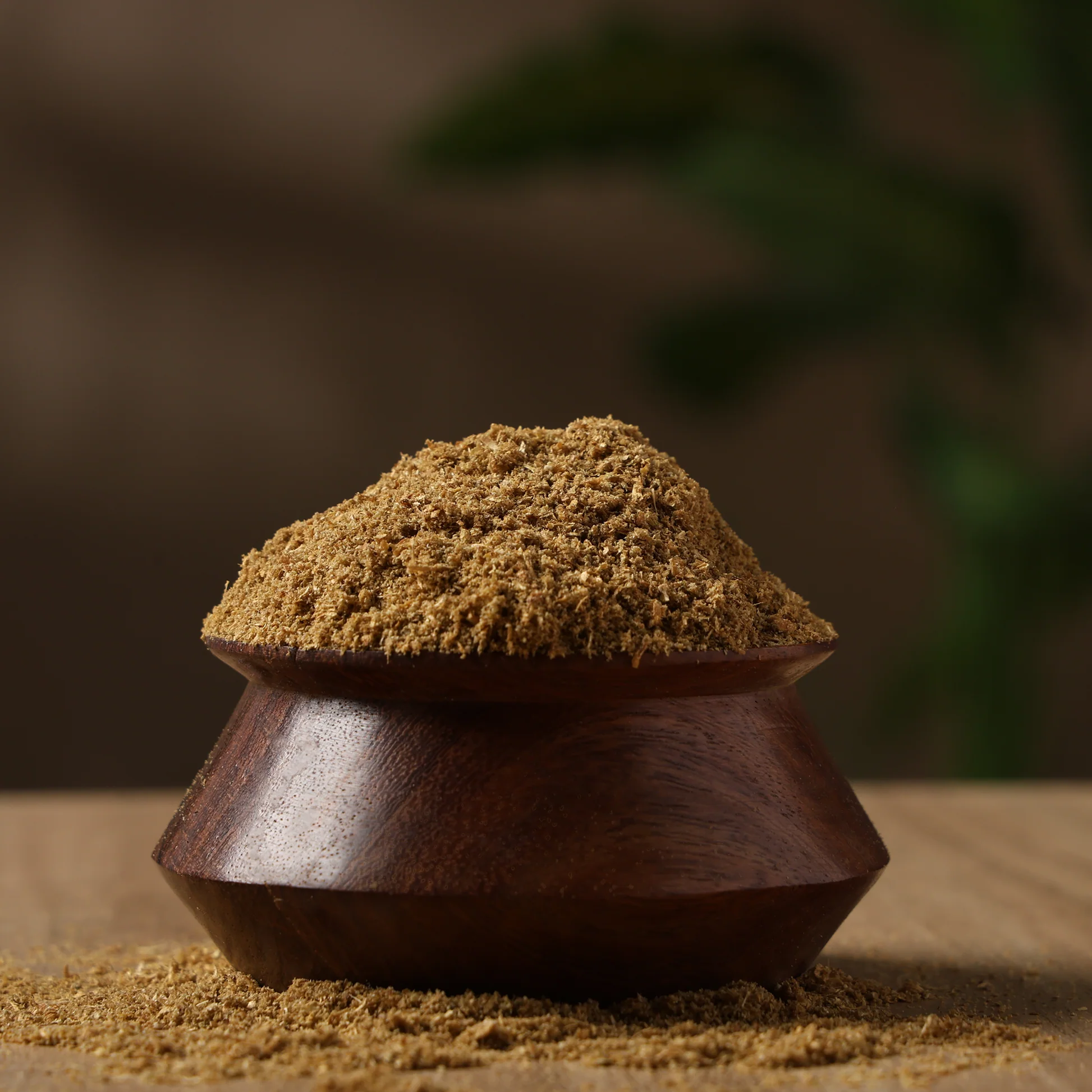
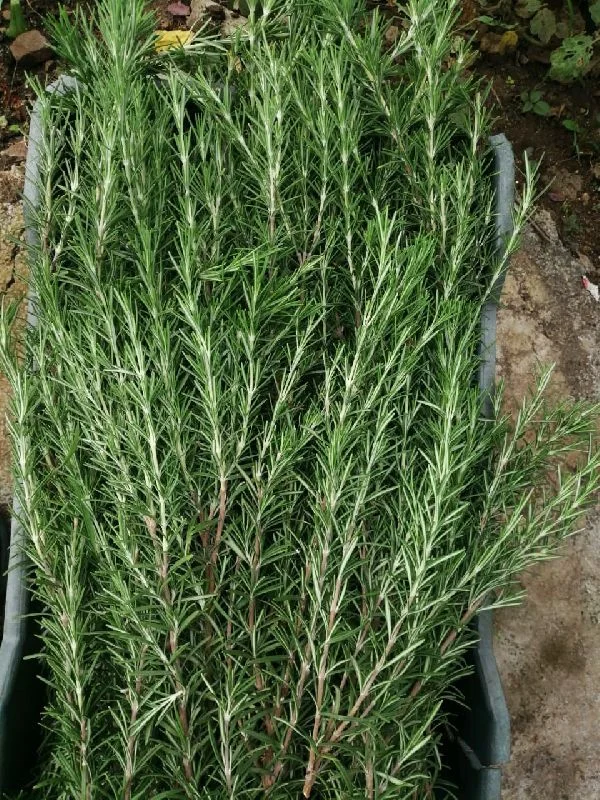
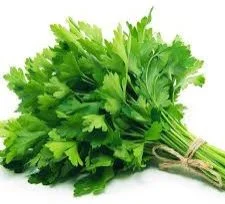
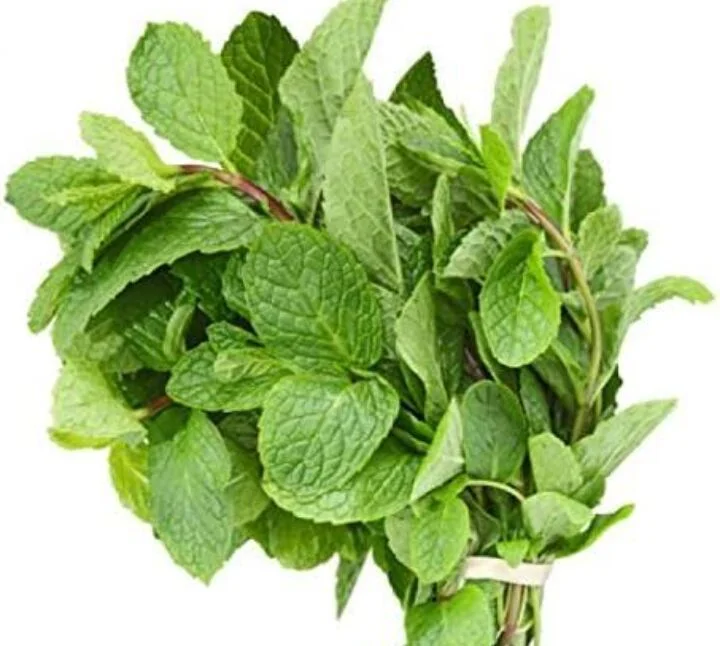
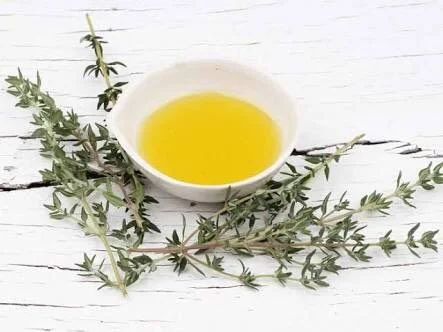
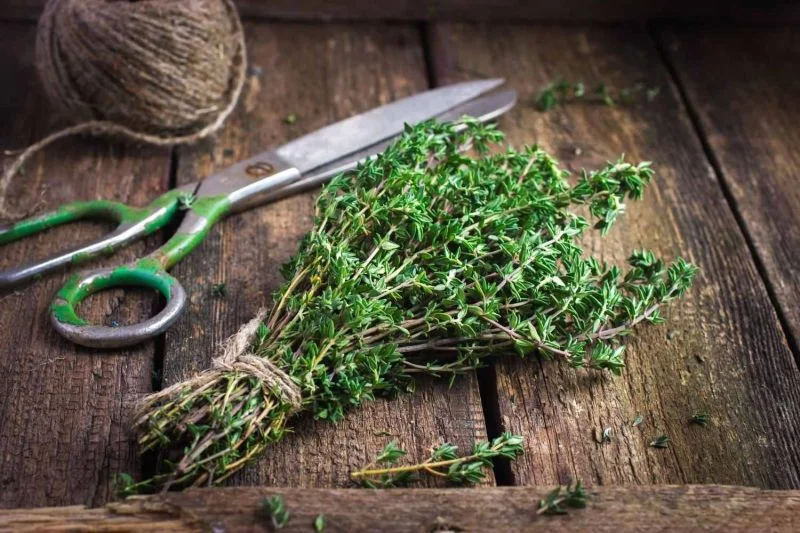
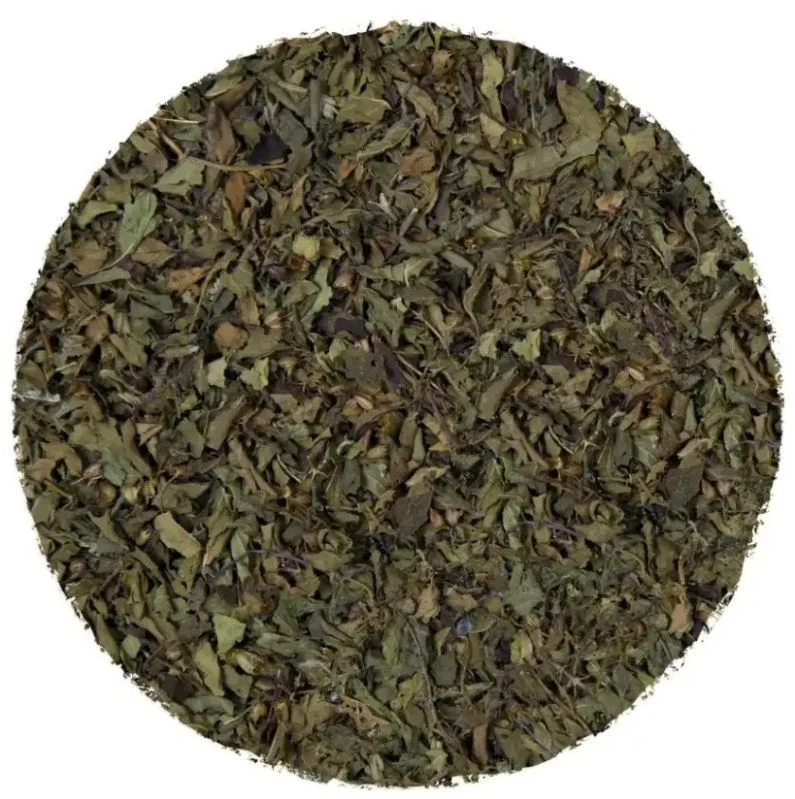
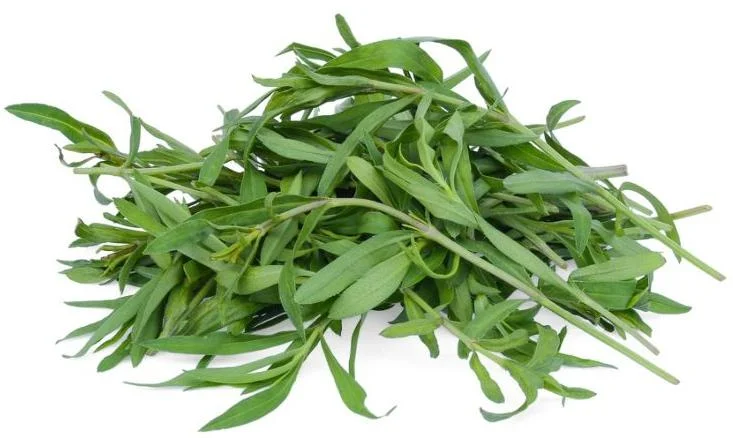
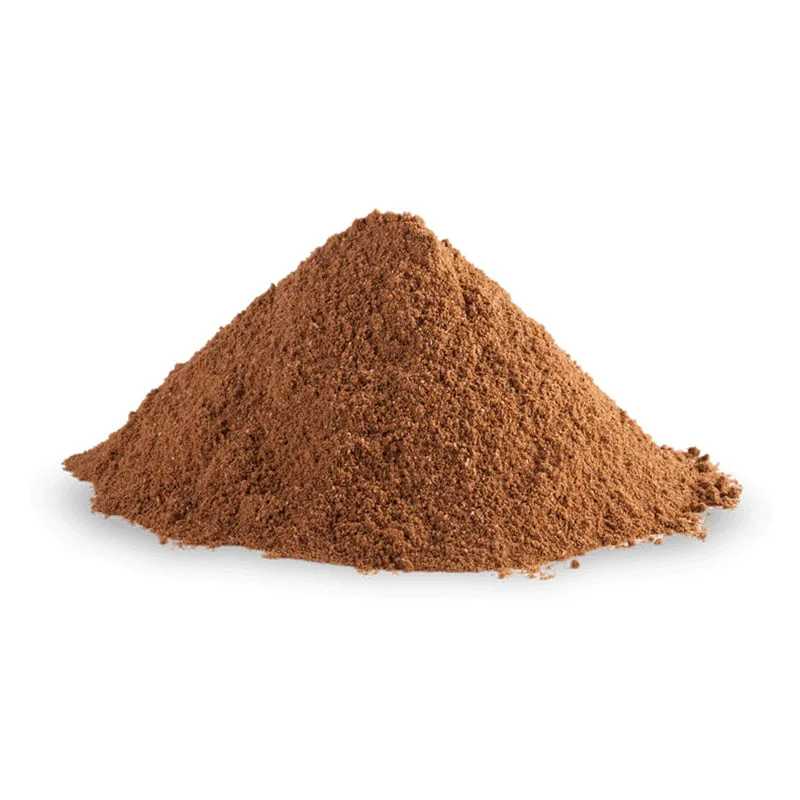
Egypt, a long‑standing exporter of dried herbs and spices, hosts the supplier Eltariq Herbs For Exporting, which currently lists twelve distinct products in its catalogue. The company’s portfolio covers a range of dried spices and aromatic herbs, including Red Chili, Hibiscus, Fennel Seeds, Coriander, Rosemary, Parsley, Caraway Seeds, Mint, Thyme, Dried Basil Leaves, Marjoram and Fenugreek seeds. All items are presented as dried commodities suitable for bulk trade. The catalogue aligns with HS Chapter 09, which classifies spices, aromatic herbs and their preparations. Eltariq Herbs targets international buyers seeking standardised spice grades.
Product Range and Specialties of Eltariq Herbs For Exporting
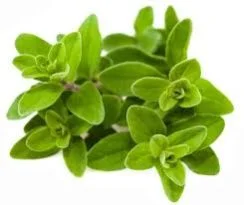
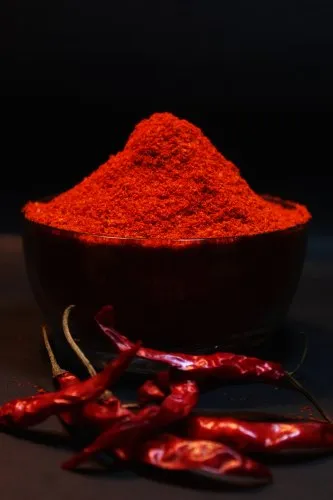
Eltariq Herbs’ catalogue lists dried Red Chili, Hibiscus Slices, Fennel Seeds, Coriander, Rosemary, Parsley, Caraway Seeds, Mint, Thyme, Dried Basil Leaves, Marjoram and Fenugreek seeds. In the global spice market, dried red chilies are graded by colour, capsaicin level (Scoville rating 30 000‑50 000), and moisture below 12 %. Hibiscus is evaluated on flower size, colour intensity and moisture ≤10 %. Seed herbs such as fennel, coriander, caraway and fenugreek are commonly classified by seed length (2‑5 mm) and oil content (e.g., fennel essential oil 0.5‑1 %). Leaf herbs like rosemary, parsley, mint, thyme, basil and marjoram are judged by leaf colour, aroma intensity and moisture ≤12 %.
Typical industry specifications call for compliance with ISO 22000 or HACCP food‑safety systems, and many importers request an organic certification where applicable. Standard packaging includes 25 kg bulk bags, 1 kg retail sachets, and 5 kg intermediate packs, all sealed to protect against moisture ingress. The products fall under HS codes 0904.10 (chili peppers), 0909.10 (herbs and spices), and 0910.10 (herbal teas), which dictate customs duties and inspection regimes in most destination markets.
Trade and Export Information - Eltariq Herbs For Exporting
Egypt ranks among the top exporters of dried herbs and spices to the European Union, the Gulf Cooperation Council, and North‑American markets. Buyers from these regions typically import under HS Chapter 09, where customs authorities often require a phytosanitary certificate, a certificate of origin, and a laboratory analysis confirming moisture, microbial load and pesticide residues. Commonly requested certifications include ISO 9001 quality management, HACCP food safety plans, and, for organic lots, EU‑organic or USDA‑organic registration.
Logistically, dried herbs are shipped in 20‑foot or 40‑foot containers, with average cargo density of 200‑250 kg per cubic meter, allowing full container loads of up to 20 tons. Standard Incoterms used by Egyptian exporters are FOB Alexandria or CIF Dubai, depending on the buyer’s preference. Export documentation generally comprises the commercial invoice, packing list, bill of lading, phytosanitary certificate, and, where required, a test report complying with the EU’s maximum residue limits (MRLs).
Sourcing from Eltariq Herbs For Exporting - Buyer Guidance
When sourcing from Eltariq Herbs, buyers should request a recent Certificate of Analysis that details moisture content, ash, essential‑oil percentage and any pesticide screening results. A sample of 1 kg per product is typical for quality verification, and the supplier can provide it in sealed poly bags with a COA attached. Verify that the supplier follows HACCP or ISO 22000, and confirm the availability of a phytosanitary certificate for each shipment.
Buyers should also clarify packaging preferences - whether bulk 25 kg bags or smaller retail packs - and confirm the lead time, which for most dried herbs from Egypt ranges from 15 to 30 days after order confirmation, subject to seasonal harvest cycles. Clarify the preferred Incoterm (FOB or CIF) and ensure that the shipping schedule aligns with the buyer’s import window to avoid storage of moisture‑sensitive commodities.
Frequently Asked Questions About Eltariq Herbs For Exporting
What product categories does Eltariq Herbs supply?
The supplier lists twelve dried spice and herb products, including Red Chili, Hibiscus slices, Fennel, Coriander, Rosemary, Parsley, Caraway, Mint, Thyme, Dried Basil, Marjoram and Fenugreek seeds, all classified under HS Chapter 09.
Which HS codes apply to these products?
The items fall under HS 0904.10 for dried red chilies, HS 0909.10 for most dried herbs and seeds, and HS 0910.10 for herbal teas and flower buds such as hibiscus.
What quality specifications are typical for the dried herbs?
Standard specifications require moisture content not exceeding 12 %, ash content within industry limits, essential‑oil levels as defined for each herb, and compliance with food‑safety standards such as HACCP or ISO 22000.
What documentation should a buyer request before purchase?
Buyers should obtain a Certificate of Analysis, a phytosanitary certificate, a certificate of origin, and, where applicable, organic certification or ISO quality certificates. These documents confirm compliance with import regulations and quality parameters.
What are the common packaging options and container capacities?
Products are typically packed in 25 kg polypropylene bulk bags, 5 kg intermediate packs, or 1 kg retail sachets. Full 20‑foot containers can hold up to 18 tons, while 40‑foot containers can accommodate approximately 35 tons of dried herbs.
What are the usual lead times and Incoterms used?
Lead times from order confirmation range from 15 to 30 days, depending on the specific herb and seasonal availability. Export terms most often employed are FOB Alexandria or CIF Dubai, according to the buyer’s preference.
How can a buyer arrange a sample?
A buyer can request a 1 kg sample of any listed product; the supplier ships the sample sealed in a poly bag together with a current COA. Sample requests are typically processed within a few business days after confirmation of shipping details.




 , Egypt