Dongguan Guochuang Organic Silicone Material Co., Ltd. — Verified Supplier
About Dongguan Guochuang Organic Silicone Material Co., Ltd. - Silicone Supplier in China
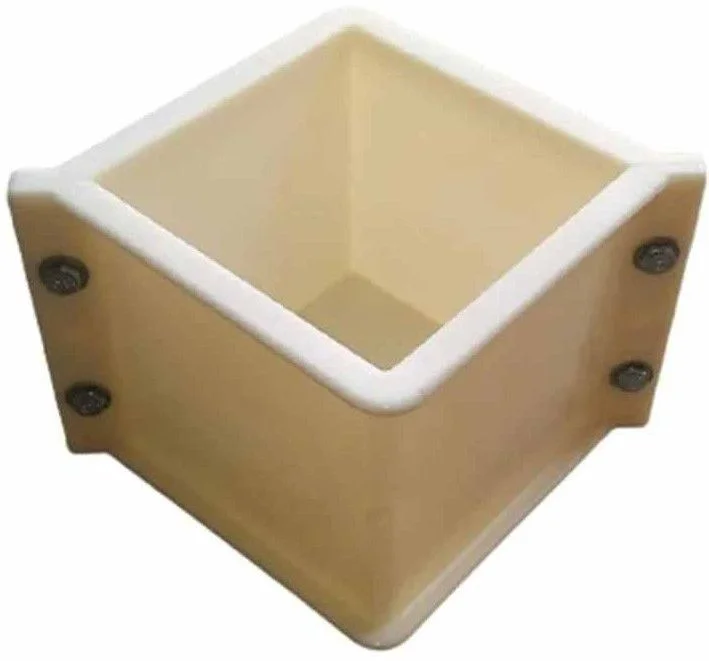
Dongguan Guochuang Organic Silicone Material Co., Ltd. is based in Dongguan, China and lists 19 active silicone‑based products. The catalogue covers a spectrum of silicone rubbers used for mold making, food‑contact applications, medical devices and artistic casting. Product titles include liquid silicone rubber for mold making, platinum‑cure silicone, food‑grade silicone, RTV‑2 silicone and specialty formulations for artificial stone casting. All items fall under the broader HS Chapter 39 family for polymers of siloxanes, which is the standard customs classification for silicone rubbers. The supplier’s top categories are recorded as Silicon, Raw Rubber, Agriculture, Plastic Moulds and Injection Moulding Machinery, indicating a focus on raw silicone material rather than finished components.
The listed products are described with generic names such as “Liquid Silicone Rubber for Mold Making”, “Medical Grade Platinum Cure Liquid Silicone” and “Food Grade Liquid Silicone Rubber”. Variants include “Cheap Liquid Silicone Rubber”, “Lost Wax Casting Silicone” and “Silicone Rubber for Architectural Molding”. The catalogue does not provide specific technical grades, but the product naming reflects common industry distinctions between platinum‑cure (addition‑cure) and peroxide‑cure (condensation‑cure) silicone, as well as FDA‑compliant food‑grade grades. Each entry aligns with typical HS‑code sub‑headings for liquid silicone rubbers (e.g., 3910.10 for silicone in primary forms).
Product Range and Specialties of Dongguan Guochuang Organic Silicone Material Co., Ltd.
The supplier’s catalogue concentrates on liquid silicone rubbers (LSR) and room‑temperature vulcanising (RTV) compounds. In the broader market, LSR is offered in grades such as Shore A 30‑70, viscosity ranges from 5 cSt to 20 cSt at 25 °C, and cure temperatures between 120 °C and 180 °C for platinum‑cure systems. Food‑grade silicone typically meets FDA 21 CFR 177.2600 requirements and is supplied with low‑extractable formulations (often < 0.5 % volatile content). Medical‑grade silicone follows ISO 10993 biocompatibility testing and may be supplied in ISO‑10993‑1‑compliant grades. RTV‑2 compounds are commonly used for casting and are characterised by a two‑part mix, Shore A 30‑50, and a cure time of 5‑30 minutes at ambient temperature. The catalogue’s “Liquid Silicone For Artificial Stone Casting” and “Lost Wax Casting Silicone” reflect niche grades with higher tensile strength (≥ 4 MPa) and lower shrinkage, which are standard expectations in the stone‑casting sector.
Trade and Export Information - Dongguan Guochuang Organic Silicone Material Co., Ltd.
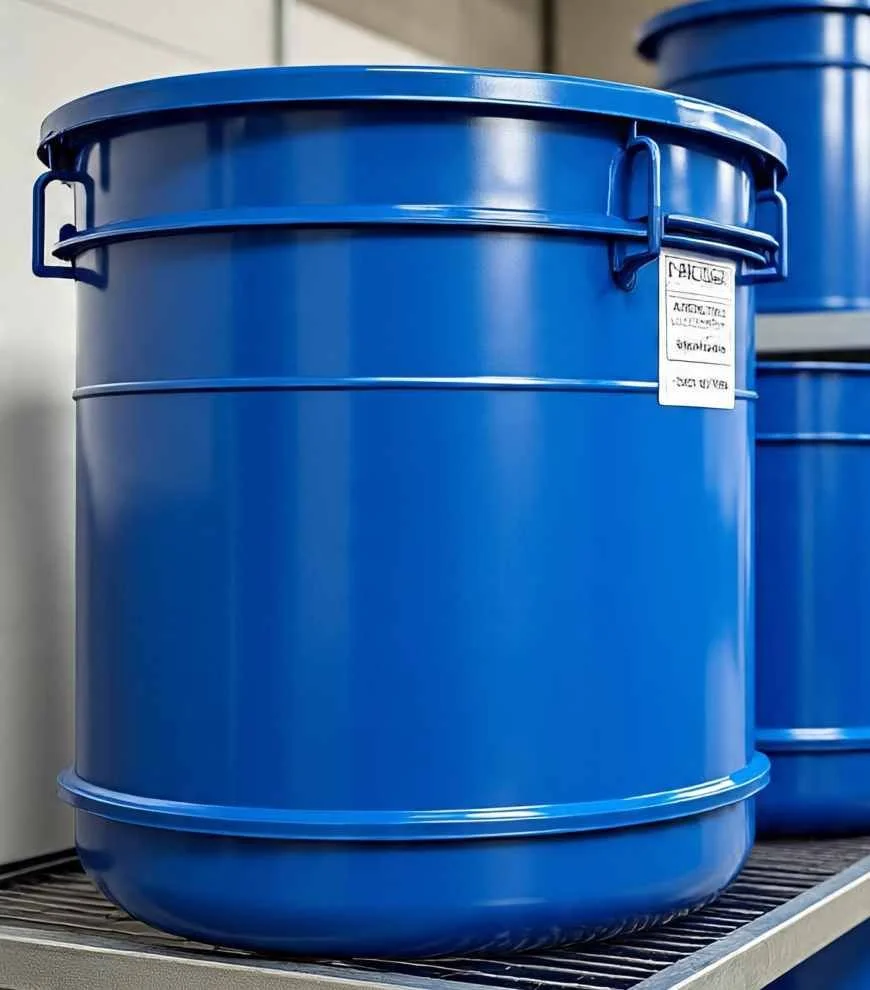
China is a major exporter of silicone rubbers, with the majority of shipments classified under HS Chapter 39 and routed to the United States, European Union, Japan and Southeast Asian manufacturers. Buyers typically import these materials for automotive sealing, electronics encapsulation, medical device production and consumer‑goods moulding. Standard export documentation includes a commercial invoice, packing list, certificate of origin and, where required, a material safety data sheet (MSDS). Commonly requested certifications for silicone rubber imports are ISO 9001 for quality management, FDA compliance for food‑contact grades and ISO 10993 for medical grades. Shipping is usually performed in 20‑ft or 40‑ft containers, with the material packed in sealed drums or bulk bags to protect against moisture ingress. Incoterms such as FOB Dongguan or CIF destination port are frequently used in these transactions.
Sourcing from Dongguan Guochuang Organic Silicone Material Co., Ltd. - Buyer Guidance
When sourcing silicone rubber from this supplier, buyers should request a current MSDS and, for food‑grade or medical‑grade items, the specific FDA or ISO 10993 compliance certificates. Sample orders are typically provided in 1‑kg or 5‑kg quantities to allow testing of Shore hardness, tensile strength, elongation at break and viscosity. Verify that the supplied product data sheet includes cure schedule, hardness range (Shore A) and any low‑extractable specifications required for the intended application. It is prudent to confirm the packaging format (drum versus bulk bag) and the container size to ensure compatibility with the buyer’s logistics chain. Finally, request a recent factory audit report or ISO 9001 registration if the buyer’s quality system mandates third‑party verification.
Frequently Asked Questions About Dongguan Guochuang Organic Silicone Material Co., Ltd.
What types of silicone rubber does Dongguan Guochuang list?
The catalogue includes liquid silicone rubber for mold making, platinum‑cure medical grade silicone, food‑grade silicone, RTV‑2 casting silicone, and specialty grades for artificial stone and architectural molding.
Are food‑grade silicone products available?
Yes, the supplier lists Food Grade Liquid Silicone Rubber and FDA Food Grade Liquid Silicone Rubber, which are intended to meet food‑contact regulatory standards.
What certification should a buyer request for medical‑grade silicone?
Buyers should ask for ISO 10993 biocompatibility test reports and any FDA 510(k) or CE marking documentation that confirms compliance with medical device regulations.
How is the silicone rubber typically packaged for export?
Export shipments are commonly packed in sealed steel drums or bulk polyethylene bags, sized to fit 20‑ft or 40‑ft containers and protect the material from moisture.
What are the usual HS‑code classifications for these products?
Silicone rubbers are generally classified under HS Chapter 39, with sub‑headings such as 3910 for silicone in primary forms and 3912 for other polymerised silicone products.
What sample size is practical for testing silicone properties?
A 1‑kg to 5‑kg sample is standard for evaluating Shore A hardness, tensile strength, elongation at break and viscosity before placing a larger order.
Which regions commonly import Chinese silicone rubber?
Typical import markets include the United States, European Union, Japan, South Korea and countries in Southeast Asia that use silicone for automotive, electronics and medical applications.
What incoterms are frequently used for these shipments?
Suppliers often quote FOB Dongguan or CIF to the buyer’s destination port, allowing the buyer to arrange freight and insurance as needed.




 , China