Divine Inetrnational — Verified Supplier
About Divine Inetrnational - Groundnut Kernel Supplier in India
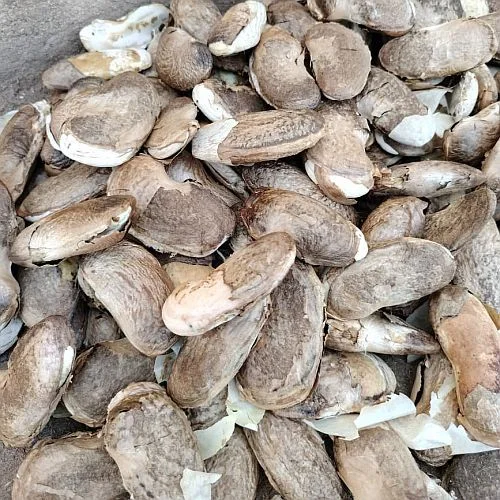
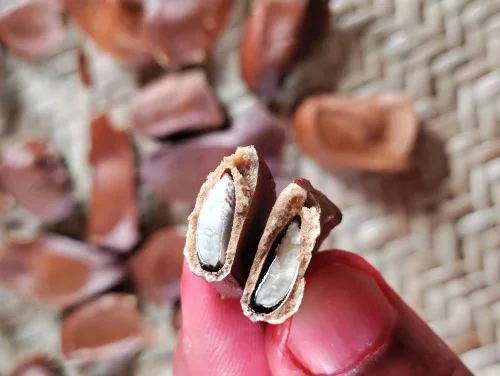
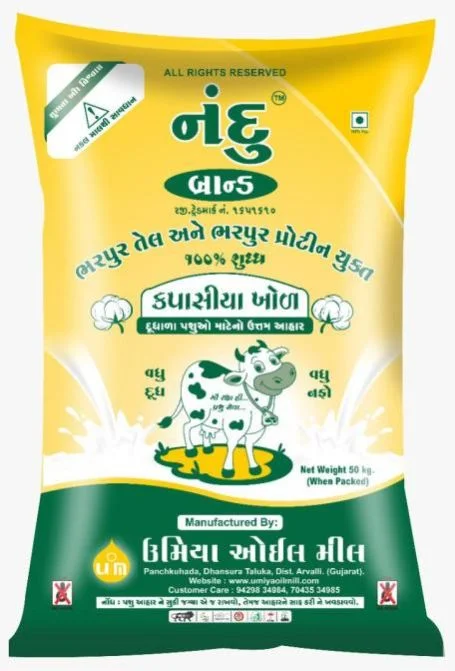
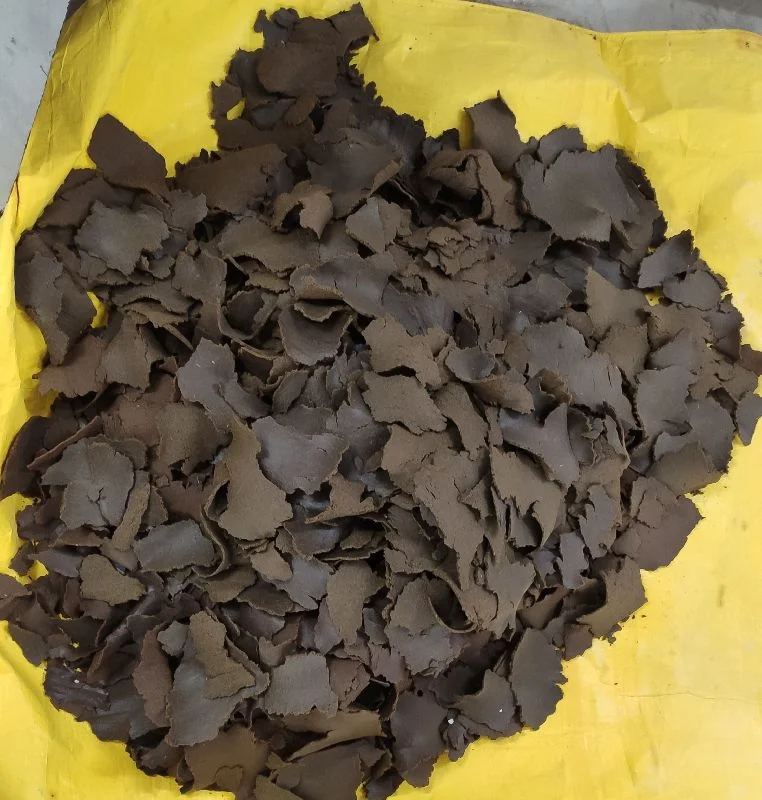
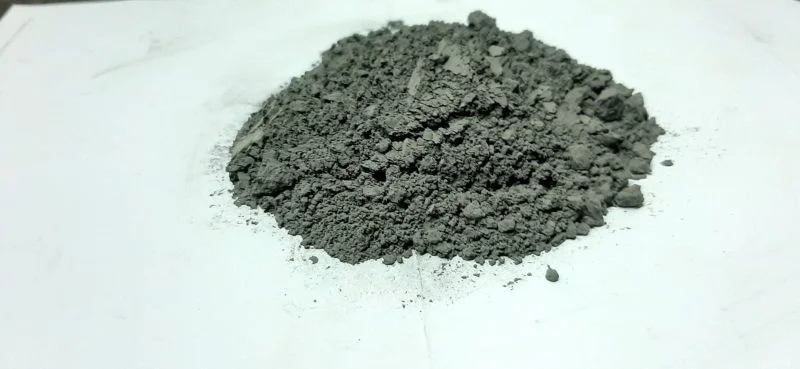
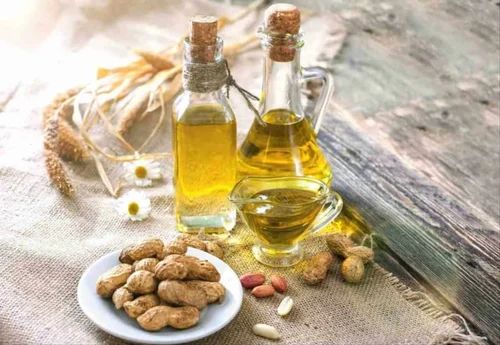
India is the origin of Divine International, which lists eight active products in its catalogue. The company offers groundnut kernels, sesame seeds, cumin seeds, fenugreek seeds, carom seeds, cotton seed oil cake, groundnut seed oil cake, and fennel seeds. Each product is identified by its generic name as presented in the supplier’s catalogue. The active product count of eight reflects the range of edible oil seeds and spice seeds the supplier trades. These items fall under standard HS chapters for oil seeds and spices.
The catalogue groups the items into two broader categories: oil‑seed meals (cotton seed oil cake, groundnut seed oil cake) and spice seeds (sesame, cumin, fenugreek, carom, fennel). Groundnut kernels are listed separately from the oil cake, indicating a focus on both raw kernels for food processing and derived meals for animal feed. No additional product specifications such as grade or packaging are provided in the supplied data.
Product Range and Specialties of Divine Inetrnational
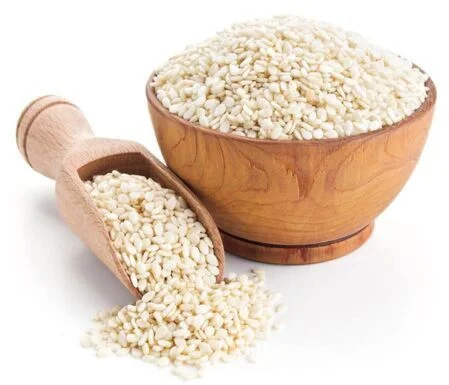
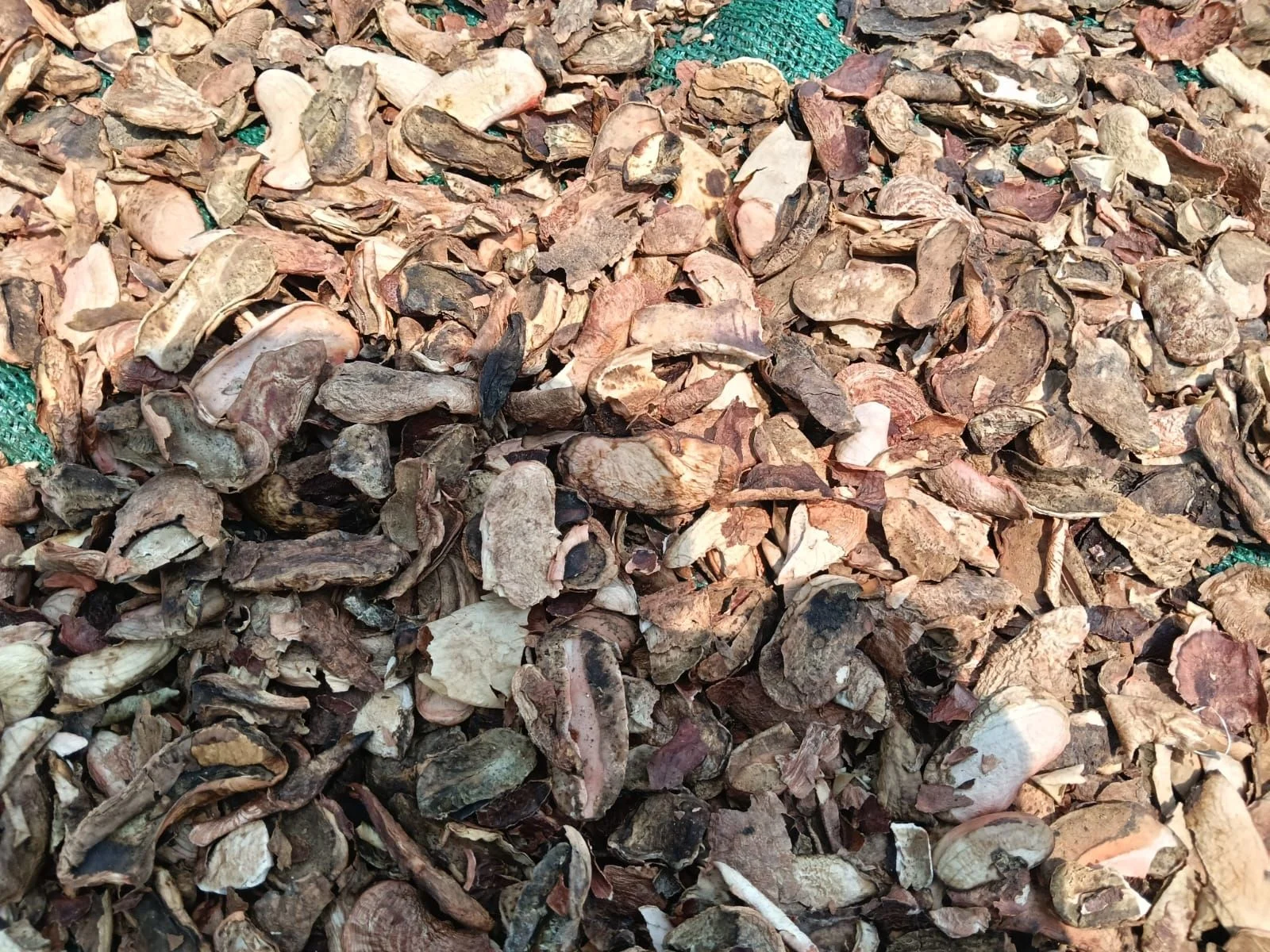
Groundnut kernels are commonly supplied in A‑grade or B‑grade, with moisture content below 6 % and aflatoxin limits of 10 µg kg⁻¹ for export markets. Sesame seeds are usually graded by oil content (48‑52 %) and foreign matter under 0.5 %. Cumin seeds are evaluated on seed size (average length 5‑6 mm) and moisture ≤7 %. Fenugreek seeds are assessed for colour (bright yellow) and impurity levels below 0.3 %. Carom (ajwain) seeds are measured for essential oil content (1‑2 %) and particle size. Cotton seed oil cake and groundnut seed oil cake are standard protein meals with crude protein 35‑40 % and moisture ≤12 %. Fennel seeds are graded by size (large 12‑14 mm) and volatile oil content (2‑3 %).
Typical packaging for these bulk agricultural commodities includes 25 kg polypropylene bags for seeds and 20‑25 kg jumbo bags for oil cakes, with moisture‑barrier liners for long‑haul shipping. Export shipments are often loaded in 20‑foot or 40‑foot containers, allowing 20‑25 tons of seed cargo per container, depending on product density.
Trade and Export Information - Divine Inetrnational
India is a major exporter of oil‑seed meals and spice seeds, supplying the Middle East, European Union, and Southeast Asian markets. Buyers usually request phytosanitary certificates, ISO 9001 or ISO 22000 compliance, and laboratory analysis reports confirming pesticide residues, aflatoxin levels, and moisture content. HS chapters 12 cover the listed products, and customs authorities commonly inspect for compliance with the EU Maximum Residue Limits (MRLs) and the US Food Safety Modernization Act (FSMA) requirements.
Logistics from Indian ports such as Nhava Sheva or Mundra typically use CIF or FOB terms, with cargo packed in sturdy woven bags and sealed for container loading. For oil cakes, bulk handling equipment is standard, and shipments may be subject to inspection under the Indian Export Inspection Council (IEIC) for quality assurance.
Sourcing from Divine Inetrnational - Buyer Guidance
When sourcing from Divine International, buyers should request a recent phytosanitary certificate, a full lab analysis covering moisture, foreign matter, pesticide residues, and aflatoxin limits, and confirm the grade (A‑grade or B‑grade) of each seed. Verifying the supplier’s compliance with ISO 9001 or ISO 22000 can provide additional assurance of food‑safety management.
Buyers are advised to check packaging specifications - 25 kg polypropylene bags with moisture‑proof liners for seeds and 20 kg jumbo bags for oil cakes - and to confirm container loading plans to avoid damage. Requesting a sample batch for third‑party testing before finalizing a large order helps ensure the product meets the buyer’s specifications.
Frequently Asked Questions About Divine Inetrnational
What are the standard grades available for the spice seeds listed by Divine International?
The spice seeds - sesame, cumin, fenugreek, carom, and fennel - are typically offered in A‑grade (≤0.3 % foreign matter, moisture ≤7 %) and B‑grade (≤0.5 % foreign matter, moisture ≤8 %).
Which laboratory tests should a buyer request for groundnut kernels?
Buyers should obtain test reports for moisture content (≤6 %), aflatoxin (≤10 µg kg⁻¹), oil content (≈45‑50 %), and pesticide residues according to the target market’s MRLs.
What documentation is required for importing cotton seed oil cake from India?
Importers normally need a phytosanitary certificate, a certificate of origin, and a laboratory analysis confirming protein content (35‑40 %), moisture (≤12 %), and absence of prohibited contaminants.
What packaging formats are used for the oil‑seed meals offered?
Cotton seed oil cake and groundnut seed oil cake are packed in 20‑25 kg jumbo bags with inner liners to protect against moisture, and are sealed for container loading.
Which Incoterms are commonly used for shipments from India for these products?
Suppliers usually operate on FOB (Free on Board) from major Indian ports, with buyers often arranging CIF (Cost, Insurance, Freight) for door‑to‑door delivery.
What are the typical lead times for a bulk order of sesame seeds?
Lead times generally range from 25 to 40 days, depending on order size, sample approval, and container booking at the port of loading.
Which markets most frequently import the listed Indian spice seeds?
The European Union, United Arab Emirates, Saudi Arabia, and Southeast Asian countries such as Malaysia and Singapore are the primary import destinations for Indian sesame, cumin, fenugreek, carom, and fennel seeds.




 , India