Agriculture›
 Apparel and fashion accessories›
 Construction & real estate›💡Electronic & Electrical›🍎Food & Beverages›🛋️Home furnishing & supplies›⚗️Industrial goods & chemical›🪨Minerals & metals›📦Miscellaneous›Agriculture›Apparel and fashion accessories›Construction & real estate›💡Electronic & Electrical›🍎Food & Beverages›🛋️Home furnishing & supplies›⚗️Industrial goods & chemical›🪨Minerals & metals›📦Miscellaneous›
Dalian Takebishi Packing Industry Co., Ltd.
⚓ Harbor , ChinaNew supplier / no reviews yet
Dalian Takebishi Packing Industry Co., Ltd. Product Catalog

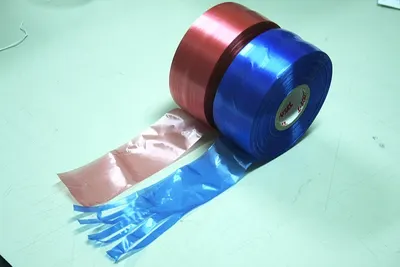
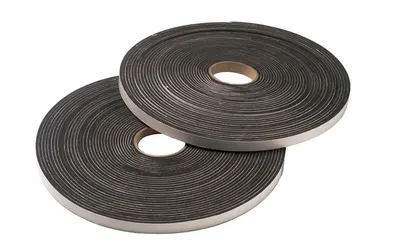
About Dalian Takebishi Packing Industry Co., Ltd. - Zipper Tape Supplier in China
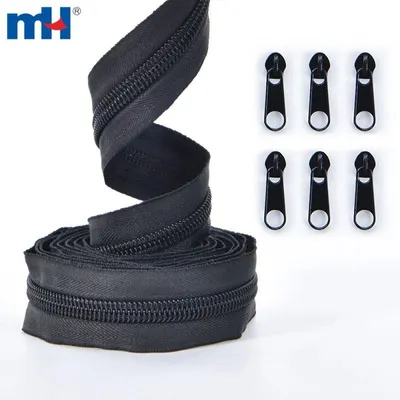
China hosts Dalian Takebishi Packing Industry Co., Ltd., which currently lists five active products in its catalogue. The company focuses on plastic zipper tapes, including generic plastic zipper tape, zipper tape designed for Ziploc‑type bags, and reclosable‑bag zipper tape. Materials are specified as polyethylene (PE) and polypropylene (PP), reflecting the two polymer families the supplier distinguishes. All items are classified under the broader HS Chapter 39 for plastics, commonly recorded under HS 3920.30 for other plastic articles, which aligns with standard customs reporting for similar products.
The five products cover a narrow but practical segment of the fastening market: standard plastic zipper tape, PE‑based zipper tape, PP‑based zipper tape, and two variants tailored for Ziploc and other re‑closable bags. The catalogue does not provide additional specifications such as width or tensile strength, but the product titles indicate a focus on flexible, lightweight sealing solutions used in packaging and consumer goods. As an imported supplier, Dalian Takebishi positions these items for buyers seeking Chinese‑manufactured plastic fastening components.
Product Range and Specialties of Dalian Takebishi Packing Industry Co., Ltd.
The catalogue lists five distinct zipper‑tape products, all manufactured from either polyethylene (PE) or polypropylene (PP). In the industry, PE zipper tapes are typically produced in thicknesses of 40‑80 µm, widths of 10‑30 mm, and tensile strengths of 5‑10 MPa, while PP versions often run 30‑70 µm thick with comparable width ranges and slightly higher stiffness. Standard industry grades such as PE‑low‑density (LDPE) and PP‑homopolymer are common, and buyers frequently request compliance with ASTM D 1795 for tensile testing or ISO 9001 for quality management. Rolls are usually supplied in lengths of 500 m to 1 000 m, packaged on wooden pallets for bulk shipment.
Typical specifications cited by buyers include width tolerance ±0.5 mm, elongation at break >200 %, and a melt flow index (MFI) of 4‑10 g/10 min for PE and 2‑6 g/10 min for PP. These parameters help ensure the tape can be heat‑sealed or sewn into packaging without failure. The products fall under HS 3920.30, which covers “Other plastic articles,” a code widely used for plastic fastening tapes in customs filings.
Frequently Asked Questions About Dalian Takebishi Packing Industry Co., Ltd.
What types of zipper tape does Dalian Takebishi produce?
The supplier lists five products: generic plastic zipper tape, zipper tape for Ziploc‑type bags, zipper tape for re‑closable bags, PE‑based zipper tape, and PP‑based zipper tape.
Which material grades are used for the tapes?
Products are specified as either polyethylene (PE) or polypropylene (PP), the two most common polymer grades for flexible sealing tapes.
What HS code is applicable to these products?
Zipper tapes made of plastic are generally classified under HS Chapter 39, specifically HS 3920.30 for “Other plastic articles.”
What certifications should a buyer request?
Buyers should ask for ISO 9001 quality‑management certification, REACH registration, and, if the tape contacts food, FDA compliance documentation.
How are the tapes typically packaged for export?
Standard export packaging is a 20‑ft container containing approximately 200 rolls, each roll typically 500‑1 000 m long and shrink‑wrapped on wooden pallets.
ChinaRelated Suppliers & Products
Explore similar suppliers, related products and trending categories