CV. Indo Coco Nucifera — Verified Supplier

About CV. Indo Coco Nucifera - Charcoal Briquette Supplier in Indonesia

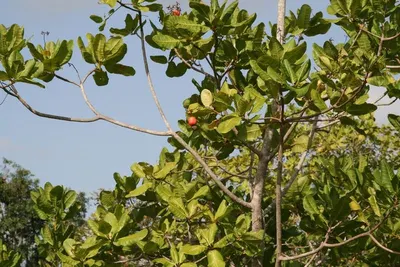
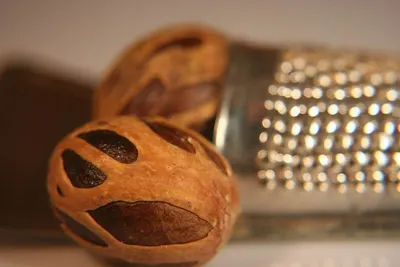
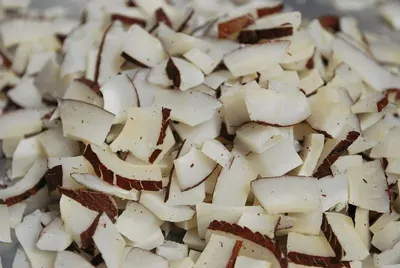
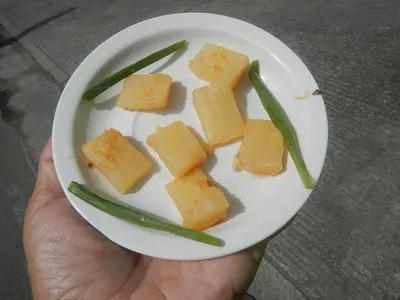
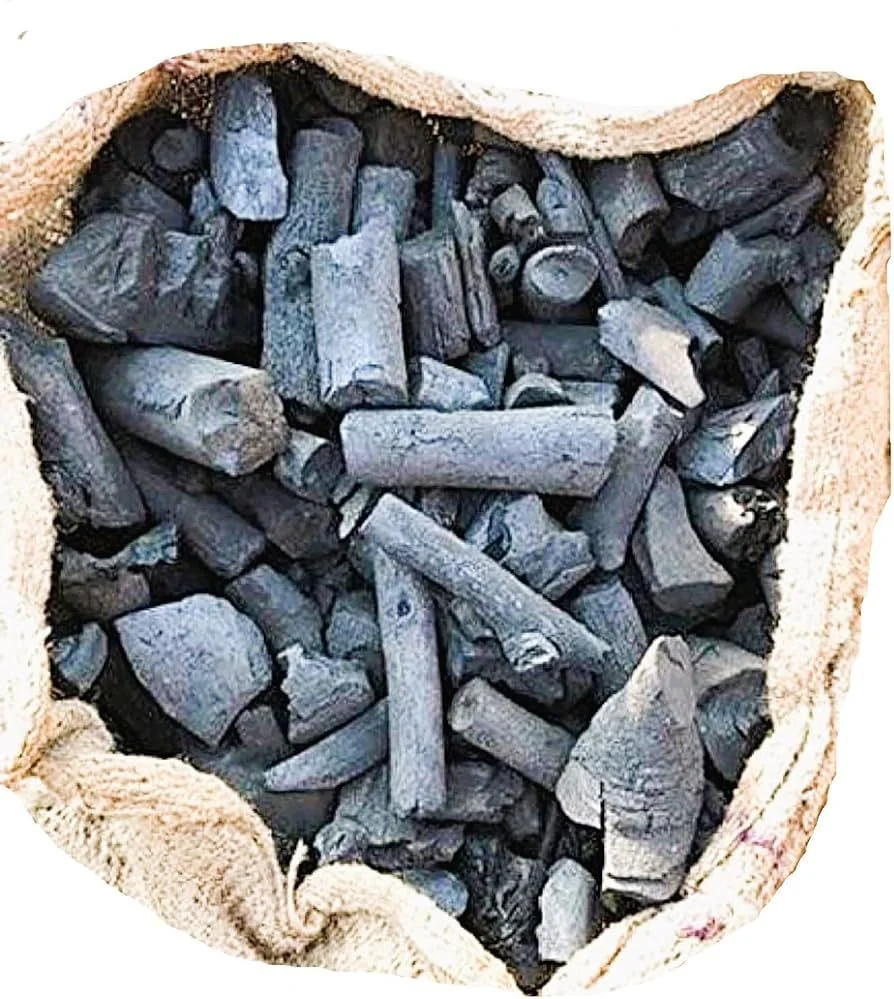
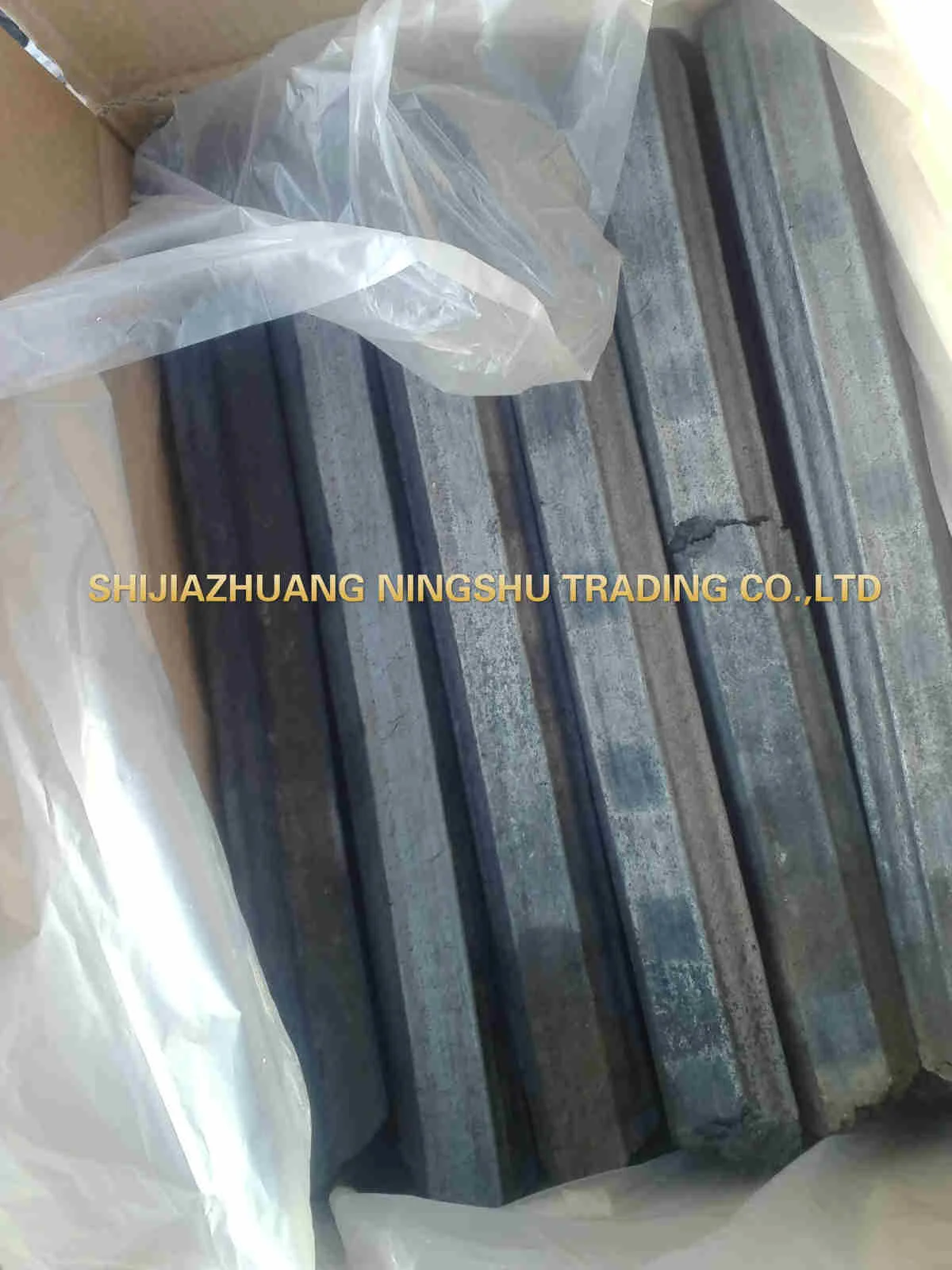
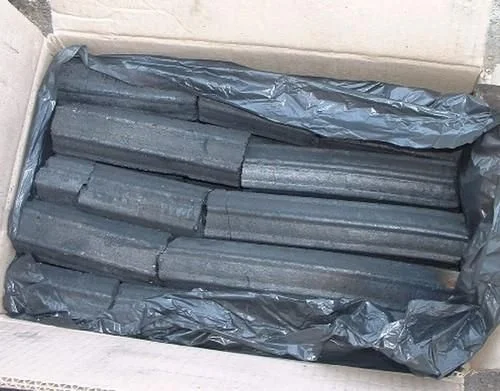
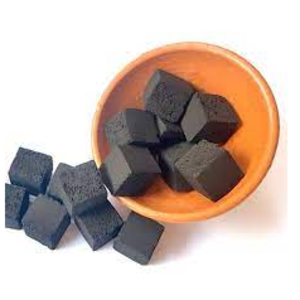
The company is based in Indonesia and currently lists six active products across three broad groups: charcoal briquettes, assorted nuts and seeds, and marine plant material. The catalogue includes Coconut Charcoal Briquette, Cashew Nut, Nutmeg, Copra (Asalan), Candlenut (cut into pieces), and Seaweed Cottonii. Each product is identified by its generic name without further specification of grade or size. The listed categories correspond to HS chapter 44 for charcoal, chapter 08 for nuts and spices, and chapter 12 for seaweed. This structure reflects a focused product portfolio rather than a diversified manufacturing line.

Indonesia’s export profile for these commodities typically aligns with global demand for energy‑dense charcoal, snack‑type nuts, culinary spices, vegetable oil feedstock, and seaweed for food or hydrocolloid applications. The supplier’s catalogue does not provide detailed specifications such as moisture content for charcoal or kernel size for cashews, leaving those parameters to be clarified during the sourcing process. The presence of both whole and cut forms of candlenut indicates flexibility in processing. While the company’s trust tier is listed as “harbor,” no additional corporate history or capacity figures are supplied. Potential buyers must therefore rely on product data sheets and sample testing to confirm suitability.

Product Range and Specialties of CV. Indo Coco Nucifera

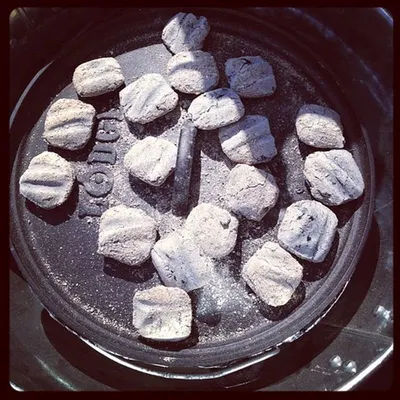
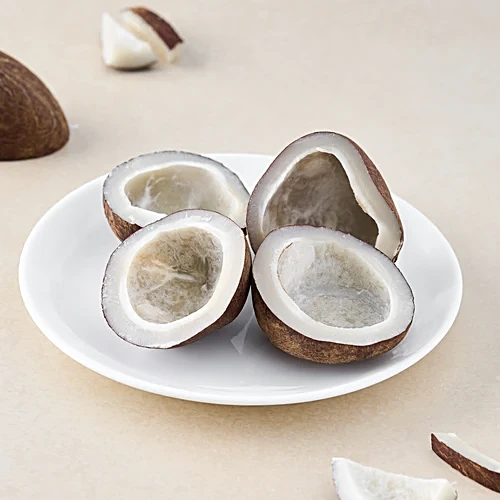
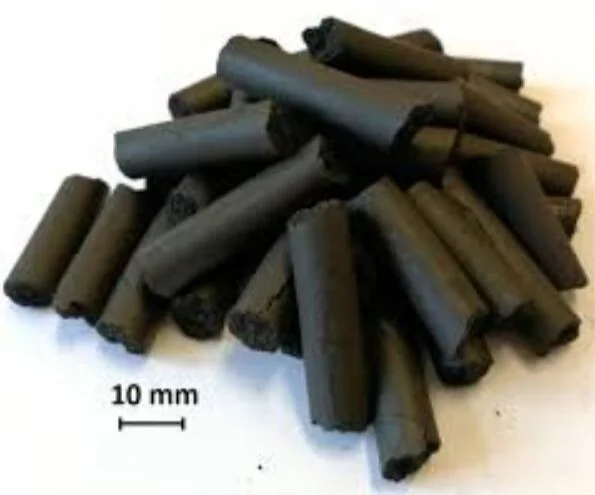
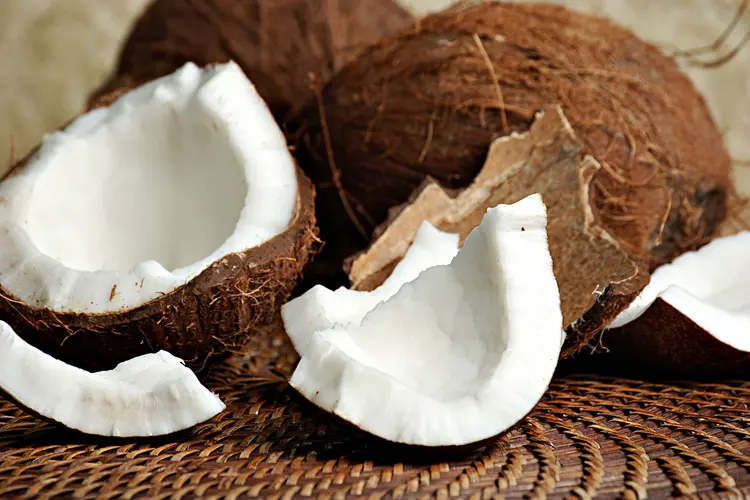
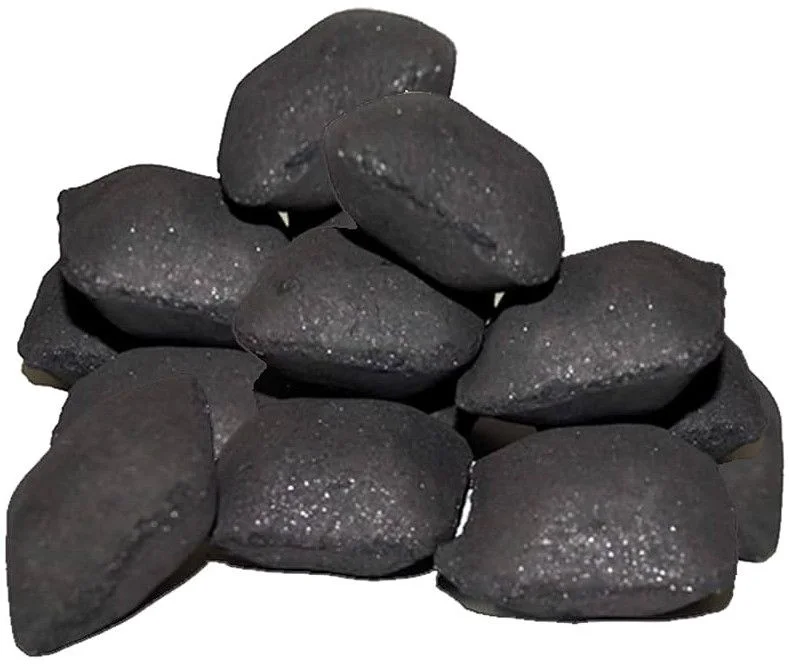
The listed items cover three commodity families. Coconut charcoal briquettes are commonly produced in dimensions of 500 mm × 300 mm × 150 mm and graded by bulk density (typically 0.45 - 0.55 t/m³) and ash content (often below 5 %). Cashew nuts and candlenuts are usually sorted by kernel size (e.g., 12 mm ± 2 mm) and moisture level (≤ 5 %). Nutmeg is traded in whole seed form, with ICUMSA‑type color grades rarely applied but oil content (≈ 5‑6 %) being a key quality metric. Copra (Asalan) is a dried coconut kernel used for oil extraction; standard export grades specify moisture ≤ 6 % and free fatty acid content below 2 %. Seaweed Cottonii, a type of red algae, is dried and packed in bulk bags, with ash content around 15‑20 % and a typical moisture of 8‑10 %. Buyers familiar with these categories expect compliance with these industry benchmarks, which can be confirmed through laboratory reports.

Trade and Export Information - CV. Indo Coco Nucifera

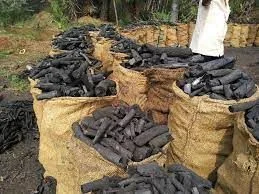
Indonesia is a major exporter of coconut‑derived charcoal, nut products, and seaweed, supplying markets in Southeast Asia, the Middle East, and Europe. Charcoal briquettes fall under HS 4401, nuts under HS 0801‑0802, nutmeg under HS 0908, copra under HS 1201, and seaweed under HS 1211. Importers often require phytosanitary certificates, fumigation statements for nuts, and a certificate of origin to qualify for preferential tariffs under the ASEAN‑EU Free Trade Agreement. Typical packaging includes 25 kg polypropylene bags for charcoal, 10 - 20 kg jute or woven bags for nuts, 25 kg bulk bags for copra, and 20 kg moisture‑proof bags for seaweed. Freight is commonly arranged on 20‑ft or 40‑ft containers using CIF or FOB terms, with temperature‑controlled containers rarely needed for these dry goods. Export documentation generally includes commercial invoice, packing list, bill of lading, and any required sanitary certificates.

Sourcing from CV. Indo Coco Nucifera - Buyer Guidance

When evaluating CV. Indo Coco Nucifera, buyers should request product specifications sheets that detail bulk density, moisture, ash content, and any pesticide residue limits for the nuts and seaweed. Laboratory test reports conforming to ISO 22000 or HACCP standards are typical for food‑grade nuts and spices, while charcoal buyers often request calorific value (MJ/kg) and ash percentage. A phytosanitary certificate issued by the Indonesian Ministry of Agriculture is standard for cashew, candlenut, and nutmeg shipments. Verify that the supplier can provide a certificate of origin and, if applicable, a free‑sale certificate for the destination market. Prior to full order placement, obtaining a small sample (e.g., 5 kg of charcoal or 2 kg of nuts) for independent testing helps confirm compliance with the buyer’s quality criteria.

Frequently Asked Questions About CV. Indo Coco Nucifera

What HS codes are applicable to the products listed by CV. Indo Coco Nucifera?

Charcoal briquettes are classified under HS 4401, cashew nuts and candlenuts under HS 0801‑0802, nutmeg under HS 0908, copra (Asalan) under HS 1201, and Seaweed Cottonii under HS 1211. These codes are used for customs declaration and duty assessment.

Which quality parameters should I verify for coconut charcoal briquettes?

Typical parameters include bulk density (0.45 - 0.55 t/m³), ash content (≤ 5 %), calorific value (≈ 30 MJ/kg), and moisture (≤ 8 %). Request a lab report confirming these values.

What certifications are commonly required for the nut products?

Buyers usually ask for HACCP or ISO 22000 compliance, a phytosanitary certificate, and pesticide residue test results that meet EU or US limits. These should be provided before shipment.

What is the usual packaging for copra (Asalan) and seaweed?

Copra is generally packed in 25 kg polypropylene bags, while seaweed is shipped in 20 kg moisture‑resistant bulk bags. Both are stacked on pallets for container loading.

What are the typical minimum order quantities (MOQ) for these items?

MOQs vary by product: charcoal briquettes often start at one 20‑ft container (≈ 12 tons), nuts may be ordered from 2 tons upward, and seaweed from 1 ton. Exact figures must be confirmed with the supplier.

Which Incoterms are most frequently used for shipments from Indonesia?

FOB Jakarta Port and CIF to the buyer’s destination are the most common terms. Buyers should confirm the preferred Incoterm during contract negotiation.

How can I request a sample before placing a full order?

Contact the supplier with the specific product name, desired sample weight (e.g., 5 kg of charcoal or 2 kg of cashew), and the intended testing standards. Shipping costs for samples are typically borne by the buyer.

What documentation should accompany the shipment for customs clearance?

A commercial invoice, packing list, bill of lading, certificate of origin, phytosanitary certificate (for nuts), and any applicable sanitary or quality certificates are standard documents required for clearance.


Featured Products from this Supplier

Other Suppliers in Primary Category

Top Trusted Suppliers

Related Products

Trending in Parent Category

More Suppliers in Category

Related Products

Other Suppliers

EximNext
58.4K+ live requirements
Register Free🎁 5 free buy-lead credits
Post Requirement
🌍 Trusted by 224.4K+ businesses in 200+ countries|
58.4K+ active requirements right now
✉️ [email protected]
|
Sell on EximNextPost Requirement
EximNext
AgricultureApparelConstructionElectronicFoodHomeIndustrialMineralsMiscellaneous
🔥 Deals|✨ AI Match|🏭 Suppliers|📋 Buy Leads|💰 Trade Finance|⭐ Upgrade
58.4K+ live RFQs·194.4K+ suppliers
🎁 5 free credits →
EximNext
EximNext
Register Free
🎁 5 free buy-lead credits
Sign In
📋Post Requirement💬Get QuotesAI Match📋RFQ Marketplace
All Categories
Services & Tools
🏭Supplier Directory🔥Today's Deals💰Trade FinanceMembership
Sell on EximNext
AboutContactBlogHelp
🏭

CV. Indo Coco Nucifera

Harbor
Country flag , Indonesia
🛡️
54/100
Trust Score

CV. Indo Coco Nucifera Product Catalog

Showing 6 of 6 products
View all products →
Cashew Nut
Harbor
Cashew Nut
Contact
MOQ: 1 Unit
Nutmeg
Harbor
Nutmeg
Contact
MOQ: 1 Unit
Copra (Asalan)
Harbor
Copra (Asalan)
Contact
MOQ: 1 Unit
Candlenut (Asalan - cut into pieces)
Harbor
Candlenut (Asalan - cut into pieces)
Contact
MOQ: 1 Unit
Seaweed Cottonii
Harbor
Seaweed Cottonii
Contact
MOQ: 1 Unit
Coconut Charcoal Briquette
Harbor
Coconut Charcoal Briquette
Contact
MOQ: 1 Unit

About CV. Indo Coco Nucifera - Charcoal Briquette Supplier in Indonesia

The company is based in Indonesia and currently lists six active products across three broad groups: charcoal briquettes, assorted nuts and seeds, and marine plant material. The catalogue includes Coconut Charcoal Briquette, Cashew Nut, Nutmeg, Copra (Asalan), Candlenut (cut into pieces), and Seaweed Cottonii. Each product is identified by its generic name without further specification of grade or size. The listed categories correspond to HS chapter 44 for charcoal, chapter 08 for nuts and spices, and chapter 12 for seaweed. This structure reflects a focused product portfolio rather than a diversified manufacturing line.

Indonesia’s export profile for these commodities typically aligns with global demand for energy‑dense charcoal, snack‑type nuts, culinary spices, vegetable oil feedstock, and seaweed for food or hydrocolloid applications. The supplier’s catalogue does not provide detailed specifications such as moisture content for charcoal or kernel size for cashews, leaving those parameters to be clarified during the sourcing process. The presence of both whole and cut forms of candlenut indicates flexibility in processing. While the company’s trust tier is listed as “harbor,” no additional corporate history or capacity figures are supplied. Potential buyers must therefore rely on product data sheets and sample testing to confirm suitability.

Product Range and Specialties of CV. Indo Coco Nucifera

The listed items cover three commodity families. Coconut charcoal briquettes are commonly produced in dimensions of 500 mm × 300 mm × 150 mm and graded by bulk density (typically 0.45 - 0.55 t/m³) and ash content (often below 5 %). Cashew nuts and candlenuts are usually sorted by kernel size (e.g., 12 mm ± 2 mm) and moisture level (≤ 5 %). Nutmeg is traded in whole seed form, with ICUMSA‑type color grades rarely applied but oil content (≈ 5‑6 %) being a key quality metric. Copra (Asalan) is a dried coconut kernel used for oil extraction; standard export grades specify moisture ≤ 6 % and free fatty acid content below 2 %. Seaweed Cottonii, a type of red algae, is dried and packed in bulk bags, with ash content around 15‑20 % and a typical moisture of 8‑10 %. Buyers familiar with these categories expect compliance with these industry benchmarks, which can be confirmed through laboratory reports.

Trade and Export Information - CV. Indo Coco Nucifera

Indonesia is a major exporter of coconut‑derived charcoal, nut products, and seaweed, supplying markets in Southeast Asia, the Middle East, and Europe. Charcoal briquettes fall under HS 4401, nuts under HS 0801‑0802, nutmeg under HS 0908, copra under HS 1201, and seaweed under HS 1211. Importers often require phytosanitary certificates, fumigation statements for nuts, and a certificate of origin to qualify for preferential tariffs under the ASEAN‑EU Free Trade Agreement. Typical packaging includes 25 kg polypropylene bags for charcoal, 10 - 20 kg jute or woven bags for nuts, 25 kg bulk bags for copra, and 20 kg moisture‑proof bags for seaweed. Freight is commonly arranged on 20‑ft or 40‑ft containers using CIF or FOB terms, with temperature‑controlled containers rarely needed for these dry goods. Export documentation generally includes commercial invoice, packing list, bill of lading, and any required sanitary certificates.

Sourcing from CV. Indo Coco Nucifera - Buyer Guidance

When evaluating CV. Indo Coco Nucifera, buyers should request product specifications sheets that detail bulk density, moisture, ash content, and any pesticide residue limits for the nuts and seaweed. Laboratory test reports conforming to ISO 22000 or HACCP standards are typical for food‑grade nuts and spices, while charcoal buyers often request calorific value (MJ/kg) and ash percentage. A phytosanitary certificate issued by the Indonesian Ministry of Agriculture is standard for cashew, candlenut, and nutmeg shipments. Verify that the supplier can provide a certificate of origin and, if applicable, a free‑sale certificate for the destination market. Prior to full order placement, obtaining a small sample (e.g., 5 kg of charcoal or 2 kg of nuts) for independent testing helps confirm compliance with the buyer’s quality criteria.

Frequently Asked Questions About CV. Indo Coco Nucifera

What HS codes are applicable to the products listed by CV. Indo Coco Nucifera?

Charcoal briquettes are classified under HS 4401, cashew nuts and candlenuts under HS 0801‑0802, nutmeg under HS 0908, copra (Asalan) under HS 1201, and Seaweed Cottonii under HS 1211. These codes are used for customs declaration and duty assessment.

Which quality parameters should I verify for coconut charcoal briquettes?

Typical parameters include bulk density (0.45 - 0.55 t/m³), ash content (≤ 5 %), calorific value (≈ 30 MJ/kg), and moisture (≤ 8 %). Request a lab report confirming these values.

What certifications are commonly required for the nut products?

Buyers usually ask for HACCP or ISO 22000 compliance, a phytosanitary certificate, and pesticide residue test results that meet EU or US limits. These should be provided before shipment.

What is the usual packaging for copra (Asalan) and seaweed?

Copra is generally packed in 25 kg polypropylene bags, while seaweed is shipped in 20 kg moisture‑resistant bulk bags. Both are stacked on pallets for container loading.

What are the typical minimum order quantities (MOQ) for these items?

MOQs vary by product: charcoal briquettes often start at one 20‑ft container (≈ 12 tons), nuts may be ordered from 2 tons upward, and seaweed from 1 ton. Exact figures must be confirmed with the supplier.

Which Incoterms are most frequently used for shipments from Indonesia?

FOB Jakarta Port and CIF to the buyer’s destination are the most common terms. Buyers should confirm the preferred Incoterm during contract negotiation.

How can I request a sample before placing a full order?

Contact the supplier with the specific product name, desired sample weight (e.g., 5 kg of charcoal or 2 kg of cashew), and the intended testing standards. Shipping costs for samples are typically borne by the buyer.

What documentation should accompany the shipment for customs clearance?

A commercial invoice, packing list, bill of lading, certificate of origin, phytosanitary certificate (for nuts), and any applicable sanitary or quality certificates are standard documents required for clearance.

About CV. Indo Coco Nucifera - Charcoal Briquette Supplier in Indonesia

The company is based in Indonesia and currently lists six active products across three broad groups: charcoal briquettes, assorted nuts and seeds, and marine plant material. The catalogue includes Coconut Charcoal Briquette, Cashew Nut, Nutmeg, Copra (Asalan), Candlenut (cut into pieces), and Seaweed Cottonii. Each product is identified by its generic name without further specification of grade or size. The listed categories correspond to HS chapter 44 for charcoal, chapter 08 for nuts and spices, and chapter 12 for seaweed. This structure reflects a focused product portfolio rather than a diversified manufacturing line.

Indonesia’s export profile for these commodities typically aligns with global demand for energy‑dense charcoal, snack‑type nuts, culinary spices, vegetable oil feedstock, and seaweed for food or hydrocolloid applications. The supplier’s catalogue does not provide detailed specifications such as moisture content for charcoal or kernel size for cashews, leaving those parameters to be clarified during the sourcing process. The presence of both whole and cut forms of candlenut indicates flexibility in processing. While the company’s trust tier is listed as “harbor,” no additional corporate history or capacity figures are supplied. Potential buyers must therefore rely on product data sheets and sample testing to confirm suitability.

Product Range and Specialties of CV. Indo Coco Nucifera

The listed items cover three commodity families. Coconut charcoal briquettes are commonly produced in dimensions of 500 mm × 300 mm × 150 mm and graded by bulk density (typically 0.45 - 0.55 t/m³) and ash content (often below 5 %). Cashew nuts and candlenuts are usually sorted by kernel size (e.g., 12 mm ± 2 mm) and moisture level (≤ 5 %). Nutmeg is traded in whole seed form, with ICUMSA‑type color grades rarely applied but oil content (≈ 5‑6 %) being a key quality metric. Copra (Asalan) is a dried coconut kernel used for oil extraction; standard export grades specify moisture ≤ 6 % and free fatty acid content below 2 %. Seaweed Cottonii, a type of red algae, is dried and packed in bulk bags, with ash content around 15‑20 % and a typical moisture of 8‑10 %. Buyers familiar with these categories expect compliance with these industry benchmarks, which can be confirmed through laboratory reports.

Trade and Export Information - CV. Indo Coco Nucifera

Indonesia is a major exporter of coconut‑derived charcoal, nut products, and seaweed, supplying markets in Southeast Asia, the Middle East, and Europe. Charcoal briquettes fall under HS 4401, nuts under HS 0801‑0802, nutmeg under HS 0908, copra under HS 1201, and seaweed under HS 1211. Importers often require phytosanitary certificates, fumigation statements for nuts, and a certificate of origin to qualify for preferential tariffs under the ASEAN‑EU Free Trade Agreement. Typical packaging includes 25 kg polypropylene bags for charcoal, 10 - 20 kg jute or woven bags for nuts, 25 kg bulk bags for copra, and 20 kg moisture‑proof bags for seaweed. Freight is commonly arranged on 20‑ft or 40‑ft containers using CIF or FOB terms, with temperature‑controlled containers rarely needed for these dry goods. Export documentation generally includes commercial invoice, packing list, bill of lading, and any required sanitary certificates.

Sourcing from CV. Indo Coco Nucifera - Buyer Guidance

When evaluating CV. Indo Coco Nucifera, buyers should request product specifications sheets that detail bulk density, moisture, ash content, and any pesticide residue limits for the nuts and seaweed. Laboratory test reports conforming to ISO 22000 or HACCP standards are typical for food‑grade nuts and spices, while charcoal buyers often request calorific value (MJ/kg) and ash percentage. A phytosanitary certificate issued by the Indonesian Ministry of Agriculture is standard for cashew, candlenut, and nutmeg shipments. Verify that the supplier can provide a certificate of origin and, if applicable, a free‑sale certificate for the destination market. Prior to full order placement, obtaining a small sample (e.g., 5 kg of charcoal or 2 kg of nuts) for independent testing helps confirm compliance with the buyer’s quality criteria.

Frequently Asked Questions About CV. Indo Coco Nucifera
What HS codes are applicable to the products listed by CV. Indo Coco Nucifera?
Charcoal briquettes are classified under HS 4401, cashew nuts and candlenuts under HS 0801‑0802, nutmeg under HS 0908, copra (Asalan) under HS 1201, and Seaweed Cottonii under HS 1211. These codes are used for customs declaration and duty assessment.
Which quality parameters should I verify for coconut charcoal briquettes?
Typical parameters include bulk density (0.45 - 0.55 t/m³), ash content (≤ 5 %), calorific value (≈ 30 MJ/kg), and moisture (≤ 8 %). Request a lab report confirming these values.
What certifications are commonly required for the nut products?
Buyers usually ask for HACCP or ISO 22000 compliance, a phytosanitary certificate, and pesticide residue test results that meet EU or US limits. These should be provided before shipment.
What is the usual packaging for copra (Asalan) and seaweed?
Copra is generally packed in 25 kg polypropylene bags, while seaweed is shipped in 20 kg moisture‑resistant bulk bags. Both are stacked on pallets for container loading.
What are the typical minimum order quantities (MOQ) for these items?
MOQs vary by product: charcoal briquettes often start at one 20‑ft container (≈ 12 tons), nuts may be ordered from 2 tons upward, and seaweed from 1 ton. Exact figures must be confirmed with the supplier.
Which Incoterms are most frequently used for shipments from Indonesia?
FOB Jakarta Port and CIF to the buyer’s destination are the most common terms. Buyers should confirm the preferred Incoterm during contract negotiation.
How can I request a sample before placing a full order?
Contact the supplier with the specific product name, desired sample weight (e.g., 5 kg of charcoal or 2 kg of cashew), and the intended testing standards. Shipping costs for samples are typically borne by the buyer.
What documentation should accompany the shipment for customs clearance?
A commercial invoice, packing list, bill of lading, certificate of origin, phytosanitary certificate (for nuts), and any applicable sanitary or quality certificates are standard documents required for clearance.

🏭
CV. Indo Coco Nucifera
Country flag , Indonesia
Harbor
54/100
Trust Score
📦
6
Products
Free to contact — no commission
Escrow payment available
Verified business identity
Compare more suppliers
Post a requirement — get 10 quotes free
Let verified suppliers compete for your business. Free, fast, no commitment.
EximNext Verified Supplier
Business identity verified
Physical address confirmed
Financial history checked
Certifications authenticated
Trade references validated
Due Diligence
Verify this supplier's real shipping history.
Every shipment, every buyer, every port. Trade data that can't be faked.
Run due diligence →
Discover More

Related Suppliers & Products

Explore similar suppliers, related products and trending categories

Featured Products from this Supplier

Other Suppliers in Primary Category

Top Trusted Suppliers

Related Products

Trending in Parent Category

More Suppliers in Category

Stay ahead in global trade
Weekly market insights & new supplier alerts.
EximNext
Exim Next is a leading global B2B marketplace, connecting over 205,000 verified suppliers and buyers across 200+ countries. As a trusted import export marketplace, it serves as the essential B2B portal for businesses worldwide, empowering them to expand their international reach. With Exim Next, businesses can trade smarter and grow faster.
SECURE PAYMENTS
VISAMastercardPayPalSWIFTL/CEscrow
Follow us
© 2026 EximNext