Cv.Cahaya Makmur — Verified Supplier

About Cv.Cahaya Makmur - Fertilizers Supplier in Indonesia

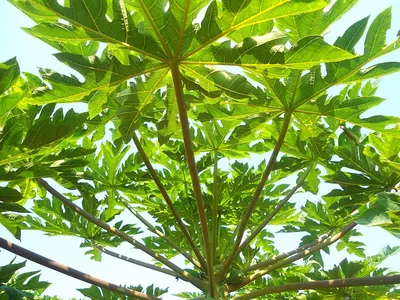
Cv.Cahaya Makmur operates from Indonesia and currently lists nine active products across its catalogue. The company’s portfolio spans fertilizers, mineral amendments, food ingredients and fresh horticultural produce, reflecting a diversified export focus. Each product is recorded under the relevant top‑category such as Fertilizers, Dolomite, Moringa Seeds, Calcium Carbonate, Salt, Fruit Pulp and Fresh Vegetables. The active product count of nine includes both raw materials and processed items, providing a concise yet varied offering for international buyers.

The catalogue specifies Soursop Leaves, Dolomite (HS 2518.10, material Calcium Magnesium Carbonate CaMg(CO3)2), Compost Fertilizer Basic From Cow’s Waste, Moringa seeds, Kiserite Fertilizer, Calcium Carbonate (HS 2836.50, material Calcium Carbonate CaCO3), Coarse salt, Soursop Pulp and Yellow Taro. The two products with HS codes belong to the mineral‑chemical HS families 2518 and 2836, which are commonly used for bulk mineral exports. The remaining items are listed without HS codes, indicating they may be classified under broader agricultural or food HS chapters. This factual spread shows the supplier’s activity in both agricultural inputs and food‑grade commodities.

Product Range and Specialties of Cv.Cahaya Makmur

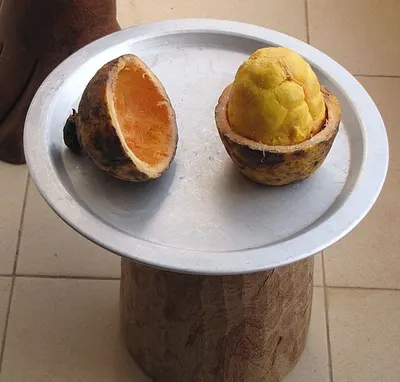
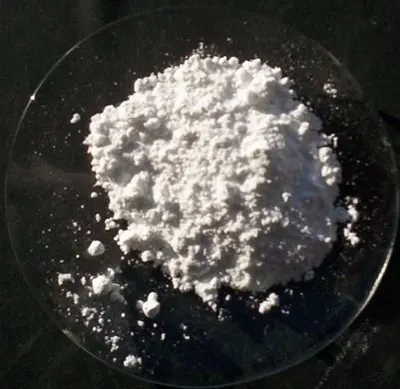
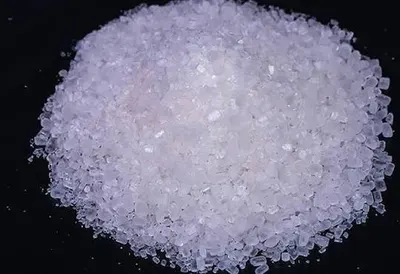
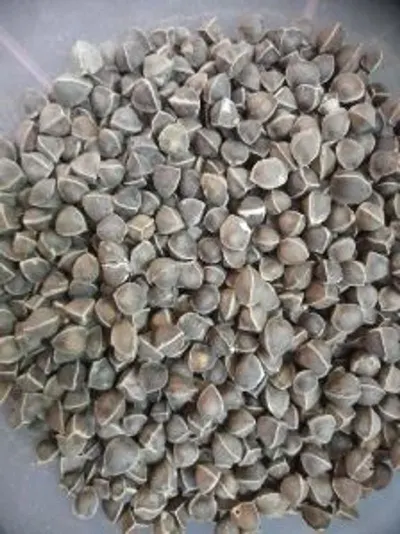
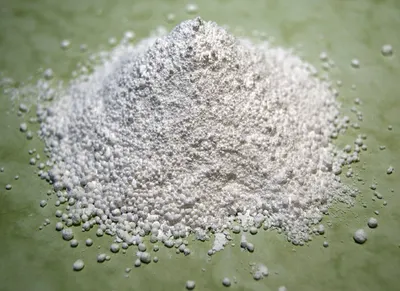
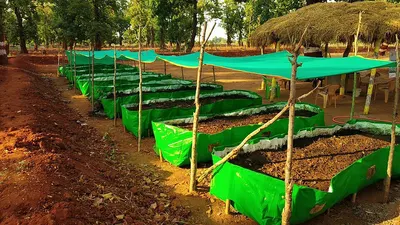
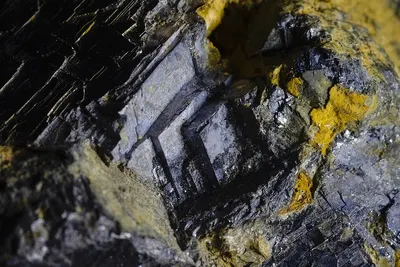
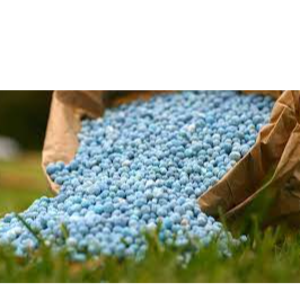
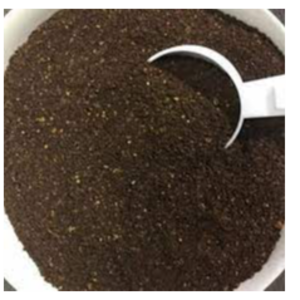
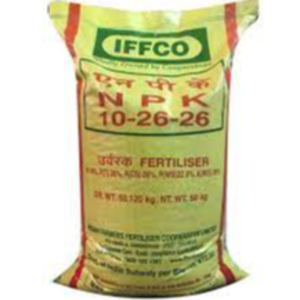
The fertilizer segment includes a basic compost derived from cow waste and a Kiserite formulation, both typical of organic‑soil amendments used in Southeast Asian and African agriculture. Compost fertilizers are usually measured by total nitrogen, phosphorus and potassium (N‑P‑K) percentages, with common grades such as 5‑5‑5 or 8‑10‑8. Kiserite fertilizers are high‑potassium products, often containing 40‑45 % K₂O and used for fruit‑tree nutrition. Dolomite is supplied as calcium magnesium carbonate, a soil pH‑adjusting agent that generally meets a purity of 95‑98 % and a granule size of 1‑5 mm. Calcium carbonate is offered in a mineral form that frequently exceeds 99 % purity and is used in construction, pharma and food applications. Coarse salt typically conforms to a grain size of 2‑5 mm and a moisture content below 0.5 %. The fruit pulp category features Soursop pulp, which is usually frozen at - 18 °C with a moisture level around 80 % and packed in 20 kg blocks. Fresh produce includes Yellow Taro, a tuber classified under HS 0704, commonly shipped in ventilated cartons of 10‑20 kg each. Moringa seeds are supplied for oil extraction, a commodity where seed oil content averages 40‑45 % and seed size ranges from 2‑4 mm.

Trade and Export Information - Cv.Cahaya Makmur

Indonesia is a major exporter of agricultural inputs such as fertilizers and mineral amendments, with bulk shipments typically handled in 20‑ft or 40‑ft containers and in bulk bags for dolomite and calcium carbonate. Buyers in Southeast Asia, the Middle East and East Africa frequently import these mineral products under HS 2518 and HS 2836, requiring phytosanitary certificates for any organic material and a Certificate of Origin for tariff preferences. Food‑grade items like Soursop pulp and Moringa seeds are subject to HACCP or ISO 22000 standards, and importers often request a free‑sale certificate and laboratory analysis for pesticide residues. Fresh vegetables such as Yellow Taro are regulated by the importing country’s plant health authority and usually need a phytosanitary inspection and a pre‑export quarantine. Common certifications requested by buyers include ISO 9001 for quality management, GMP for food safety, and organic certification where applicable. Logistics from Indonesian ports generally involve FCL shipments, with typical loading rates of 22‑24 metric tonnes per 20‑ft container for bulk minerals and 18‑20 metric tonnes for frozen fruit pulp.

Sourcing from Cv.Cahaya Makmur - Buyer Guidance

When sourcing from Cv.Cahaya Makmur, buyers should request a recent analysis report for the compost fertilizer (N‑P‑K values, heavy‑metal limits) and a material safety data sheet for both dolomite and calcium carbonate, confirming purity and moisture specifications. For the mineral products, an ISO 9001 or equivalent quality system certificate helps verify consistent production, while a third‑party laboratory certificate for metal content is standard practice. Food items such as Soursop pulp and Moringa seeds should be accompanied by HACCP or ISO 22000 compliance documents, a pesticide residue test report, and a certificate of analysis indicating moisture and Brix levels. Fresh Yellow Taro requires a phytosanitary certificate, a plant health declaration, and, where applicable, a certificate of origin to meet regional tariff rules. Buyers are advised to sample a minimum of 500 kg per product to verify physical attributes (granule size, moisture) before confirming a full‑scale order.

Frequently Asked Questions About Cv.Cahaya Makmur

What HS codes are used for Cv.Cahaya Makmur’s mineral products?

Dolomite is classified under HS 2518.10 and Calcium Carbonate under HS 2836.50, both belonging to the mineral‑chemical chapter for carbonates and oxides.

Which quality documents should a buyer request for the compost fertilizer?

Request a recent fertilizer analysis showing N‑P‑K percentages, heavy‑metal limits, and a material safety data sheet; an ISO 9001 certificate is also commonly requested.

Are phytosanitary certificates required for the fresh Yellow Taro?

Yes, most importing countries require a phytosanitary certificate and a plant health declaration for fresh tubers such as Yellow Taro.

What typical purity levels are expected for the calcium carbonate supplied?

Exporters usually provide calcium carbonate with a purity of 99 % or higher, moisture below 0.5 % and particle size in the 0‑5 mm range.

How is Soursop pulp normally packaged for export?

The pulp is generally frozen at - 18 °C, packed in 20 kg insulated boxes or bulk frozen pallets, and shipped in a 20‑ft container with a net weight of about 18‑20 metric tonnes.

What certifications are commonly required for Moringa seeds?

Buyers typically ask for HACCP or ISO 22000 compliance, a pesticide residue test report, and a certificate of analysis indicating oil content and moisture level.

What container size is standard for bulk dolomite shipments?

Dolomite is usually loaded in 20‑ft or 40‑ft containers, with a typical payload of 22‑24 metric tonnes per 20‑ft container.

Which documents confirm the origin of the products?

A certificate of origin issued by the Indonesian trade authority, together with a commercial invoice, validates the country of export for tariff and compliance purposes.


Other Suppliers in Fertilizers

Top Trusted Suppliers

Related Products in Fertilizers

Trending in Parent Category

More Suppliers in Parent Category

Related Products

Other Suppliers

EximNext
58.4K+ live requirements
Register Free🎁 5 free buy-lead credits
Post Requirement
🌍 Trusted by 224.4K+ businesses in 200+ countries|
58.4K+ active requirements right now
✉️ [email protected]
|
Sell on EximNextPost Requirement
EximNext
AgricultureApparelConstructionElectronicFoodHomeIndustrialMineralsMiscellaneous
🔥 Deals|✨ AI Match|🏭 Suppliers|📋 Buy Leads|💰 Trade Finance|⭐ Upgrade
58.4K+ live RFQs·194.4K+ suppliers
🎁 5 free credits →
EximNext
EximNext
Register Free
🎁 5 free buy-lead credits
Sign In
📋Post Requirement💬Get QuotesAI Match📋RFQ Marketplace
All Categories
Services & Tools
🏭Supplier Directory🔥Today's Deals💰Trade FinanceMembership
Sell on EximNext
AboutContactBlogHelp
🏭

Cv.Cahaya Makmur

Harbor
Country flag , Indonesia
🛡️
56/100
Trust Score

Cv.Cahaya Makmur Product Catalog

Showing 9 of 9 products
View all products →
Yellow Taro
Harbor
Yellow Taro
Contact
MOQ: 1 Unit
Soursop Pulp
Harbor
Soursop Pulp
Contact
MOQ: 1 Unit
Calcium Carbonate
Harbor
Calcium Carbonate
Contact
MOQ: 1 Unit
Coarse salt
Harbor
Coarse salt
Contact
MOQ: 1 Unit
Moringa seeds
Harbor
Moringa seeds
Contact
MOQ: 1 Unit
Kiserite Fertilizer
Harbor
Kiserite Fertilizer
Contact
MOQ: 1 Unit
Compost Fertilizer Basic From Cow's Waste
Harbor
Compost Fertilizer Basic From Cow's Waste
Contact
MOQ: 1 Unit
Dolomite
Harbor
Dolomite
Contact
MOQ: 1 Unit
Soursop Leaves
Harbor
Soursop Leaves
Contact
MOQ: 1 Unit

About Cv.Cahaya Makmur - Fertilizers Supplier in Indonesia

Cv.Cahaya Makmur operates from Indonesia and currently lists nine active products across its catalogue. The company’s portfolio spans fertilizers, mineral amendments, food ingredients and fresh horticultural produce, reflecting a diversified export focus. Each product is recorded under the relevant top‑category such as Fertilizers, Dolomite, Moringa Seeds, Calcium Carbonate, Salt, Fruit Pulp and Fresh Vegetables. The active product count of nine includes both raw materials and processed items, providing a concise yet varied offering for international buyers.

The catalogue specifies Soursop Leaves, Dolomite (HS 2518.10, material Calcium Magnesium Carbonate CaMg(CO3)2), Compost Fertilizer Basic From Cow’s Waste, Moringa seeds, Kiserite Fertilizer, Calcium Carbonate (HS 2836.50, material Calcium Carbonate CaCO3), Coarse salt, Soursop Pulp and Yellow Taro. The two products with HS codes belong to the mineral‑chemical HS families 2518 and 2836, which are commonly used for bulk mineral exports. The remaining items are listed without HS codes, indicating they may be classified under broader agricultural or food HS chapters. This factual spread shows the supplier’s activity in both agricultural inputs and food‑grade commodities.

Product Range and Specialties of Cv.Cahaya Makmur

The fertilizer segment includes a basic compost derived from cow waste and a Kiserite formulation, both typical of organic‑soil amendments used in Southeast Asian and African agriculture. Compost fertilizers are usually measured by total nitrogen, phosphorus and potassium (N‑P‑K) percentages, with common grades such as 5‑5‑5 or 8‑10‑8. Kiserite fertilizers are high‑potassium products, often containing 40‑45 % K₂O and used for fruit‑tree nutrition. Dolomite is supplied as calcium magnesium carbonate, a soil pH‑adjusting agent that generally meets a purity of 95‑98 % and a granule size of 1‑5 mm. Calcium carbonate is offered in a mineral form that frequently exceeds 99 % purity and is used in construction, pharma and food applications. Coarse salt typically conforms to a grain size of 2‑5 mm and a moisture content below 0.5 %. The fruit pulp category features Soursop pulp, which is usually frozen at - 18 °C with a moisture level around 80 % and packed in 20 kg blocks. Fresh produce includes Yellow Taro, a tuber classified under HS 0704, commonly shipped in ventilated cartons of 10‑20 kg each. Moringa seeds are supplied for oil extraction, a commodity where seed oil content averages 40‑45 % and seed size ranges from 2‑4 mm.

Trade and Export Information - Cv.Cahaya Makmur

Indonesia is a major exporter of agricultural inputs such as fertilizers and mineral amendments, with bulk shipments typically handled in 20‑ft or 40‑ft containers and in bulk bags for dolomite and calcium carbonate. Buyers in Southeast Asia, the Middle East and East Africa frequently import these mineral products under HS 2518 and HS 2836, requiring phytosanitary certificates for any organic material and a Certificate of Origin for tariff preferences. Food‑grade items like Soursop pulp and Moringa seeds are subject to HACCP or ISO 22000 standards, and importers often request a free‑sale certificate and laboratory analysis for pesticide residues. Fresh vegetables such as Yellow Taro are regulated by the importing country’s plant health authority and usually need a phytosanitary inspection and a pre‑export quarantine. Common certifications requested by buyers include ISO 9001 for quality management, GMP for food safety, and organic certification where applicable. Logistics from Indonesian ports generally involve FCL shipments, with typical loading rates of 22‑24 metric tonnes per 20‑ft container for bulk minerals and 18‑20 metric tonnes for frozen fruit pulp.

Sourcing from Cv.Cahaya Makmur - Buyer Guidance

When sourcing from Cv.Cahaya Makmur, buyers should request a recent analysis report for the compost fertilizer (N‑P‑K values, heavy‑metal limits) and a material safety data sheet for both dolomite and calcium carbonate, confirming purity and moisture specifications. For the mineral products, an ISO 9001 or equivalent quality system certificate helps verify consistent production, while a third‑party laboratory certificate for metal content is standard practice. Food items such as Soursop pulp and Moringa seeds should be accompanied by HACCP or ISO 22000 compliance documents, a pesticide residue test report, and a certificate of analysis indicating moisture and Brix levels. Fresh Yellow Taro requires a phytosanitary certificate, a plant health declaration, and, where applicable, a certificate of origin to meet regional tariff rules. Buyers are advised to sample a minimum of 500 kg per product to verify physical attributes (granule size, moisture) before confirming a full‑scale order.

Frequently Asked Questions About Cv.Cahaya Makmur

What HS codes are used for Cv.Cahaya Makmur’s mineral products?

Dolomite is classified under HS 2518.10 and Calcium Carbonate under HS 2836.50, both belonging to the mineral‑chemical chapter for carbonates and oxides.

Which quality documents should a buyer request for the compost fertilizer?

Request a recent fertilizer analysis showing N‑P‑K percentages, heavy‑metal limits, and a material safety data sheet; an ISO 9001 certificate is also commonly requested.

Are phytosanitary certificates required for the fresh Yellow Taro?

Yes, most importing countries require a phytosanitary certificate and a plant health declaration for fresh tubers such as Yellow Taro.

What typical purity levels are expected for the calcium carbonate supplied?

Exporters usually provide calcium carbonate with a purity of 99 % or higher, moisture below 0.5 % and particle size in the 0‑5 mm range.

How is Soursop pulp normally packaged for export?

The pulp is generally frozen at - 18 °C, packed in 20 kg insulated boxes or bulk frozen pallets, and shipped in a 20‑ft container with a net weight of about 18‑20 metric tonnes.

What certifications are commonly required for Moringa seeds?

Buyers typically ask for HACCP or ISO 22000 compliance, a pesticide residue test report, and a certificate of analysis indicating oil content and moisture level.

What container size is standard for bulk dolomite shipments?

Dolomite is usually loaded in 20‑ft or 40‑ft containers, with a typical payload of 22‑24 metric tonnes per 20‑ft container.

Which documents confirm the origin of the products?

A certificate of origin issued by the Indonesian trade authority, together with a commercial invoice, validates the country of export for tariff and compliance purposes.

About Cv.Cahaya Makmur - Fertilizers Supplier in Indonesia

Cv.Cahaya Makmur operates from Indonesia and currently lists nine active products across its catalogue. The company’s portfolio spans fertilizers, mineral amendments, food ingredients and fresh horticultural produce, reflecting a diversified export focus. Each product is recorded under the relevant top‑category such as Fertilizers, Dolomite, Moringa Seeds, Calcium Carbonate, Salt, Fruit Pulp and Fresh Vegetables. The active product count of nine includes both raw materials and processed items, providing a concise yet varied offering for international buyers.

The catalogue specifies Soursop Leaves, Dolomite (HS 2518.10, material Calcium Magnesium Carbonate CaMg(CO3)2), Compost Fertilizer Basic From Cow’s Waste, Moringa seeds, Kiserite Fertilizer, Calcium Carbonate (HS 2836.50, material Calcium Carbonate CaCO3), Coarse salt, Soursop Pulp and Yellow Taro. The two products with HS codes belong to the mineral‑chemical HS families 2518 and 2836, which are commonly used for bulk mineral exports. The remaining items are listed without HS codes, indicating they may be classified under broader agricultural or food HS chapters. This factual spread shows the supplier’s activity in both agricultural inputs and food‑grade commodities.

Product Range and Specialties of Cv.Cahaya Makmur

The fertilizer segment includes a basic compost derived from cow waste and a Kiserite formulation, both typical of organic‑soil amendments used in Southeast Asian and African agriculture. Compost fertilizers are usually measured by total nitrogen, phosphorus and potassium (N‑P‑K) percentages, with common grades such as 5‑5‑5 or 8‑10‑8. Kiserite fertilizers are high‑potassium products, often containing 40‑45 % K₂O and used for fruit‑tree nutrition. Dolomite is supplied as calcium magnesium carbonate, a soil pH‑adjusting agent that generally meets a purity of 95‑98 % and a granule size of 1‑5 mm. Calcium carbonate is offered in a mineral form that frequently exceeds 99 % purity and is used in construction, pharma and food applications. Coarse salt typically conforms to a grain size of 2‑5 mm and a moisture content below 0.5 %. The fruit pulp category features Soursop pulp, which is usually frozen at - 18 °C with a moisture level around 80 % and packed in 20 kg blocks. Fresh produce includes Yellow Taro, a tuber classified under HS 0704, commonly shipped in ventilated cartons of 10‑20 kg each. Moringa seeds are supplied for oil extraction, a commodity where seed oil content averages 40‑45 % and seed size ranges from 2‑4 mm.

Trade and Export Information - Cv.Cahaya Makmur

Indonesia is a major exporter of agricultural inputs such as fertilizers and mineral amendments, with bulk shipments typically handled in 20‑ft or 40‑ft containers and in bulk bags for dolomite and calcium carbonate. Buyers in Southeast Asia, the Middle East and East Africa frequently import these mineral products under HS 2518 and HS 2836, requiring phytosanitary certificates for any organic material and a Certificate of Origin for tariff preferences. Food‑grade items like Soursop pulp and Moringa seeds are subject to HACCP or ISO 22000 standards, and importers often request a free‑sale certificate and laboratory analysis for pesticide residues. Fresh vegetables such as Yellow Taro are regulated by the importing country’s plant health authority and usually need a phytosanitary inspection and a pre‑export quarantine. Common certifications requested by buyers include ISO 9001 for quality management, GMP for food safety, and organic certification where applicable. Logistics from Indonesian ports generally involve FCL shipments, with typical loading rates of 22‑24 metric tonnes per 20‑ft container for bulk minerals and 18‑20 metric tonnes for frozen fruit pulp.

Sourcing from Cv.Cahaya Makmur - Buyer Guidance

When sourcing from Cv.Cahaya Makmur, buyers should request a recent analysis report for the compost fertilizer (N‑P‑K values, heavy‑metal limits) and a material safety data sheet for both dolomite and calcium carbonate, confirming purity and moisture specifications. For the mineral products, an ISO 9001 or equivalent quality system certificate helps verify consistent production, while a third‑party laboratory certificate for metal content is standard practice. Food items such as Soursop pulp and Moringa seeds should be accompanied by HACCP or ISO 22000 compliance documents, a pesticide residue test report, and a certificate of analysis indicating moisture and Brix levels. Fresh Yellow Taro requires a phytosanitary certificate, a plant health declaration, and, where applicable, a certificate of origin to meet regional tariff rules. Buyers are advised to sample a minimum of 500 kg per product to verify physical attributes (granule size, moisture) before confirming a full‑scale order.

Frequently Asked Questions About Cv.Cahaya Makmur
What HS codes are used for Cv.Cahaya Makmur’s mineral products?
Dolomite is classified under HS 2518.10 and Calcium Carbonate under HS 2836.50, both belonging to the mineral‑chemical chapter for carbonates and oxides.
Which quality documents should a buyer request for the compost fertilizer?
Request a recent fertilizer analysis showing N‑P‑K percentages, heavy‑metal limits, and a material safety data sheet; an ISO 9001 certificate is also commonly requested.
Are phytosanitary certificates required for the fresh Yellow Taro?
Yes, most importing countries require a phytosanitary certificate and a plant health declaration for fresh tubers such as Yellow Taro.
What typical purity levels are expected for the calcium carbonate supplied?
Exporters usually provide calcium carbonate with a purity of 99 % or higher, moisture below 0.5 % and particle size in the 0‑5 mm range.
How is Soursop pulp normally packaged for export?
The pulp is generally frozen at - 18 °C, packed in 20 kg insulated boxes or bulk frozen pallets, and shipped in a 20‑ft container with a net weight of about 18‑20 metric tonnes.
What certifications are commonly required for Moringa seeds?
Buyers typically ask for HACCP or ISO 22000 compliance, a pesticide residue test report, and a certificate of analysis indicating oil content and moisture level.
What container size is standard for bulk dolomite shipments?
Dolomite is usually loaded in 20‑ft or 40‑ft containers, with a typical payload of 22‑24 metric tonnes per 20‑ft container.
Which documents confirm the origin of the products?
A certificate of origin issued by the Indonesian trade authority, together with a commercial invoice, validates the country of export for tariff and compliance purposes.

🏭
Cv.Cahaya Makmur
Country flag , Indonesia
Harbor
56/100
Trust Score
📦
9
Products
Free to contact — no commission
Escrow payment available
Verified business identity
Compare more suppliers
Post a requirement — get 10 quotes free
Let verified suppliers compete for your business. Free, fast, no commitment.
EximNext Verified Supplier
Business identity verified
Physical address confirmed
Financial history checked
Certifications authenticated
Trade references validated
Due Diligence
Verify this supplier's real shipping history.
Every shipment, every buyer, every port. Trade data that can't be faked.
Run due diligence →
Discover More

Related Suppliers & Products

Explore similar suppliers, related products and trending categories

Other Suppliers in Fertilizers

Top Trusted Suppliers

Related Products in Fertilizers

Trending in Parent Category

More Suppliers in Parent Category

Stay ahead in global trade
Weekly market insights & new supplier alerts.
EximNext
Exim Next is a leading global B2B marketplace, connecting over 205,000 verified suppliers and buyers across 200+ countries. As a trusted import export marketplace, it serves as the essential B2B portal for businesses worldwide, empowering them to expand their international reach. With Exim Next, businesses can trade smarter and grow faster.
SECURE PAYMENTS
VISAMastercardPayPalSWIFTL/CEscrow
Follow us
© 2026 EximNext