Crafts Of Africa - Kenya — Verified Supplier
About Crafts Of Africa - Kenyan Wooden Products Supplier in Kenya
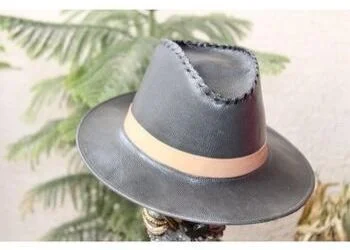
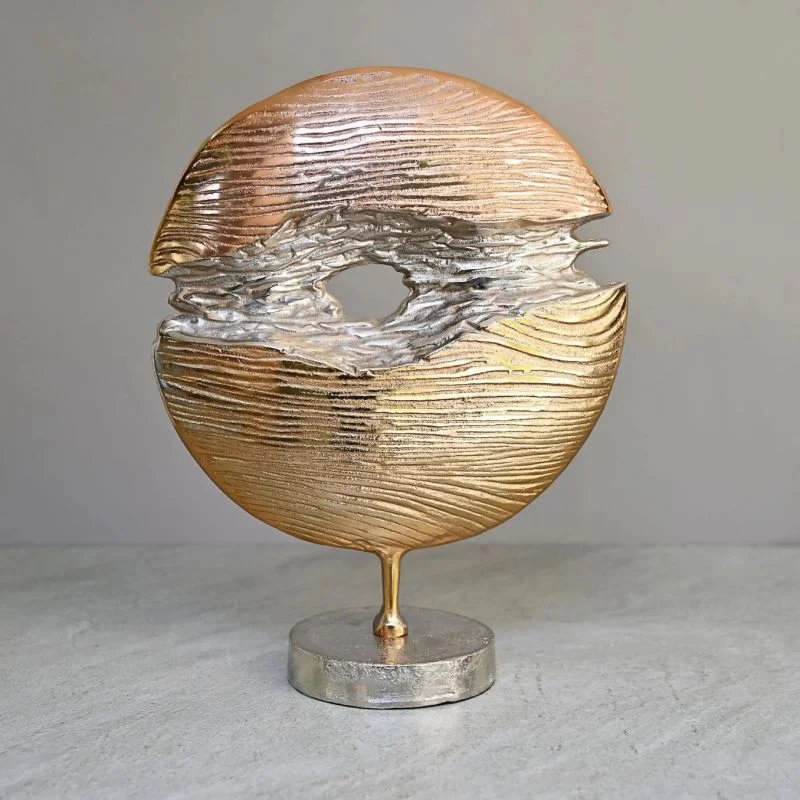
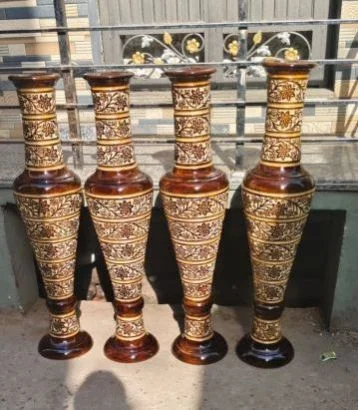
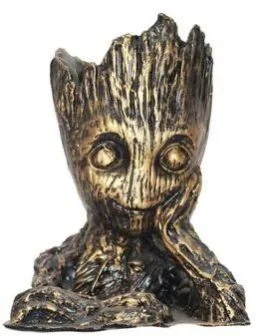
Crafts Of Africa operates out of Kenya in East Africa and currently lists 62 active products across its catalogue. The supplier’s portfolio is grouped under categories such as Wooden Products, Stone Products, Flower Pots and Vases, Serving Bowls, Handicrafts & Decorative items, Stationery, Serving Trays, and Hats and Caps. Each category includes a variety of handcrafted items that are produced by local artisans using traditional techniques. The catalogue reflects a focus on natural materials like acacia wood, soapstone, and baobab fiber. Export listings are organized under HS code families commonly used for handicrafts, for example 9503 for toys, 4202 for bags, and 4420‑4421 for wooden tableware.
Product Range and Specialties of Crafts Of Africa
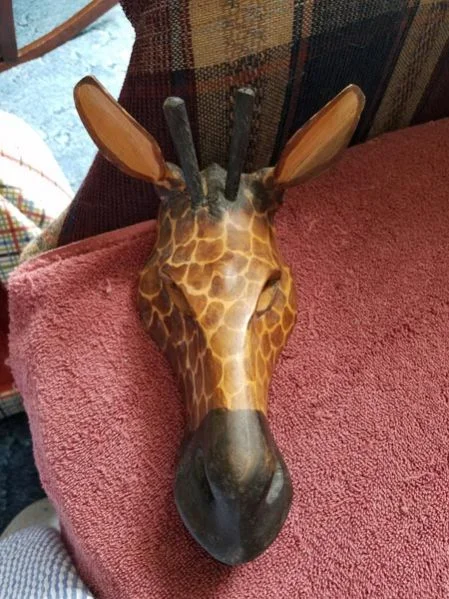
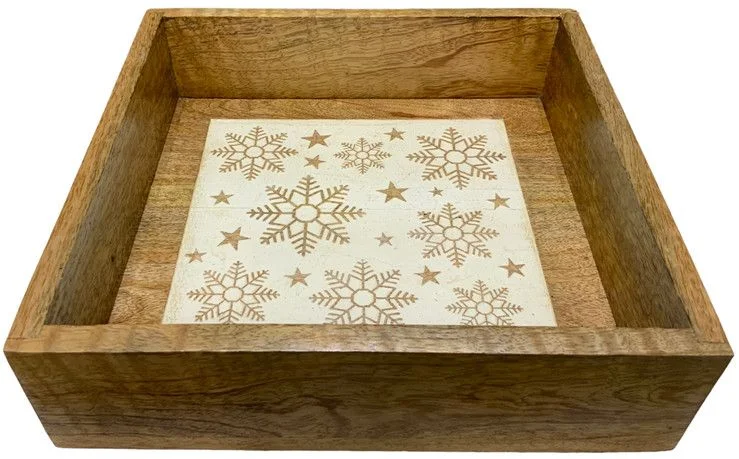
Crafts Of Africa’s catalogue includes acacia wood serving bowls, mortars, pestles, trays, plates, and decorative dishes, as well as soapstone sculptures, baobab fiber Kiondo baskets, and woven utility baskets. In the wooden product segment, buyers typically look for kiln‑dried hardwood with a moisture content of 8‑12 % and a smooth, food‑grade finish that complies with EU Regulation No 1935/2004 for food contact materials. Common grades for acacia wood range from natural finish to lacquered surfaces, and dimensions are often standardized to 200 mm - 400 mm for bowls and 150 mm - 300 mm for plates. Stone items such as soapstone are usually required to meet a hardness of 5‑6 on the Mohs scale and be free of cracks, with a typical density of about 1.3 g cm⁻³. Basketry made from baobab fiber is evaluated for tensile strength of 5‑10 MPa and is normally packed in breathable paper to preserve the natural fibers.
Trade and Export Information - Crafts Of Africa
Kenyan handicrafts are a significant export niche, with Europe, North America, and the Middle East representing the largest import markets for wooden tableware, stone décor, and woven baskets. HS code families relevant to Crafts Of Africa’s range include 4420‑4421 for wooden serving items, 6802 for soapstone sculptures, and 4602 for plaited baskets. Importers commonly request certifications such as FSC for wood, ISO 9001 for manufacturing processes, and CE marking where applicable for decorative items intended for the EU market. Standard packaging involves reinforced cardboard boxes or wooden crates, with typical container loading of a 20 ft container holding up to 1,200 kg of wooden goods or 800 kg of stone items. Export shipments are frequently arranged on FOB Mombasa or CIF European ports, and buyers should be prepared for phytosanitary or customs inspections that verify material origin and compliance with CITES for any protected wood species.
Sourcing from Crafts Of Africa - Buyer Guidance
When sourcing from Crafts Of Africa, buyers should request product samples that include moisture‑content reports for wood and tensile‑strength data for baobab fiber baskets. Verification of FSC or equivalent sustainable‑forest certificates is advisable for any acacia wood items, while a material safety data sheet (MSDS) should be obtained for soapstone sculptures to confirm non‑hazardous composition. Buyers should also ask for HS code declarations and a pre‑shipment inspection report that covers dimensions, weight, and finish quality. Clear communication of required packaging - such as double‑wall cartons for fragile stone pieces or moisture‑proof liners for wooden trays - helps avoid damage during sea freight.
Frequently Asked Questions About Crafts Of Africa - Kenya
What product categories does Crafts Of Africa list?
The supplier lists Wooden Products, Stone Products, Flower Pots and Vases, Serving Bowls, Handicrafts & Decorative items, Stationery, Serving Trays, and Hats & Caps. The catalogue includes items such as acacia wood bowls, soapstone sculptures, baobab fiber baskets and wire toys.
Which HS codes are typically used for the wooden serving items in the catalogue?
Wooden bowls, trays and plates are commonly classified under HS 4420 (wooden furniture, parts) or 4421 (wooden kitchenware). Decorative wooden items may also fall under HS 4420, depending on their function.
Are there any certifications that buyers should request for the wood products?
Buyers should ask for FSC certification or an equivalent sustainable‑forest document to confirm responsible sourcing. An ISO 9001 compliance statement for the manufacturing process is also frequently requested.
What specifications are important for the soapstone sculptures?
Soapstone items are usually required to meet a hardness of 5‑6 on the Mohs scale and a density around 1.3 g cm⁻³. An MSDS confirming non‑hazardous composition and the absence of cracks is standard practice.
What are typical minimum order quantities and lead times?
Minimum order quantities often start at 50 units per design for wooden or stone items. Lead times are typically 4‑6 weeks after design approval and sample acceptance.
How are the products packaged for export?
Fragile stone pieces are packed in double‑wall cardboard with protective foam inserts, while wooden items are wrapped in breathable paper and placed in reinforced cartons. Larger orders are usually loaded into 20 ft containers for sea freight.
Which markets most frequently import Kenyan handicrafts like those offered by this supplier?
The primary import markets are the European Union, the United States, and the Gulf Cooperation Council countries. Buyers in these regions typically look for sustainably sourced wood and authentic handcrafted décor.




 , Kenya