Cpimex — Verified Supplier

About Cpimex - Jute Bags Supplier in Viet Nam

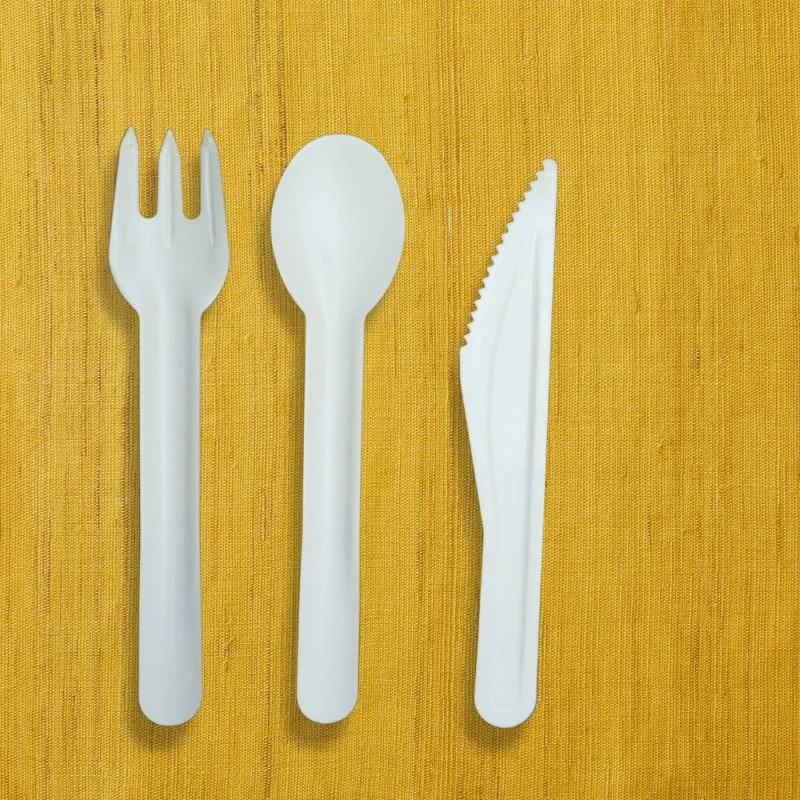
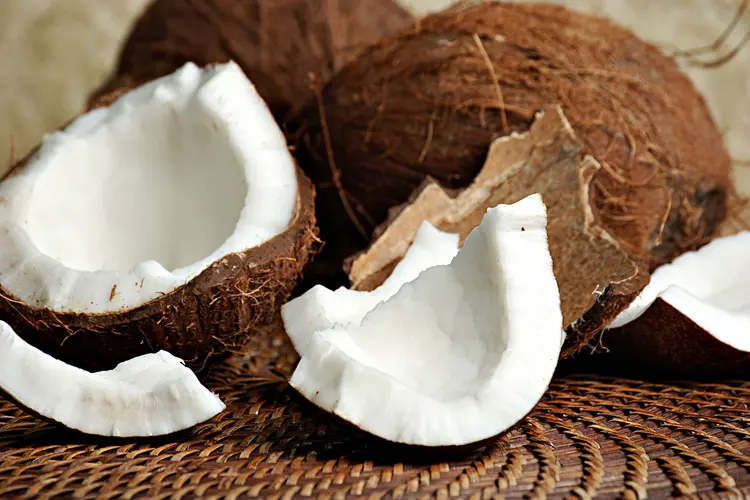
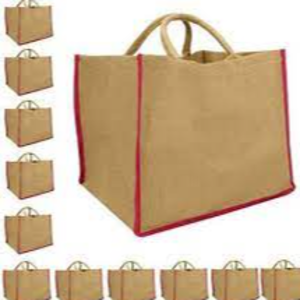
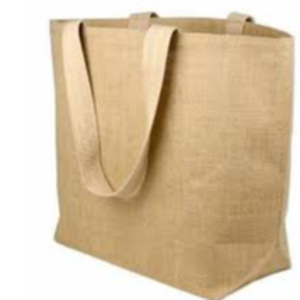
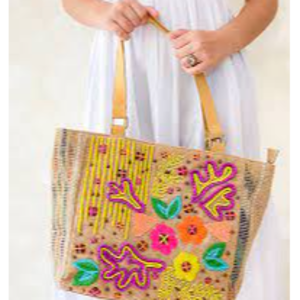
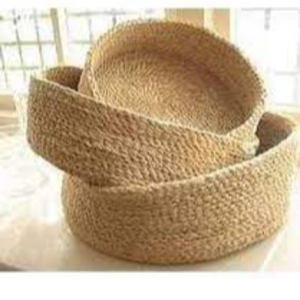
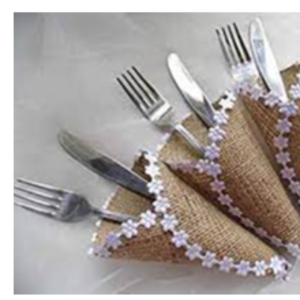
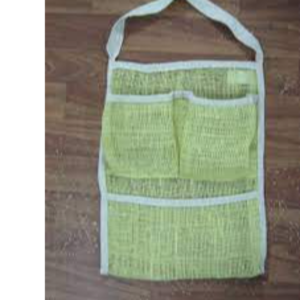
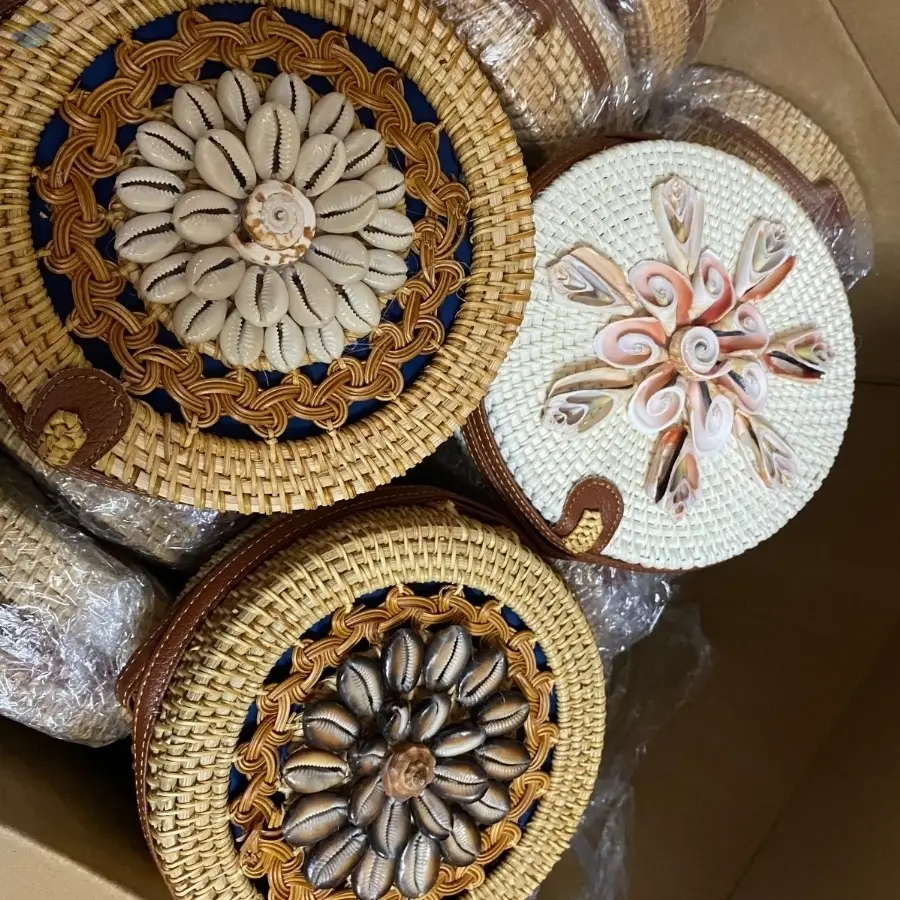
Vietnam, specifically Thu Duc City in Ho Chi Minh City, hosts Cpimex with an active catalogue of five products. The listed items cover a handmade seagrass bag, four coconut‑derived items and a candle, reflecting the top categories of Jute Bags, Coconut By‑Products, Disposable Cutleries and Candles. The seagrass bag is presented without an HS code, while the coconut candle is recorded under HS code 3406.00, the chapter for perfumery and cosmetic products. The remaining coconut items - a shell candle holder, wooden cutlery and a bowl set with spoon and fork - are described without HS codes in the supplied data. All five products are positioned for export from Vietnam.

The product set includes natural‑fiber bags made from seagrass, various coconut shell accessories and a soy‑wax/palm‑wax blend candle with cotton or wood wick. The catalogue does not provide dimensions, weight or material percentages, but each entry aligns with the broader categories of biodegradable packaging and eco‑friendly home décor. Cpimex is classified as an imported supplier with a harbor trust tier, indicating that it operates through established import channels. No specific certifications are listed in the supplied facts.

Product Range and Specialties of Cpimex

The seagrass handmade bag falls under the natural‑fiber bag segment, where typical specifications include a fabric weight of 150‑300 g m⁻², tensile strength of 30‑50 MPa and dimensions ranging from 30 cm to 60 cm per side. Coconut‑derived items such as the shell candle holder, wooden cutlery and bowl set are commonly produced as food‑grade, biodegradable products that meet ASTM D‑4237 for compostability and often use a USDA‑certified organic coconut shell material. The coconut candle uses a soy‑wax and palm‑wax blend with cotton or wood wicks; standard candle grades in this segment target a melt point of 45‑55 °C and a burn time of roughly 5‑8 hours per 100 g of wax. Typical HS code families for these goods are 4202 for natural‑fiber bags, 9603 for coconut shell articles, and 3406 for scented or decorative candles.

Industry practice assigns HS code 4202 to jute and other natural‑fiber bags, HS 9603 to coconut shell tableware and accessories, and HS 3406 to candles made from vegetable waxes. Buyers usually receive these products packed in corrugated cardboard boxes, stacked on pallets, and loaded in 20‑ft or 40‑ft containers for ocean freight. Standard export packaging for biodegradable items often includes moisture‑resistant liners to preserve material integrity during transit.

Trade and Export Information - Cpimex

Vietnam ranks among the top exporters of natural‑fiber bags and coconut by‑products, with major import markets in the European Union, the United States and Japan. Exporters in this category typically encounter HS chapters 42 for bags, 96 for coconut shell articles and 34 for wax candles, and buyers often request certifications such as FSC for the fibre source, ISO 9001 for quality management and food‑contact compliance (e.g., FDA or EU Regulation No 1935/2004) for coconut cutlery.

Customs clearance for these goods usually requires a commercial invoice, packing list, certificate of origin and, for natural‑fiber bags, a phytosanitary certificate confirming the material is free of pests. Candles may need a material safety data sheet (MSDS) and a declaration of compliance with fire safety standards. Standard logistics involve ocean freight on 20‑ft or 40‑ft containers, with cardboard cartons placed on wooden pallets and secured with stretch film.

Sourcing from Cpimex - Buyer Guidance

When sourcing from Cpimex, request detailed specifications for each item: bag dimensions, fabric weight (GSM), tensile strength and fibre composition; for coconut cutlery, ask for food‑grade certification, material safety data and compostability test results; for the candle, obtain the exact wax blend ratio, wick type, melt point and a burn‑time test report. Request independent laboratory reports such as ASTM D‑543 for cutlery hardness and ISO 17025‑based analysis for wax purity to verify product claims before confirming an order.

Confirm the HS codes that will be used for customs clearance and verify packaging details, including carton size, pallet configuration and moisture‑control measures. Typical minimum order quantities in this segment range from 500‑1,000 bags to 10,000 pieces of cutlery, with lead times of four to six weeks after sample approval. Ask for any applicable certifications - FSC, ISO 9001, FDA or EU food‑contact approval - and ensure they are included in the export documentation.

Frequently Asked Questions About Cpimex

What types of bags does Cpimex list in its catalogue?

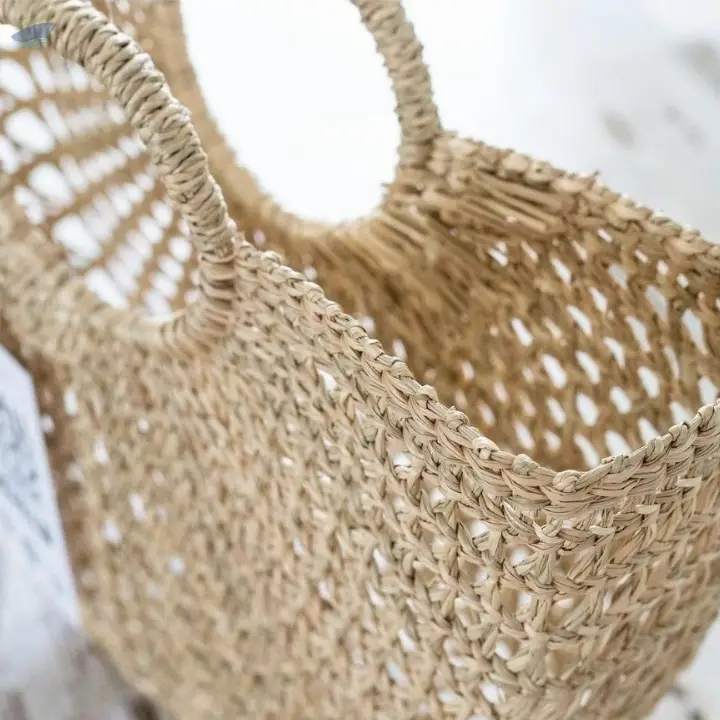
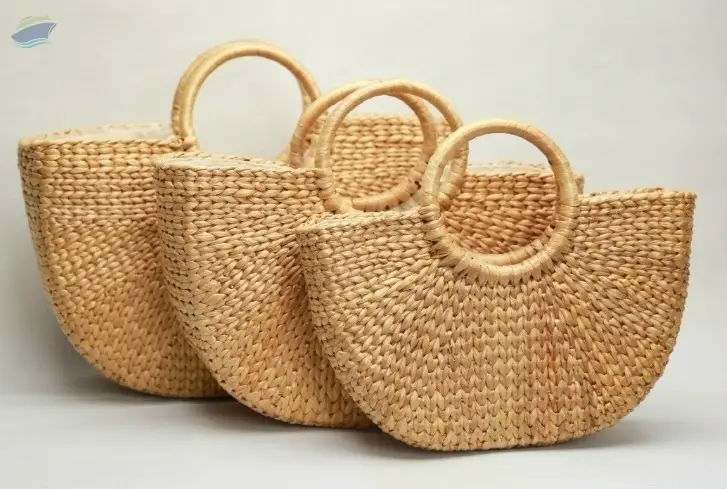
Cpimex lists a seagrass handmade bag, which falls under the natural‑fiber bag segment commonly classified in HS chapter 4202.

Are the coconut cutlery items suitable for food service?

The coconut wooden cutlery and bowl set are described as coconut‑shell products; buyers typically require food‑grade certification such as FDA or EU food‑contact approval for such items.

What material composition is used in the coconut candle?

The coconut candle is made from a soy‑wax and palm‑wax blend with either a cotton or wood wick, and it is recorded under HS code 3406.00.

Which HS code applies to the coconut candle?

The supplied data assigns HS code 3406.00 to the coconut candle, which belongs to the chapter covering perfumes, cosmetics and scented preparations.

Does Cpimex hold any certifications?

No certifications are listed in the provided facts; buyers should request any needed certifications such as FSC, ISO 9001 or food‑contact approvals.

What are typical minimum order quantities and lead times for these products?

Industry practice suggests MOQs of about 500‑1,000 units for natural‑fiber bags and 10,000 pieces for coconut cutlery, with lead times of four to six weeks after sample acceptance.

How are the products packaged for export?

Export packaging usually involves corrugated cardboard boxes placed on wooden pallets, with moisture‑resistant liners for biodegradable items, and loaded into 20‑ft or 40‑ft containers for ocean shipping.

How can a buyer request a sample from Cpimex?

A buyer should contact the supplier to specify the exact product (e.g., seagrass bag or coconut candle), request a pre‑shipment sample, and ask for accompanying test reports or material safety data sheets before placing a larger order.


Other Suppliers in Jute Bags

Top Trusted Suppliers

Related Products in Jute Bags

Trending in Parent Category

More Suppliers in Parent Category

Related Products

Other Suppliers

EximNext
58.4K+ live requirements
Register Free🎁 5 free buy-lead credits
Post Requirement
🌍 Trusted by 224.4K+ businesses in 200+ countries|
58.4K+ active requirements right now
✉️ [email protected]
|
Sell on EximNextPost Requirement
EximNext
AgricultureApparelConstructionElectronicFoodHomeIndustrialMineralsMiscellaneous
🔥 Deals|✨ AI Match|🏭 Suppliers|📋 Buy Leads|💰 Trade Finance|⭐ Upgrade
58.4K+ live RFQs·194.4K+ suppliers
🎁 5 free credits →
EximNext
EximNext
Register Free
🎁 5 free buy-lead credits
Sign In
📋Post Requirement💬Get QuotesAI Match📋RFQ Marketplace
All Categories
Services & Tools
🏭Supplier Directory🔥Today's Deals💰Trade FinanceMembership
Sell on EximNext
AboutContactBlogHelp
🏭

Cpimex

Harbor
Country flag , Viet Nam
🛡️
57/100
Trust Score

Cpimex Product Catalog

Showing 5 of 5 products
View all products →
Seagrass Handmade Bag
Harbor
Seagrass Handmade Bag
Contact
MOQ: 1 Unit
Coconut Shell Canlde Holder
Harbor
Coconut Shell Canlde Holder
Contact
MOQ: 1 Unit
Coconut Wooden Cutlery
Harbor
Coconut Wooden Cutlery
Contact
MOQ: 1 Unit
Coconut Bowl Set With Spoon And Fork
Harbor
Coconut Bowl Set With Spoon And Fork
Contact
MOQ: 1 Unit
Coconut Candle
Harbor
Coconut Candle
Contact
MOQ: 1 Unit

About Cpimex - Jute Bags Supplier in Viet Nam

Vietnam, specifically Thu Duc City in Ho Chi Minh City, hosts Cpimex with an active catalogue of five products. The listed items cover a handmade seagrass bag, four coconut‑derived items and a candle, reflecting the top categories of Jute Bags, Coconut By‑Products, Disposable Cutleries and Candles. The seagrass bag is presented without an HS code, while the coconut candle is recorded under HS code 3406.00, the chapter for perfumery and cosmetic products. The remaining coconut items - a shell candle holder, wooden cutlery and a bowl set with spoon and fork - are described without HS codes in the supplied data. All five products are positioned for export from Vietnam.

The product set includes natural‑fiber bags made from seagrass, various coconut shell accessories and a soy‑wax/palm‑wax blend candle with cotton or wood wick. The catalogue does not provide dimensions, weight or material percentages, but each entry aligns with the broader categories of biodegradable packaging and eco‑friendly home décor. Cpimex is classified as an imported supplier with a harbor trust tier, indicating that it operates through established import channels. No specific certifications are listed in the supplied facts.

Product Range and Specialties of Cpimex

The seagrass handmade bag falls under the natural‑fiber bag segment, where typical specifications include a fabric weight of 150‑300 g m⁻², tensile strength of 30‑50 MPa and dimensions ranging from 30 cm to 60 cm per side. Coconut‑derived items such as the shell candle holder, wooden cutlery and bowl set are commonly produced as food‑grade, biodegradable products that meet ASTM D‑4237 for compostability and often use a USDA‑certified organic coconut shell material. The coconut candle uses a soy‑wax and palm‑wax blend with cotton or wood wicks; standard candle grades in this segment target a melt point of 45‑55 °C and a burn time of roughly 5‑8 hours per 100 g of wax. Typical HS code families for these goods are 4202 for natural‑fiber bags, 9603 for coconut shell articles, and 3406 for scented or decorative candles.

Industry practice assigns HS code 4202 to jute and other natural‑fiber bags, HS 9603 to coconut shell tableware and accessories, and HS 3406 to candles made from vegetable waxes. Buyers usually receive these products packed in corrugated cardboard boxes, stacked on pallets, and loaded in 20‑ft or 40‑ft containers for ocean freight. Standard export packaging for biodegradable items often includes moisture‑resistant liners to preserve material integrity during transit.

Trade and Export Information - Cpimex

Vietnam ranks among the top exporters of natural‑fiber bags and coconut by‑products, with major import markets in the European Union, the United States and Japan. Exporters in this category typically encounter HS chapters 42 for bags, 96 for coconut shell articles and 34 for wax candles, and buyers often request certifications such as FSC for the fibre source, ISO 9001 for quality management and food‑contact compliance (e.g., FDA or EU Regulation No 1935/2004) for coconut cutlery.

Customs clearance for these goods usually requires a commercial invoice, packing list, certificate of origin and, for natural‑fiber bags, a phytosanitary certificate confirming the material is free of pests. Candles may need a material safety data sheet (MSDS) and a declaration of compliance with fire safety standards. Standard logistics involve ocean freight on 20‑ft or 40‑ft containers, with cardboard cartons placed on wooden pallets and secured with stretch film.

Sourcing from Cpimex - Buyer Guidance

When sourcing from Cpimex, request detailed specifications for each item: bag dimensions, fabric weight (GSM), tensile strength and fibre composition; for coconut cutlery, ask for food‑grade certification, material safety data and compostability test results; for the candle, obtain the exact wax blend ratio, wick type, melt point and a burn‑time test report. Request independent laboratory reports such as ASTM D‑543 for cutlery hardness and ISO 17025‑based analysis for wax purity to verify product claims before confirming an order.

Confirm the HS codes that will be used for customs clearance and verify packaging details, including carton size, pallet configuration and moisture‑control measures. Typical minimum order quantities in this segment range from 500‑1,000 bags to 10,000 pieces of cutlery, with lead times of four to six weeks after sample approval. Ask for any applicable certifications - FSC, ISO 9001, FDA or EU food‑contact approval - and ensure they are included in the export documentation.

Frequently Asked Questions About Cpimex

What types of bags does Cpimex list in its catalogue?

Cpimex lists a seagrass handmade bag, which falls under the natural‑fiber bag segment commonly classified in HS chapter 4202.

Are the coconut cutlery items suitable for food service?

The coconut wooden cutlery and bowl set are described as coconut‑shell products; buyers typically require food‑grade certification such as FDA or EU food‑contact approval for such items.

What material composition is used in the coconut candle?

The coconut candle is made from a soy‑wax and palm‑wax blend with either a cotton or wood wick, and it is recorded under HS code 3406.00.

Which HS code applies to the coconut candle?

The supplied data assigns HS code 3406.00 to the coconut candle, which belongs to the chapter covering perfumes, cosmetics and scented preparations.

Does Cpimex hold any certifications?

No certifications are listed in the provided facts; buyers should request any needed certifications such as FSC, ISO 9001 or food‑contact approvals.

What are typical minimum order quantities and lead times for these products?

Industry practice suggests MOQs of about 500‑1,000 units for natural‑fiber bags and 10,000 pieces for coconut cutlery, with lead times of four to six weeks after sample acceptance.

How are the products packaged for export?

Export packaging usually involves corrugated cardboard boxes placed on wooden pallets, with moisture‑resistant liners for biodegradable items, and loaded into 20‑ft or 40‑ft containers for ocean shipping.

How can a buyer request a sample from Cpimex?

A buyer should contact the supplier to specify the exact product (e.g., seagrass bag or coconut candle), request a pre‑shipment sample, and ask for accompanying test reports or material safety data sheets before placing a larger order.

About Cpimex - Jute Bags Supplier in Viet Nam

Vietnam, specifically Thu Duc City in Ho Chi Minh City, hosts Cpimex with an active catalogue of five products. The listed items cover a handmade seagrass bag, four coconut‑derived items and a candle, reflecting the top categories of Jute Bags, Coconut By‑Products, Disposable Cutleries and Candles. The seagrass bag is presented without an HS code, while the coconut candle is recorded under HS code 3406.00, the chapter for perfumery and cosmetic products. The remaining coconut items - a shell candle holder, wooden cutlery and a bowl set with spoon and fork - are described without HS codes in the supplied data. All five products are positioned for export from Vietnam.

The product set includes natural‑fiber bags made from seagrass, various coconut shell accessories and a soy‑wax/palm‑wax blend candle with cotton or wood wick. The catalogue does not provide dimensions, weight or material percentages, but each entry aligns with the broader categories of biodegradable packaging and eco‑friendly home décor. Cpimex is classified as an imported supplier with a harbor trust tier, indicating that it operates through established import channels. No specific certifications are listed in the supplied facts.

Product Range and Specialties of Cpimex

The seagrass handmade bag falls under the natural‑fiber bag segment, where typical specifications include a fabric weight of 150‑300 g m⁻², tensile strength of 30‑50 MPa and dimensions ranging from 30 cm to 60 cm per side. Coconut‑derived items such as the shell candle holder, wooden cutlery and bowl set are commonly produced as food‑grade, biodegradable products that meet ASTM D‑4237 for compostability and often use a USDA‑certified organic coconut shell material. The coconut candle uses a soy‑wax and palm‑wax blend with cotton or wood wicks; standard candle grades in this segment target a melt point of 45‑55 °C and a burn time of roughly 5‑8 hours per 100 g of wax. Typical HS code families for these goods are 4202 for natural‑fiber bags, 9603 for coconut shell articles, and 3406 for scented or decorative candles.

Industry practice assigns HS code 4202 to jute and other natural‑fiber bags, HS 9603 to coconut shell tableware and accessories, and HS 3406 to candles made from vegetable waxes. Buyers usually receive these products packed in corrugated cardboard boxes, stacked on pallets, and loaded in 20‑ft or 40‑ft containers for ocean freight. Standard export packaging for biodegradable items often includes moisture‑resistant liners to preserve material integrity during transit.

Trade and Export Information - Cpimex

Vietnam ranks among the top exporters of natural‑fiber bags and coconut by‑products, with major import markets in the European Union, the United States and Japan. Exporters in this category typically encounter HS chapters 42 for bags, 96 for coconut shell articles and 34 for wax candles, and buyers often request certifications such as FSC for the fibre source, ISO 9001 for quality management and food‑contact compliance (e.g., FDA or EU Regulation No 1935/2004) for coconut cutlery.

Customs clearance for these goods usually requires a commercial invoice, packing list, certificate of origin and, for natural‑fiber bags, a phytosanitary certificate confirming the material is free of pests. Candles may need a material safety data sheet (MSDS) and a declaration of compliance with fire safety standards. Standard logistics involve ocean freight on 20‑ft or 40‑ft containers, with cardboard cartons placed on wooden pallets and secured with stretch film.

Sourcing from Cpimex - Buyer Guidance

When sourcing from Cpimex, request detailed specifications for each item: bag dimensions, fabric weight (GSM), tensile strength and fibre composition; for coconut cutlery, ask for food‑grade certification, material safety data and compostability test results; for the candle, obtain the exact wax blend ratio, wick type, melt point and a burn‑time test report. Request independent laboratory reports such as ASTM D‑543 for cutlery hardness and ISO 17025‑based analysis for wax purity to verify product claims before confirming an order.

Confirm the HS codes that will be used for customs clearance and verify packaging details, including carton size, pallet configuration and moisture‑control measures. Typical minimum order quantities in this segment range from 500‑1,000 bags to 10,000 pieces of cutlery, with lead times of four to six weeks after sample approval. Ask for any applicable certifications - FSC, ISO 9001, FDA or EU food‑contact approval - and ensure they are included in the export documentation.

Frequently Asked Questions About Cpimex
What types of bags does Cpimex list in its catalogue?
Cpimex lists a seagrass handmade bag, which falls under the natural‑fiber bag segment commonly classified in HS chapter 4202.
Are the coconut cutlery items suitable for food service?
The coconut wooden cutlery and bowl set are described as coconut‑shell products; buyers typically require food‑grade certification such as FDA or EU food‑contact approval for such items.
What material composition is used in the coconut candle?
The coconut candle is made from a soy‑wax and palm‑wax blend with either a cotton or wood wick, and it is recorded under HS code 3406.00.
Which HS code applies to the coconut candle?
The supplied data assigns HS code 3406.00 to the coconut candle, which belongs to the chapter covering perfumes, cosmetics and scented preparations.
Does Cpimex hold any certifications?
No certifications are listed in the provided facts; buyers should request any needed certifications such as FSC, ISO 9001 or food‑contact approvals.
What are typical minimum order quantities and lead times for these products?
Industry practice suggests MOQs of about 500‑1,000 units for natural‑fiber bags and 10,000 pieces for coconut cutlery, with lead times of four to six weeks after sample acceptance.
How are the products packaged for export?
Export packaging usually involves corrugated cardboard boxes placed on wooden pallets, with moisture‑resistant liners for biodegradable items, and loaded into 20‑ft or 40‑ft containers for ocean shipping.
How can a buyer request a sample from Cpimex?
A buyer should contact the supplier to specify the exact product (e.g., seagrass bag or coconut candle), request a pre‑shipment sample, and ask for accompanying test reports or material safety data sheets before placing a larger order.

🏭
Cpimex
Country flag , Viet Nam
Harbor
57/100
Trust Score
📦
5
Products
Free to contact — no commission
Escrow payment available
Verified business identity
Compare more suppliers
Post a requirement — get 10 quotes free
Let verified suppliers compete for your business. Free, fast, no commitment.
EximNext Verified Supplier
Business identity verified
Physical address confirmed
Financial history checked
Certifications authenticated
Trade references validated
Due Diligence
Verify this supplier's real shipping history.
Every shipment, every buyer, every port. Trade data that can't be faked.
Run due diligence →
Discover More

Related Suppliers & Products

Explore similar suppliers, related products and trending categories

Other Suppliers in Jute Bags

Top Trusted Suppliers

Related Products in Jute Bags

Trending in Parent Category

More Suppliers in Parent Category

Stay ahead in global trade
Weekly market insights & new supplier alerts.
EximNext
Exim Next is a leading global B2B marketplace, connecting over 205,000 verified suppliers and buyers across 200+ countries. As a trusted import export marketplace, it serves as the essential B2B portal for businesses worldwide, empowering them to expand their international reach. With Exim Next, businesses can trade smarter and grow faster.
SECURE PAYMENTS
VISAMastercardPayPalSWIFTL/CEscrow
Follow us
© 2026 EximNext