Corzel S De Rl — Supplier
About Corzel S De Rl - Ores and Minerals Supplier in Honduras
Corzel S De Rl is based in Honduras, a Central American mining hub, and currently lists five active products. The catalogue is organized under broad categories that include Ores and Minerals, Stone Crushers, Bitumen and Asphalt, Agriculture and Vegetables, reflecting the supplier’s focus on bulk mineral and construction materials. The five listed items fall within the mineral segment, which is commonly classified under HS Chapter 25 (mineral products) and Chapter 68 (other mineral products). Each product is identified by its material name - Limestone (CaCO3), Silica Stone, Basalt, Fly Ash and Limonite - without additional HS‑code detail in the provided data. The supplier’s tier is marked as imported with a harbor trust level, indicating that shipments are typically handled through Honduran ports for onward distribution.
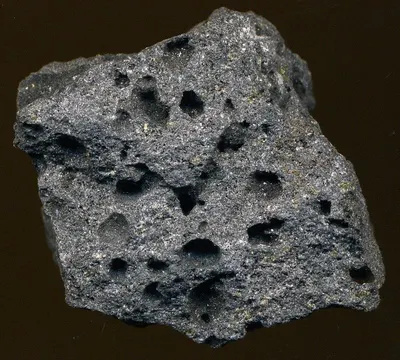
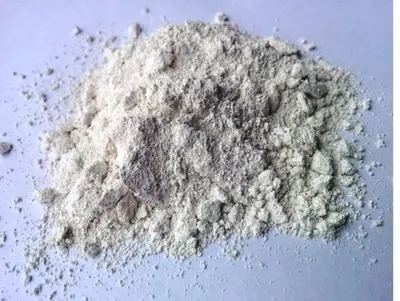
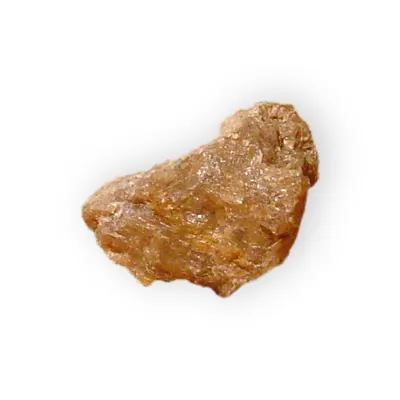
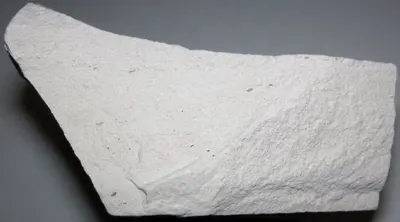
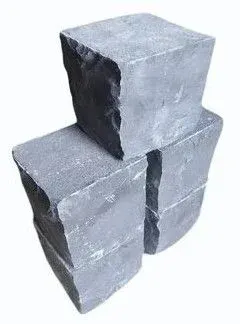
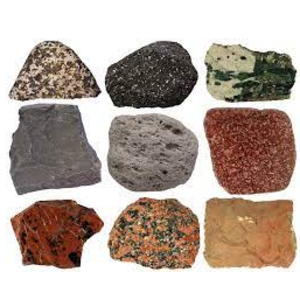
The product list shows a mix of construction aggregates and industrial by‑products. Limestone is used for cement, steel and soil amendment, while Silica Stone serves glass‑making and foundry applications. Basalt is a dense volcanic rock employed in road base and concrete aggregates. Fly Ash, a coal‑combustion residue, is classified as a pozzolanic material for concrete, and Limonite is an iron‑bearing ore used in pigments and steelmaking. All five items are bulk commodities that are usually shipped in bulk bags, drums or open‑top containers, matching the typical logistics for mineral exports from Honduras.
Product Range and Specialties of Corzel S De Rl
Corzel’s catalogue covers five mineral products that are standard commodities in the global construction and industrial sectors. Limestone grades commonly range from 90 % to 95 % CaCO₃ purity, with bulk density between 2.3 t/m³ and 2.6 t/m³, and are often supplied in 20 ft or 40 ft containers or bulk freight. Silica Stone typically contains 95 % - 99 % SiO₂ and is graded by particle size distribution for glass or refractory use. Basalt is supplied as crushed stone with typical crushing sizes of 5 mm to 40 mm and a bulk density around 2.8 t/m³. Fly Ash is classified as Class F (low calcium) or Class C (high calcium) with loss‑on‑ignition (LOI) values below 10 % and is usually packaged in bulk bags of 25 kg or shipped as bulk cargo. Limonite grades are defined by iron content, often 45 % - 55 % Fe₂O₃, and may be delivered in bulk or bagged form. These specifications align with industry standards used by buyers in cement, steel, glass and construction markets.
Trade and Export Information - Corzel S De Rl
Honduran mineral exports are primarily directed to the United States, Mexico and the European Union, where construction and infrastructure projects drive demand for aggregates and supplementary cementitious materials. HS Chapter 25 (mineral products) and Chapter 68 (other mineral products) are the tariff classifications most frequently applied to limestone, silica stone, basalt and limonite, while fly ash falls under HS 2616 (ash and residues from combustion). Buyers usually require third‑party laboratory analysis such as ASTM C618 for fly ash or ASTM D4792 for limestone purity, and may request ISO 9001 quality‑management certification from the supplier’s facility. Standard export documentation includes a commercial invoice, packing list, certificate of origin and, where required, a phytosanitary or mineral analysis certificate. Shipping is commonly arranged on CIF or FOB terms, with bulk cargo loaded onto container ships or bulk carriers; packaging choices include 25 kg bags, 1‑ton bulk bags or open‑top containers fitted with moisture‑resistant liners.
Sourcing from Corzel S De Rl - Buyer Guidance
When sourcing from Corzel, buyers should request material safety data sheets (MSDS) and recent laboratory test reports that confirm purity, bulk density and particle‑size distribution for each mineral. For limestone and silica stone, ASTM C615 (chemical composition) and ASTM D422 (sieve analysis) are typical benchmarks; for basalt, ASTM D422 and ASTM D471 for aggregate impact value are relevant. Fly ash buyers normally ask for compliance with ASTM C618, including pozzolanic activity and LOI values, while limonite purchasers look for iron‑oxide content and moisture levels. Verify that the supplier can provide a certificate of origin and, if required by the importing country, a customs‑valued inspection report. Clarifying the minimum order quantity, lead time (often 4‑6 weeks for bulk shipments) and preferred packaging before contract finalisation helps avoid delays and ensures conformity with regional import regulations.
Frequently Asked Questions About Corzel S De Rl
What mineral products does Corzel S De Rl list in its catalogue?
The catalogue includes Limestone (CaCO₃), Silica Stone, Basalt, Fly Ash and Limonite, totaling five active products.
Which HS chapters are typically used for these minerals?
Limestone, Silica Stone, Basalt and Limonite are usually classified under HS Chapter 25 (mineral products) or Chapter 68 (other mineral products); Fly Ash falls under HS 2616 (ash and residues from combustion).
What quality standards should I request for Limestone?
Buyers commonly require ASTM C615 for chemical composition and ASTM D4792 for bulk density, along with a recent laboratory report showing CaCO₃ purity between 90 % and 95 %.
How is Fly Ash evaluated for use in concrete?
Fly Ash is evaluated against ASTM C618, which specifies pozzolanic activity, loss‑on‑ignition below 10 % and classification as Class F or Class C based on calcium content.
What documentation is needed for customs clearance?
Typical documents include a commercial invoice, packing list, certificate of origin, material safety data sheet and any required third‑party test certificates.
What packaging options are available for bulk mineral shipments?
Products can be shipped in 25 kg bags, 1‑ton bulk bags, or loose bulk within open‑top containers fitted with moisture‑resistant liners, depending on buyer preference.
Which regions import these types of minerals from Honduras?
The United States, Mexico and the European Union are the main import markets for Honduran aggregates and industrial minerals, driven by construction, cement and steel industries.
What certifications are typically required from a mineral supplier?
Buyers often ask for ISO 9001 quality‑management certification, SGS or equivalent third‑party analysis reports, and any specific ASTM test certifications relevant to the product.




 , Honduras




.jpg.png)