Colombo Export & Import Agencies (Pvt.) Ltd. — Verified Supplier

About Colombo Export & Import Agencies (Pvt.) Ltd. - Spice and Coconut Product Supplier in Sri Lanka

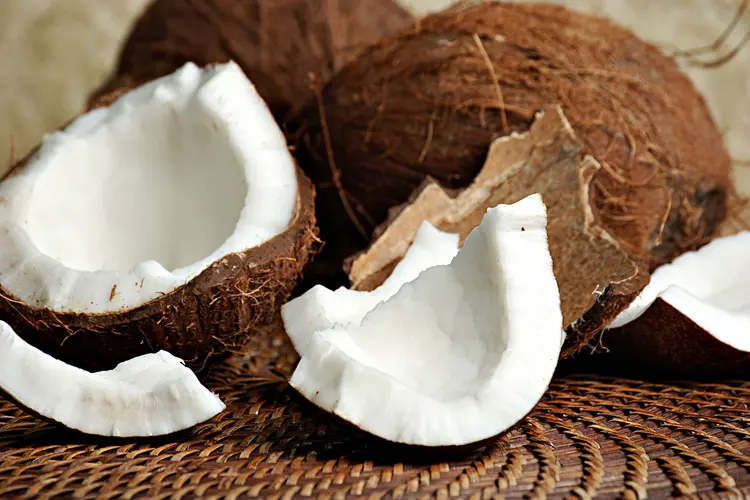
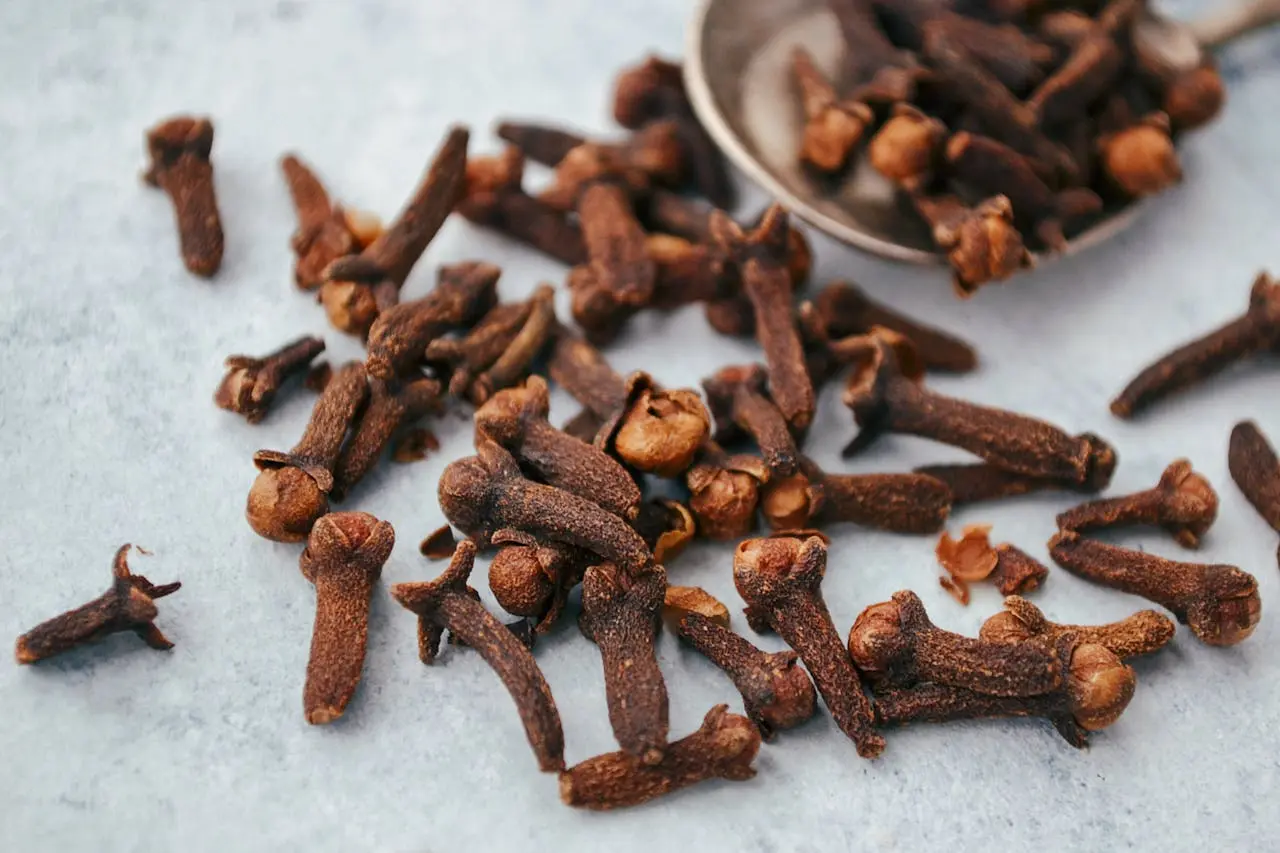
Colombo Export & Import Agencies (Pvt.) Ltd. is a Sri Lanka-based exporter operating from the Colombo area, listing 13 active products concentrated in two closely related categories: culinary spices and coconut-derived ingredients. The spice side of the catalogue covers cloves, black pepper, white pepper, nutmeg, and Ceylon cinnamon, while the coconut side spans extra virgin coconut oil, virgin coconut oil, creamed coconut, coconut flour, desiccated coconut, coconut milk, and coconut cream, plus moringa. The grouping reflects Sri Lanka's position as a long-standing source of true cinnamon (Cinnamomum verum, marketed as Ceylon cinnamon) and as one of the main Asian producers of whole and processed coconut ingredients for food and personal-care manufacturers.

The supplier's catalogue sits within the Sri Lankan spice and coconut export cluster, which typically ships from the Port of Colombo under HS chapters 0908 (nutmeg, mace, cardamoms), 0907 (cloves), 0906 (cinnamon), 0904 (pepper), and 1513, 1515, 1516, 2106 for coconut oils and processed coconut preparations. Sri Lankan exporters of these lines typically serve food processors, spice blenders, beverage manufacturers, and cosmetic/oleochemical buyers in South Asia, the Middle East, the European Union, and North America, where demand for single-origin spices and virgin coconut oil has been a recurring feature of the trade.

Product Range and Specialties of Colombo Export & Import Agencies (Pvt.) Ltd.

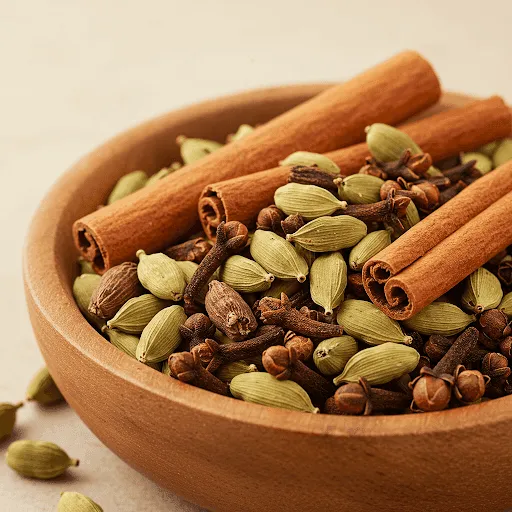
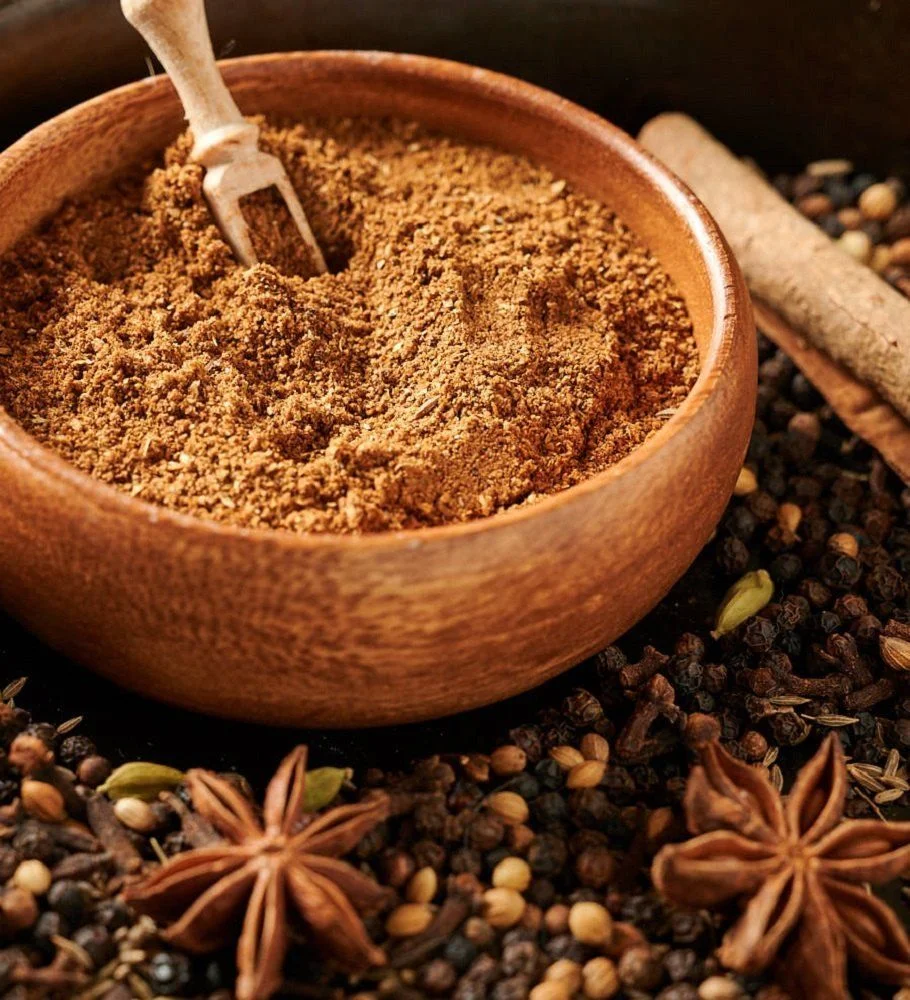
The catalogue breaks into two complementary groups. The spice group includes cloves (whole dried buds), black pepper (dried Piper nigrum berries), white pepper (the same berry with the outer pericarp removed), nutmeg (the dried seed of Myristica fragrans), and Ceylon cinnamon (the inner bark of Cinnamomum verum, sold as quills, cut sticks, or ground powder). Sri Lankan cloves typically trade at moisture levels below 12% with volatile oil content above 15%, while Sri Lankan black pepper commonly meets ASTA clean-spec pepper at 500-600 g/L bulk density. Ceylon cinnamon from Sri Lanka is distinguished by its low coumarin content, generally below 0.01% by weight, which is a key specification for EU food-safety buyers.

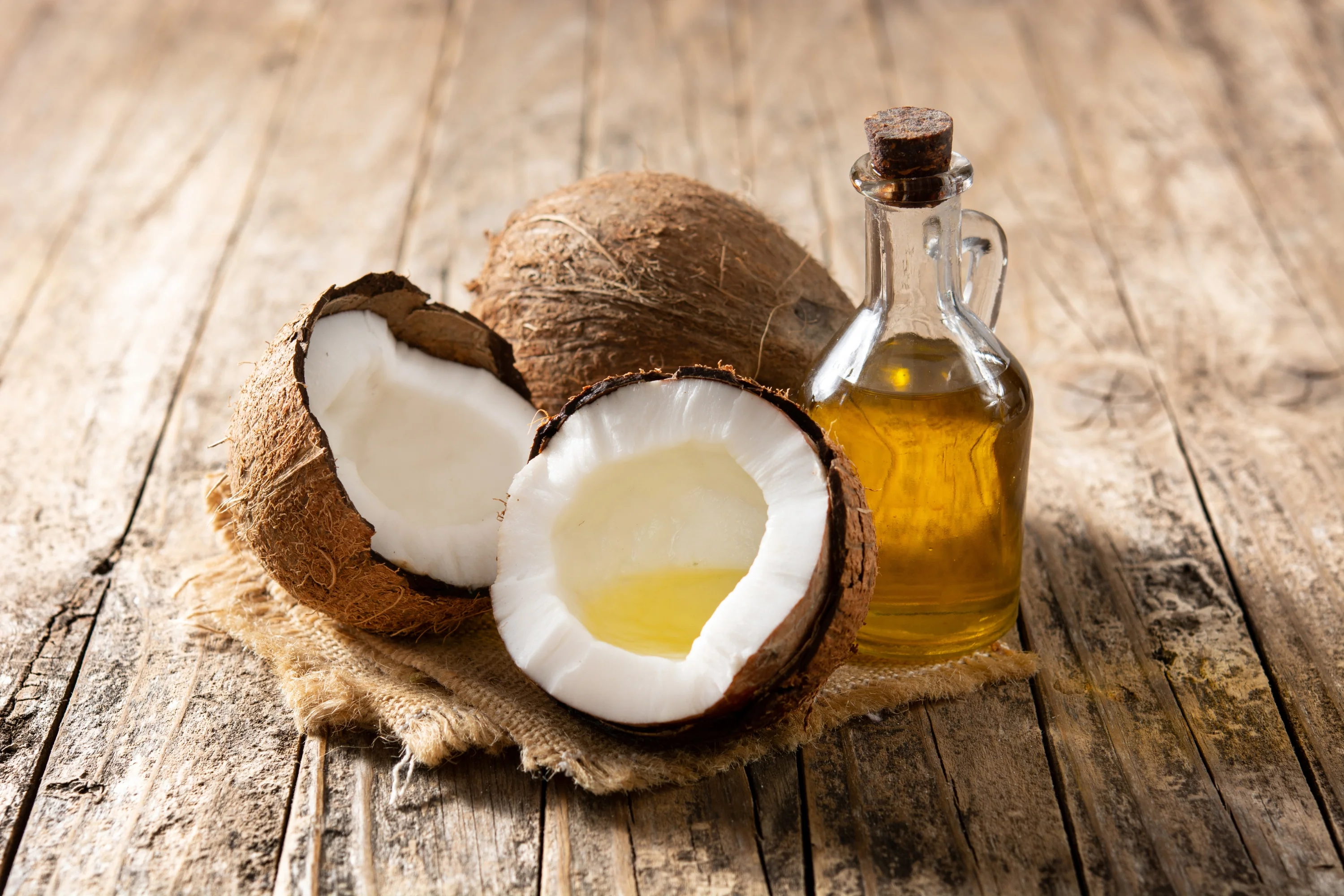
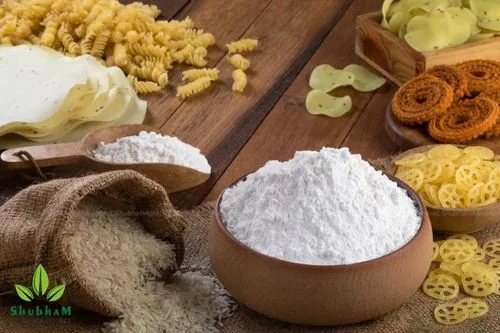
The coconut group covers the full chain of processed coconut products: extra virgin coconut oil and virgin coconut oil (cold-pressed from fresh coconut meat, free of chemical refining, with free fatty acid typically below 0.1-0.5%), creamed coconut (paste form, roughly 60-70% fat), desiccated coconut (dried shredded coconut kernel, high-fat and low-fat grades, typically 60-70% or 35-40% oil content), coconut flour (defatted coconut meat milled to a fine particle, high in dietary fibre, typically around 35-60% fibre on a dry basis), coconut milk (around 17-19% fat in the standard canned/UHT form), and coconut cream (around 20-24% fat). Moringa (Moringa oleifera) is listed as a complementary dried-leaf or powder product. These items map to HS subheadings 0801 (coconut, desiccated), 1513 (coconut and palm kernel oils), 2106.90 (food preparations including creamed coconut), and 1211.90 for moringa.

Trade and Export Information - Colombo Export & Import Agencies (Pvt.) Ltd.

Sri Lankan spice and coconut exports typically flow to India, Pakistan, the UAE, Saudi Arabia, Egypt, Germany, the Netherlands, the United Kingdom, the United States, Canada, Japan, and Australia. The spice lines (cloves, pepper, nutmeg, cinnamon) are commonly re-exported through Sri Lanka to South Asian grinders and to European spice blenders who require single-origin documentation and pesticide-residue testing against EU MRLs. Coconut oil and coconut-based ingredients are widely used by US, EU, and Japanese food manufacturers, as well as by personal-care and oleochemical buyers who use refined and virgin coconut oil for soap, surfactants, and cosmetic bases. Sri Lanka's coconut processing sector is concentrated in the Kurunegala, Puttalam, and Gampaha districts, with finished goods typically moving through Colombo port in 20 ft or 40 ft dry containers, often on pallets and in food-grade kraft bags, HDPE drums, or aseptic bag-in-box packs for liquids.

For these product categories, buyers typically request documentation tied to the destination market: a phytosanitary certificate from Sri Lanka's National Plant Quarantine Service for unprocessed spices and coconut products, a certificate of origin (Sri Lanka is a GSP+ beneficiary for the EU), and conformity with destination food-safety regimes such as the EU Regulation 1881/2006 for contaminants, US FDA FSVP requirements, and Codex Alimentarius standards for vegetable oils and desiccated coconut. Virgin coconut oil is commonly traded under Codex CXS 19-1981 for named vegetable oils, with parameters such as moisture and volatile matter below 0.2%, free fatty acid (as lauric) below 0.5%, and peroxide value below 3 meq O2/kg for fresh production. Buyers in the EU additionally verify compliance with Regulation (EU) 2015/2283 for novel food status where relevant, and with maximum residue levels for spices under Regulation (EC) 396/2005. Common shipping Incoterms for Sri Lankan spice and coconut exports are FOB Colombo, CIF, and CNF.

Sourcing from Colombo Export & Import Agencies (Pvt.) Ltd. - Buyer Guidance

Buyers sourcing from a Sri Lankan exporter in this category should request a current Certificate of Analysis for each batch, covering moisture, volatile oil, ash, and pesticide residue for spices, and free fatty acid, peroxide value, moisture, and colour for coconut oils. For desiccated coconut, coconut flour, coconut milk and cream, microbiological results (total plate count, coliforms, Salmonella, yeast and mould) and aflatoxin testing against the destination's regulatory limits are standard requirements. Lot-traceability documents, harvest year, and the production district within Sri Lanka (e.g., Matale for cinnamon, Kurunegala for coconut) are useful indicators of authenticity and should be confirmed in writing.

Because the supplier is listed at a basic verification tier on the platform, buyers should request pre-shipment samples, third-party inspection (SGS, Bureau Veritas, or Intertek), and references from recent buyers in the same destination market before issuing a purchase order. Confirming the supplier's export licence, Sri Lanka Export Development Board registration, and HACCP or ISO 22000 status is advisable for food-grade shipments to the EU, US, and Japan. Standard MOQs in this category typically range from 1 to 5 metric tons for spices and 5 to 18 metric tons for coconut oil in flexitanks or drums, with lead times of 2 to 6 weeks depending on raw material season and container availability at Colombo.

Frequently Asked Questions About Colombo Export & Import Agencies (Pvt.) Ltd.

What product categories does Colombo Export & Import Agencies (Pvt.) Ltd. list?

The catalogue lists 13 active products covering Sri Lankan spices (cloves, black pepper, white pepper, nutmeg, Ceylon cinnamon) and processed coconut ingredients (extra virgin coconut oil, virgin coconut oil, creamed coconut, coconut flour, desiccated coconut, coconut milk, coconut cream), plus moringa.

Which HS code chapters apply to the listed products?

Spice items fall under HS chapters 0906 (cinnamon), 0907 (cloves), 0904 (pepper), and 0908 (nutmeg). Coconut oils fall under 1513, desiccated coconut under 0801, processed coconut preparations such as creamed coconut under 2106.90, and moringa under 1211.90. Exact subheadings should be confirmed against the buyer's destination tariff.

Which documents should a buyer request before ordering?

Buyers typically request a Certificate of Analysis, phytosanitary certificate, certificate of origin (Form A or EUR.1 where applicable), microbiological and aflatoxin test reports for coconut products, pesticide residue testing for spices, and confirmation of HACCP or ISO 22000 food-safety management.

What quality parameters are standard for the coconut oil items?

Virgin coconut oil is typically specified at moisture below 0.1-0.2%, free fatty acid (as lauric) below 0.5%, peroxide value below 3 meq O2/kg, and colour water-clear to pale yellow. Codex CXS 19-1981 parameters are commonly used as the reference standard.

What is typical packaging for these exports?

Spices are commonly packed in multi-ply kraft paper bags (25 kg or 50 kg) or cartons lined with food-grade polythene. Coconut oil is shipped in 20-25 kg HDPE jerry cans, 190 kg steel drums, or 21-23 metric ton flexitanks. Desiccated coconut, coconut milk and cream are typically packed in 25 kg kraft bags or aseptic bag-in-box / tetra packs.

What is the typical MOQ and lead time?

MOQs in this category usually start at 1-5 metric tons for spices and 5-18 metric tons for coconut oil. Production lead time is commonly 2 to 6 weeks, with additional 2-4 weeks for ocean transit from Colombo depending on the destination port.

How should a buyer verify Ceylon cinnamon authenticity?

Buyers should request the botanical declaration Cinnamomum verum, coumarin content (typically below 0.01% for Ceylon cinnamon versus 1-5% for cassia), country of origin Sri Lanka, and a Certificate of Origin. Independent laboratory confirmation of coumarin levels by HPLC is advisable for EU shipments.

Which destination markets are typical for Sri Lankan spice and coconut exports?

Sri Lankan exporters in this category commonly ship to India, Pakistan, the UAE, Saudi Arabia, Egypt, Germany, the Netherlands, the UK, the US, Canada, Japan, and Australia, serving spice blenders, food manufacturers, beverage producers, and personal-care ingredient buyers.


Featured Products from this Supplier

Other Suppliers in Primary Category

Top Trusted Suppliers

Related Products

Trending in Parent Category

More Suppliers in Category

Related Products

Other Suppliers

EximNext
58.4K+ live requirements
Register Free🎁 5 free buy-lead credits
Post Requirement
🌍 Trusted by 224.4K+ businesses in 200+ countries|
58.4K+ active requirements right now
✉️ [email protected]
|
Sell on EximNextPost Requirement
EximNext
AgricultureApparelConstructionElectronicFoodHomeIndustrialMineralsMiscellaneous
🔥 Deals|✨ AI Match|🏭 Suppliers|📋 Buy Leads|💰 Trade Finance|⭐ Upgrade
58.4K+ live RFQs·194.4K+ suppliers
🎁 5 free credits →
EximNext
EximNext
Register Free
🎁 5 free buy-lead credits
Sign In
📋Post Requirement💬Get QuotesAI Match📋RFQ Marketplace
All Categories
Services & Tools
🏭Supplier Directory🔥Today's Deals💰Trade FinanceMembership
Sell on EximNext
AboutContactBlogHelp
🏭

Colombo Export & Import Agencies (Pvt.) Ltd.

Harbor
Country flag , Sri Lanka
🛡️
55/100
Trust Score

Colombo Export & Import Agencies (Pvt.) Ltd. Product Catalog

Showing 12 of 13 products
View all products →
Virgin Coconut Oil
Harbor
Virgin Coconut Oil
Contact
MOQ: 1 Unit
Ceylon Cinnamon
Harbor
Ceylon Cinnamon
Contact
MOQ: 1 Unit
Moringa
Harbor
Moringa
Contact
MOQ: 1 Unit
Extra Virgin Coconut Oil
Harbor
Extra Virgin Coconut Oil
Contact
MOQ: 1 Unit
Coconut Flour
Harbor
Coconut Flour
Contact
MOQ: 1 Unit
Desiccated Coconut
Harbor
Desiccated Coconut
Contact
MOQ: 1 Unit
Coconut Milk
Harbor
Coconut Milk
Contact
MOQ: 1 Unit
Coconut Cream
Harbor
Coconut Cream
Contact
MOQ: 1 Unit
Creamed Coconut
Harbor
Creamed Coconut
Contact
MOQ: 1 Unit
Cloves
Harbor
Cloves
Contact
MOQ: 1 Unit
Black Pepper
Harbor
Black Pepper
Contact
MOQ: 1 Unit
White Pepper
Harbor
White Pepper
Contact
MOQ: 1 Unit

About Colombo Export & Import Agencies (Pvt.) Ltd. - Spice and Coconut Product Supplier in Sri Lanka

Colombo Export & Import Agencies (Pvt.) Ltd. is a Sri Lanka-based exporter operating from the Colombo area, listing 13 active products concentrated in two closely related categories: culinary spices and coconut-derived ingredients. The spice side of the catalogue covers cloves, black pepper, white pepper, nutmeg, and Ceylon cinnamon, while the coconut side spans extra virgin coconut oil, virgin coconut oil, creamed coconut, coconut flour, desiccated coconut, coconut milk, and coconut cream, plus moringa. The grouping reflects Sri Lanka's position as a long-standing source of true cinnamon (Cinnamomum verum, marketed as Ceylon cinnamon) and as one of the main Asian producers of whole and processed coconut ingredients for food and personal-care manufacturers.

The supplier's catalogue sits within the Sri Lankan spice and coconut export cluster, which typically ships from the Port of Colombo under HS chapters 0908 (nutmeg, mace, cardamoms), 0907 (cloves), 0906 (cinnamon), 0904 (pepper), and 1513, 1515, 1516, 2106 for coconut oils and processed coconut preparations. Sri Lankan exporters of these lines typically serve food processors, spice blenders, beverage manufacturers, and cosmetic/oleochemical buyers in South Asia, the Middle East, the European Union, and North America, where demand for single-origin spices and virgin coconut oil has been a recurring feature of the trade.

Product Range and Specialties of Colombo Export & Import Agencies (Pvt.) Ltd.

The catalogue breaks into two complementary groups. The spice group includes cloves (whole dried buds), black pepper (dried Piper nigrum berries), white pepper (the same berry with the outer pericarp removed), nutmeg (the dried seed of Myristica fragrans), and Ceylon cinnamon (the inner bark of Cinnamomum verum, sold as quills, cut sticks, or ground powder). Sri Lankan cloves typically trade at moisture levels below 12% with volatile oil content above 15%, while Sri Lankan black pepper commonly meets ASTA clean-spec pepper at 500-600 g/L bulk density. Ceylon cinnamon from Sri Lanka is distinguished by its low coumarin content, generally below 0.01% by weight, which is a key specification for EU food-safety buyers.

The coconut group covers the full chain of processed coconut products: extra virgin coconut oil and virgin coconut oil (cold-pressed from fresh coconut meat, free of chemical refining, with free fatty acid typically below 0.1-0.5%), creamed coconut (paste form, roughly 60-70% fat), desiccated coconut (dried shredded coconut kernel, high-fat and low-fat grades, typically 60-70% or 35-40% oil content), coconut flour (defatted coconut meat milled to a fine particle, high in dietary fibre, typically around 35-60% fibre on a dry basis), coconut milk (around 17-19% fat in the standard canned/UHT form), and coconut cream (around 20-24% fat). Moringa (Moringa oleifera) is listed as a complementary dried-leaf or powder product. These items map to HS subheadings 0801 (coconut, desiccated), 1513 (coconut and palm kernel oils), 2106.90 (food preparations including creamed coconut), and 1211.90 for moringa.

Trade and Export Information - Colombo Export & Import Agencies (Pvt.) Ltd.

Sri Lankan spice and coconut exports typically flow to India, Pakistan, the UAE, Saudi Arabia, Egypt, Germany, the Netherlands, the United Kingdom, the United States, Canada, Japan, and Australia. The spice lines (cloves, pepper, nutmeg, cinnamon) are commonly re-exported through Sri Lanka to South Asian grinders and to European spice blenders who require single-origin documentation and pesticide-residue testing against EU MRLs. Coconut oil and coconut-based ingredients are widely used by US, EU, and Japanese food manufacturers, as well as by personal-care and oleochemical buyers who use refined and virgin coconut oil for soap, surfactants, and cosmetic bases. Sri Lanka's coconut processing sector is concentrated in the Kurunegala, Puttalam, and Gampaha districts, with finished goods typically moving through Colombo port in 20 ft or 40 ft dry containers, often on pallets and in food-grade kraft bags, HDPE drums, or aseptic bag-in-box packs for liquids.

For these product categories, buyers typically request documentation tied to the destination market: a phytosanitary certificate from Sri Lanka's National Plant Quarantine Service for unprocessed spices and coconut products, a certificate of origin (Sri Lanka is a GSP+ beneficiary for the EU), and conformity with destination food-safety regimes such as the EU Regulation 1881/2006 for contaminants, US FDA FSVP requirements, and Codex Alimentarius standards for vegetable oils and desiccated coconut. Virgin coconut oil is commonly traded under Codex CXS 19-1981 for named vegetable oils, with parameters such as moisture and volatile matter below 0.2%, free fatty acid (as lauric) below 0.5%, and peroxide value below 3 meq O2/kg for fresh production. Buyers in the EU additionally verify compliance with Regulation (EU) 2015/2283 for novel food status where relevant, and with maximum residue levels for spices under Regulation (EC) 396/2005. Common shipping Incoterms for Sri Lankan spice and coconut exports are FOB Colombo, CIF, and CNF.

Sourcing from Colombo Export & Import Agencies (Pvt.) Ltd. - Buyer Guidance

Buyers sourcing from a Sri Lankan exporter in this category should request a current Certificate of Analysis for each batch, covering moisture, volatile oil, ash, and pesticide residue for spices, and free fatty acid, peroxide value, moisture, and colour for coconut oils. For desiccated coconut, coconut flour, coconut milk and cream, microbiological results (total plate count, coliforms, Salmonella, yeast and mould) and aflatoxin testing against the destination's regulatory limits are standard requirements. Lot-traceability documents, harvest year, and the production district within Sri Lanka (e.g., Matale for cinnamon, Kurunegala for coconut) are useful indicators of authenticity and should be confirmed in writing.

Because the supplier is listed at a basic verification tier on the platform, buyers should request pre-shipment samples, third-party inspection (SGS, Bureau Veritas, or Intertek), and references from recent buyers in the same destination market before issuing a purchase order. Confirming the supplier's export licence, Sri Lanka Export Development Board registration, and HACCP or ISO 22000 status is advisable for food-grade shipments to the EU, US, and Japan. Standard MOQs in this category typically range from 1 to 5 metric tons for spices and 5 to 18 metric tons for coconut oil in flexitanks or drums, with lead times of 2 to 6 weeks depending on raw material season and container availability at Colombo.

Frequently Asked Questions About Colombo Export & Import Agencies (Pvt.) Ltd.

What product categories does Colombo Export & Import Agencies (Pvt.) Ltd. list?

The catalogue lists 13 active products covering Sri Lankan spices (cloves, black pepper, white pepper, nutmeg, Ceylon cinnamon) and processed coconut ingredients (extra virgin coconut oil, virgin coconut oil, creamed coconut, coconut flour, desiccated coconut, coconut milk, coconut cream), plus moringa.

Which HS code chapters apply to the listed products?

Spice items fall under HS chapters 0906 (cinnamon), 0907 (cloves), 0904 (pepper), and 0908 (nutmeg). Coconut oils fall under 1513, desiccated coconut under 0801, processed coconut preparations such as creamed coconut under 2106.90, and moringa under 1211.90. Exact subheadings should be confirmed against the buyer's destination tariff.

Which documents should a buyer request before ordering?

Buyers typically request a Certificate of Analysis, phytosanitary certificate, certificate of origin (Form A or EUR.1 where applicable), microbiological and aflatoxin test reports for coconut products, pesticide residue testing for spices, and confirmation of HACCP or ISO 22000 food-safety management.

What quality parameters are standard for the coconut oil items?

Virgin coconut oil is typically specified at moisture below 0.1-0.2%, free fatty acid (as lauric) below 0.5%, peroxide value below 3 meq O2/kg, and colour water-clear to pale yellow. Codex CXS 19-1981 parameters are commonly used as the reference standard.

What is typical packaging for these exports?

Spices are commonly packed in multi-ply kraft paper bags (25 kg or 50 kg) or cartons lined with food-grade polythene. Coconut oil is shipped in 20-25 kg HDPE jerry cans, 190 kg steel drums, or 21-23 metric ton flexitanks. Desiccated coconut, coconut milk and cream are typically packed in 25 kg kraft bags or aseptic bag-in-box / tetra packs.

What is the typical MOQ and lead time?

MOQs in this category usually start at 1-5 metric tons for spices and 5-18 metric tons for coconut oil. Production lead time is commonly 2 to 6 weeks, with additional 2-4 weeks for ocean transit from Colombo depending on the destination port.

How should a buyer verify Ceylon cinnamon authenticity?

Buyers should request the botanical declaration Cinnamomum verum, coumarin content (typically below 0.01% for Ceylon cinnamon versus 1-5% for cassia), country of origin Sri Lanka, and a Certificate of Origin. Independent laboratory confirmation of coumarin levels by HPLC is advisable for EU shipments.

Which destination markets are typical for Sri Lankan spice and coconut exports?

Sri Lankan exporters in this category commonly ship to India, Pakistan, the UAE, Saudi Arabia, Egypt, Germany, the Netherlands, the UK, the US, Canada, Japan, and Australia, serving spice blenders, food manufacturers, beverage producers, and personal-care ingredient buyers.

About Colombo Export & Import Agencies (Pvt.) Ltd. - Spice and Coconut Product Supplier in Sri Lanka

Colombo Export & Import Agencies (Pvt.) Ltd. is a Sri Lanka-based exporter operating from the Colombo area, listing 13 active products concentrated in two closely related categories: culinary spices and coconut-derived ingredients. The spice side of the catalogue covers cloves, black pepper, white pepper, nutmeg, and Ceylon cinnamon, while the coconut side spans extra virgin coconut oil, virgin coconut oil, creamed coconut, coconut flour, desiccated coconut, coconut milk, and coconut cream, plus moringa. The grouping reflects Sri Lanka's position as a long-standing source of true cinnamon (Cinnamomum verum, marketed as Ceylon cinnamon) and as one of the main Asian producers of whole and processed coconut ingredients for food and personal-care manufacturers.

The supplier's catalogue sits within the Sri Lankan spice and coconut export cluster, which typically ships from the Port of Colombo under HS chapters 0908 (nutmeg, mace, cardamoms), 0907 (cloves), 0906 (cinnamon), 0904 (pepper), and 1513, 1515, 1516, 2106 for coconut oils and processed coconut preparations. Sri Lankan exporters of these lines typically serve food processors, spice blenders, beverage manufacturers, and cosmetic/oleochemical buyers in South Asia, the Middle East, the European Union, and North America, where demand for single-origin spices and virgin coconut oil has been a recurring feature of the trade.

Product Range and Specialties of Colombo Export & Import Agencies (Pvt.) Ltd.

The catalogue breaks into two complementary groups. The spice group includes cloves (whole dried buds), black pepper (dried Piper nigrum berries), white pepper (the same berry with the outer pericarp removed), nutmeg (the dried seed of Myristica fragrans), and Ceylon cinnamon (the inner bark of Cinnamomum verum, sold as quills, cut sticks, or ground powder). Sri Lankan cloves typically trade at moisture levels below 12% with volatile oil content above 15%, while Sri Lankan black pepper commonly meets ASTA clean-spec pepper at 500-600 g/L bulk density. Ceylon cinnamon from Sri Lanka is distinguished by its low coumarin content, generally below 0.01% by weight, which is a key specification for EU food-safety buyers.

The coconut group covers the full chain of processed coconut products: extra virgin coconut oil and virgin coconut oil (cold-pressed from fresh coconut meat, free of chemical refining, with free fatty acid typically below 0.1-0.5%), creamed coconut (paste form, roughly 60-70% fat), desiccated coconut (dried shredded coconut kernel, high-fat and low-fat grades, typically 60-70% or 35-40% oil content), coconut flour (defatted coconut meat milled to a fine particle, high in dietary fibre, typically around 35-60% fibre on a dry basis), coconut milk (around 17-19% fat in the standard canned/UHT form), and coconut cream (around 20-24% fat). Moringa (Moringa oleifera) is listed as a complementary dried-leaf or powder product. These items map to HS subheadings 0801 (coconut, desiccated), 1513 (coconut and palm kernel oils), 2106.90 (food preparations including creamed coconut), and 1211.90 for moringa.

Trade and Export Information - Colombo Export & Import Agencies (Pvt.) Ltd.

Sri Lankan spice and coconut exports typically flow to India, Pakistan, the UAE, Saudi Arabia, Egypt, Germany, the Netherlands, the United Kingdom, the United States, Canada, Japan, and Australia. The spice lines (cloves, pepper, nutmeg, cinnamon) are commonly re-exported through Sri Lanka to South Asian grinders and to European spice blenders who require single-origin documentation and pesticide-residue testing against EU MRLs. Coconut oil and coconut-based ingredients are widely used by US, EU, and Japanese food manufacturers, as well as by personal-care and oleochemical buyers who use refined and virgin coconut oil for soap, surfactants, and cosmetic bases. Sri Lanka's coconut processing sector is concentrated in the Kurunegala, Puttalam, and Gampaha districts, with finished goods typically moving through Colombo port in 20 ft or 40 ft dry containers, often on pallets and in food-grade kraft bags, HDPE drums, or aseptic bag-in-box packs for liquids.

For these product categories, buyers typically request documentation tied to the destination market: a phytosanitary certificate from Sri Lanka's National Plant Quarantine Service for unprocessed spices and coconut products, a certificate of origin (Sri Lanka is a GSP+ beneficiary for the EU), and conformity with destination food-safety regimes such as the EU Regulation 1881/2006 for contaminants, US FDA FSVP requirements, and Codex Alimentarius standards for vegetable oils and desiccated coconut. Virgin coconut oil is commonly traded under Codex CXS 19-1981 for named vegetable oils, with parameters such as moisture and volatile matter below 0.2%, free fatty acid (as lauric) below 0.5%, and peroxide value below 3 meq O2/kg for fresh production. Buyers in the EU additionally verify compliance with Regulation (EU) 2015/2283 for novel food status where relevant, and with maximum residue levels for spices under Regulation (EC) 396/2005. Common shipping Incoterms for Sri Lankan spice and coconut exports are FOB Colombo, CIF, and CNF.

Sourcing from Colombo Export & Import Agencies (Pvt.) Ltd. - Buyer Guidance

Buyers sourcing from a Sri Lankan exporter in this category should request a current Certificate of Analysis for each batch, covering moisture, volatile oil, ash, and pesticide residue for spices, and free fatty acid, peroxide value, moisture, and colour for coconut oils. For desiccated coconut, coconut flour, coconut milk and cream, microbiological results (total plate count, coliforms, Salmonella, yeast and mould) and aflatoxin testing against the destination's regulatory limits are standard requirements. Lot-traceability documents, harvest year, and the production district within Sri Lanka (e.g., Matale for cinnamon, Kurunegala for coconut) are useful indicators of authenticity and should be confirmed in writing.

Because the supplier is listed at a basic verification tier on the platform, buyers should request pre-shipment samples, third-party inspection (SGS, Bureau Veritas, or Intertek), and references from recent buyers in the same destination market before issuing a purchase order. Confirming the supplier's export licence, Sri Lanka Export Development Board registration, and HACCP or ISO 22000 status is advisable for food-grade shipments to the EU, US, and Japan. Standard MOQs in this category typically range from 1 to 5 metric tons for spices and 5 to 18 metric tons for coconut oil in flexitanks or drums, with lead times of 2 to 6 weeks depending on raw material season and container availability at Colombo.

Frequently Asked Questions About Colombo Export & Import Agencies (Pvt.) Ltd.
What product categories does Colombo Export & Import Agencies (Pvt.) Ltd. list?
The catalogue lists 13 active products covering Sri Lankan spices (cloves, black pepper, white pepper, nutmeg, Ceylon cinnamon) and processed coconut ingredients (extra virgin coconut oil, virgin coconut oil, creamed coconut, coconut flour, desiccated coconut, coconut milk, coconut cream), plus moringa.
Which HS code chapters apply to the listed products?
Spice items fall under HS chapters 0906 (cinnamon), 0907 (cloves), 0904 (pepper), and 0908 (nutmeg). Coconut oils fall under 1513, desiccated coconut under 0801, processed coconut preparations such as creamed coconut under 2106.90, and moringa under 1211.90. Exact subheadings should be confirmed against the buyer's destination tariff.
Which documents should a buyer request before ordering?
Buyers typically request a Certificate of Analysis, phytosanitary certificate, certificate of origin (Form A or EUR.1 where applicable), microbiological and aflatoxin test reports for coconut products, pesticide residue testing for spices, and confirmation of HACCP or ISO 22000 food-safety management.
What quality parameters are standard for the coconut oil items?
Virgin coconut oil is typically specified at moisture below 0.1-0.2%, free fatty acid (as lauric) below 0.5%, peroxide value below 3 meq O2/kg, and colour water-clear to pale yellow. Codex CXS 19-1981 parameters are commonly used as the reference standard.
What is typical packaging for these exports?
Spices are commonly packed in multi-ply kraft paper bags (25 kg or 50 kg) or cartons lined with food-grade polythene. Coconut oil is shipped in 20-25 kg HDPE jerry cans, 190 kg steel drums, or 21-23 metric ton flexitanks. Desiccated coconut, coconut milk and cream are typically packed in 25 kg kraft bags or aseptic bag-in-box / tetra packs.
What is the typical MOQ and lead time?
MOQs in this category usually start at 1-5 metric tons for spices and 5-18 metric tons for coconut oil. Production lead time is commonly 2 to 6 weeks, with additional 2-4 weeks for ocean transit from Colombo depending on the destination port.
How should a buyer verify Ceylon cinnamon authenticity?
Buyers should request the botanical declaration Cinnamomum verum, coumarin content (typically below 0.01% for Ceylon cinnamon versus 1-5% for cassia), country of origin Sri Lanka, and a Certificate of Origin. Independent laboratory confirmation of coumarin levels by HPLC is advisable for EU shipments.
Which destination markets are typical for Sri Lankan spice and coconut exports?
Sri Lankan exporters in this category commonly ship to India, Pakistan, the UAE, Saudi Arabia, Egypt, Germany, the Netherlands, the UK, the US, Canada, Japan, and Australia, serving spice blenders, food manufacturers, beverage producers, and personal-care ingredient buyers.

🏭
Colombo Export & Import Agencies (Pvt.) Ltd.
Country flag , Sri Lanka
Harbor
55/100
Trust Score
📦
13
Products
Free to contact — no commission
Escrow payment available
Verified business identity
Compare more suppliers
Post a requirement — get 10 quotes free
Let verified suppliers compete for your business. Free, fast, no commitment.
EximNext Verified Supplier
Business identity verified
Physical address confirmed
Financial history checked
Certifications authenticated
Trade references validated
Due Diligence
Verify this supplier's real shipping history.
Every shipment, every buyer, every port. Trade data that can't be faked.
Run due diligence →
Discover More

Related Suppliers & Products

Explore similar suppliers, related products and trending categories

Featured Products from this Supplier

Other Suppliers in Primary Category

Top Trusted Suppliers

Related Products

Trending in Parent Category

More Suppliers in Category

Stay ahead in global trade
Weekly market insights & new supplier alerts.
EximNext
Exim Next is a leading global B2B marketplace, connecting over 205,000 verified suppliers and buyers across 200+ countries. As a trusted import export marketplace, it serves as the essential B2B portal for businesses worldwide, empowering them to expand their international reach. With Exim Next, businesses can trade smarter and grow faster.
SECURE PAYMENTS
VISAMastercardPayPalSWIFTL/CEscrow
Follow us
© 2026 EximNext