Coco Carbon Venture Company — Supplier
About Coco Carbon Venture Company - Briquette Supplier in Philippines
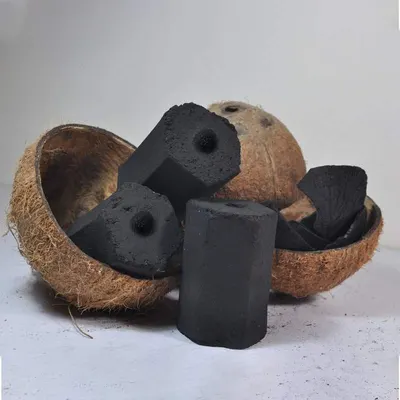
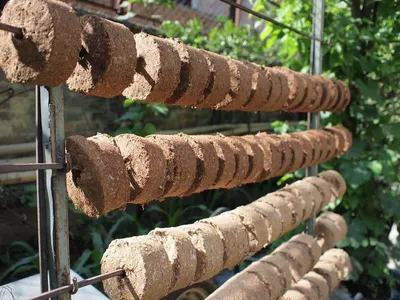
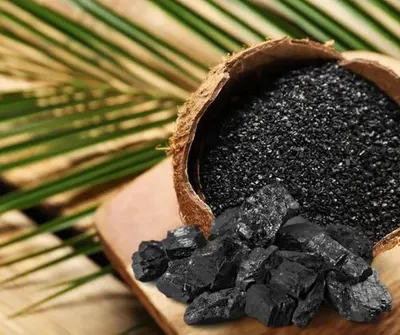
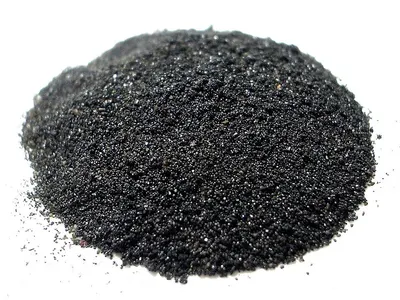
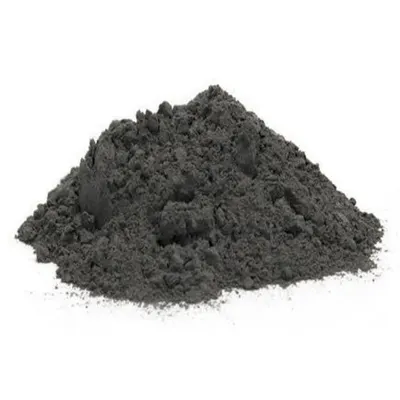
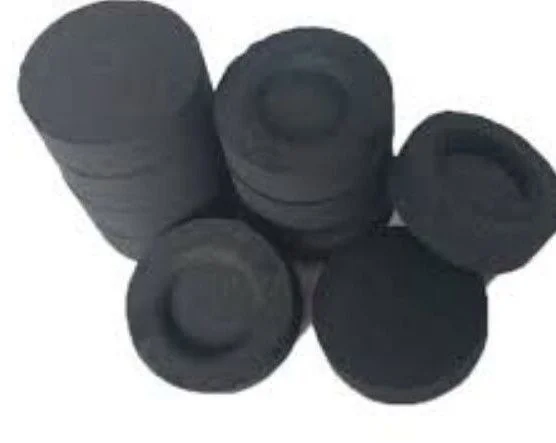
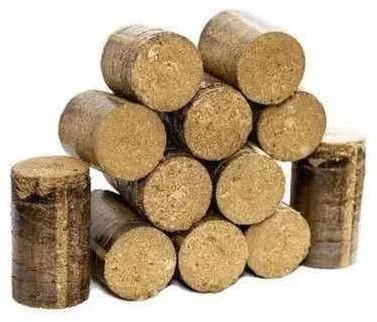
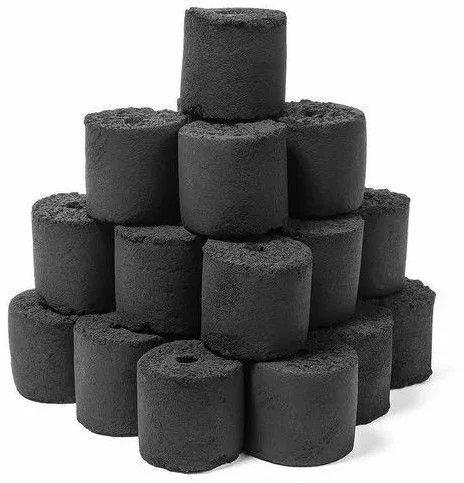
The Philippines‑based Coco Carbon Venture Company lists five active products in its catalogue. The portfolio is split between agriculture‑related carbon products and charcoal briquette items, reflecting the company’s focus on both activated carbon applications and solid fuel solutions. The five items are Activated Coconut Black Carbon, Activated Carbon Granular, Activated Charcoal Powder, Coconut Charcoal Briquettes and Briquettes Charcoal Coconut, all recorded under the Agriculture and Briquette top categories.
The supplier’s catalogue groups the carbon products under a single activated carbon family and the two briquette entries under a solid fuel family. No HS codes are supplied, so the description relies on the product names and the generic categories. Buyers can see that the company offers both powdered and granular activated carbon forms as well as molded coconut‑based briquettes, which are typical outputs of coconut shell processing in the Philippines.
Product Range and Specialties of Coco Carbon Venture Company
Coco Carbon Venture Company provides five distinct items: a black‑colored activated coconut carbon, granular activated carbon, fine charcoal powder, and two listings of coconut charcoal briquettes. In the activated carbon market, buyers commonly evaluate iodine number (typically 800 - 1200 mg/g for coconut‑based products), BET surface area (often 900 - 1200 m²/g), moisture below 5 % and ash below 2 %. Granular grades are usually sized 0.5 - 2 mm for water‑treatment columns, while powder grades are screened to less than 200 mesh for air‑purification filters. Coconut charcoal briquettes are generally produced with a bulk density of 0.45 - 0.55 g/cm³, moisture content under 10 %, and a calorific value around 28 MJ/kg, meeting the expectations of domestic heating and industrial fuel users.
Trade and Export Information - Coco Carbon Venture Company
Philippine exporters of coconut‑derived carbon products typically serve buyers in Southeast Asia, the Middle East, Africa and parts of Europe. The activated carbon segment is driven by water‑treatment plants, air‑purification systems, and food‑grade processing, while briquettes are shipped to households, hotels and small‑scale industrial boilers. Commonly required certifications include ISO 9001 quality management, ISO 14001 environmental management, ASTM D2863 for iodine number, and EN 14662 for activated carbon specifications. Export shipments are usually packed in 20‑ft or 40‑ft containers, with bulk bags of 1 tonne for granular and powdered carbon, and stacked pallets for briquettes. Importers often request a Certificate of Origin and a Phytosanitary Certificate for coconut‑based materials, reflecting Philippine export regulations for agricultural products.
Sourcing from Coco Carbon Venture Company - Buyer Guidance
When sourcing from Coco Carbon Venture Company, buyers should request a full product data sheet that lists iodine number, BET surface area, moisture and ash content, as well as any third‑party test reports such as ASTM D2863 or ISO 11577. Samples of the granular and powdered carbon should be evaluated for particle size distribution and adsorption capacity before confirming bulk orders. For briquettes, ask for moisture analysis, bulk density, and calorific value data, together with a batch‑specific Certificate of Origin to verify the coconut shell source. Verifying ISO or ASTM compliance documents helps confirm that the product meets typical industry standards before shipment.
Frequently Asked Questions About Coco Carbon Venture Company
What forms of activated carbon does Coco Carbon Venture Company offer?
The catalogue lists Activated Coconut Black Carbon, Activated Carbon Granular and Activated Charcoal Powder, covering bulk, granular and fine powder formats commonly used in water and air treatment.
Are the coconut charcoal briquettes suitable for industrial boiler use?
The briquettes are produced from coconut shells with typical bulk density of 0.45 - 0.55 g/cm³ and calorific value near 28 MJ/kg, which matches the specifications required by small‑scale industrial boilers.
Which certifications should a buyer request for the activated carbon products?
Buyers should ask for ISO 9001 or ISO 14001 certificates, plus test reports following ASTM D2863 (iodine number) and BET surface area measurements, which are standard for coconut‑based activated carbon.
How are the carbon products typically packaged for export?
Granular and powdered carbon are usually packed in 1‑tonne bulk bags inside 20‑ft or 40‑ft containers, while briquettes are stacked on pallets and wrapped in moisture‑resistant film.
What documentation is needed for importing the briquettes into the EU?
Importers generally require a Certificate of Origin, a Phytosanitary Certificate for the coconut material, and any applicable ISO or EN compliance documents for solid fuel products.
What is the typical minimum order quantity for the powdered charcoal?
Suppliers of coconut charcoal powder often set a minimum order of one bulk bag (approximately 1 tonne) to ensure consistent quality and handling efficiency.
Can I request a sample of the granular activated carbon before placing a large order?
Yes, standard practice is to obtain a small sample (e.g., 5 kg) for laboratory testing of iodine number, moisture and particle size before confirming a bulk purchase.
What are the common end‑use industries for the products listed by Coco Carbon Venture Company?
Activated carbon is widely used in water treatment, air filtration, food processing and pharmaceutical manufacturing, while coconut charcoal briquettes are used for domestic heating, hotel kitchens and small industrial boilers.




 , Philippines