Agriculture›
 Apparel and fashion accessories›
 Construction & real estate›💡Electronic & Electrical›🍎Food & Beverages›🛋️Home furnishing & supplies›⚗️Industrial goods & chemical›🪨Minerals & metals›📦Miscellaneous›Agriculture›Apparel and fashion accessories›Construction & real estate›💡Electronic & Electrical›🍎Food & Beverages›🛋️Home furnishing & supplies›⚗️Industrial goods & chemical›🪨Minerals & metals›📦Miscellaneous›
Cniec Xinjiang Corp. Product Catalog
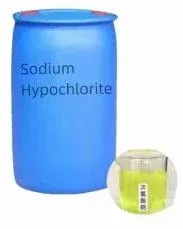

About Cniec Xinjiang Corp. - Industrial Chemicals Supplier in China
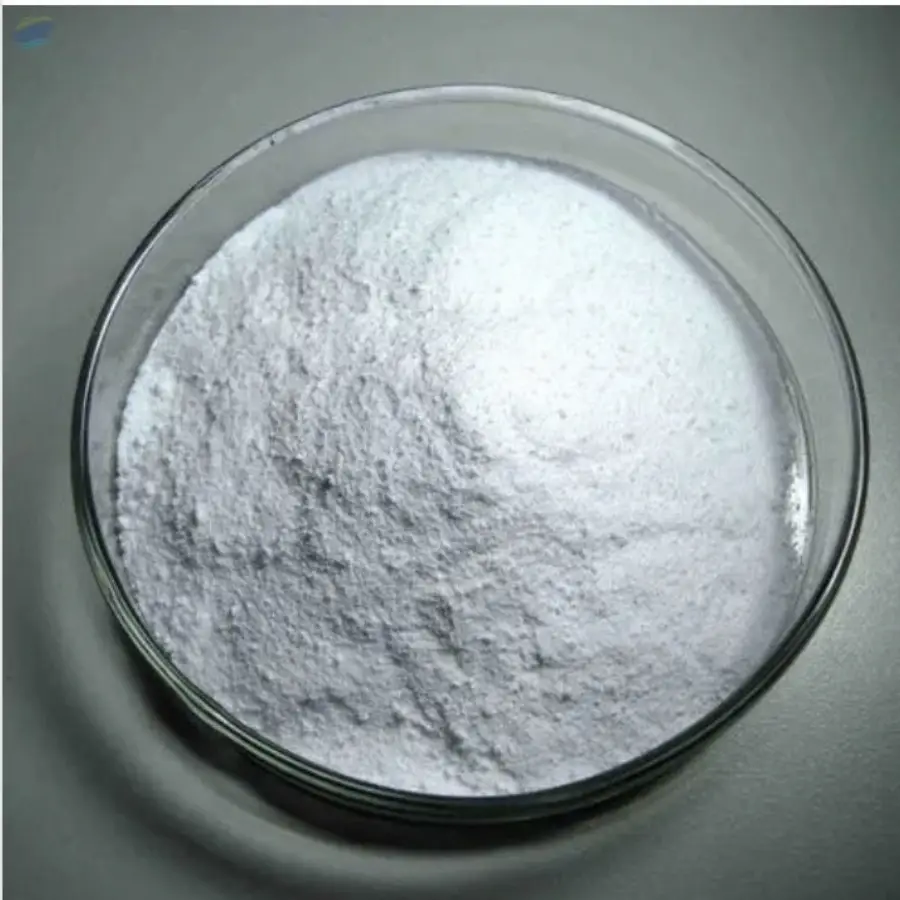
Cniec Xinjiang Corp. is registered in China, Xinjiang region, and currently lists five active products in its catalogue. The company’s portfolio covers industrial chemicals, chemicals and allied products, laboratory reagents, and ceramic raw materials, reflecting a focus on specialty inorganic and organic compounds. The listed items include Potassium amyl xanthate, Rubidium meta, Cesium iodide, Lithium fluoride, and Lithium hypochlorite. Each product falls under the broader HS‑chapter 28 classification for inorganic chemicals, although specific sub‑headings are not disclosed in the source data. The catalogue size of five items indicates a narrow but defined product scope for export and B2B sourcing.
The product set combines reagents commonly used in mining flotation (Potassium amyl xanthate), advanced optics and medical imaging (Cesium iodide), and high‑purity lithium compounds for battery and glass applications (Lithium fluoride, Lithium hypochlorite). Rubidium meta is a niche alkali metal compound often employed in research laboratories and specialty lighting. The inclusion of both industrial and laboratory grades suggests the supplier targets manufacturers, research institutions, and downstream chemical processors. No additional corporate history, employee numbers, or revenue figures are provided in the source material.
Product Range and Specialties of Cniec Xinjiang Corp.
The catalogue lists five distinct chemical entities: Potassium amyl xanthate, Rubidium meta, Cesium iodide, Lithium fluoride, and Lithium hypochlorite. In the industrial chemicals sector, Potassium amyl xanthate is typically supplied in 99 % purity for mineral processing, while lithium fluoride is offered at 99.99 % purity for optical glass and battery electrolyte production. Cesium iodide is frequently provided in analytical grade (≥99.5 %) for scintillation detectors, and Rubidium meta is used in high‑frequency electronics where purity levels of 99 % are standard. Lithium hypochlorite is usually marketed as a stable, aqueous solution with a concentration of 10‑15 % LiClO₃ for water treatment and chemical synthesis. Industry practice for laboratory reagents includes provision of certificates of analysis (CoA) and material safety data sheets (MSDS) for each batch.
Frequently Asked Questions About Cniec Xinjiang Corp.
What chemical grades does Cniec Xinjiang Corp. provide for Potassium amyl xanthate?
The supplier lists Potassium amyl xanthate without a specific grade, so buyers should request the batch purity percentage and any applicable industrial‑grade specifications, such as ≥99 % purity for flotation use.
Which HS code chapters cover the products offered by Cniec Xinjiang Corp.?
All listed chemicals fall under HS chapter 28 (inorganic chemicals) and related sub‑headings; exact sub‑code depends on the specific compound and its form.
Are certificates of analysis available for Cesium iodide?
Yes, buyers can ask the supplier to supply a current CoA that details purity, moisture content, and any trace‑metal analysis for Cesium iodide.
What packaging options are used for Lithium fluoride shipments?
Lithium fluoride is typically packed in sealed, moisture‑proof drums or bulk bags inside a 20‑ft or 40‑ft container, with inner liners to prevent humidity ingress.
What certifications should a buyer verify before importing Rubidium meta?
Buyers should request proof of compliance with REACH (EU) or TSCA (USA) and obtain an MSDS; the supplier’s own certifications are not disclosed in the source data.
 China
Related Suppliers & Products
Explore similar suppliers, related products and trending categories