Chongqing Lanren Aluminum Co., Ltd. — Supplier
About Chongqing Lanren Aluminum Co., Ltd. - GPS Navigation System / Aluminum Ingots Supplier in China
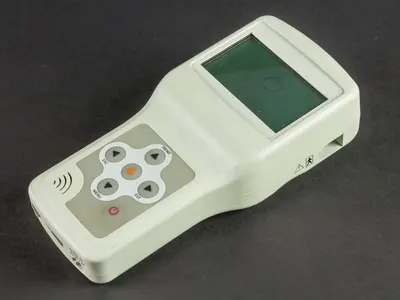
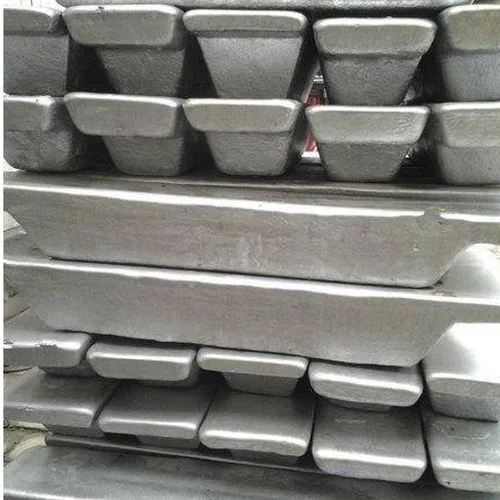
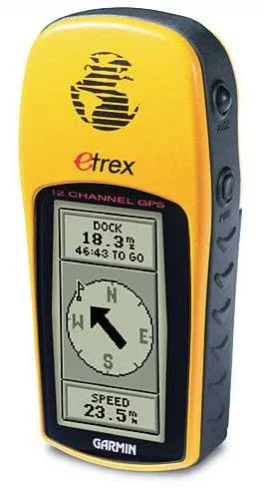
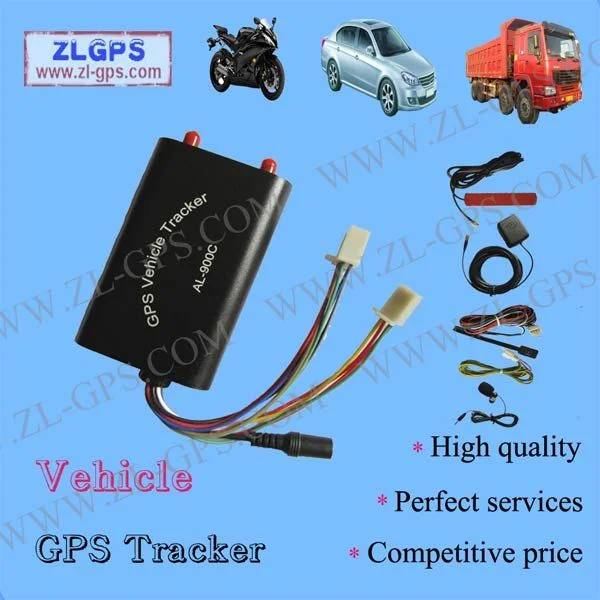
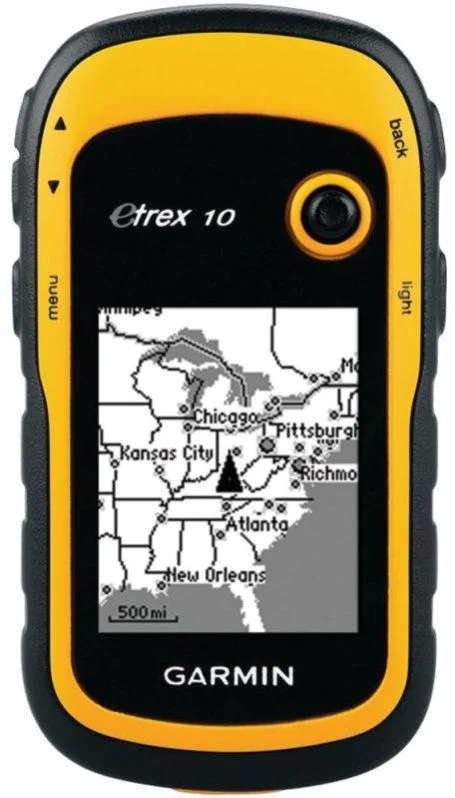
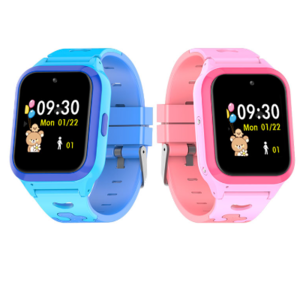
Chongqing Lanren Aluminum Co., Ltd. is based in Chongqing, China and currently lists five active products. The catalogue is split between four GPS tracking devices - a wired relay GPS tracker for cars, a 2 g GPS tracking chip model TK109, a geo‑fence personal GSM tracker and a GT208A‑4G power tracker - and one aluminium alloy circle identified under HS code 7606.12. The GPS items fall under the broader “GPS Navigation System” category, while the aluminium circle is recorded under the “Aluminum Ingots” category despite being a fabricated shape. Each GPS product is described by function rather than technical specifications, and the aluminium circle is specified as an alloy from the 3003/1050/1060 series. The supplier’s trust tier is listed as “harbor”, indicating a mid‑level verification level in the platform’s ranking system.
The aluminium circle is classified under HS chapter 76, which covers base metals and articles of base metal, specifically the 7606 sub‑heading for aluminium bars, rods and profiles. The four GPS trackers are electronic communication devices that typically fall under HS chapter 85 (electrical machinery). No additional certifications are stated in the supplied data, so any compliance such as CE, FCC or RoHS would need to be confirmed directly with the supplier. The product list reflects a focus on compact, low‑power tracking solutions and a basic aluminium alloy product suitable for extrusion or further fabrication.
Product Range and Specialties of Chongqing Lanren Aluminum Co., Ltd.
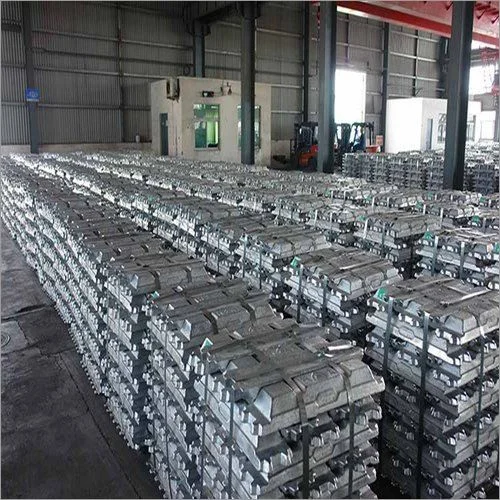
The GPS tracking line includes a wired relay unit for vehicle integration, a miniature 2 g chip (TK109) likely intended for embedded applications, a personal geo‑fence tracker that operates on GSM networks, and a GT208A‑4G power tracker which suggests four‑band cellular capability. In the industry, such devices are commonly graded by battery life (often 7‑14 days), accuracy (typically 5‑10 m), and communication protocol (GSM, GPRS, LTE). Buyers usually look for certifications such as CE, FCC, and RoHS, as well as test reports for IP rating and SAR limits. The aluminium circle, made from alloy series 3003, 1050 or 1060, is a commercially available grade with typical purity of 99 % aluminium, tensile strength around 110‑130 MPa, and is often supplied in standard diameters ranging from 50 mm to 200 mm for extrusion or casting.
Chinese aluminium producers frequently offer alloys in the 3003 series for high‑formability applications, with standard tolerances of ±0.2 mm on diameter and surface roughness Ra ≤ 0.8 µm. The HS code 7606.12 covers aluminium bars, rods and profiles of alloy or non‑alloy composition, which are usually shipped in 20‑ft or 40‑ft containers, packed in wooden crates or bulk pallets to prevent deformation. Typical buyer specifications include material test certificates (e.g., ASTM B209) and mill certificates indicating alloy composition and mechanical properties.
Trade and Export Information - Chongqing Lanren Aluminum Co., Ltd.
China is a leading exporter of both electronic tracking equipment and primary aluminium products. GPS trackers built in China are generally shipped to automotive manufacturers in Southeast Asia, fleet operators in Europe, and logistics firms in the Middle East, often under Incoterms FOB or CIF. The HS chapter 85 devices must comply with international electromagnetic compatibility (EMC) regulations, and many importers request test reports aligned with IEC 62379 or IEC 60730 standards. Aluminium circles under HS 7606.12 are commonly imported by manufacturers in the construction, automotive, and packaging sectors, especially in the United States, Germany, and Japan, where ISO 9001 quality management systems are frequently required.
Chinese exporters of aluminium frequently employ containerization with anti‑corrosion coatings and moisture barriers, and customs inspections may request a Certificate of Origin and a Material Safety Data Sheet (MSDS). For electronic trackers, buyers often request a pre‑shipment inspection (PSI) covering functionality, firmware version, and compliance documentation. Typical shipping methods include sea freight on 40‑ft high‑cube containers for bulk aluminium and air freight for high‑value GPS units, with lead times ranging from 15 to 30 days from factory dispatch.
Sourcing from Chongqing Lanren Aluminum Co., Ltd. - Buyer Guidance
When evaluating Chongqing Lanren Aluminum Co., Ltd., buyers should request product data sheets that list battery capacity, operating temperature range, GSM/LTE band support, and accuracy specifications for each GPS device. For the aluminium circle, ask for a mill test certificate that confirms alloy designation (3003, 1050 or 1060), chemical composition, tensile strength, and dimensional tolerances.
Because no certifications are listed, buyers should explicitly ask for CE, FCC or RoHS certificates for the electronic items, and ISO 9001 or equivalent quality system certificates for the aluminium product. Sample orders are advisable to verify firmware stability on the trackers and dimensional accuracy on the aluminium circle before committing to larger volumes. Verify packaging details - GPS units are often packed in anti‑static poly‑bags, while aluminium circles are typically crated in wood with protective padding.
Frequently Asked Questions About Chongqing Lanren Aluminum Co., Ltd.
What HS codes are associated with the products offered by Chongqing Lanren Aluminum Co., Ltd.?
The aluminium circle is listed under HS code 7606.12, which covers aluminium bars, rods and profiles. The GPS tracking devices fall under HS chapter 85 for electrical machinery, though specific sub‑headings are not provided in the catalogue.
Which material standards apply to the aluminium circle?
The circle is made from aluminium alloy series 3003, 1050 or 1060, which correspond to standards such as ASTM B209 for aluminium sheet and plate, and typical mechanical properties include tensile strength around 110‑130 MPa.
What typical certifications should a buyer request for the GPS trackers?
Buyers usually request CE marking for European markets, FCC certification for the United States, and RoHS compliance to verify restriction of hazardous substances. Test reports for IP rating and SAR limits are also common.
How are the GPS devices typically powered and what is their expected battery life?
The product names suggest a wired relay unit for vehicle power and a 2 g chip likely using a small lithium‑polymer battery. Industry averages for similar low‑power trackers range from 7 to 14 days of continuous operation.
What packaging is used for the aluminium circles during export?
Aluminium circles are generally packed in wooden crates or bulk pallets with protective padding to prevent deformation, and shipped in 20‑ft or 40‑ft containers.
Which regions are the main importers of Chinese GPS tracking equipment?
Key import markets include Southeast Asian countries, European Union members, and Middle Eastern logistics firms, often under FOB or CIF terms.
What documentation is needed for customs clearance of the aluminium product?
Customs typically require a commercial invoice, packing list, Certificate of Origin, and a mill test certificate indicating alloy composition and mechanical properties.
What are the usual lead times for ordering the GPS trackers and aluminium circles?
Lead times for electronic trackers from Chinese factories usually range from 15 to 30 days, while bulk aluminium shapes may require 20 to 45 days depending on production scheduling and container availability.




 , China